Nazi-era airships are making a comeback and Google’s co-founder is on board! Know all about it

Authored By Subhadra Srivastava
Published: May 16, 2025, 11:21 IST | Updated: May 16, 2025, 11:21 IST
Nearly a century after the tragic Hindenburg disaster ended the golden age of airships, here's a new wave of aerospace companies is reviving the idea.

1 / 12
A niche between speed and sustainability
Start-ups in the countries like United States, United Kingdom and France are now developing next-generation airships as a low-emission alternative for cargo as well as niche tourism. “You can either send things expensively and quickly, or cheaply and slowly,” said the co-founder if Anumá Aerospace, Diana Little.

2 / 12
A comeback nearly a century later
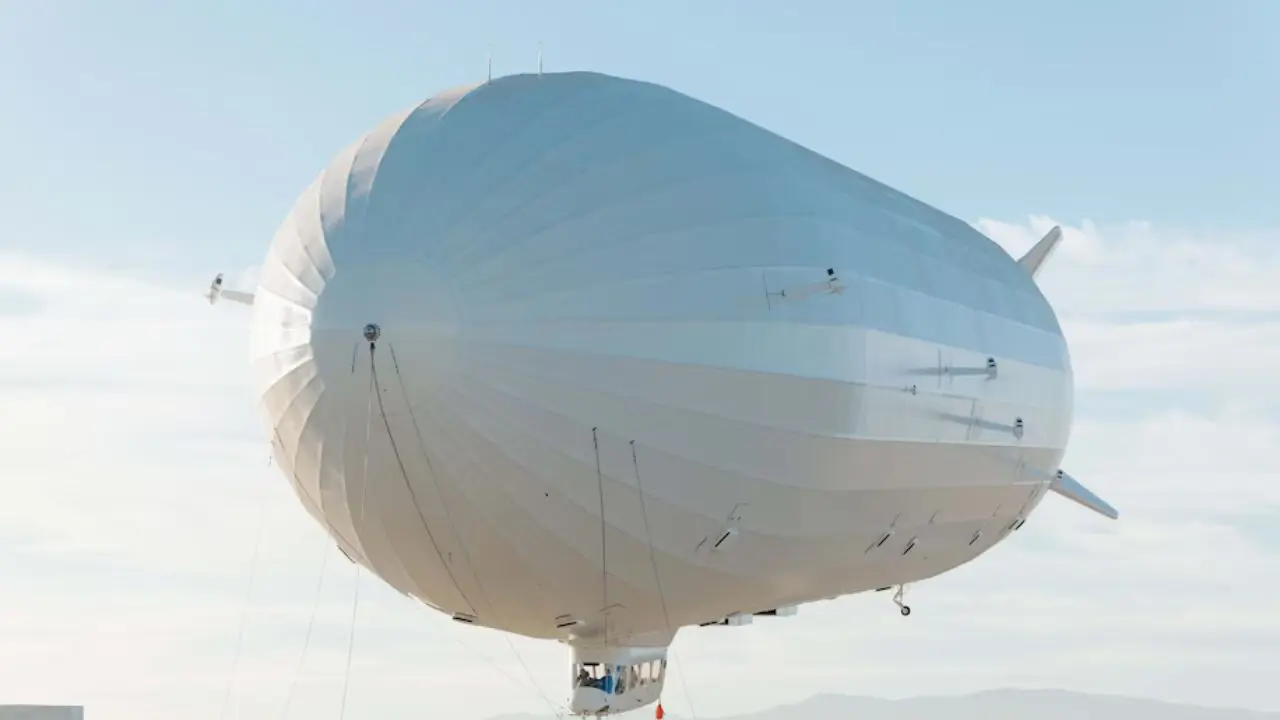
Nearly a century after the tragic Hindenburg disaster ended the golden age of airships, here's a new wave of aerospace companies is reviving the idea — this time however, with safer materials, greener engines, and commercial ambition.
3 / 12
Modern designs, lower emissions
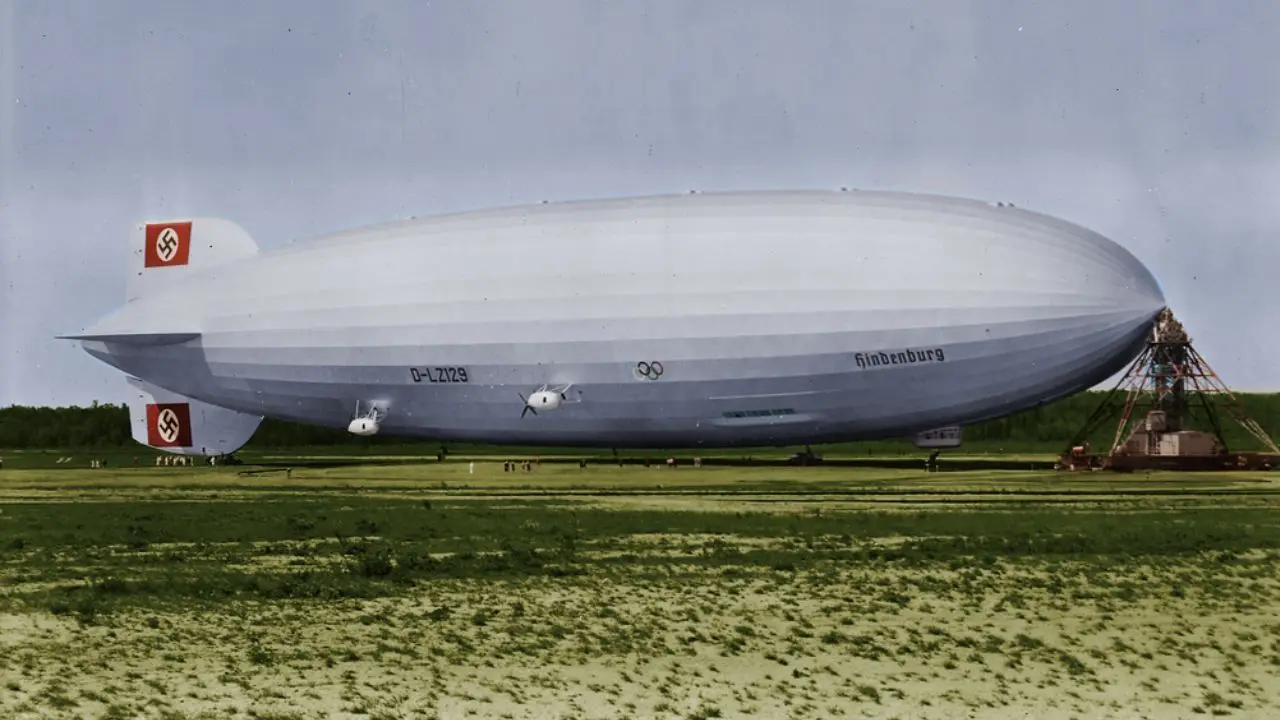
Instead of highly flammable Hydrogen, modern designs use helium, with carbon fibre and titanium as replacement to wood and aluminium. These Companies claim their airships have the ability to reduce fuel use and carbon emissions by up to 90% compared with conventional aircraft. Powered by more efficient engines and battery systems, they can travel at a maximum speed of about 80 mph — which is slower than jets but obviously faster than trucks on congested roads.
4 / 12
Ambitious prototypes underway
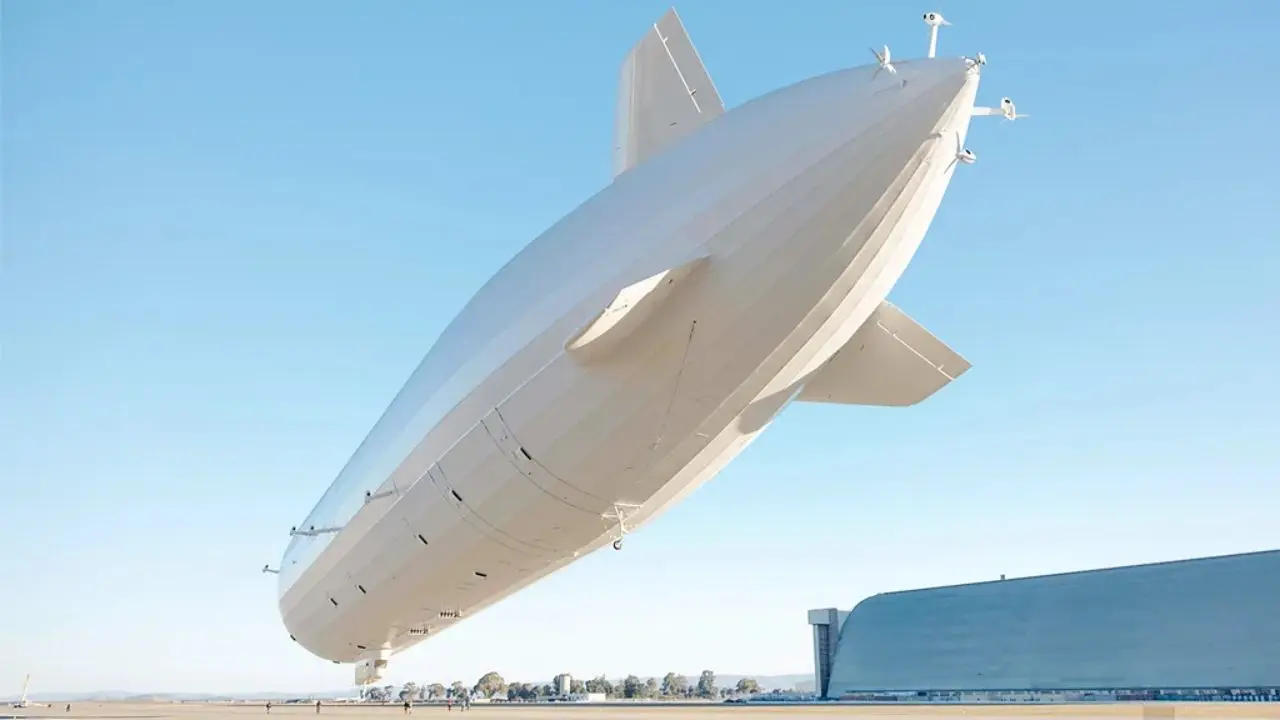
LTA Research, backed by Google co-founder Sergey Brin, is testing it's Pathfinder 1, a 400-foot-long prototype, at NASA’s Moffett Field in California, which could be the largest aircraft in the world. In Britain, Hybrid Air Vehicles (HAV) is building about 300-foot ships targeting both freight and high-end tourism. France’s Flying Whales, supported by the French government, plans to launch about 600-foot cargo airships by the end of 2029, with operations in Quebec.

5 / 12
Tourism takes flight first
The tourism sector could offer early potential. Reportedly, HAV has already secured deals for flights over the Arctic, Scottish Highlands, and the Mediterranean. Its gondolas will resemble aircraft cabins but would, on the other hand, promise a slower, quieter, and a more scenic journey.
6 / 12
Infrastructure and cost challenges
Airships can also face logistical constraints. They demand large mooring areas, and most must stay within 500 miles of their massive hangars. On the top of it, helium’s high cost and scarcity also remain main concerns. Still, proponents see promise in using airships for cargo to inaccessible areas, such as wind turbine transport, timber extraction, or humanitarian aid.
7 / 12
A niche between speed and sustainability
Start-ups in the countries like United States, United Kingdom and France are now developing next-generation airships as a low-emission alternative for cargo as well as niche tourism. “You can either send things expensively and quickly, or cheaply and slowly,” said the co-founder if Anumá Aerospace, Diana Little.
8 / 12
A comeback nearly a century later
Nearly a century after the tragic Hindenburg disaster ended the golden age of airships, here's a new wave of aerospace companies is reviving the idea — this time however, with safer materials, greener engines, and commercial ambition.
9 / 12
Modern designs, lower emissions
Instead of highly flammable Hydrogen, modern designs use helium, with carbon fibre and titanium as replacement to wood and aluminium. These Companies claim their airships have the ability to reduce fuel use and carbon emissions by up to 90% compared with conventional aircraft. Powered by more efficient engines and battery systems, they can travel at a maximum speed of about 80 mph — which is slower than jets but obviously faster than trucks on congested roads.
10 / 12
Ambitious prototypes underway
LTA Research, backed by Google co-founder Sergey Brin, is testing it's Pathfinder 1, a 400-foot-long prototype, at NASA’s Moffett Field in California, which could be the largest aircraft in the world. In Britain, Hybrid Air Vehicles (HAV) is building about 300-foot ships targeting both freight and high-end tourism. France’s Flying Whales, supported by the French government, plans to launch about 600-foot cargo airships by the end of 2029, with operations in Quebec.
11 / 12
Tourism takes flight first
The tourism sector could offer early potential. Reportedly, HAV has already secured deals for flights over the Arctic, Scottish Highlands, and the Mediterranean. Its gondolas will resemble aircraft cabins but would, on the other hand, promise a slower, quieter, and a more scenic journey.
12 / 12
Infrastructure and cost challenges
Airships can also face logistical constraints. They demand large mooring areas, and most must stay within 500 miles of their massive hangars. On the top of it, helium’s high cost and scarcity also remain main concerns. Still, proponents see promise in using airships for cargo to inaccessible areas, such as wind turbine transport, timber extraction, or humanitarian aid.
)
)
)
)
)