Navalny poisoning allegations: Is this the first time wildlife toxin was allegedly used in a political assassination?

European investigators allege Alexei Navalny was poisoned with epibatidine, a rare frog-derived toxin. While natural poisons like ricin were used before, no political assassination has previously involved epibatidine.

The allegation
On February 14, a joint investigation by five European governments, the United Kingdom, France, Germany, Sweden, and the Netherlands, claimed that Russia's Alexei Navalny, who died in February 2024 while imprisoned in an Arctic penal colony, was poisoned with epibatidine.

Russia has ‘means, motive and opportunity’
The laboratories that tested samples taken from Navalny’s body said the substance was present and likely caused his death. Western officials say Russia had the “means, motive and opportunity” to administer the toxin.
What is epibatidine?
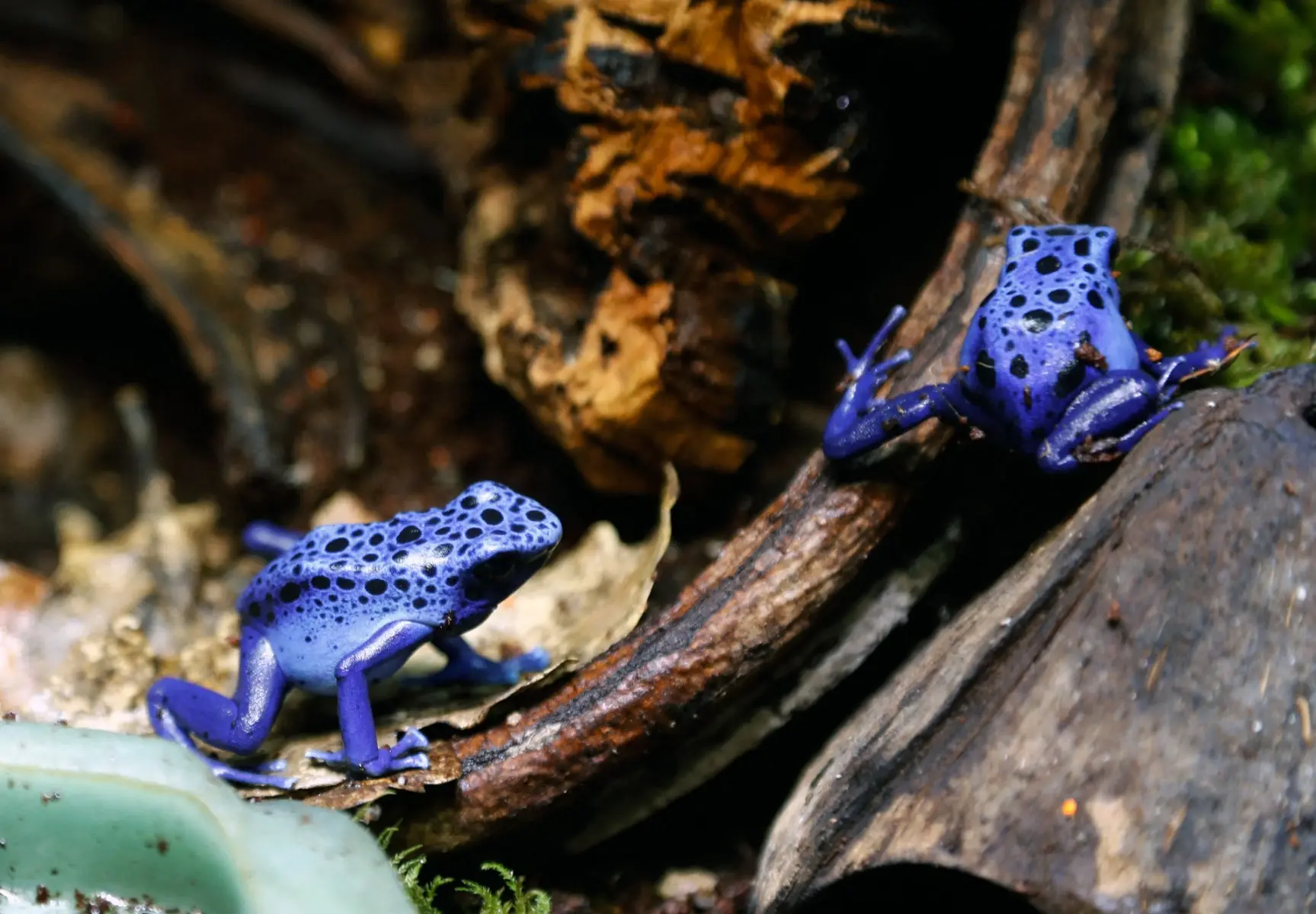
Epibatidine is a neurotoxin which is naturally found on the skin of South American poison dart frogs. It is extremely potent and acts directly on the nervous system.

Has a Wildlife Toxin Ever Been Used This Way Before?
Epibatidine, the wildlife toxin alleged in Navalny's case, is not known to have been used in any political assassination cases before. But there are multiple cases when natural toxins have been used for lethal purposes in history.

Georgi Markov - Use of ricin
The 1978 Georgi Markov umbrella assassination used ricin — a plant-derived toxin — delivered in a tiny pellet, widely documented as a state-orchestrated killing during the Cold War.

First such case?
Russia has refused the allegations by calling them "biased" and "baseless". But if it gets proven, it would be highly unusual.
)
)
)
)
)