Nature's inspiration: How birds helped design the fighter jet

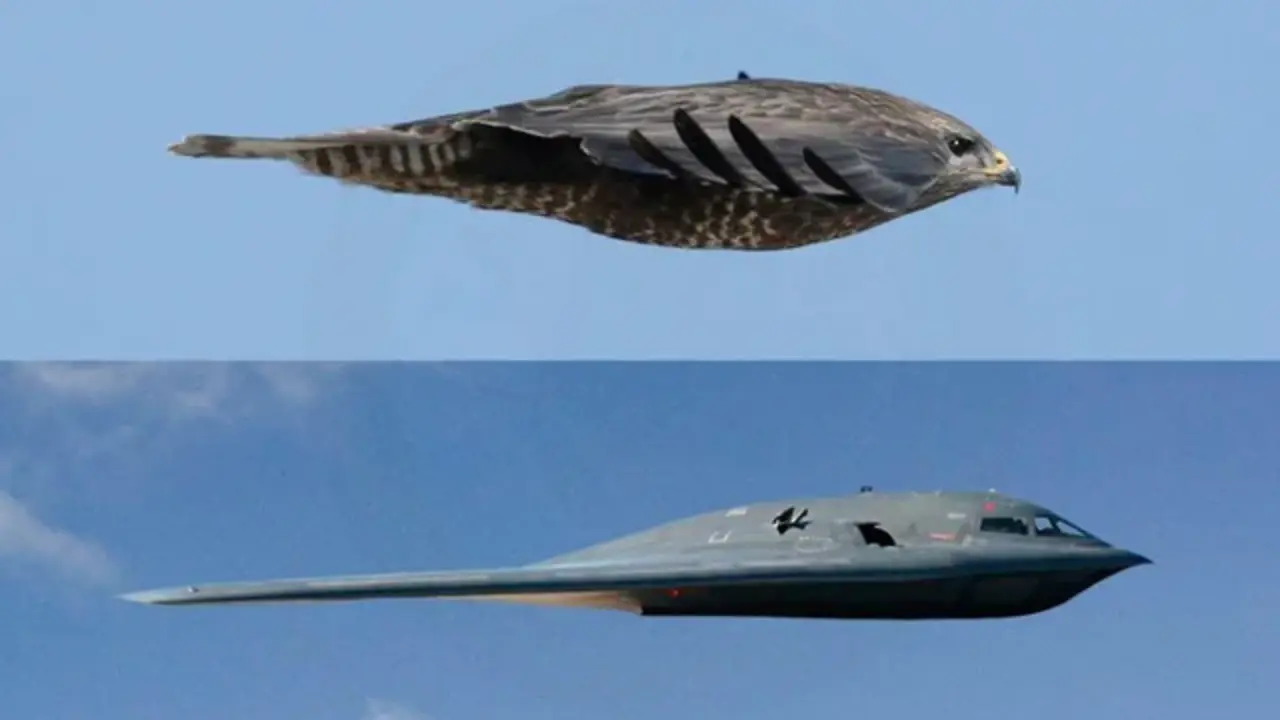
Fighter jets may look high-tech, however, many of their features are inspired by birds. From silent owl wings to sharp falcon shapes, nature continues to shape the skies. Discover how future jets may fly even smarter by learning from wildlife.
Nature and Technology - Link
Fighter jets, if we look at a few modern jets like the F-16 and F-22, seem very modern. Yet, their design often takes lessons from nature, especially birds. Engineers look at how eagles and falcons fly to make jets that are fast, stable, and able to turn quickly.
Wings That Change Shape
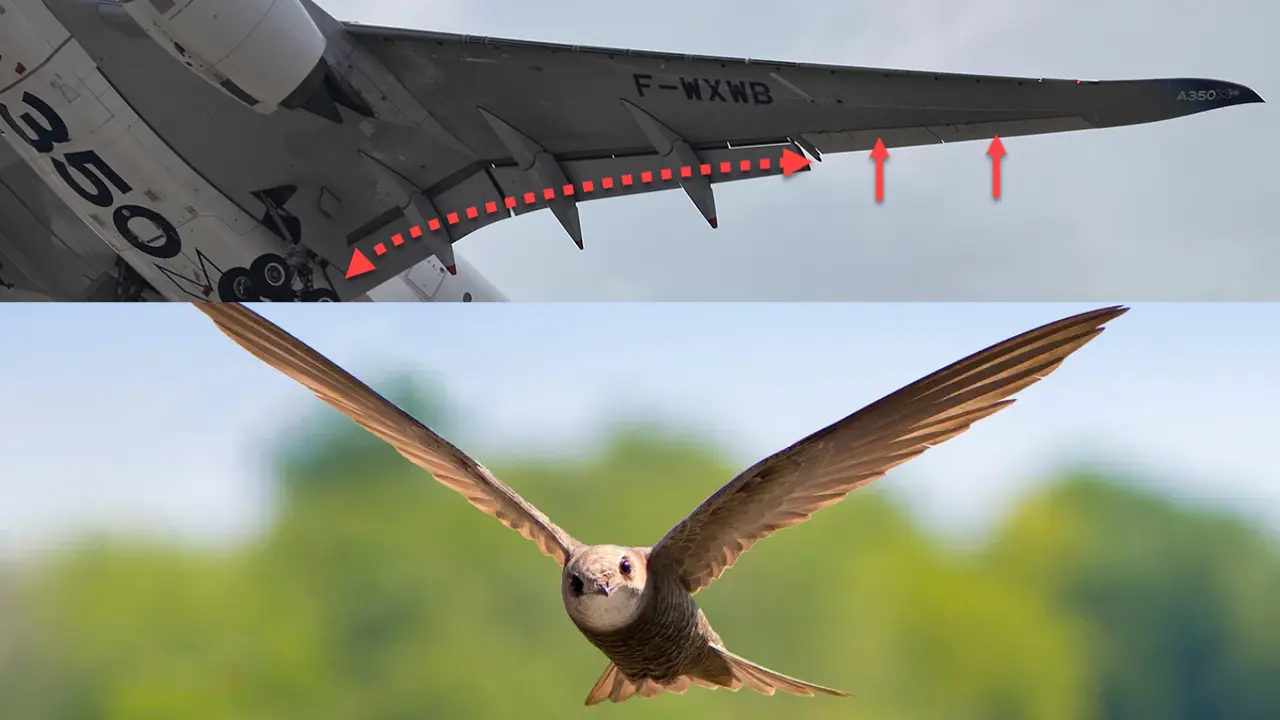
Birds adjust their wings using feathers to lift and steer. Fighter jets use flaps and slats to do the same. The F-16, for example, has special wing controls that change in flight. This allows pilots to copy how birds move, helping jets turn and climb smoothly.
Learning Stealth from Owls
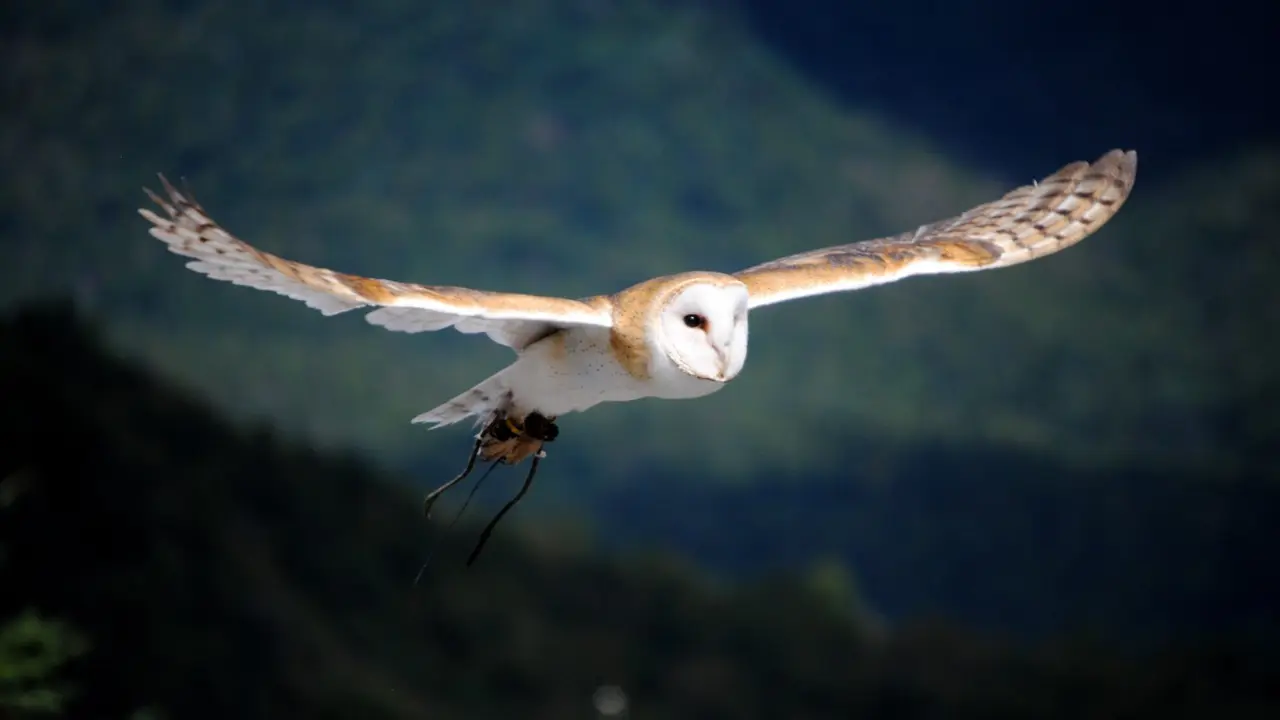
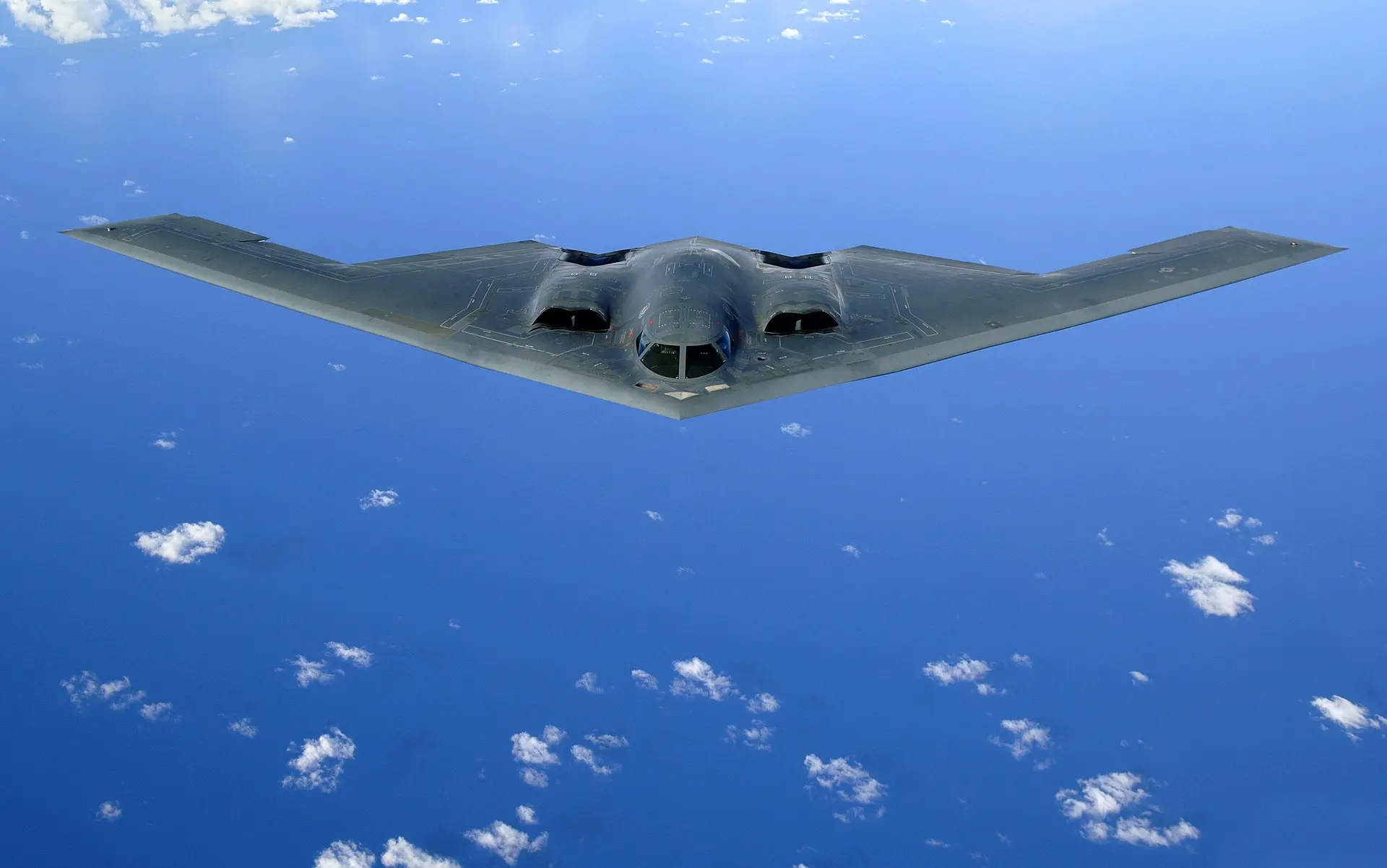
Owl feathers are soft and shaped to make their flight almost silent, useful for hunting without being seen or heard. Stealth jets like the F-22 and B-2 use materials and coatings inspired by owl wings, which help them fly low and avoid radar.
Aerodynamic Bodies
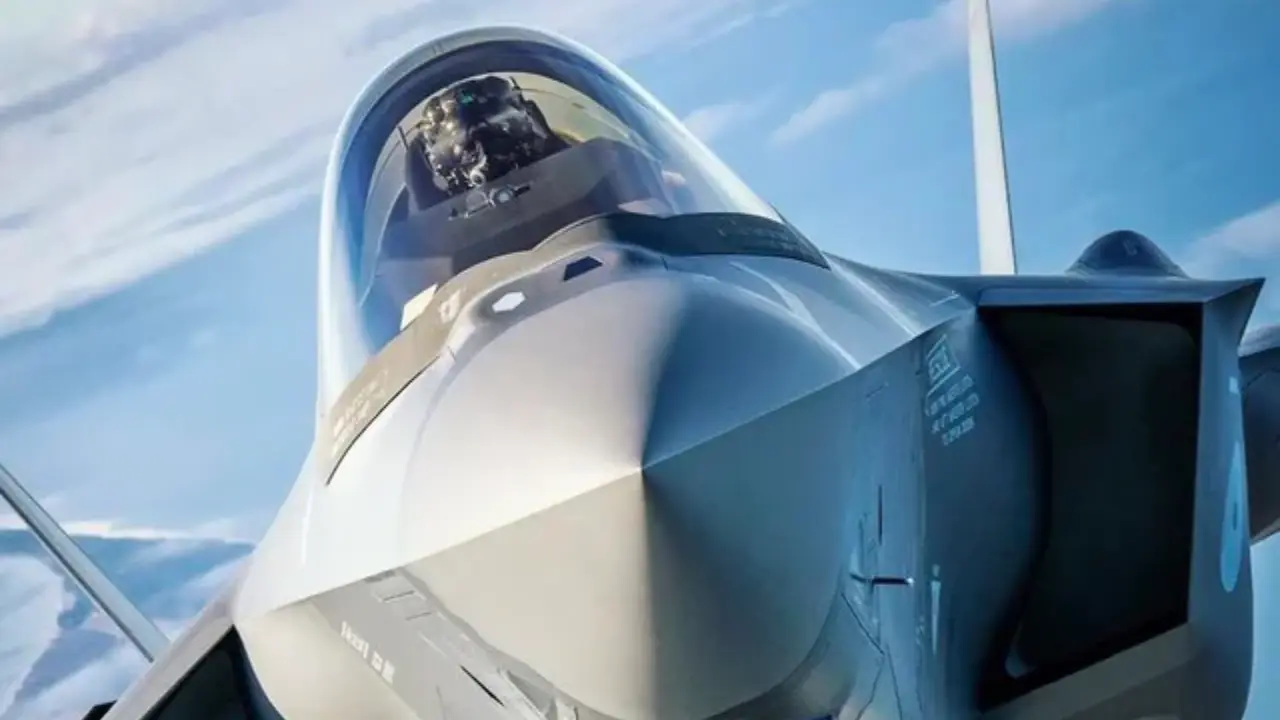
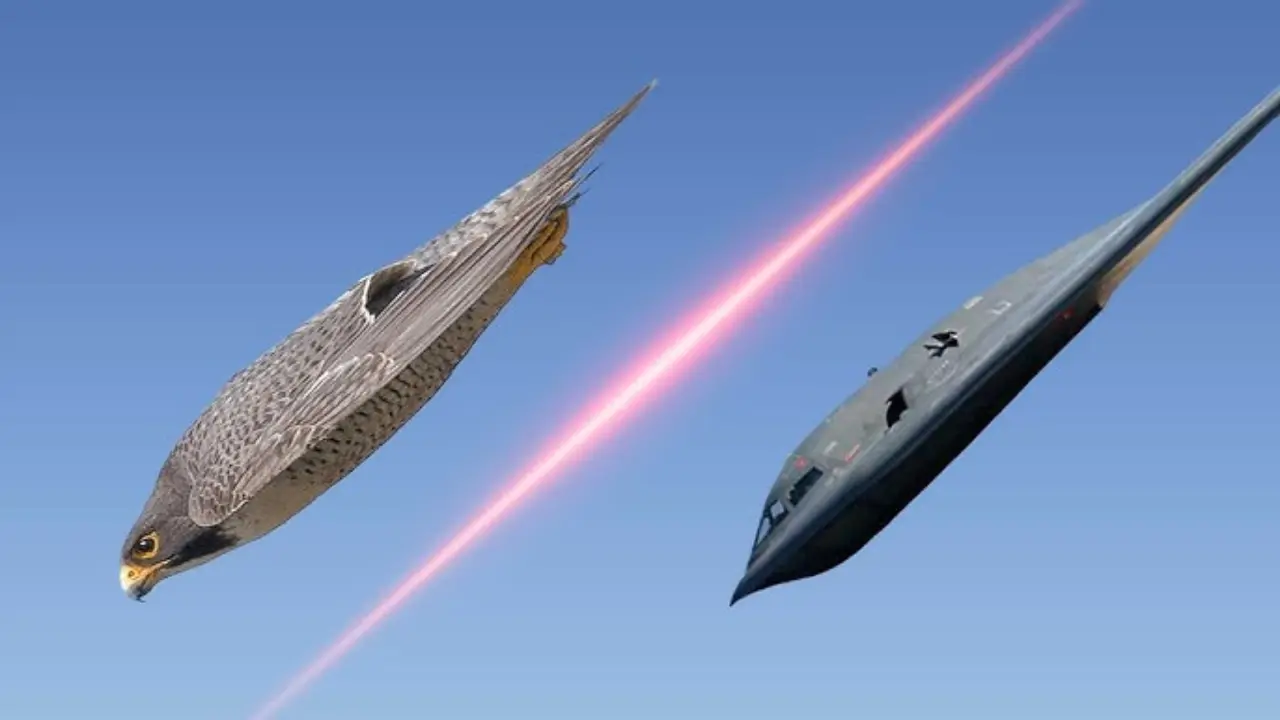
Falcons and swifts have slim, pointed bodies. This lets them fly very fast with less air resistance. Engineers give fighter jets a similar shape. For example, the nose and body of the F-22 are narrow and smooth, helping the jet reduce drag at high speeds.
Tail Movements and Jet Control
Birds use their tails for balance and direction. Modern jets have control surfaces like rudders and elevators on their tails. These allow stable flight and sharp turns. This concept is drawn from how birds adjust their tails while flying through changing wind.
Eye-Like Sensors for the Sky
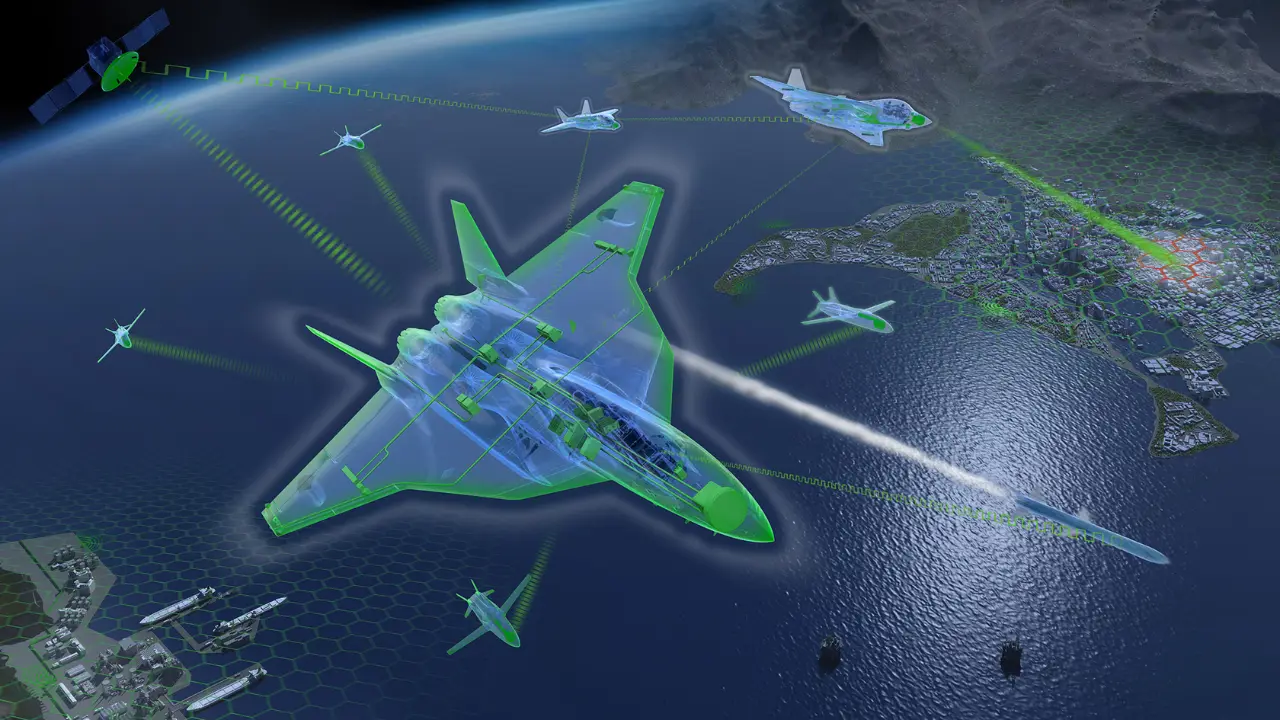
Birds of prey, such as hawks, have keen eyesight to spot prey far below. Fighter jets use advanced sensors and targeting systems. These include radar and infrared “eyes” which let pilots find threats at long distances, just as sharp-eyed birds do.
The Future Nature and Innovation Together
Every new fighter jet uses some part of biomimicry copying nature’s best tricks. Future jets may use even more designs inspired by birds. By learning from nature, engineers hope to build faster, safer and more efficient planes for air forces worldwide.
)
)
)
)
)