NATO’s shield? How F126 frigate secures North Atlantic against quiet submarines

Germany’s F126 frigate, a massive 10,000-ton tactical surface combatant explicitly engineered to serve as NATO’s primary shield, neutralising modern undersea threats and anchoring global maritime defence lines.
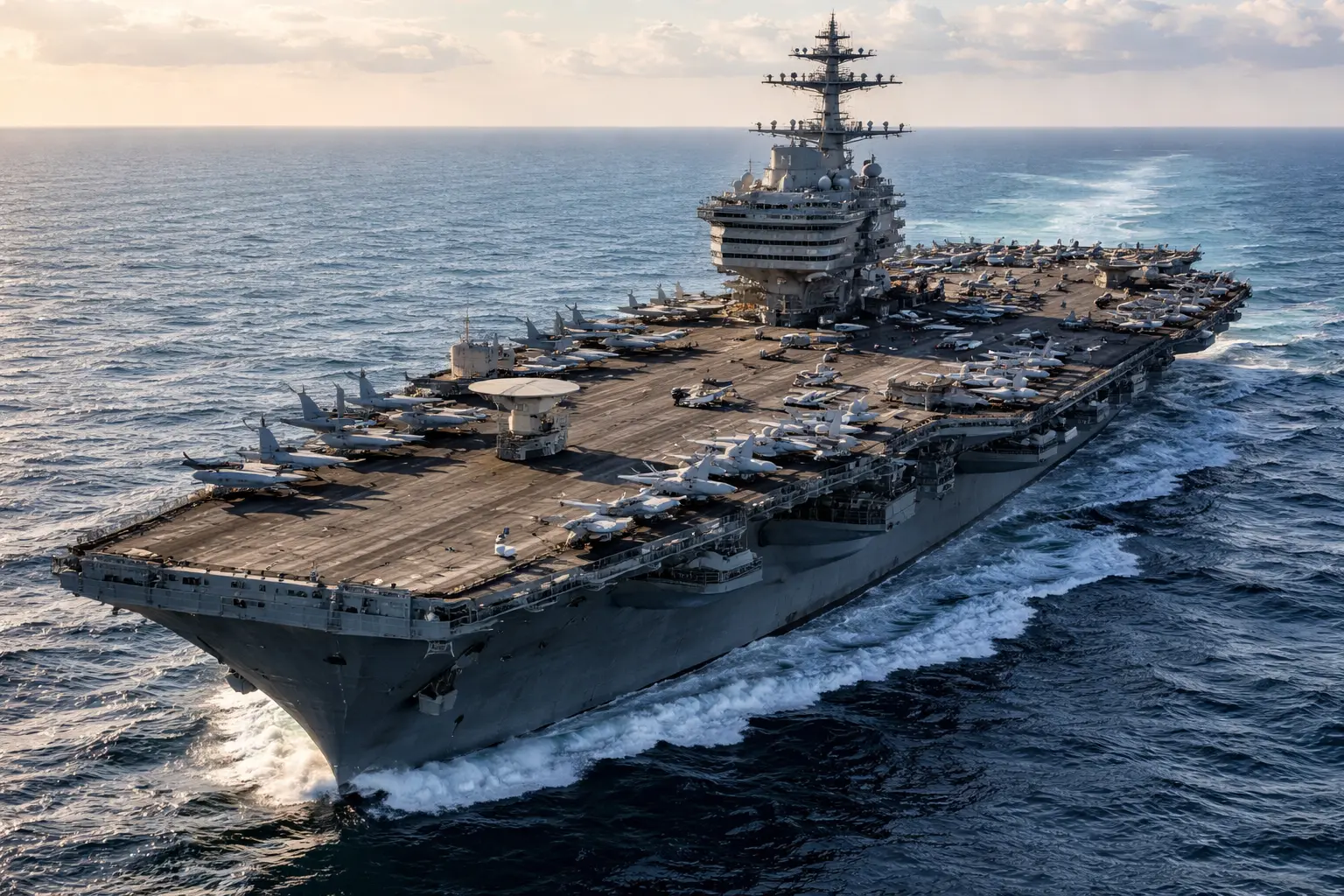
German scrapped order of six F126 frigates
The German government scrapped the order for six F126 frigates on Wednesday (June 24) after the order was delayed. Meanwhile, the report highlighted that the country intends to buy eight smaller MEKO A-200 frigates instead of rival warship builder TKMS. Development related to F126 frigates followed, as the North Atlantic is experiencing a significant resurgence in underwater espionage, forcing maritime alliances to aggressively upgrade their subsurface detection capabilities. As rival nations deploy quieter, highly advanced diesel-electric and nuclear submarines, standard naval vessels struggle to maintain tracking dominance. Enter Germany’s F126 frigate, a massive 10,000-ton tactical surface combatant explicitly engineered to serve as NATO’s primary shield, neutralising modern undersea threats and anchoring global maritime defence lines.
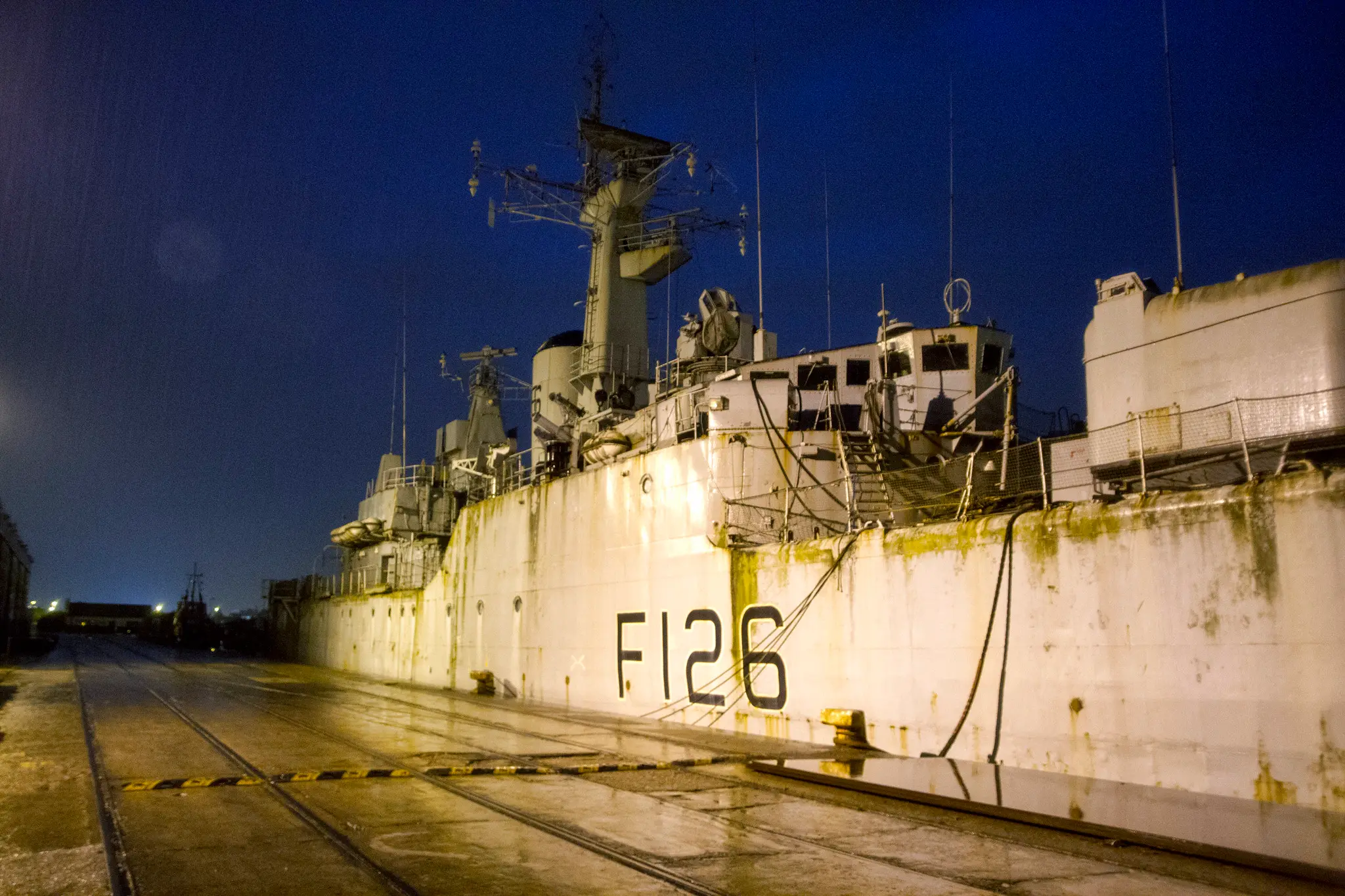
Anti-Submarine Warfare (ASW) modular pack system
To counter increasingly silent hulls, the F126 leverages a cutting-edge Anti-Submarine Warfare (ASW) modular pack system. Rather than relying on rigid, permanently fixed hardware, these warships feature standardised slots designed to host interchangeable mission containers. This containerised architecture allows specialised processing suites and localised hardware to be integrated within days. Consequently, the German Navy can swiftly transform a standard patrol ship into a dedicated submarine hunter tailored precisely to changing North Atlantic threat levels.
Advanced towed-array sonar system
The technological heart of this subsurface tracking capability is an advanced towed-array sonar system supplied by Thales. When deployed, this low-frequency active and passive sonar array is towed far behind the frigate, isolating sensor readings from the ship's own acoustic noise. Operating beneath thermal layers in deep Atlantic waters, the array detects minute acoustic anomalies. Data from official maritime research papers indicates this setup allows the F126 to identify hidden, low-signature targets across vast maritime sectors.
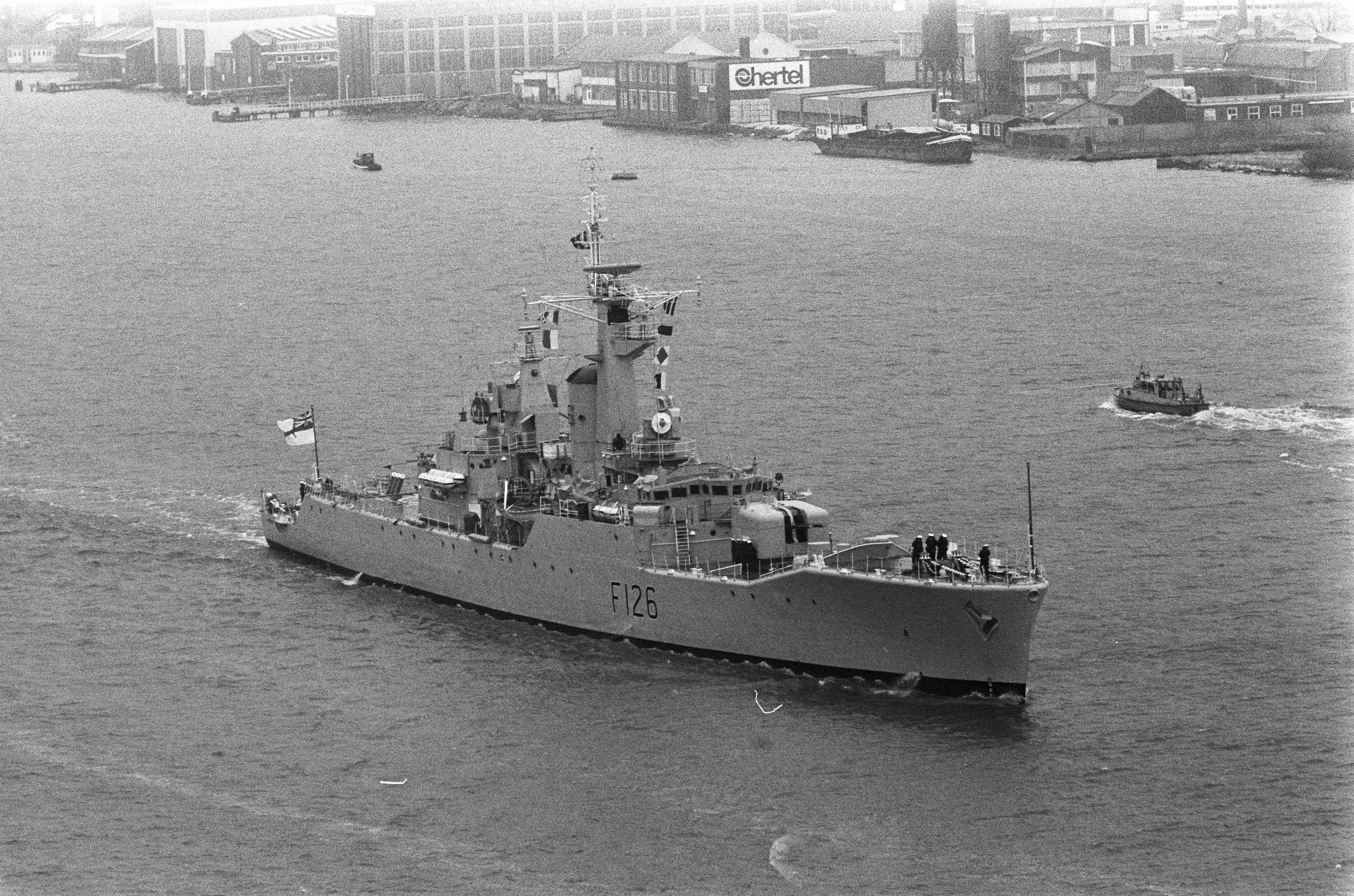
TACTICOS combat management system
Raw data collected by the sonar arrays is funnelled directly into the onboard Thales TACTICOS combat management system. Utilising automated sensor-fusion software, this platform strips away ocean background noise, isolating distinct machine-learning algorithms to identify foreign acoustic signatures. This high-speed computing architecture enables the five-person command crew to track multiple submerged targets simultaneously. The system seamlessly maps underwater topographies, giving operators an instantaneous, crystal-clear operational picture of threats moving beneath the North Atlantic waves.
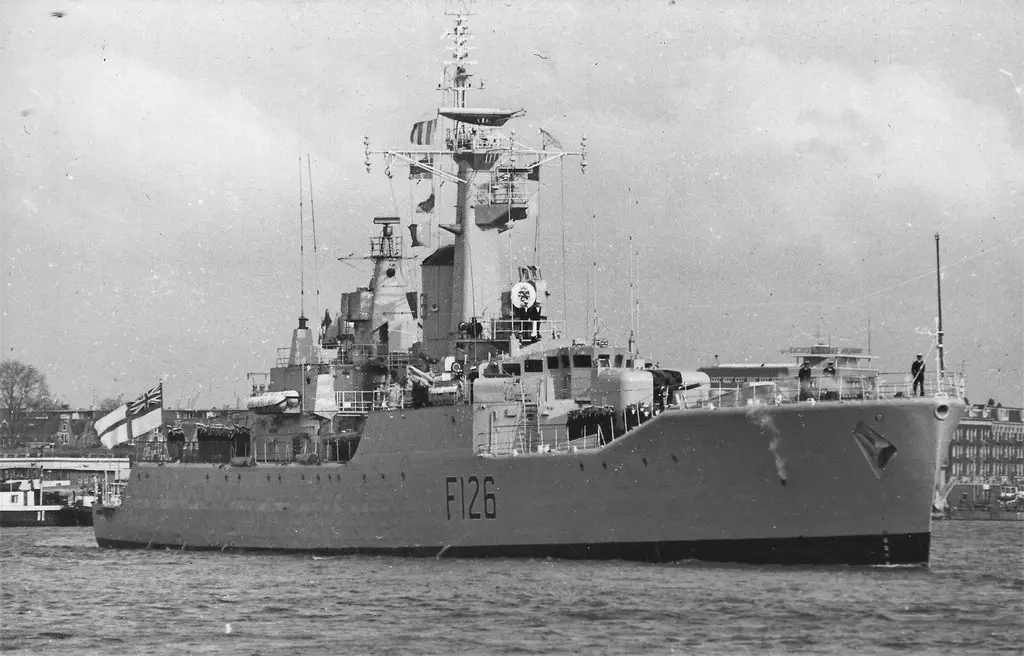
Accommodates NH90 Sea Tiger helicopters
Once a hostile submarine is successfully tracked and localised, the F126 shifts smoothly from detection to tactical deterrence. The frigate utilises a sophisticated combination of onboard weapon systems alongside organic airborne assets. Its expansive flight deck accommodates NH90 Sea Tiger helicopters equipped with dipping sonars and lightweight anti-submarine torpedoes. By extending the ship’s lethal strike range by hundreds of kilometres, this integrated airborne coordination ensures that detected adversaries are swiftly contained well before they can threaten allied logistics.
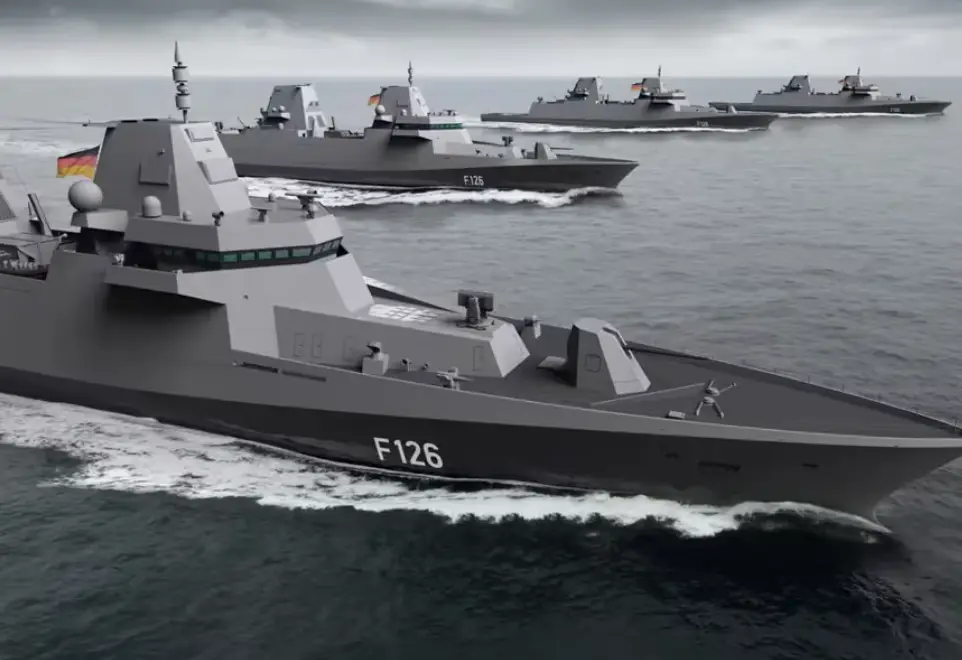
Unyielding shield for NATO
Deploying these formidable capabilities aligns directly with NATO’s broader strategic posture for northern European security. Operating under the "Three M's" design blueprint, the F126 is structurally reinforced to withstand icy Arctic environments, allowing it to patrol deep into the GIUK gap. By maintaining a persistent, two-year global deployment cycle backed by rotating crews, these vessels ensure continuous monitoring of vital choke points. The F126 provides NATO with an uncompromising, unyielding shield against underwater incursions.
)
)
)
)
)