National Space Day: Notable achievements of Indian Space Research Organisation

National Space Day: India has achieved several milestones in space ever since the Indian Space Research Organisation (ISRO) was established in 1962. Here are some of the notable missions by the Indian space agency.
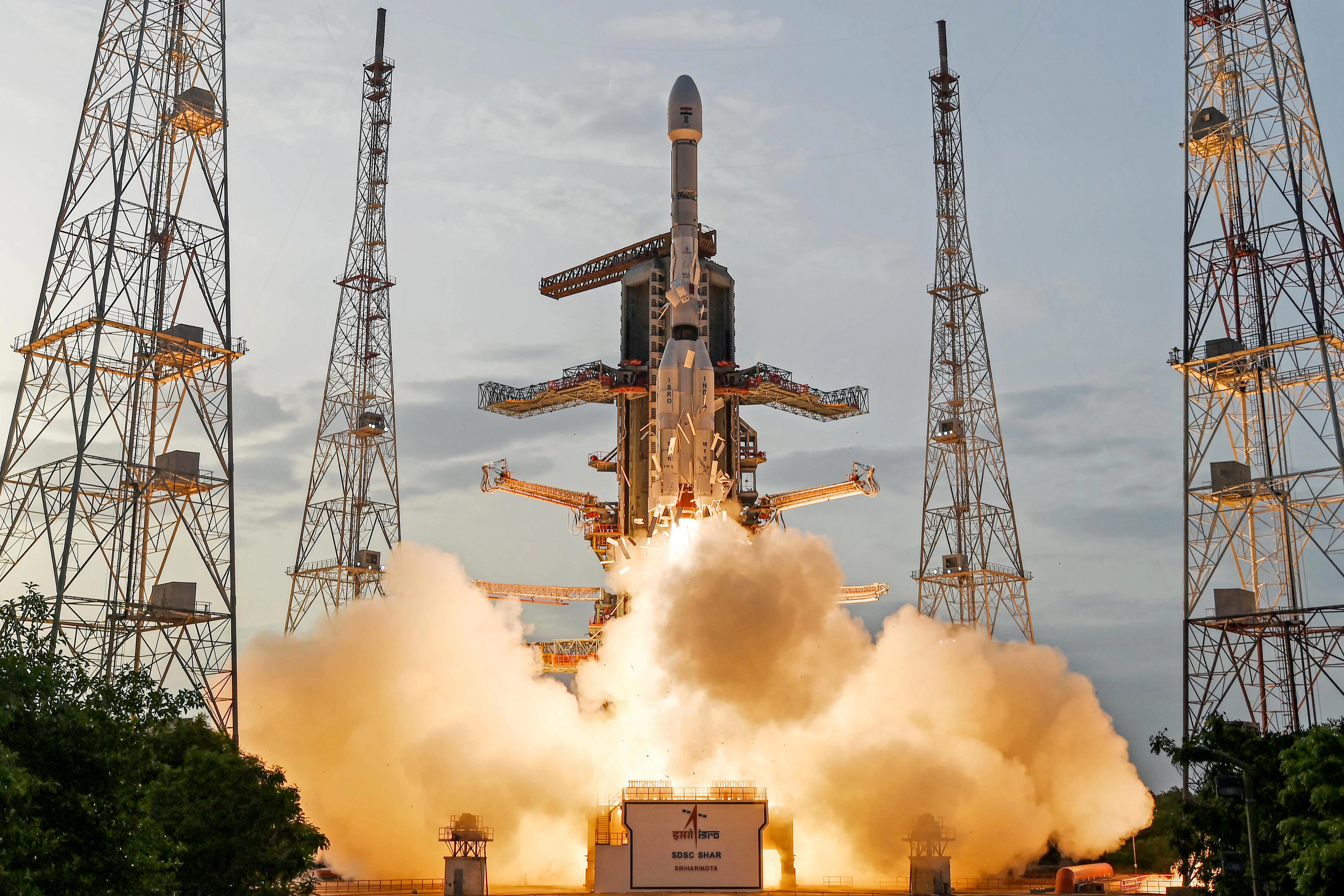
National Space Day: Indian Space Research Organisation achievements
India celebrates its National Space Day on August 23. The Indian Space Research Organisation (ISRO) is the cornerstone of everything India has achieved in the field of space to date. Vikra Sarabhai, the father of the Indian space program, was a visionary who led India to race to achieve its dreams. Today, ISRO has accomplished several missions and the world has stood up and taken notice of our scientific prowess. From Aryabhata, the first satellite launched by India in 1975, to the Chandrayaan missions, and the upcoming Gaganyaan programme, ISRO has spread its wings far and wide. Here are some of the most notable ISRO missions that changed the face of India's space exploration.
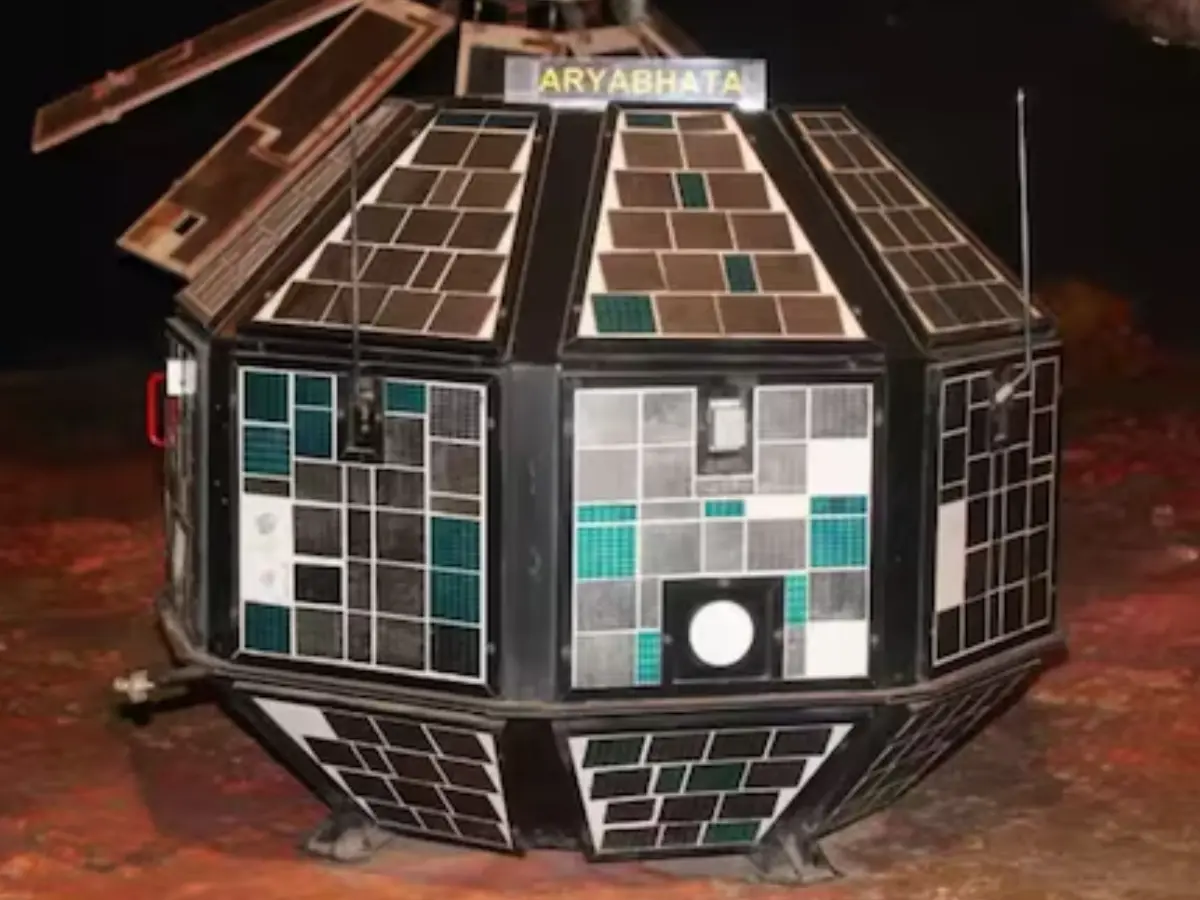
Aryabhata, India’s first satellite
On April 19, 1975, India launched its first satellite, Aryabhata. The 360-kg satellite was manufactured, designed, and assembled in India. The launch happened from the Soviet Union’s Kapustin Yar using a Kosmos-3M launch vehicle. It reached orbit but faced technical issues soon after. Despite this, it proved to be a crucial mission for India as it helped the country understand the intricacies of designing satellites that helped pave the way for future space missions.
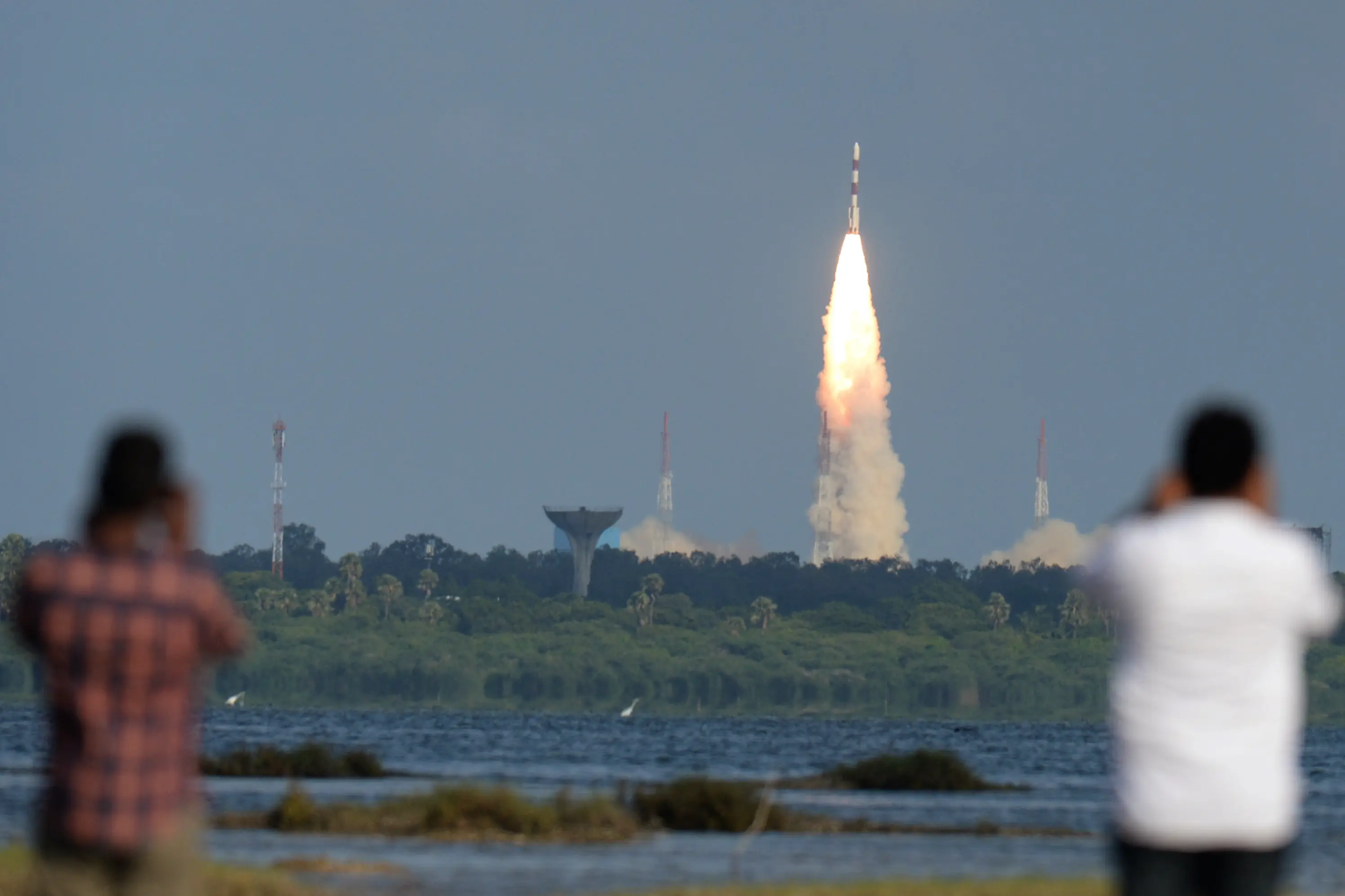
Satellite Launch Vehicle-3 (SLV-3)
India's first indigenous satellite launch vehicle, SLV-3, was launched on July 18, 1980. It took the Rohini satellite to orbit, marking India's first satellite launch from home. It showed that India could design its own launch vehicles that were capable of successfully placing satellites in orbit. SLV-3 also laid the foundation for the development of advanced launch systems. Today, India has three active operational launch vehicles: Polar Satellite Launch Vehicle (PSLV), Geosynchronous Satellite Launch Vehicle (GSLV), and Geosynchronous Satellite Launch Vehicle Mk-III (LVM3).
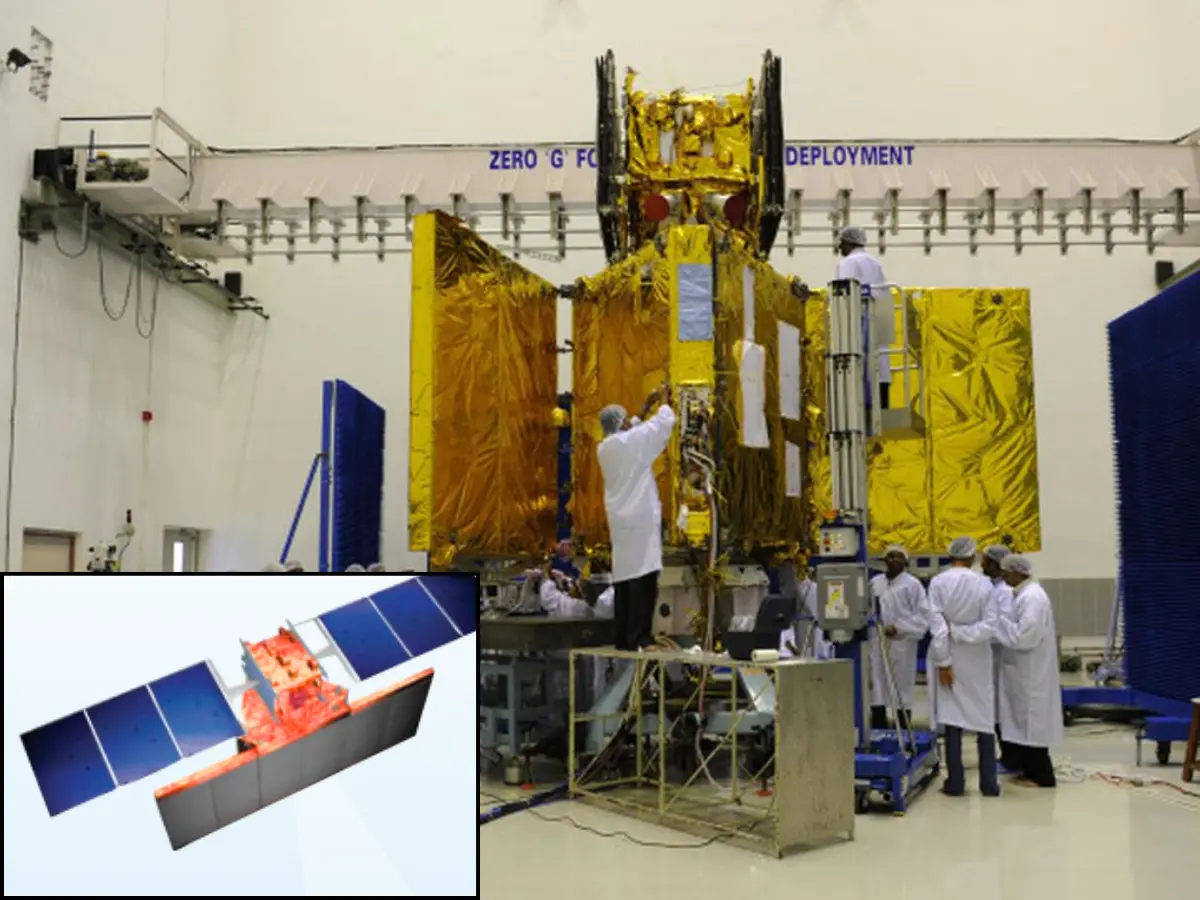
RISAT-1
India placed its first radar imaging satellite in orbit in 2012 aboard a PSLV-C19 rocket. The satellite provides all-weather surveillance, which makes it useful for agricultural monitoring, to check for soil moisture and other things. The synthetic aperture radar (SAR) on top of the RISAT-1 captures high-resolution images of the Earth’s surface. This helps it monitor cyclones and floods to help prepare for them in time.
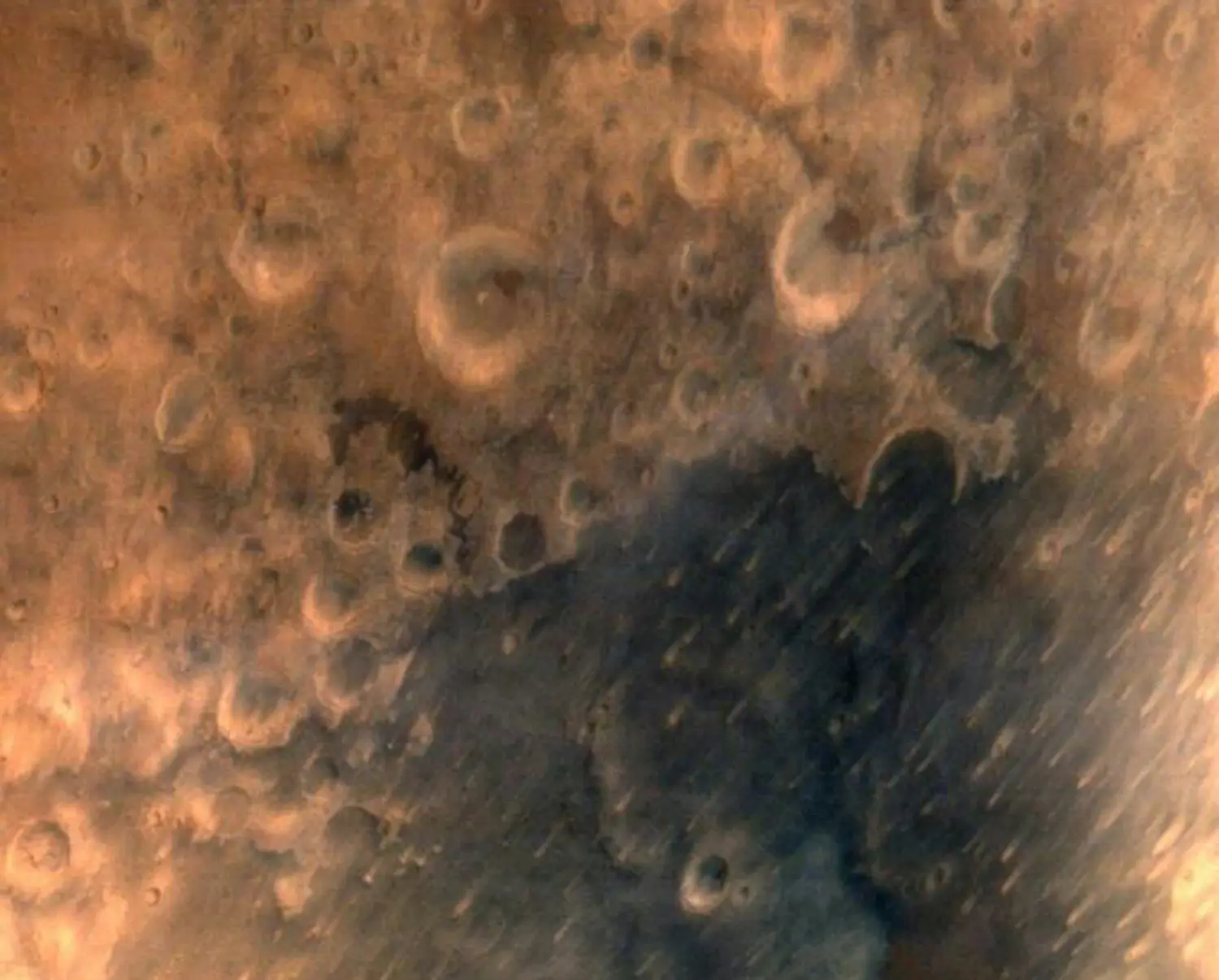
Mangalyaan (Mars Orbiter Mission): A photo of Mars taken by Mangalyaan
The Mangalyaan mission really put India on the world's space map after ISRO became the second space agency in the world to reach Mars orbit on its first attempt. The mission that was launched on November 5, 2013, cost $75 million, Rs 450 crore. It was the most affordable Mars mission ever, costing less than even some popular movies made on the subject of space, such as Gravity. The primary aim of the Mars Orbiter Mission was to develop the technologies for designing, planning, managing, and operations an interplanetary mission.
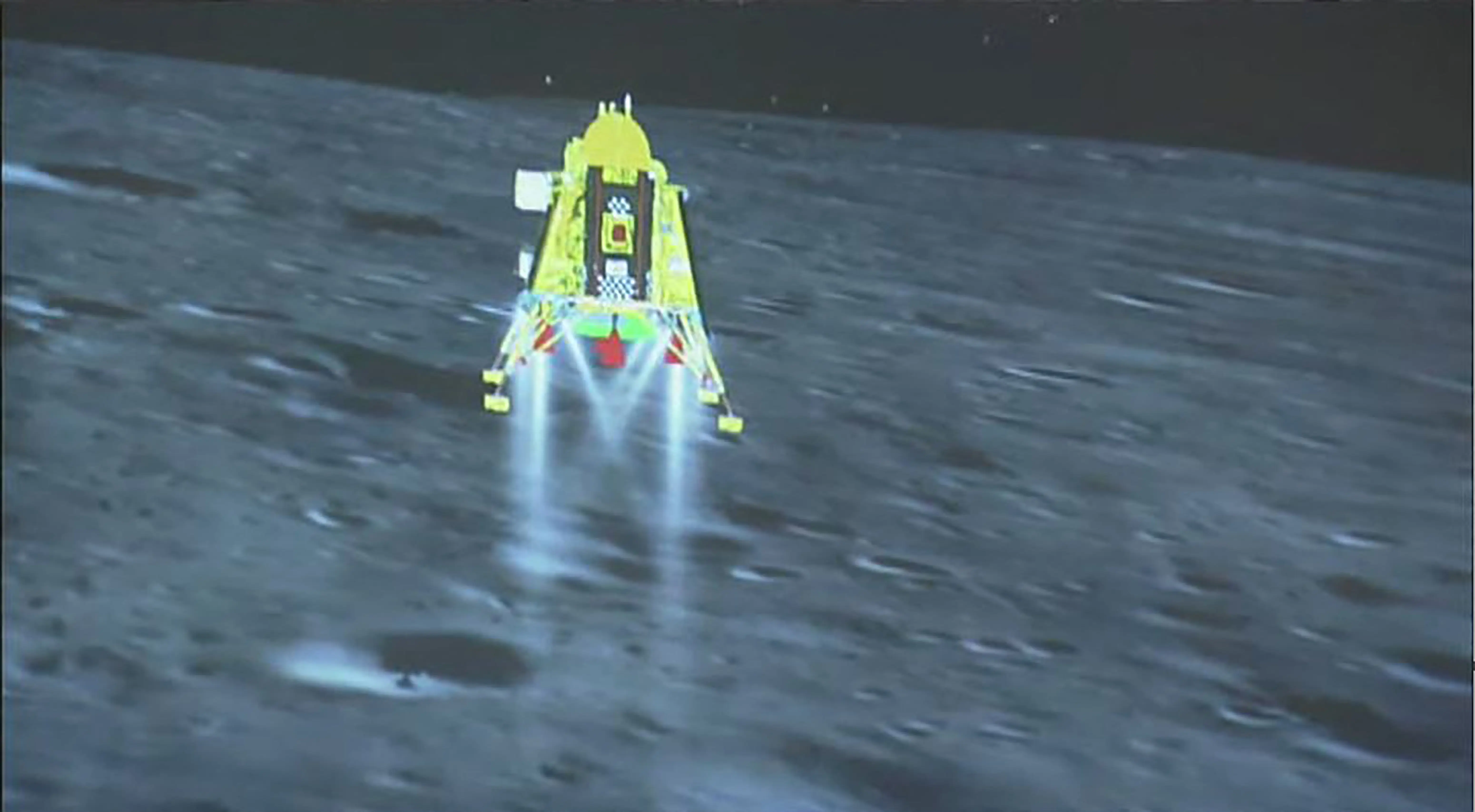
Chandrayaan Missions
The most epic mission undertaken by ISRO saw a probe landing on the Moon. Chandrayaan 1 launched in 2008 and successfully orbited the Moon. It also deployed an impactor, the Moon Impact Probe (MIP), which discovered water on the lunar body. ISRO launched Chandrayaan-2 11 years later, and aimed to put a lander on the Moon. However, it did not go as planned. Then in 2023, India launched the third Chandrayaan mission and achieved a soft landing on the Moon's south pole. India became the first country to do so. Now, ISRO is working on Chandrayaan-4, which aims to bring back lunar samples to Earth.
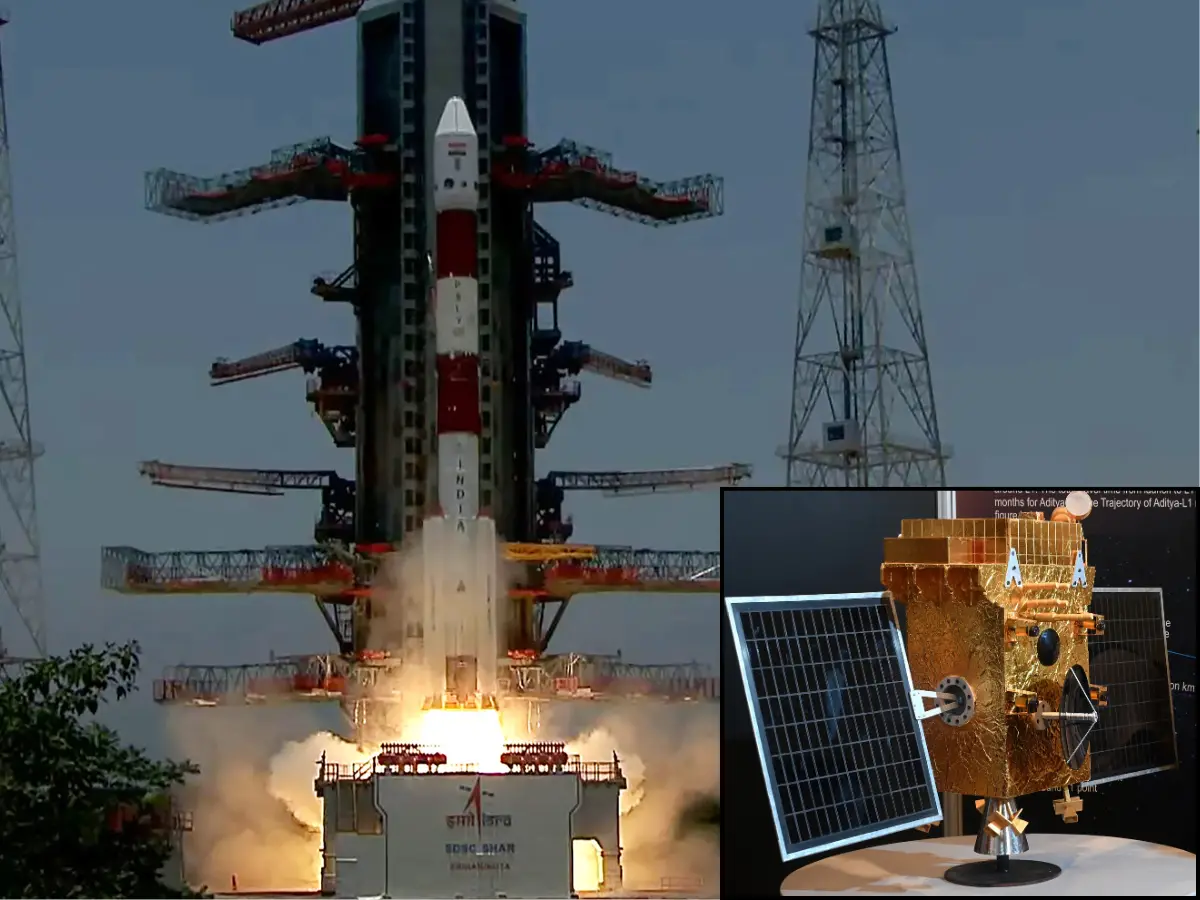
Aditya-L1: A mission to Sun
India's dedicated solar observatory was launched on September 2, 2023. ISRO planned to put Aditya-L1 at the Sun-Earth Lagrange point 1 (L1), which is around 1.5 million kilometres from Earth. It successfully achieved this on January 6, 2024. Ever since, Aditya-L1 has been regularly observing the Sun, keeping a track of solar flares and winds. It aims to understand how the Sun impacts space weather.
)

)
)
)