National Pollution Control Day 2025: Delhi, Noida, Ghaziabad— Which Indian cities recorded worst AQI? Check full list

India’s pollution ranking places Delhi at the top with hazardous air, followed by Ghaziabad and New Delhi. Several smaller towns, including Kultali, Kishanganj, Sodepur, Madhyamgram and Titagarh, also report dangerous AQI levels. Let's check all the top 8 most polluted cities.
1. Delhi: AQI 457
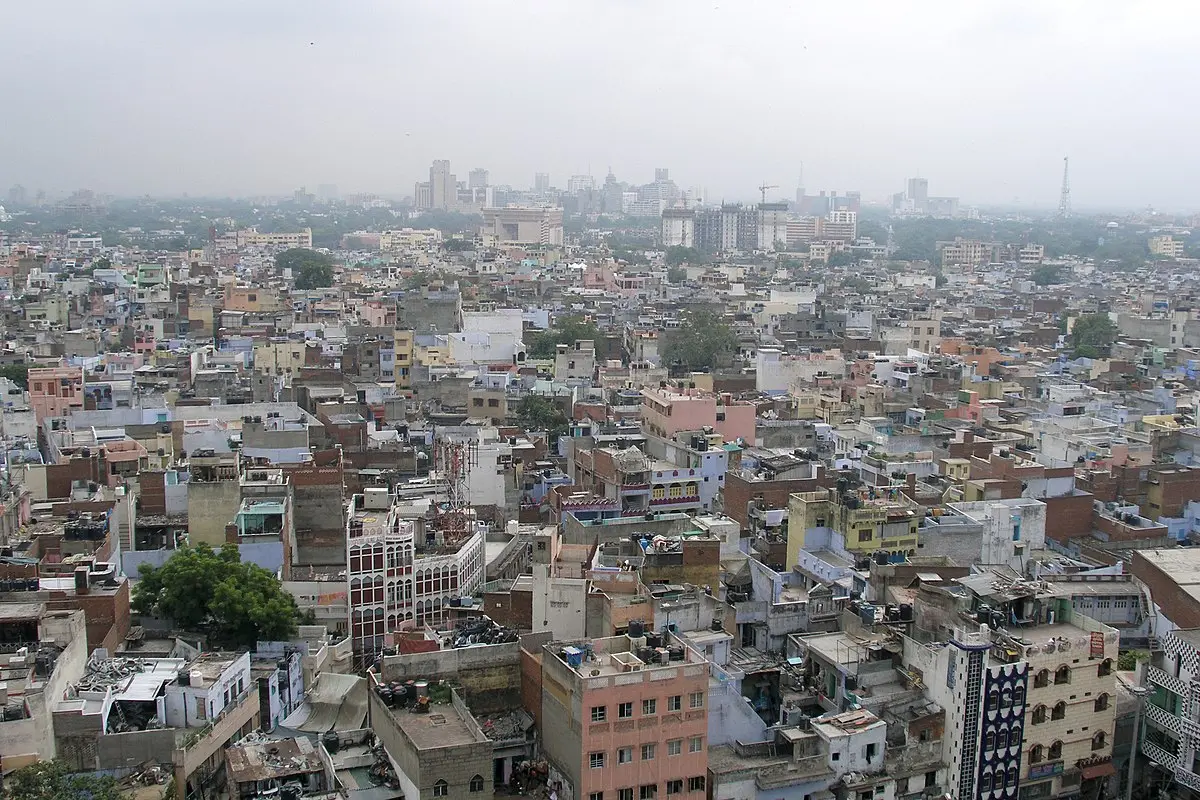
Based on the real-time data of IQ Air, Delhi tops the live pollution chart with an alarming AQI of 457, placing it in the ‘hazardous’ category. The city continues to face extreme air-quality stress driven by emissions, traffic load, stagnating winter air, and cross-border pollutants. The persistent spike underscores Delhi’s ongoing struggle with toxic smog episodes.
2. Ghaziabad: AQI 443
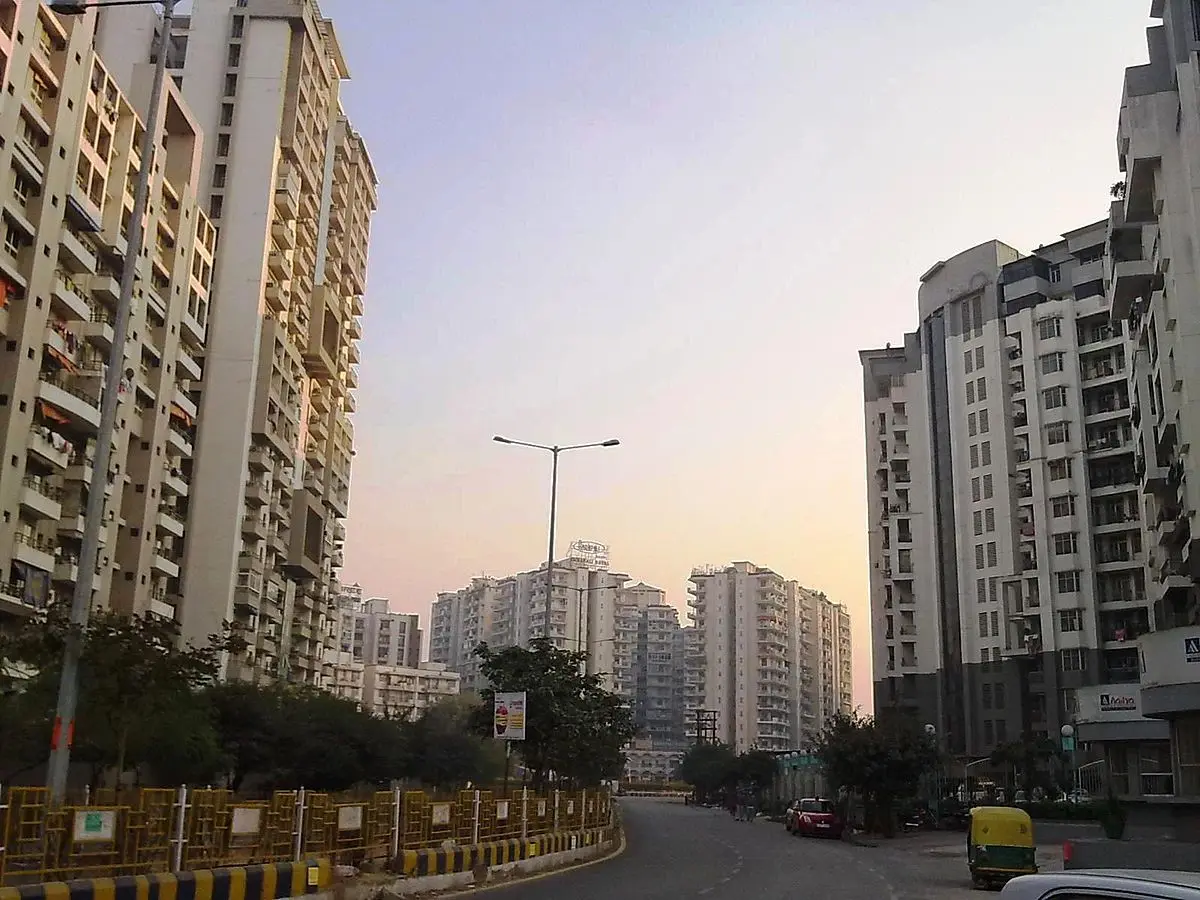
Ghaziabad records a severe AQI of 443, making it the second most polluted city in the live ranking. The city experiences dense particulate pollution, influenced by industrial clusters, vehicular emissions, and proximity to Delhi’s pollution plume. Air stagnation and construction dust intensify its already critical winter air-quality levels.
3. Noida: AQI 349
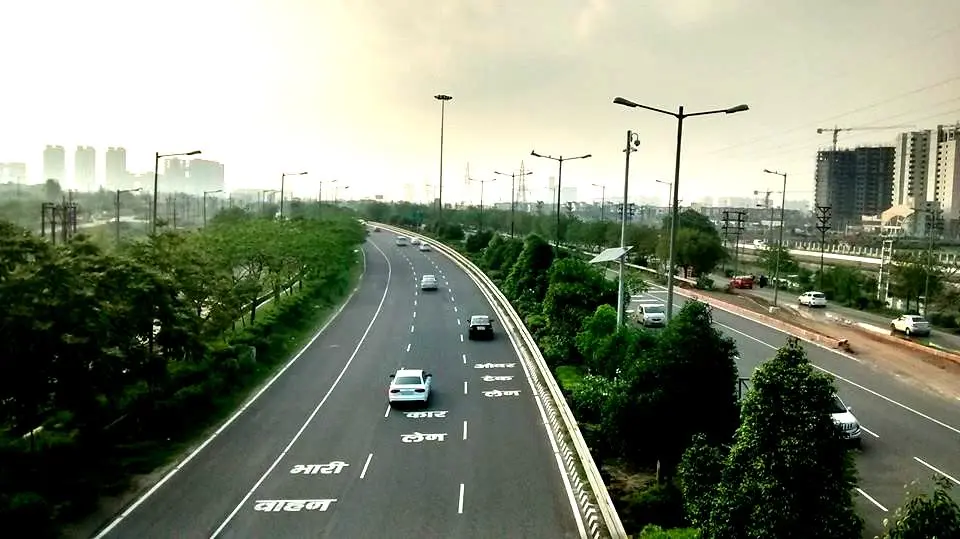
With an AQI of 349, Noida remains heavily polluted, reflecting severe winter-time air stagnation and construction-driven particulate matter. Its proximity to major traffic corridors and industrial pockets adds to pollution accumulation. The city consistently features among the NCR’s worst-hit locations during peak smog months.
4. Meerut: AQI 331
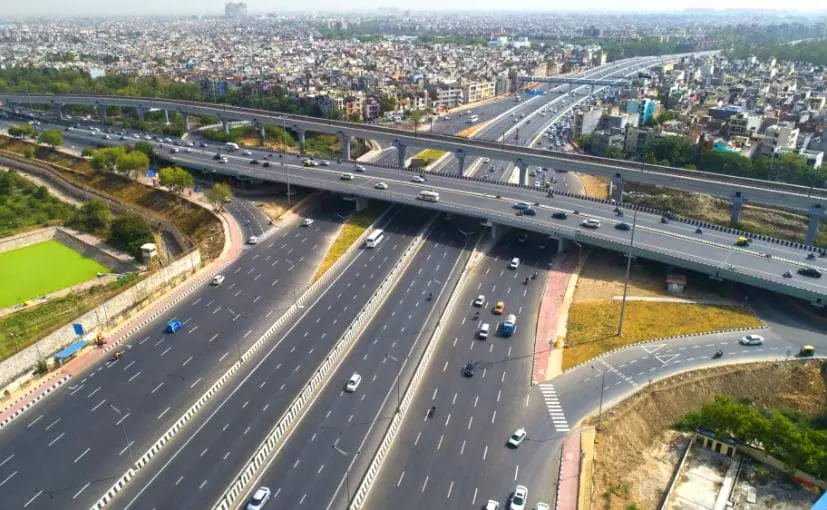
The AQI of Meerut, with 331, places the city in the ‘very poor’ category. The city battles rising particulate pollution fuelled by expanding urban activity, traffic movement, and local emissions. Its air quality often dips during winter due to limited dispersion, adding Meerut to the list of critically affected north Indian cities.
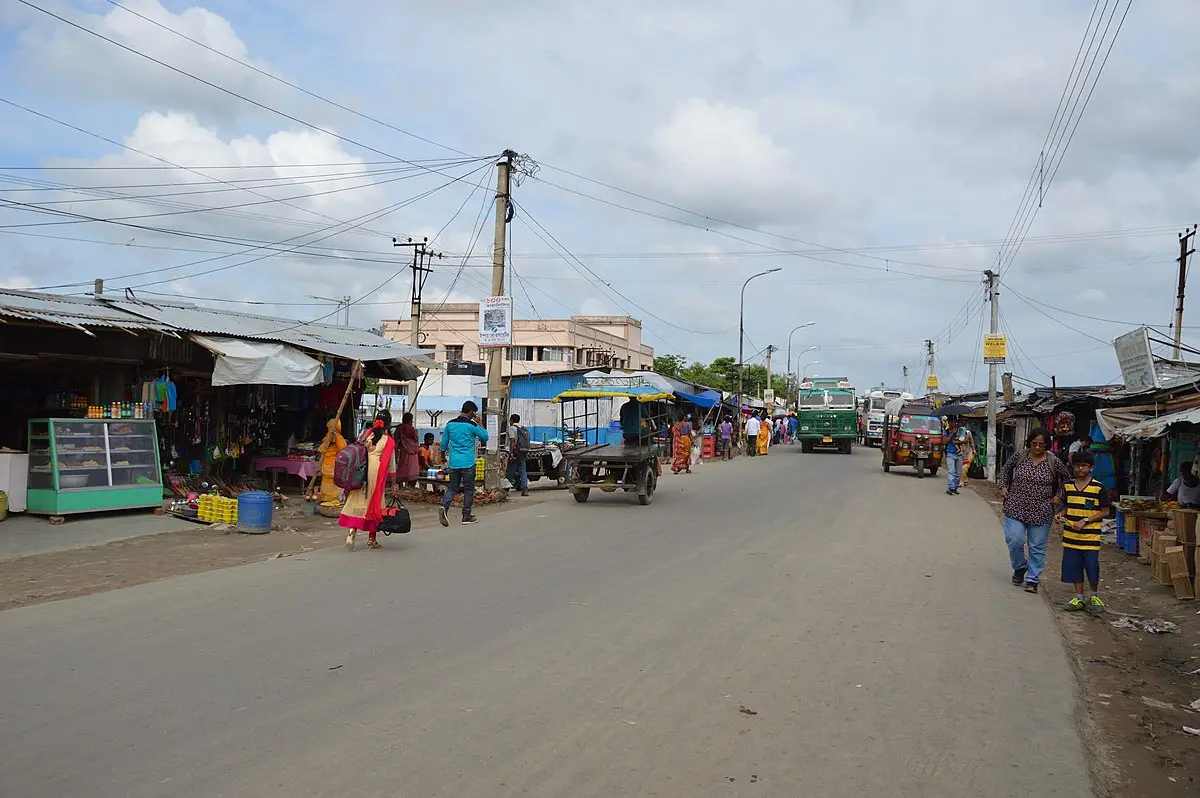
5. Kultali: AQI 313
Kultali registers an AQI of 313, indicating a significantly polluted environment. Though not a major metropolitan hub, its ranking highlights widening pollution concerns in smaller towns. The spike may be tied to regional emissions, climatic conditions, and biomass burning trends that contribute to deteriorating air quality.
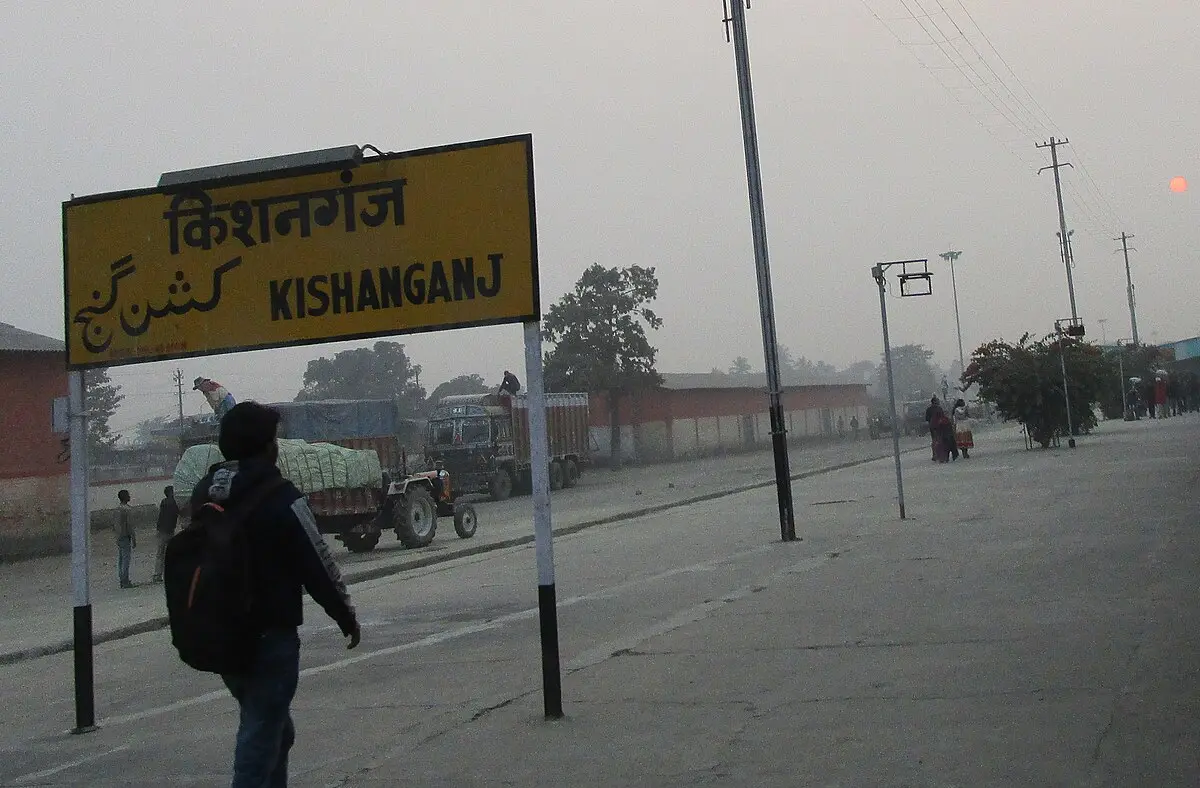
6. Kishanganj: AQI 300
Kishanganj records a hazardous AQI of 300, placing it in the ‘very poor’ category. The rise reflects spreading air-quality challenges beyond large cities. Localised emissions, regional transport of pollutants, and seasonal atmospheric behaviour continue to impact the town’s pollution levels, pushing it into India’s top 8 polluted cities list.
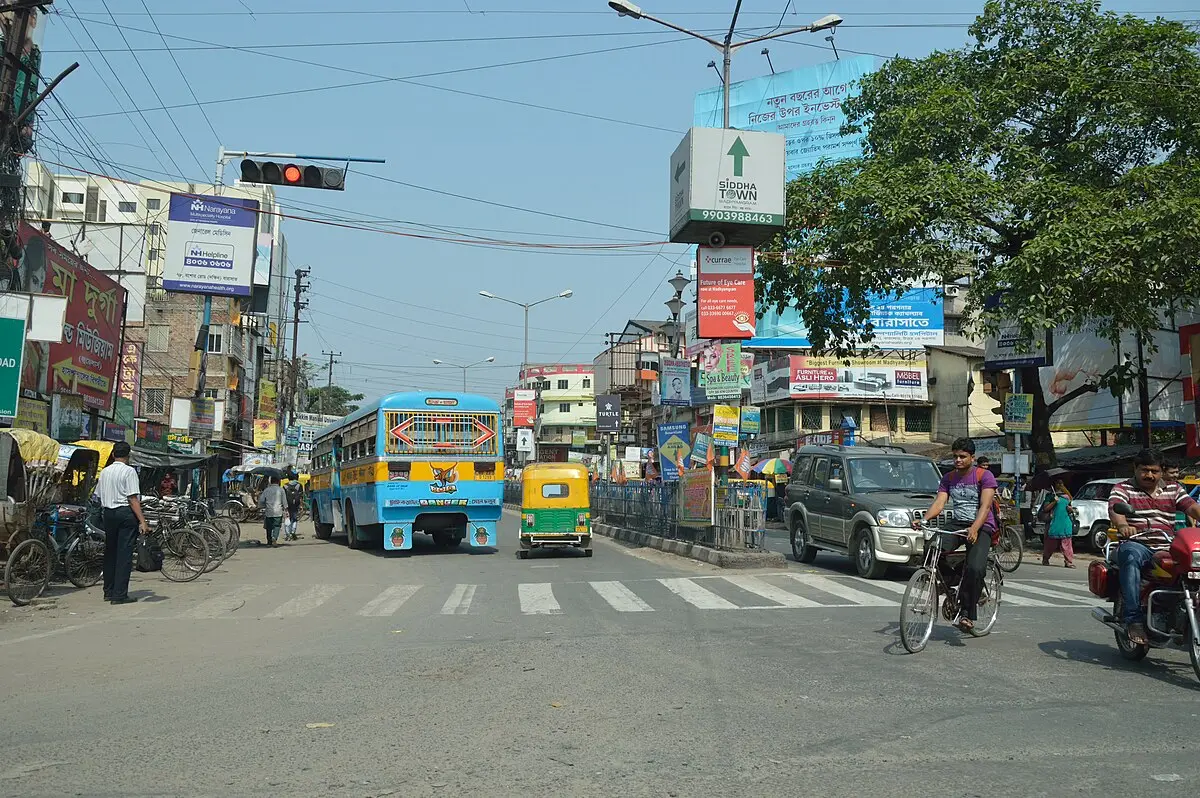
7. Sodepur: AQI 286
Sodepur posts an AQI of 286, indicating a ‘poor’ to ‘very poor’ air category. As a suburban region, its pollution load stems from daily traffic, small-scale industrial activity, and seasonal atmospheric stagnation. The ranking highlights how peripheral localities are increasingly grappling with worsening air-quality conditions.
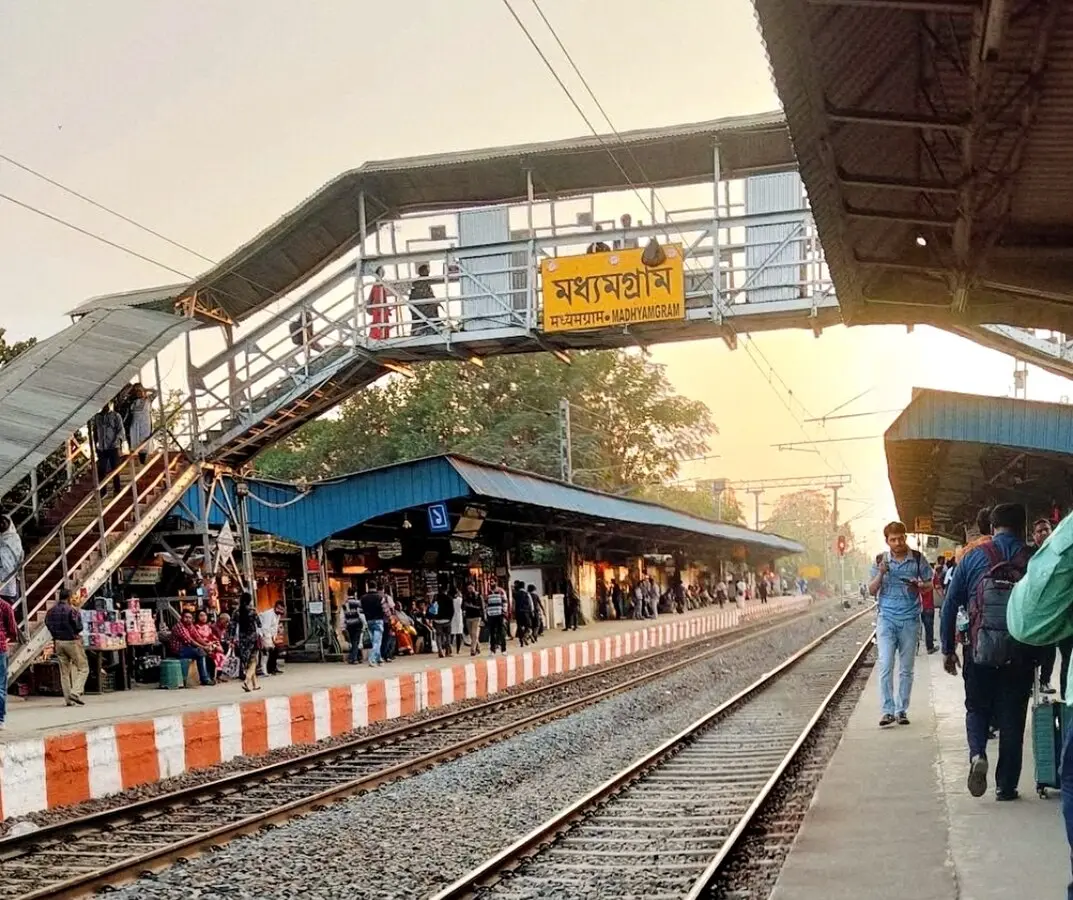
8. Madhyamgram: AQI 273
Madhyamgram records an AQI of 273, marking it among India’s most polluted cities today. Growing urbanisation, road congestion, and dispersed emissions contribute to its rising particulate concentration. Though lower than Delhi-NCR levels, the reading reflects a concerning trend of deteriorating air quality across eastern India.
)
)
)
)
)