Most beautiful Galaxies ever captured by NASA telescopes: See pics

NASA's telescopes, particularly the Hubble Telescope and the James Webb Space Telescope, have captured some stunning pictures of galaxies over the years. Here is a curated list of the most beautiful pictures ever captured by NASA.
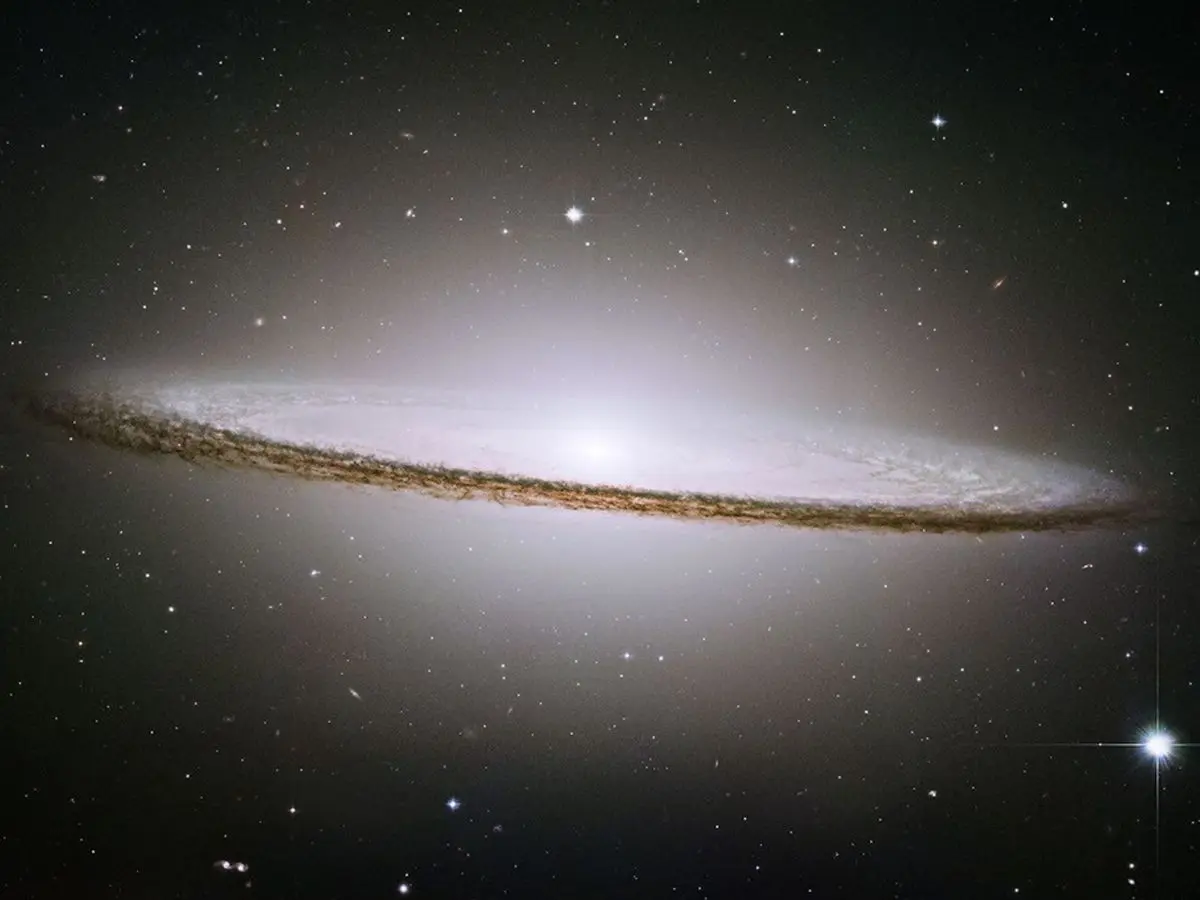
Sombrero Galaxy
The galaxy features a white, bulbous core, encircled by a thick dust lane. The galaxy is also known as Messier 104 (M104), is called the Sombrero because it resembles the broad rim and high-topped Mexican hat.
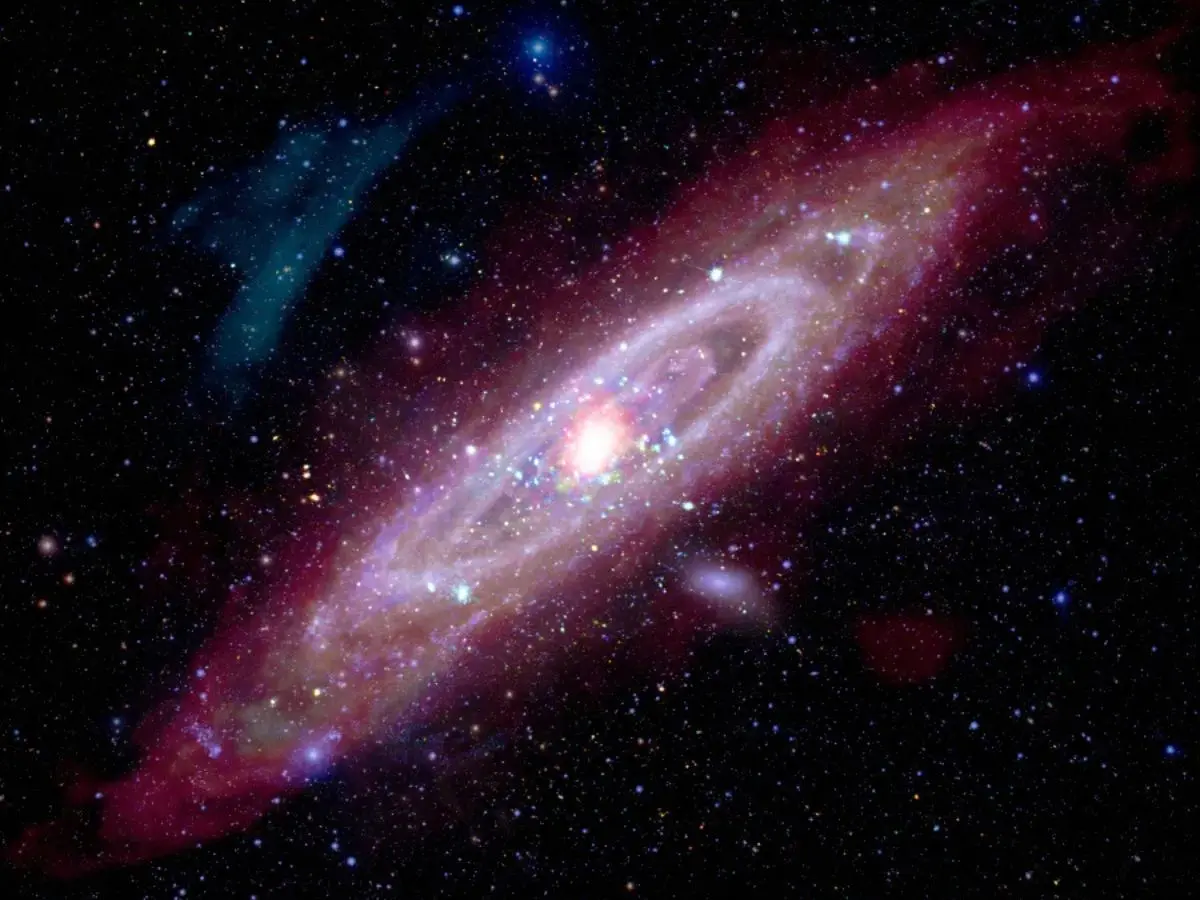
Andromeda Galaxy (M31)
Andromeda is the nearest Galaxy to the Milky Way. It is 2.5 million light-years away from Earth. Like the Milky Way, it is a barred spiral galaxy, so-called for the bar-like structure formed by the stars in its centre.
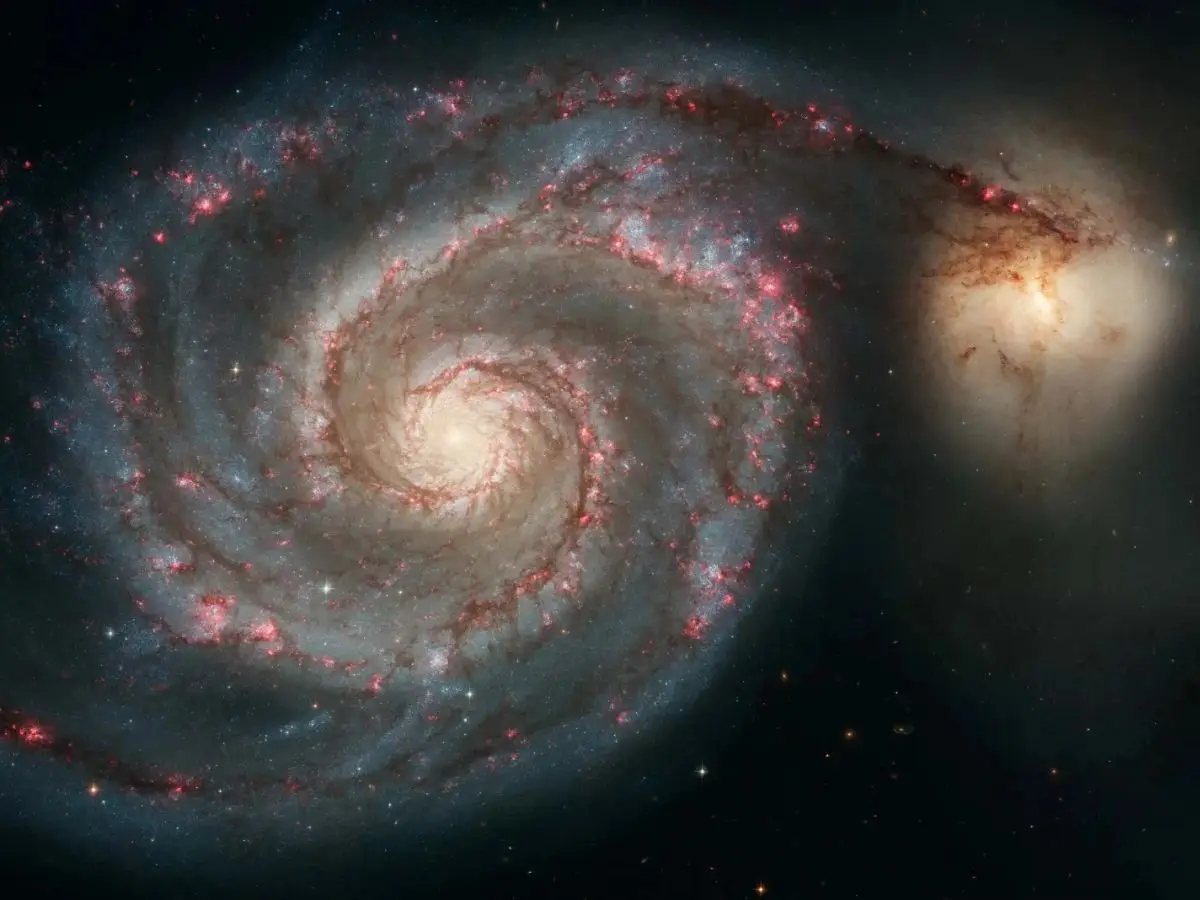
Whirlpool Galaxy
Also known as M51, the Whirlpool Galaxy is like a grand spiral staircase, sweeping through space with two distinct arms at two ends and in a close encounter with NGC 5195, the small, yellowish galaxy at the outermost tip of one of the arms
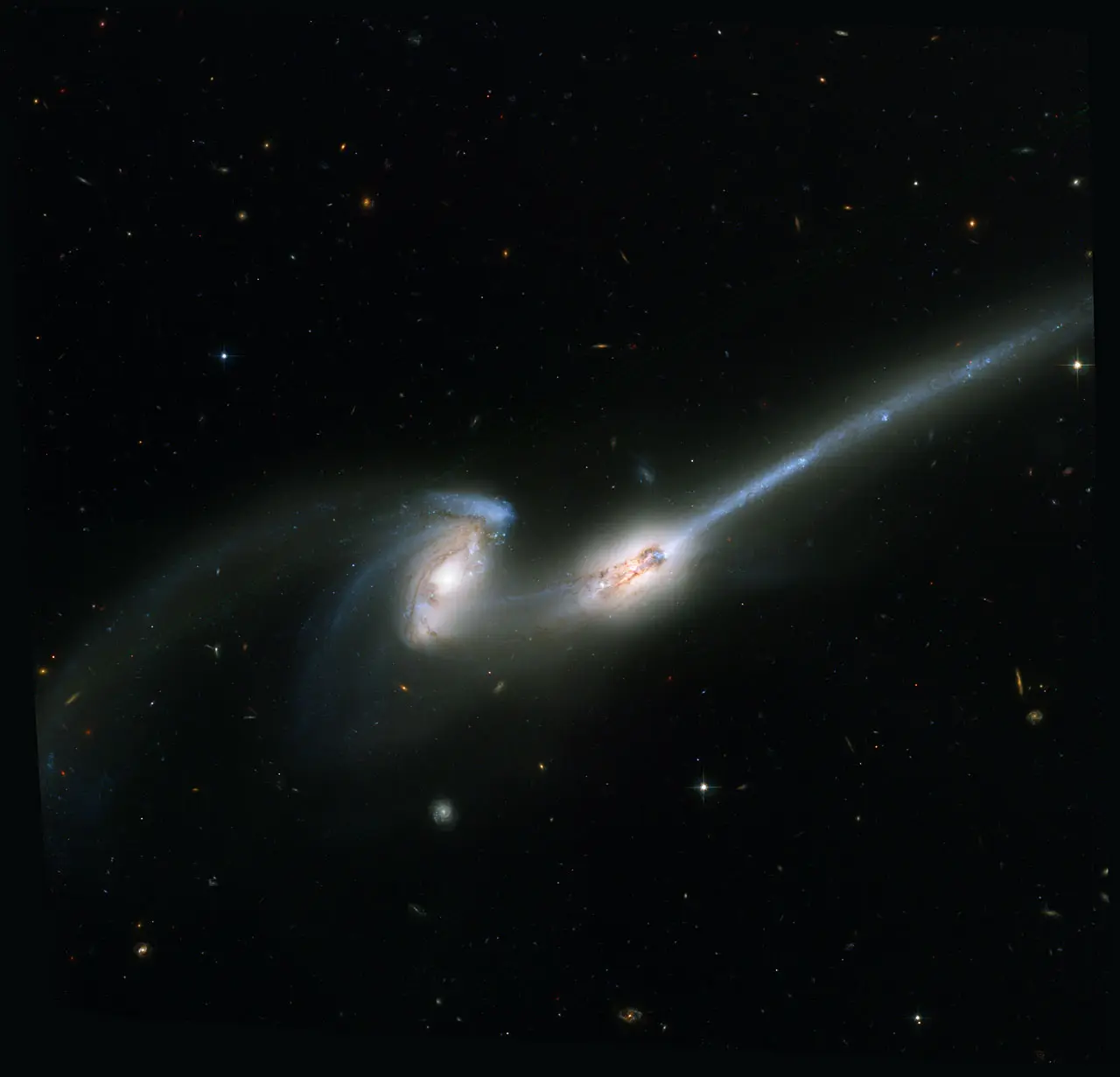
The Mice
Otherwise known as NGC 4676, located 300 million light-years away in the constellation Coma Berenices, two galaxies are engaged in a celestial dance like the cat and mouse. For this case, mouse and mouse. They have been nicknamed "The Mice" because of the long tails of stars and gas emanating from each galaxy.
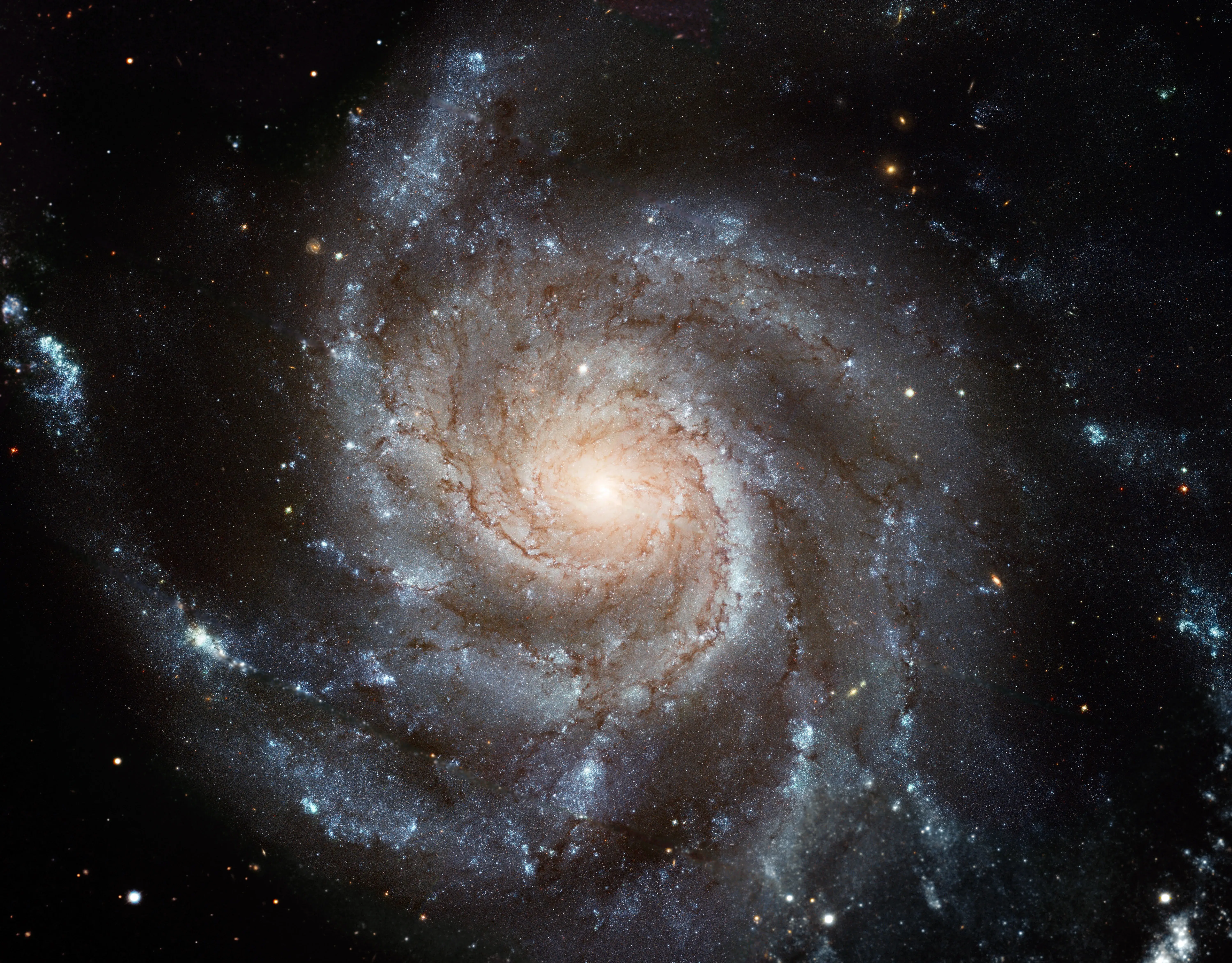
Pinwheel Galaxy
Nearly twice the size of our Milky Way, it is 170,000 light-years across the Milky Way. The giant spiral disk of stars, dust, and gas, is estimated to contain at least one trillion stars.
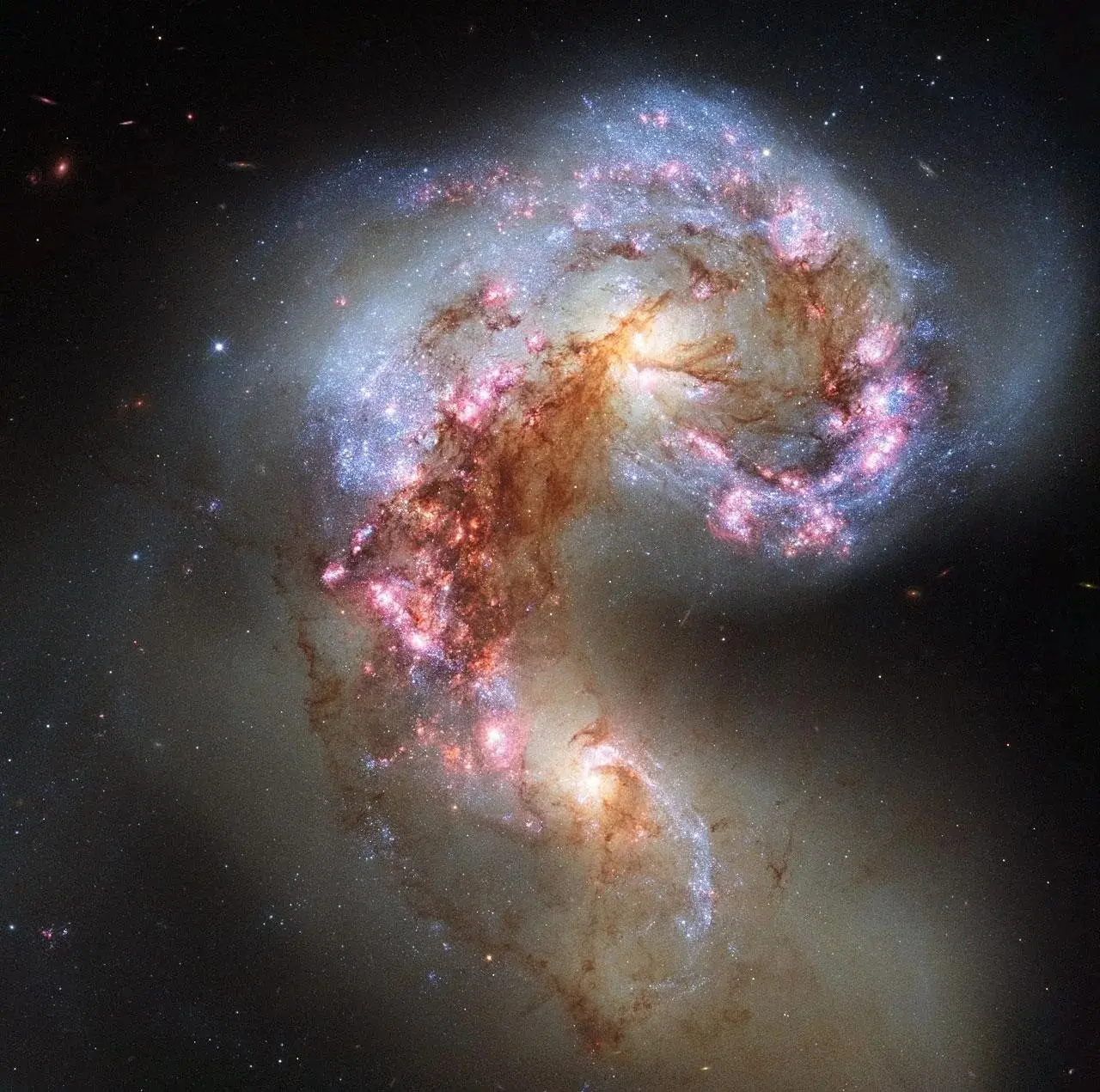
Antennae Galaxies
Also known as Caldwell 60 and 61 are a pair of interacting galaxies. These galactic pairs were, at times, normal, like the Milky Way. These two have spent the past few hundred million years sparring. This violent clash has ripped stars from their host galaxies to form a streaming arc between the two combatants
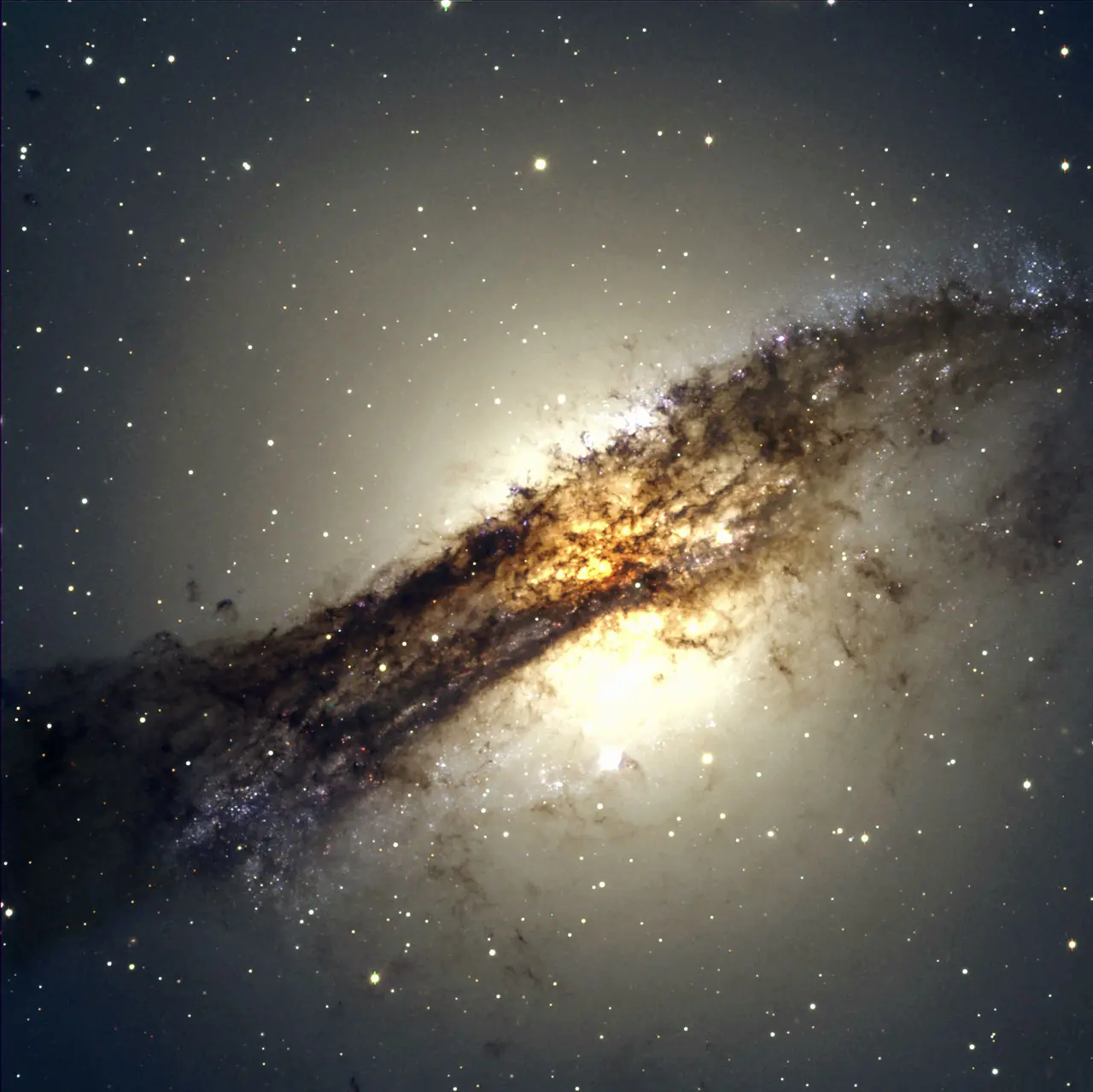
Centaurus A
The clusters of dark, imposing and dust lanes is apparently the result of a collision between two otherwise normal galaxies. Near the galaxy's center, leftover cosmic debris is steadily being consumed by a central supermassive black hole.
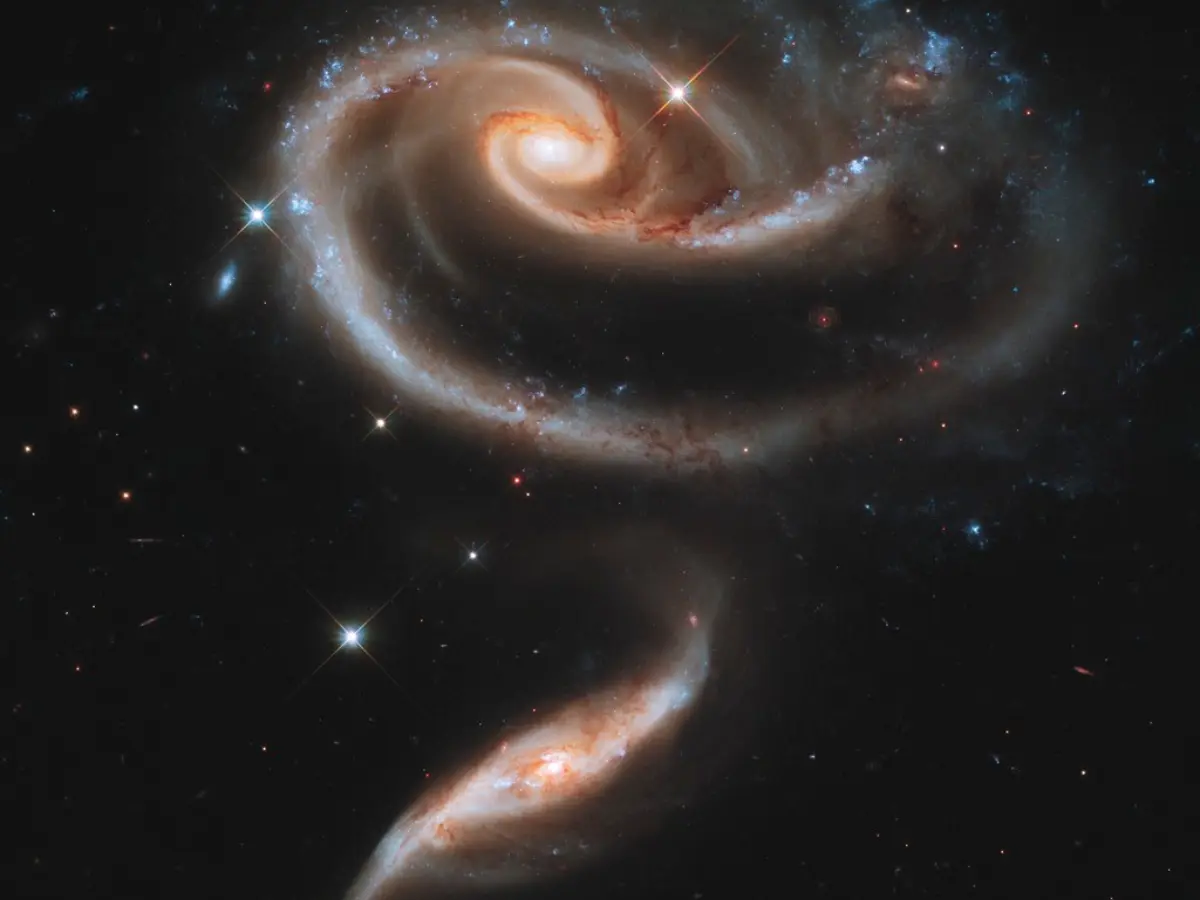
The Rose
Arp 273, known for its rose-like structure, is a pair of galaxies, one larger than the other. The distorted shape of the larger of the two galaxies shows signs of tidal interactions with the smaller of the two. It is thought that the smaller galaxy has actually passed through the larger one.
)
)
)
)
)