Hubble turns 35: 7 stunning cosmic photos clicked by the NASA space telescope

Authored By Anamica Singh
Published: Apr 16, 2025, 10:11 IST | Updated: Apr 16, 2025, 10:11 IST
NASA's Hubble Space Telescope will soon celebrate the 35th anniversary of its launch. It was sent into space on April 24, 1990. Photos | Trending
1 / 7
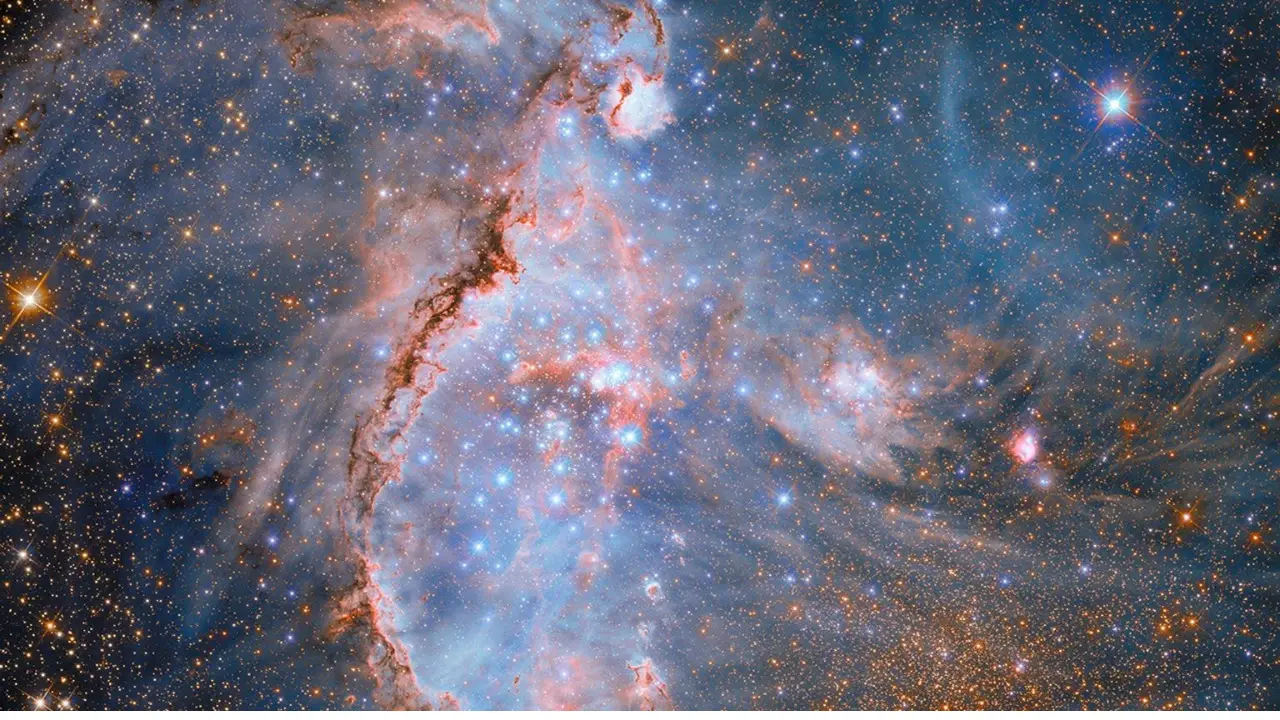
Star cluster NGC 346
The European Space Agency (ESA) recently shared a photo of the dazzling young star cluster NGC 346. This vibrant star-forming factory lies in the Small Magellanic Cloud, a satellite galaxy of the Milky Way located 200,000 light-years away in the constellation Tucana.
2 / 7
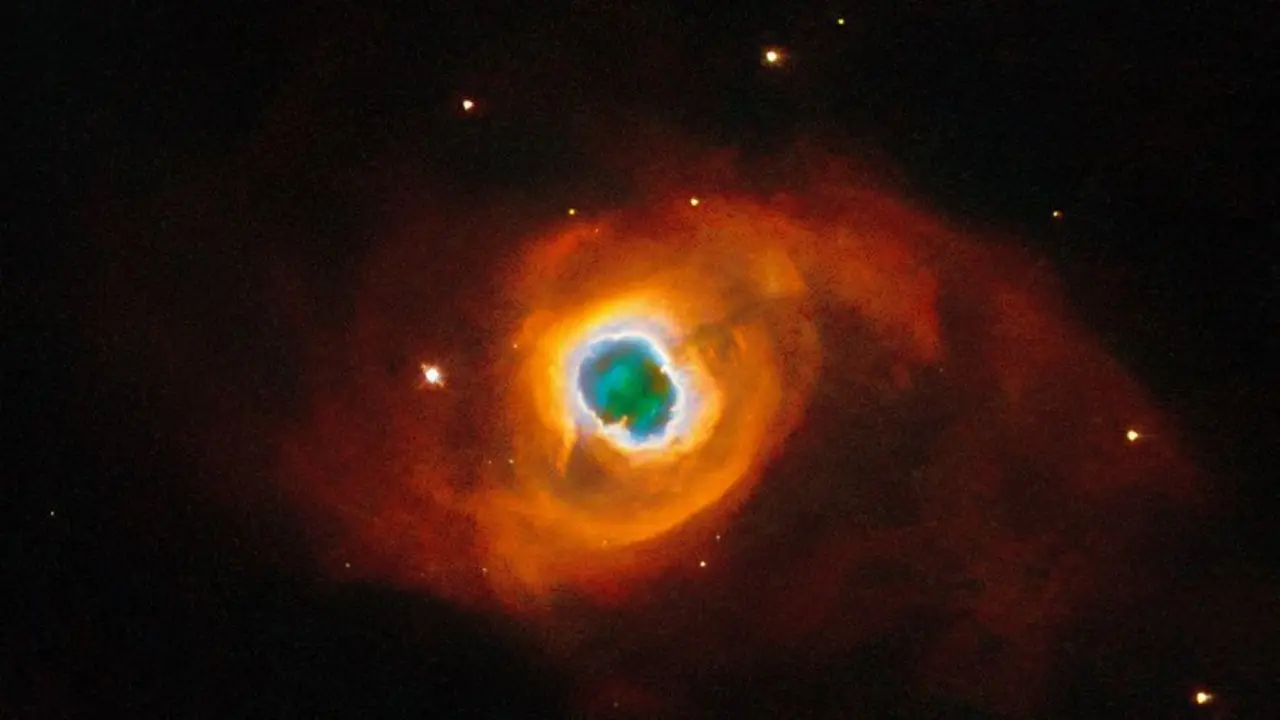
Kohoutek 4-55 nebula
This NASA/ESA Hubble Space Telescope image looks like a portal to another world, but it shows clouds of ionised atoms thrown into space by a dying star. This is a planetary nebula named Kohoutek 4-55, ESA said, and was spotted in the Milky Way galaxy 4,600 light-years away in the constellation Cygnus (the Swan).
3 / 7
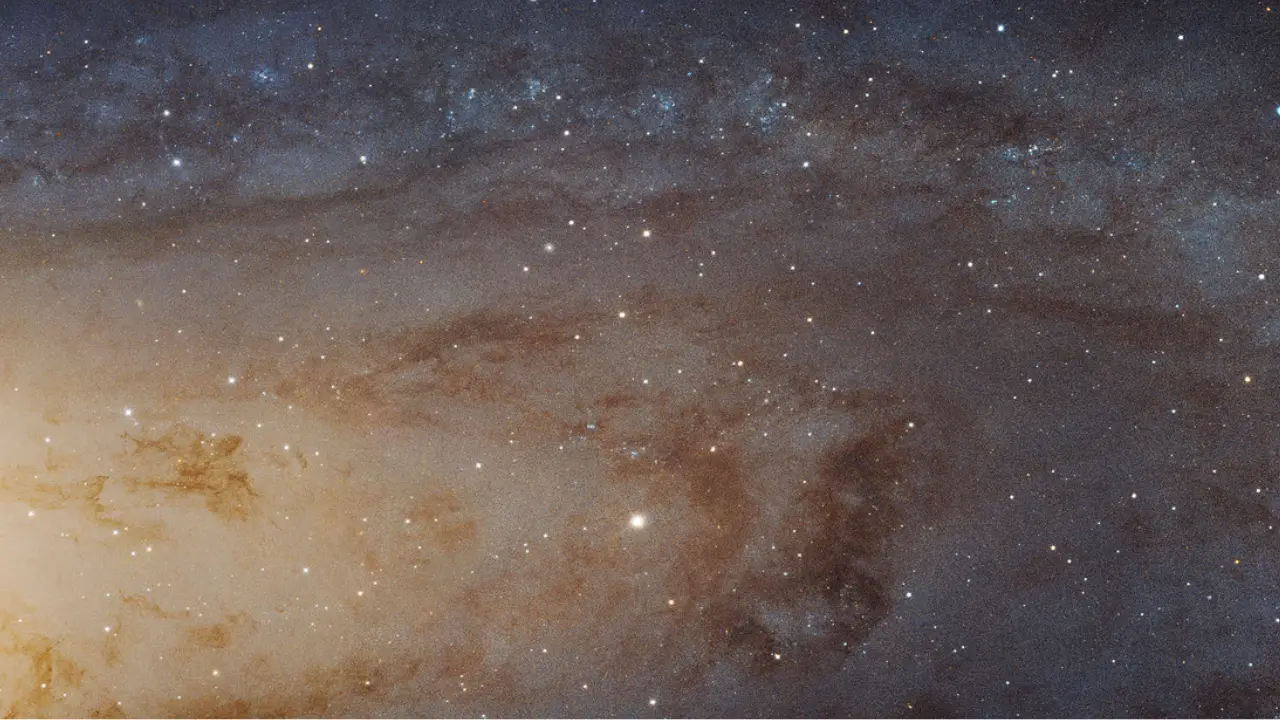
Andromeda galaxy
In its 25th year, the several parts of Hubble photos were put together to create a bird's-eye view of a portion of the Andromeda galaxy. This was the sharpest large composite image taken of our neighbouring galaxy, which is gearing up to clash with the Milky Way.
4 / 7
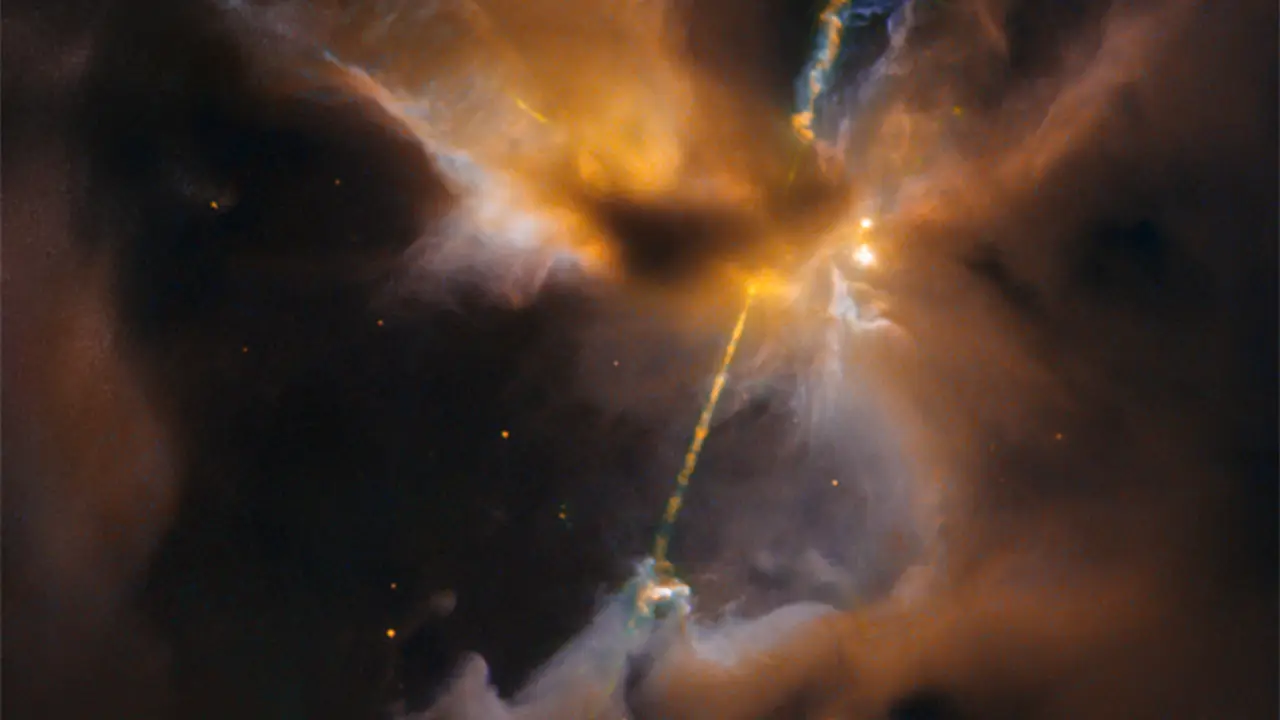
'Lightsaber' newborn star
In its 26th year, Hubble clicked a newborn star shooting twin jets out into space. This turbulent starbirth region is known as the Orion B molecular cloud complex, located about 1,350 light-years away. NASA described the photo as a celestial "lightsaber".
5 / 7
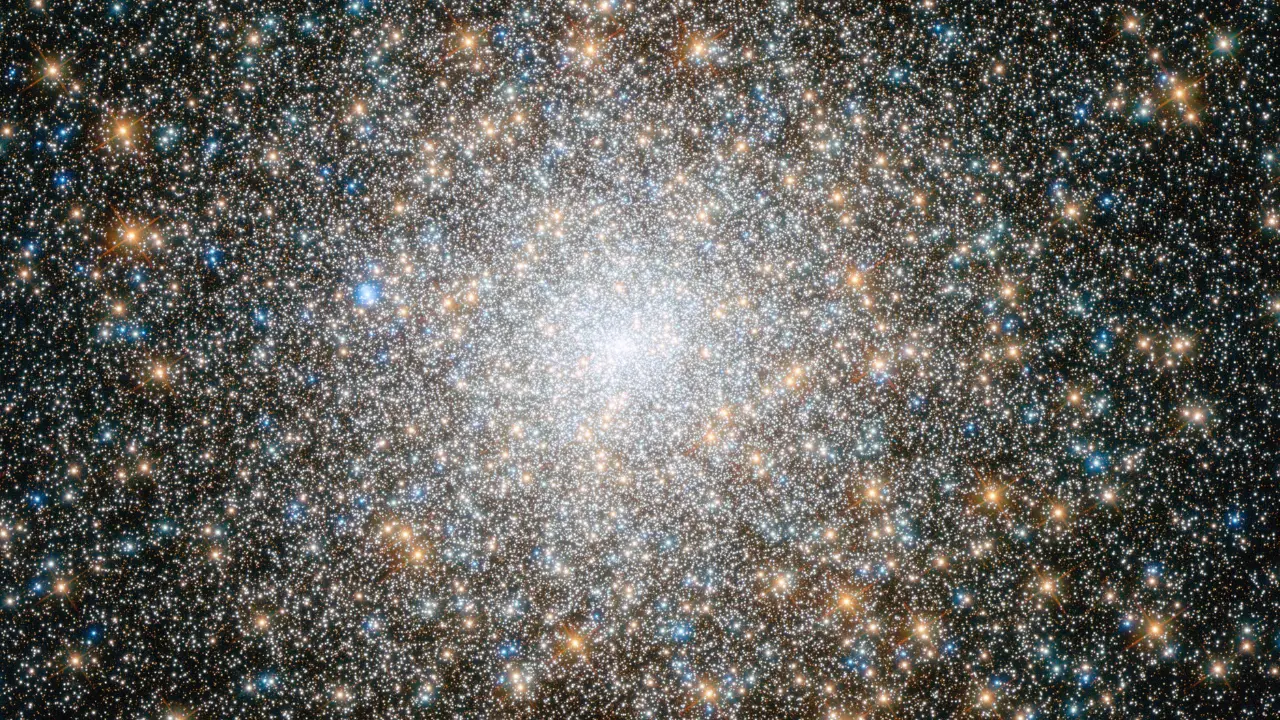
Globular cluster M15
This photo shows the globular cluster M15, a spectacular swarm of stars. Located some 35,000 light-years away in the constellation of Pegasus (The Winged Horse), it is one of the densest globular clusters ever discovered.
6 / 7
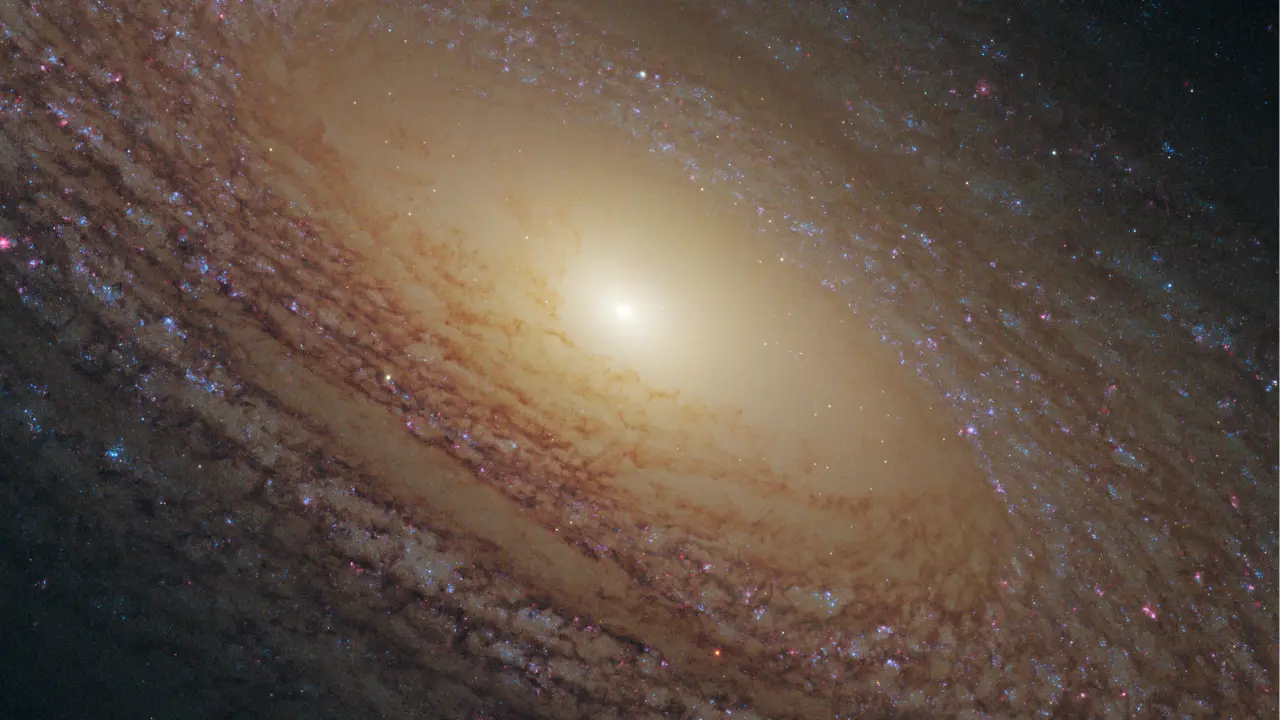
Spiral galaxy NGC 2841
This is a spiral galaxy that Hubble snapped in its 22nd year. NGC 2841 is a spiral galaxy that resides 46 million light-years away in the constellation Ursa Major. The photo shows dust lanes and a population of whitish middle-aged stars.
7 / 7
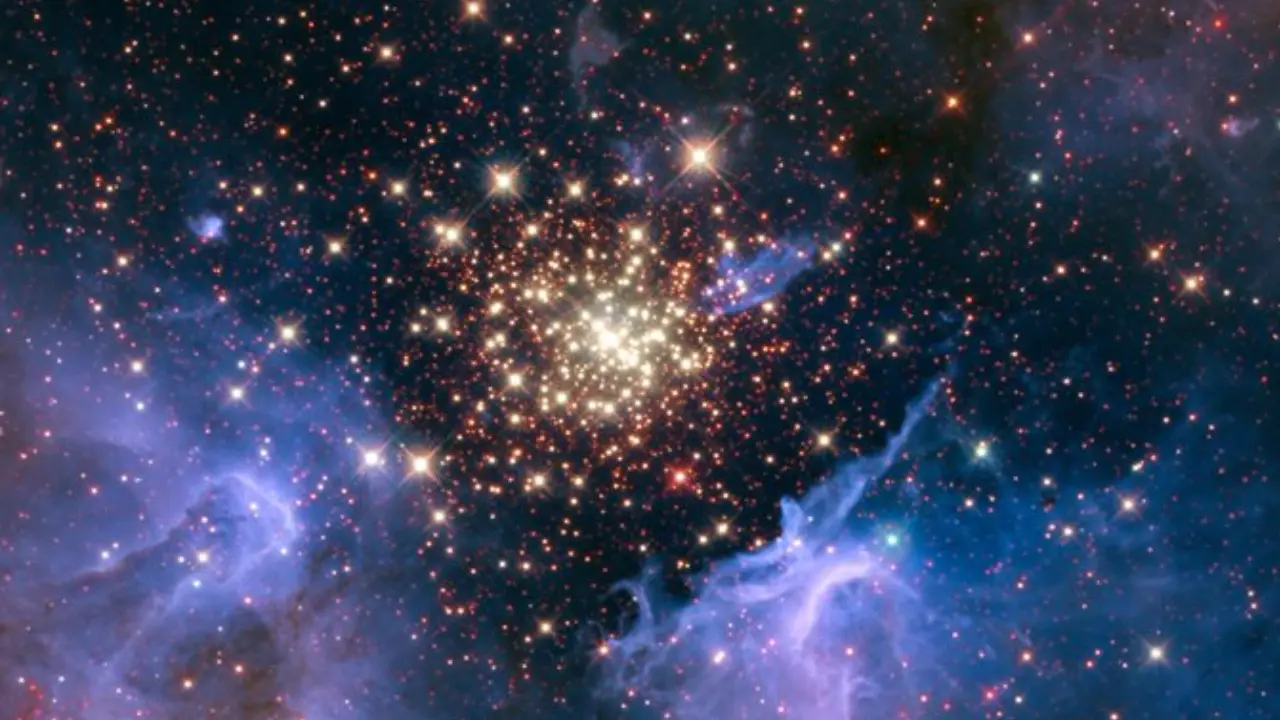
Starburst Cluster NGC 3603
This photo shows a young cluster of stars surrounded by interstellar gas and dust. The nebula is located 20,000 light-years away in the constellation Carina. NGC 3603 contains some of the most massive stars known.
)
)
)
)
)