NASA's X‑59 'son of Concorde' achieves major milestone before the jet's maiden flight

The X‑59 “son of Concorde”, NASA’s experimental plane, recently achieved a major milestone when it successfully performed its first low‑speed taxi under its own power. NASA is trying to cut down on travel times considerably with the plane without the noise of a supersonic aircraft.
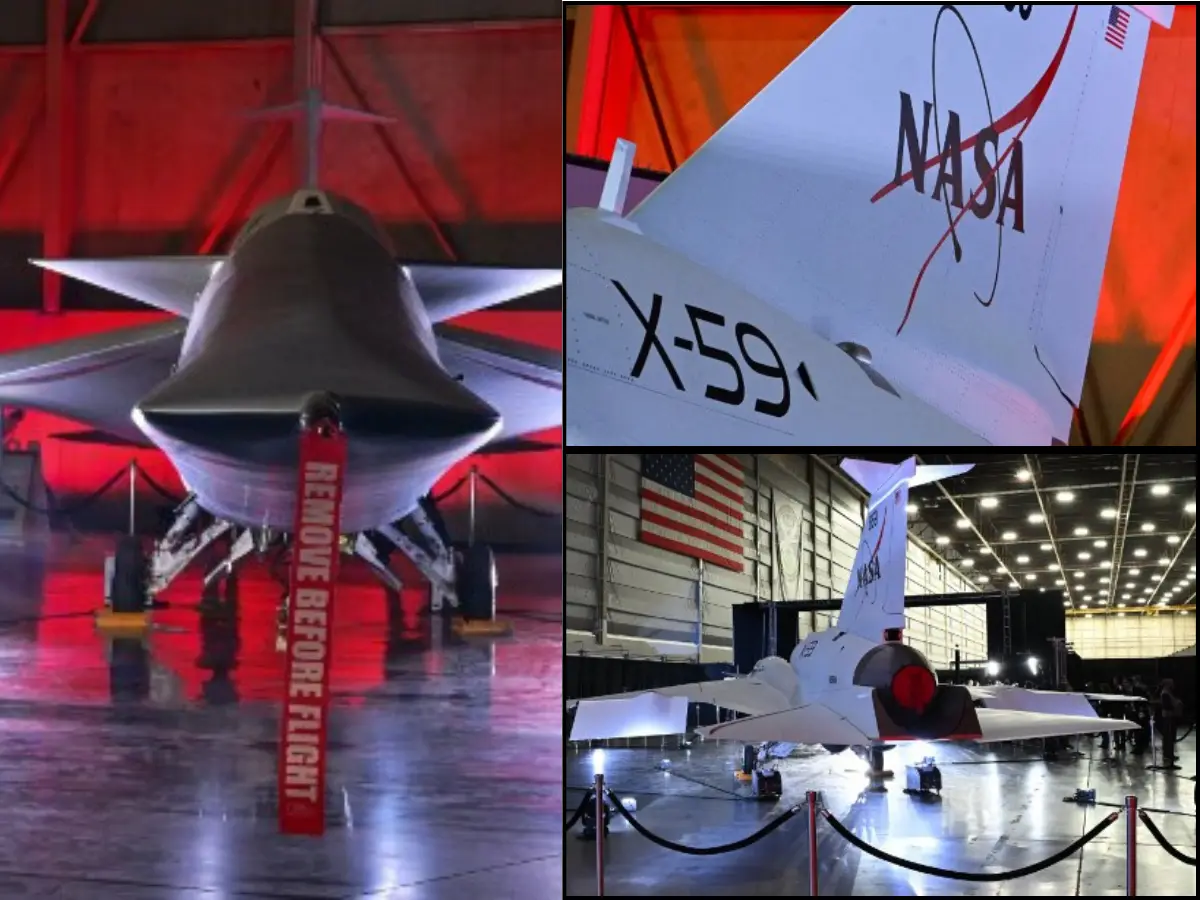
NASA's X‑59 “son of Concorde” takes major leap
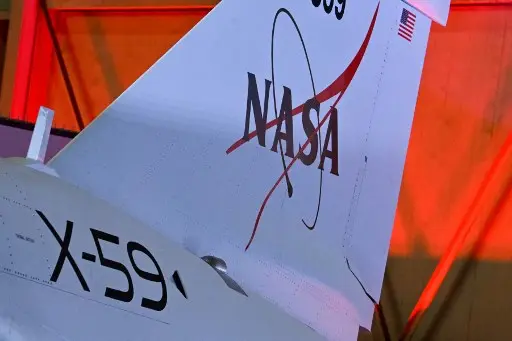
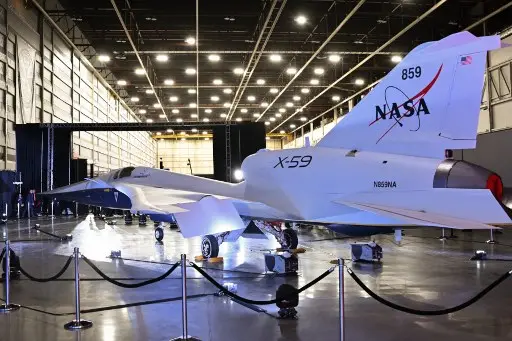
NASA’s experimental X‑59 “son of Concorde” took a major step when it successfully performed its first low‑speed taxi under its own power on July 10, 2025, at Plant 42 in Palmdale, California. Piloted by Nils Larson, this milestone marks the final ground testing phase before the jet's maiden flight, planned for later this year. At the US Air Force’s Plant 42 in Palmdale, the X-59 undertook the final series of trials. The 100-foot-long, 30-foot-wide jet is set to take its maiden voyage this year, according to NASA.
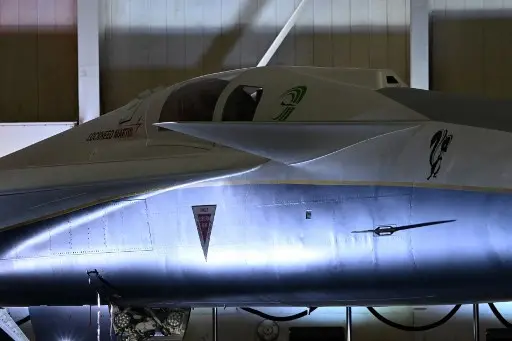
X‑59 began with a slow ramp taxi
The X‑59, unveiled by NASA and Lockheed Martin last year, began with a slow ramp taxi, followed by runway taxiing reaching roughly 25 knots (≈29 mph), validating braking, steering, vision systems, and overall handling.
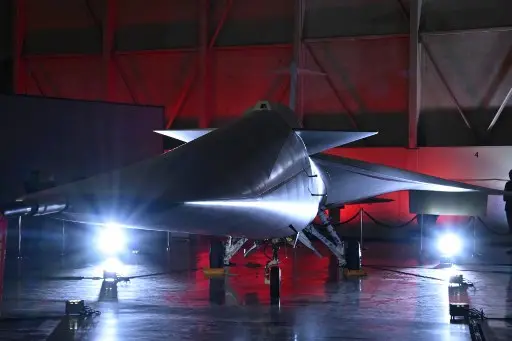
X-59 will soon undergo higher-speed taxi tests
The space agency officials said in a press release, “Over the coming weeks, the aircraft will gradually increase its speed, leading up to a high-speed taxi test that will take the aircraft just short of the point where it would take off." The speed will be progressively increased to about 50, 75, and about 100 knots, and culminate in high-speed taxi tests approaching liftoff speed.
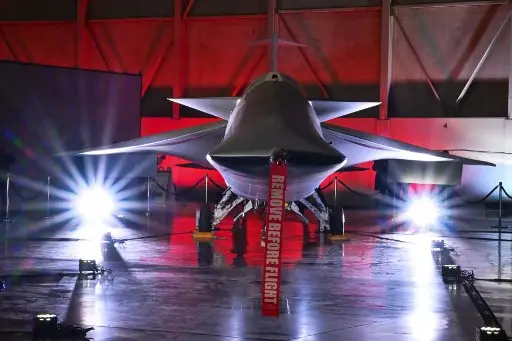
Thin-nose design results in a muted thump
What makes it go at those speeds is its distinctive 100-ft-long, thin-nose design. It is engineered to break the sound barrier without the disruptive sonic boom. It has a muted “thump” instead, which boosts chances for overland supersonic flight. Capable of speeds up to Mach 1.4 (~925 mph), the X‑59 could cut the New York–London journey to roughly 3½ hours, almost half the current time.
Supersonic flights are banned in many countries
The US and some other countries have banned supersonic flights for almost 50 years because of the thunderous sound these planes make when they exceed the speed of sound, at about 767 miles per hour.
NASA working on quieter sonic boom
The high-tech plane is the highlight of the space agency’s QueSST mission. NASA is trying to produce a quieter sonic boom and revolutionise air travel.
)
)
)
)
)