NASA to create its own Big Bang for Voyager 1 as another instrument is shut down

Voyager 1 has only about one year of life left, as its mission is threatened by a drop in power. NASA has shut down another instrument on the spacecraft to prolong its life. But it is the Big Bang that is expected to give it a major push. Details here.
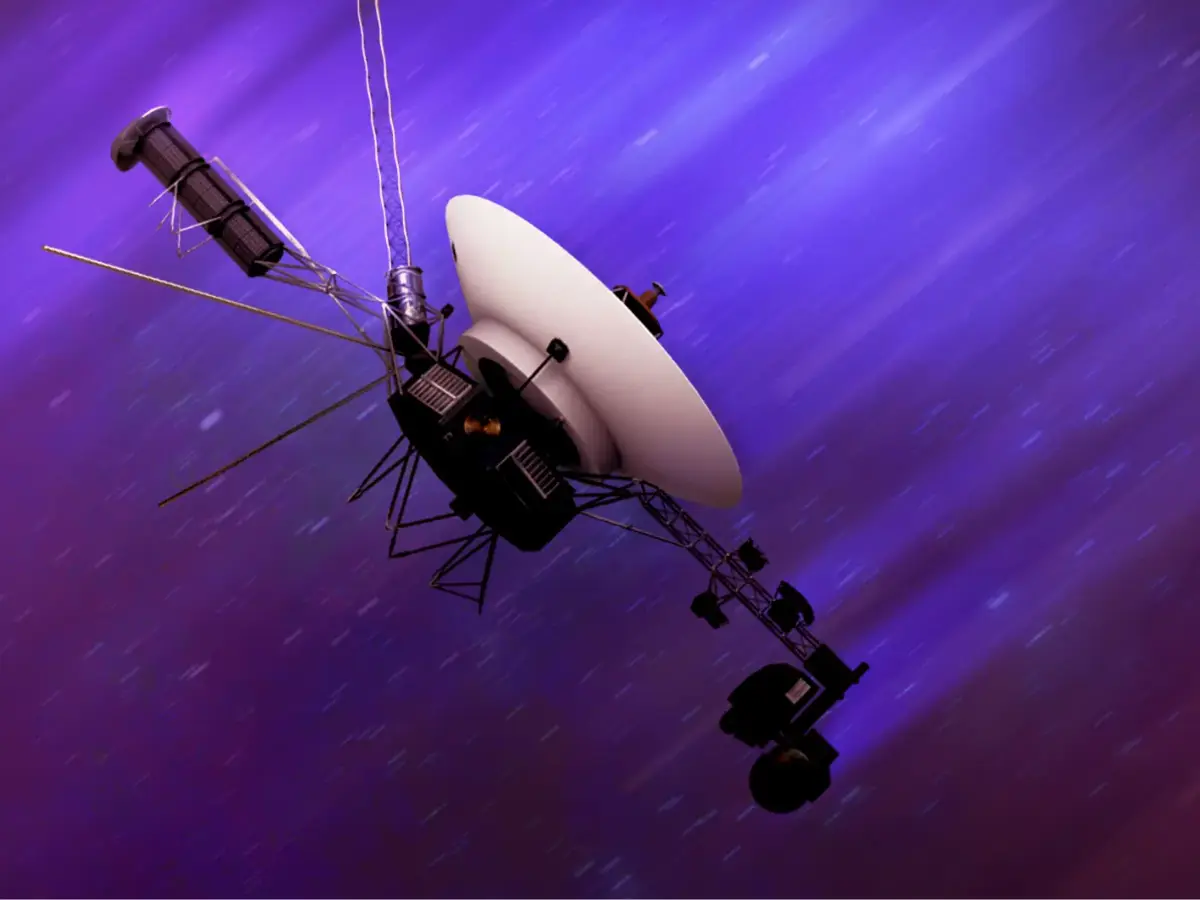
Another Voyager 1 instrument is switched off
NASA has switched off another instrument on the Voyager 1 spacecraft to prolong the life of the scientific mission that someday hopes to encounter another world. The move will help it stay alive until the Big Bang moment; this one will be orchestrated by NASA. It will help the Voyager probes remain alive for a longer time and is expected to be carried out later this year.
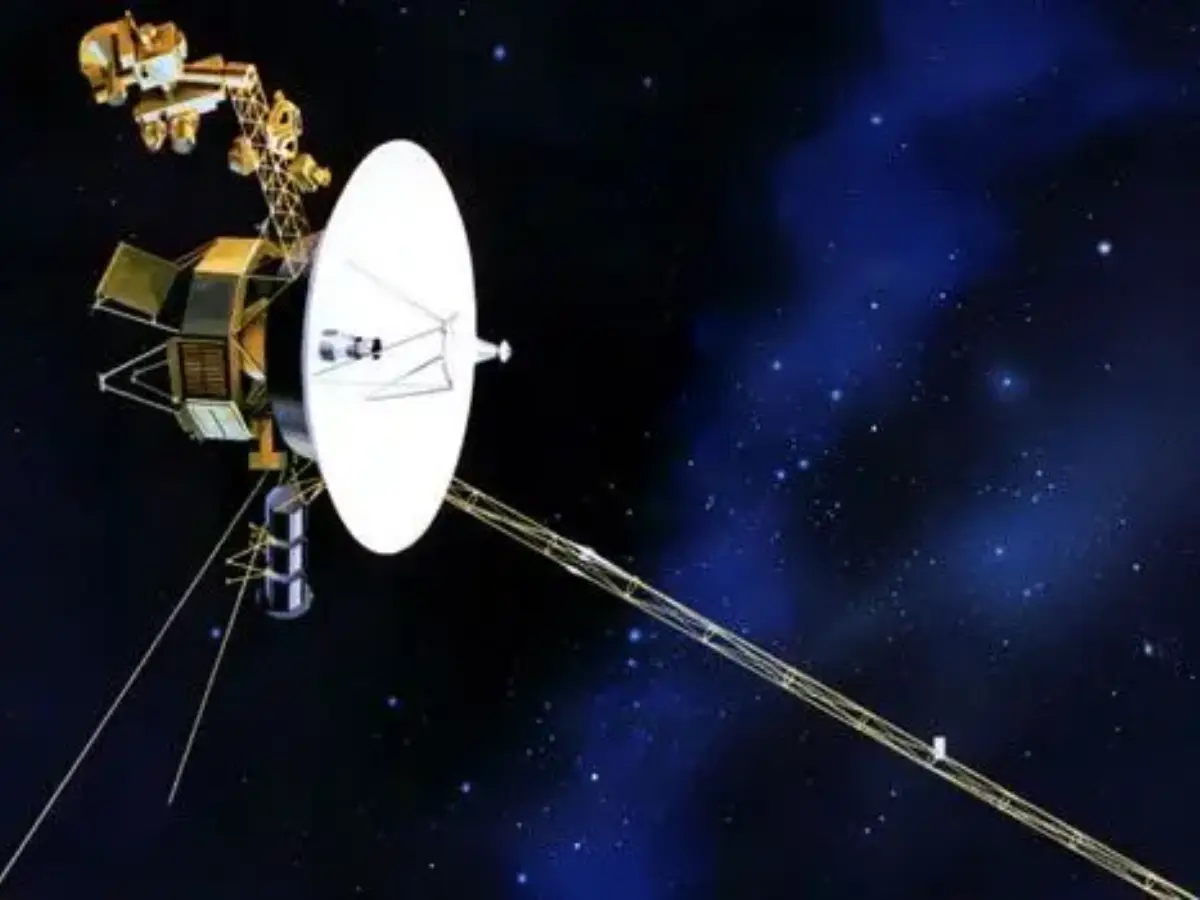
Voyager 1 is running low on power
Saving power on the most distant human probe in space is crucial if scientists hope to keep learning more about the world outside our solar system. The Voyage probes have already lasted way longer than their expected lifespan. On April 17, engineers at NASA sent out a command to shut down the Low-Energy Charged Particle (LECP) experiment on Voyager 1. This instrument has helped the spacecraft look at ions, electrons and cosmic rays surrounding the spacecraft.
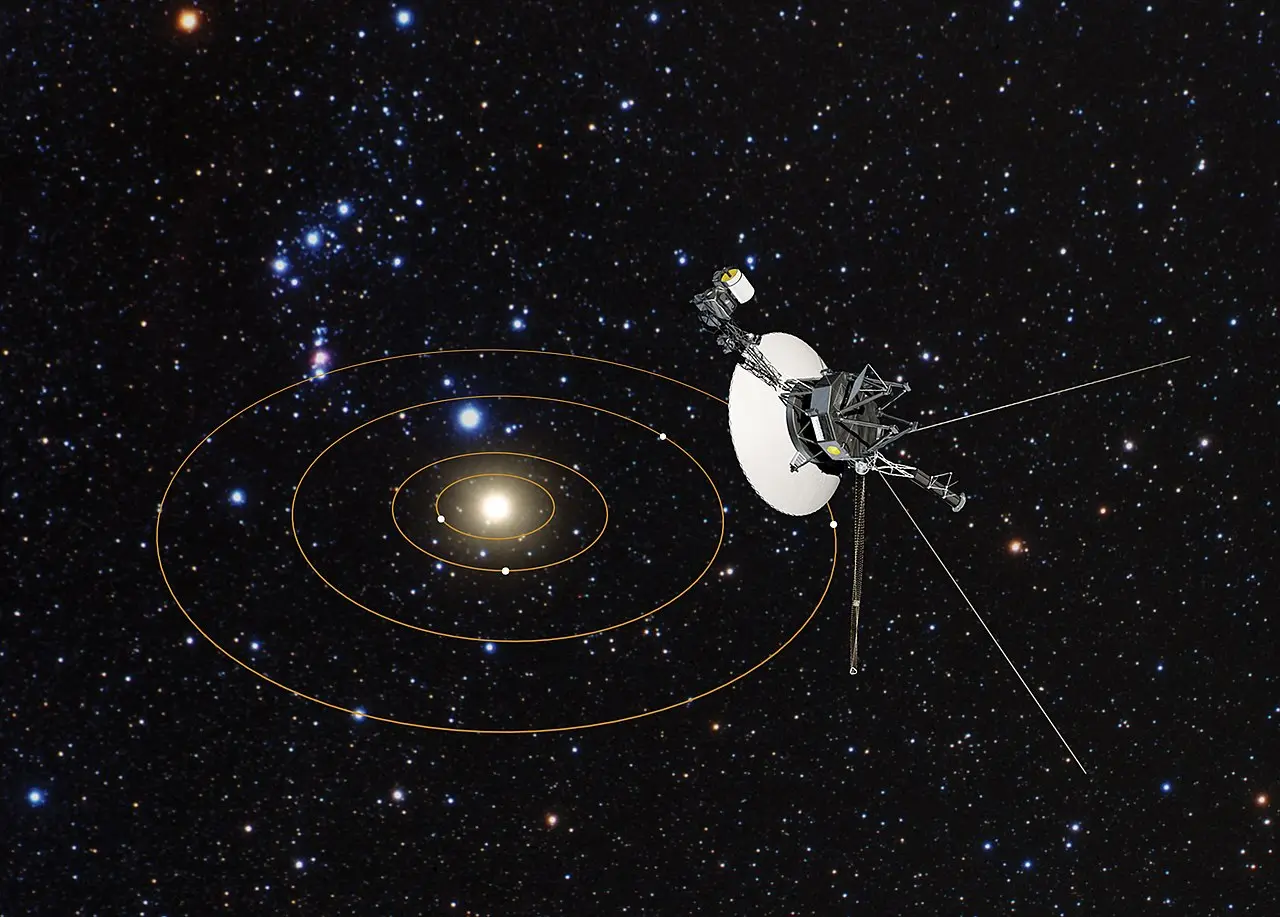
Voyager 1 has only two active instruments at the moment
However, NASA now had a hard decision to make, and it chose to switch off this crucial part. Voyager 1 now has only two of its 10 instruments still running. On Voyager 2, three instruments are still carrying out their work. For the past 49 years, these instruments have offered humans a peek into the design and characteristics of space beyond the solar system.
Voyager 1 has only one year of life left
"Power margins have grown razor thin, requiring the team to conserve energy by shutting off heaters and instruments while making sure the spacecraft doesn't get so cold that their fuel lines freeze," officials from NASA's Jet Propulsion Laboratory (JPL) wrote in an April 17 blog post. So now they have shut down a majority of the instruments while keeping only a few essential ones running. However, the latest shutdown only buys them about a year.
Voyager probes are powered by plutonium
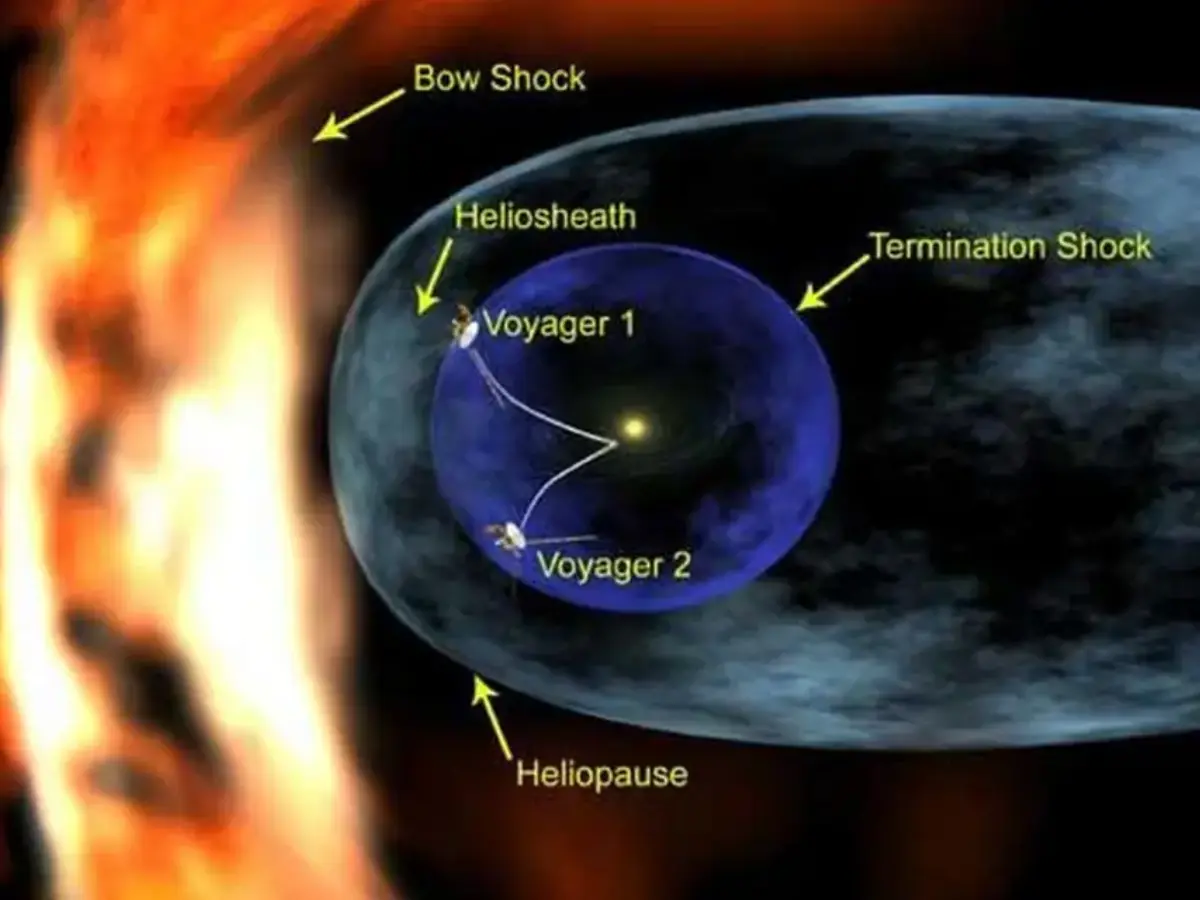
Voyager 1 witnessed a dramatic drop in power on February 27 following a planned roll manoeuvre. It is now running critically low on nuclear power, but NASA has a plan to boost not only Voyager 1, but also Voyager 2. Without it, both Voyager probes could fizzle out in the next few months. The spacecraft relies on a radioisotope thermoelectric generator, which converts decaying plutonium into power. They lose roughly 4 watts of power a year.

Big Bang to boost power on Voyager probes
The Big Bang planned for the summer of 2026 is expected to increase the lifespan of the Voyager probes. Explaining the procedure, a JPL representative wrote in a blog post that the idea is to "swap out a group of powered devices all at once". This collective action is what lends the mission its name. They said it involves "turning some things off, and replacing them with lower-power alternatives, to keep the spacecraft warm enough to continue gathering science data."

NASA to test Big Bang on Voyager 2 - Dates
If the Big Bang is successful, then the spacecraft will have enough power to switch the LECP back on. NASA engineers have kept the small, half-watt motor for LECP running in case the instrument is fired back up. Big Bang tests will be carried out in May and June on the Voyager 2 probe, since it is closer to Earth and has more power supplies. In July, flying at a distance of 25 billion kilometres from Earth, Voyager 1 will witness the momentous test.

)
)

)