NASA to blow glass bubble homes from lunar dust - 'Self-healing' structures will fix moonquake and micrometeorite damage

Homes on the Moon would be made of glass bubbles that would be blown using lunar dust. The technology has already been tested, but building real structures for astronauts would mean increasing the proportion by hundreds of thousands of times.
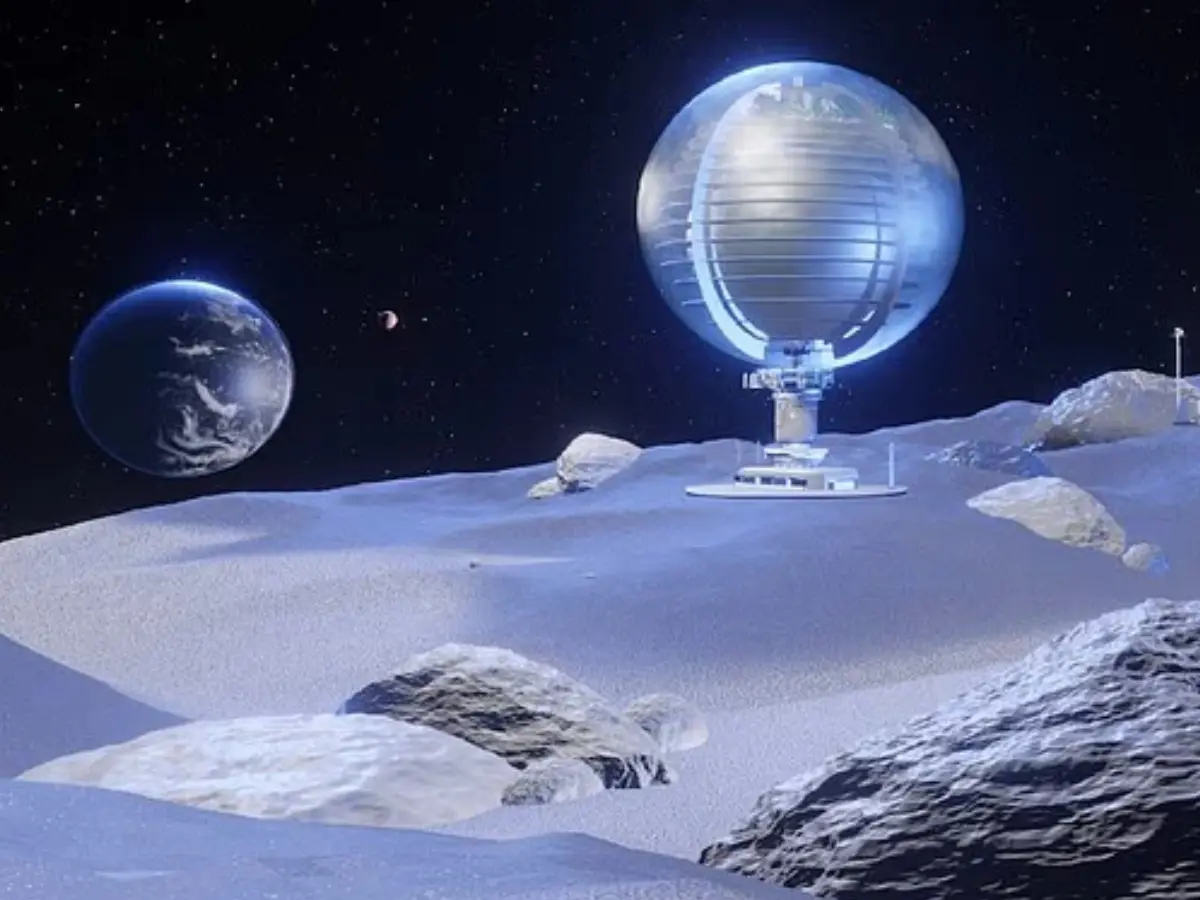
NASA planning to build glass bubble homes on Moon
NASA has revealed its plans for building housing structures for humans on the Moon, which include using a resource on the lunar body. This could come true because of lunar dust. Experiments have shown that when melted at high temperatures, the lunar glass present in moon soil can be turned into liquid to make a large glass bubble structure.
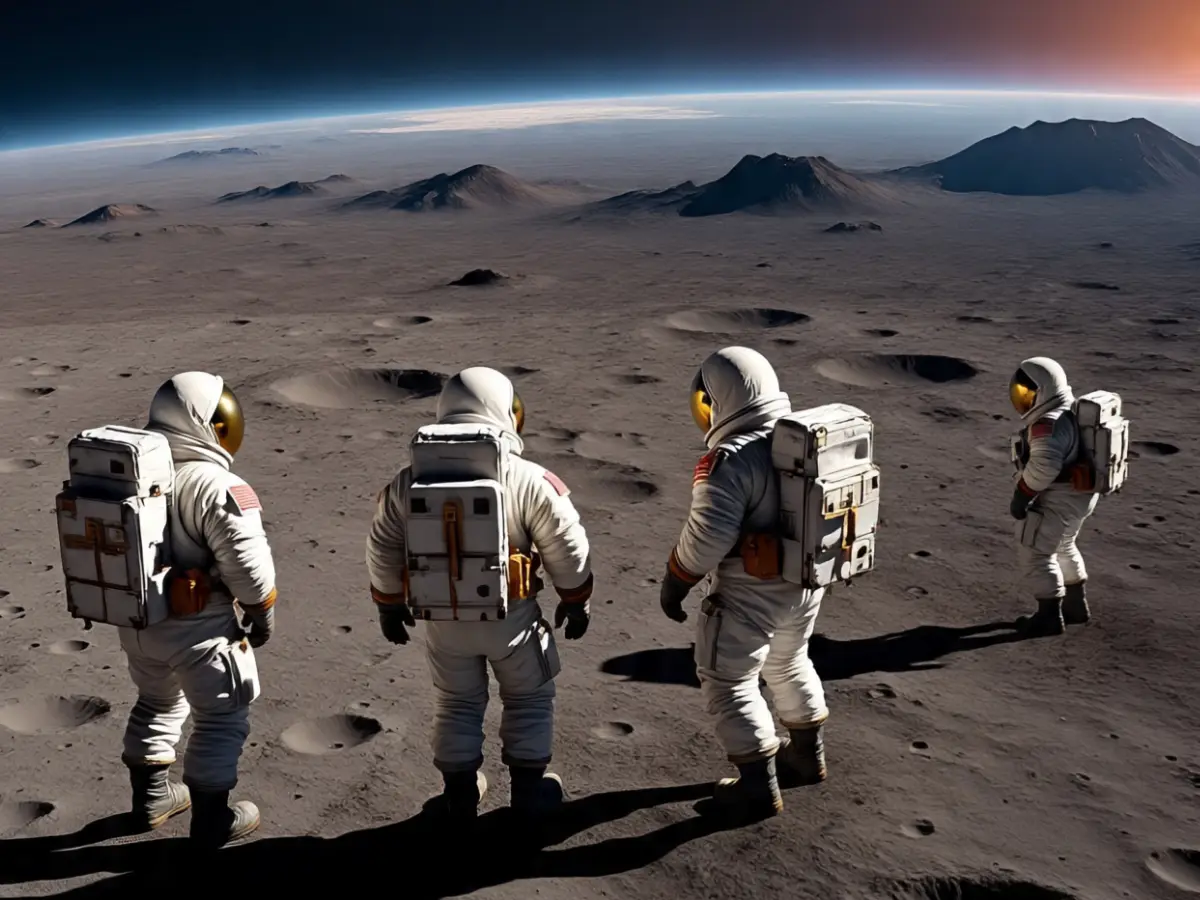
NASA Artemis missions to return humans to Moon
The American space agency has plans to send humans to the Moon once again as part of its Artemis mission. The 10-day Artemis II test flight is set to launch by April 2026, and will be the first crewed flight to the Moon under the Artemis program. Then, with Artemis III, NASA is aiming to land humans on the Moon for the first time since the Apollo missions. This is being planned for mid-2027.

Homes on Moon would be blown from lunar glass
The glass bubbles are being planned by a company called Skyeports. The American space engineering company has already tested the technology to blow bubbles from lunar glass. However, they have only been a couple of inches wide. To build habitable homes on the Moon, the scientists will have to expand them by hundreds or thousands of feet.
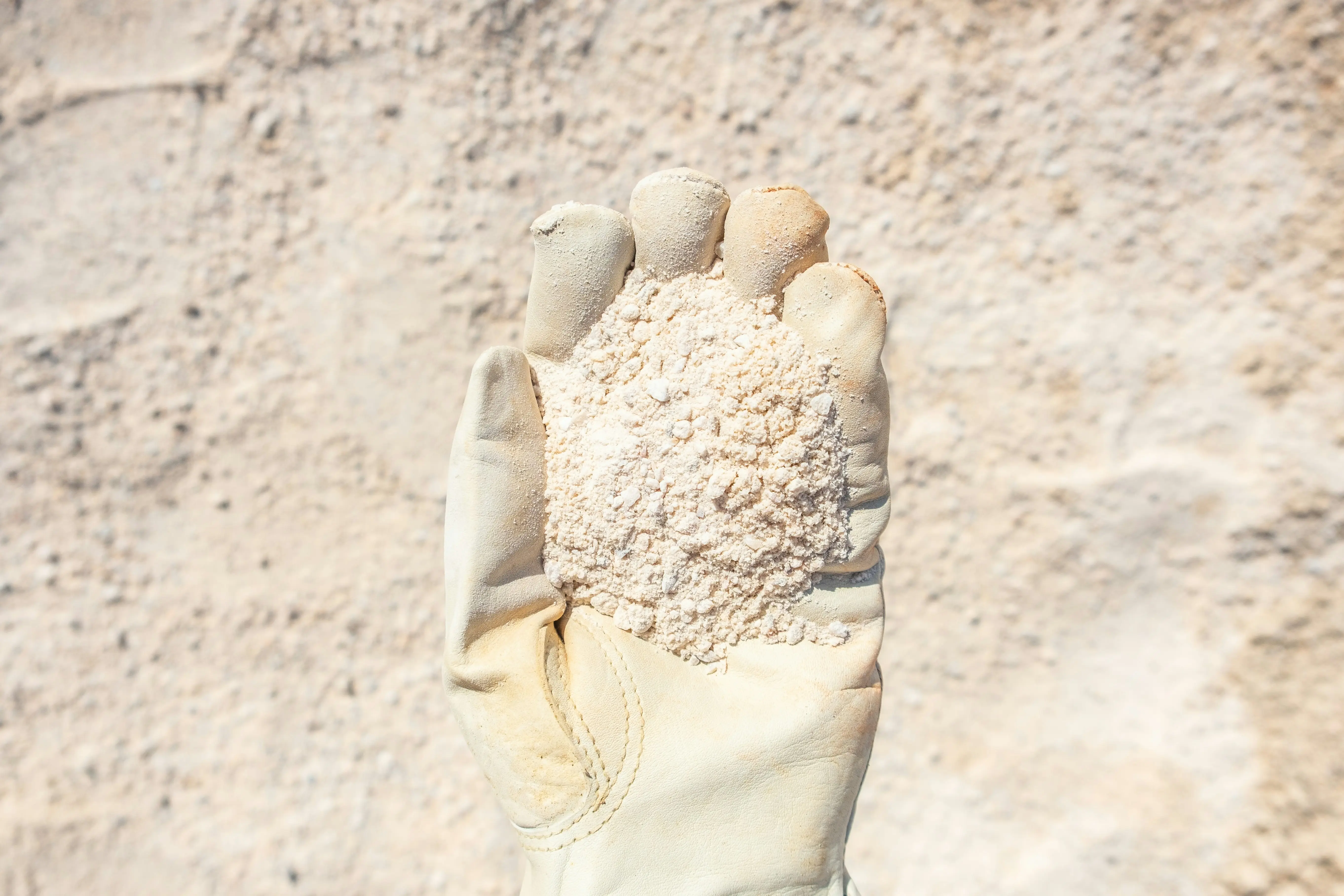
Lunar glass will be melted in a "smart microwave furnace"
The process would involve using lunar glass, a material that is present in the moon's soil, or regolith. These glass, rocks and mineral fragments would be collected by those who reach the Moon. The lunar glass will be melted in a "smart microwave furnace" and a technology similar to that employed in a domestic microwave oven.
The glass made would be self–healing
The "smart microwave furnace" will not only help with melting the lunar glass, but also blow it into a bubble. This bubble would harden into a large, transparent structure. The compound used to build these lunar homes could also change to make the eventual glass self–healing.
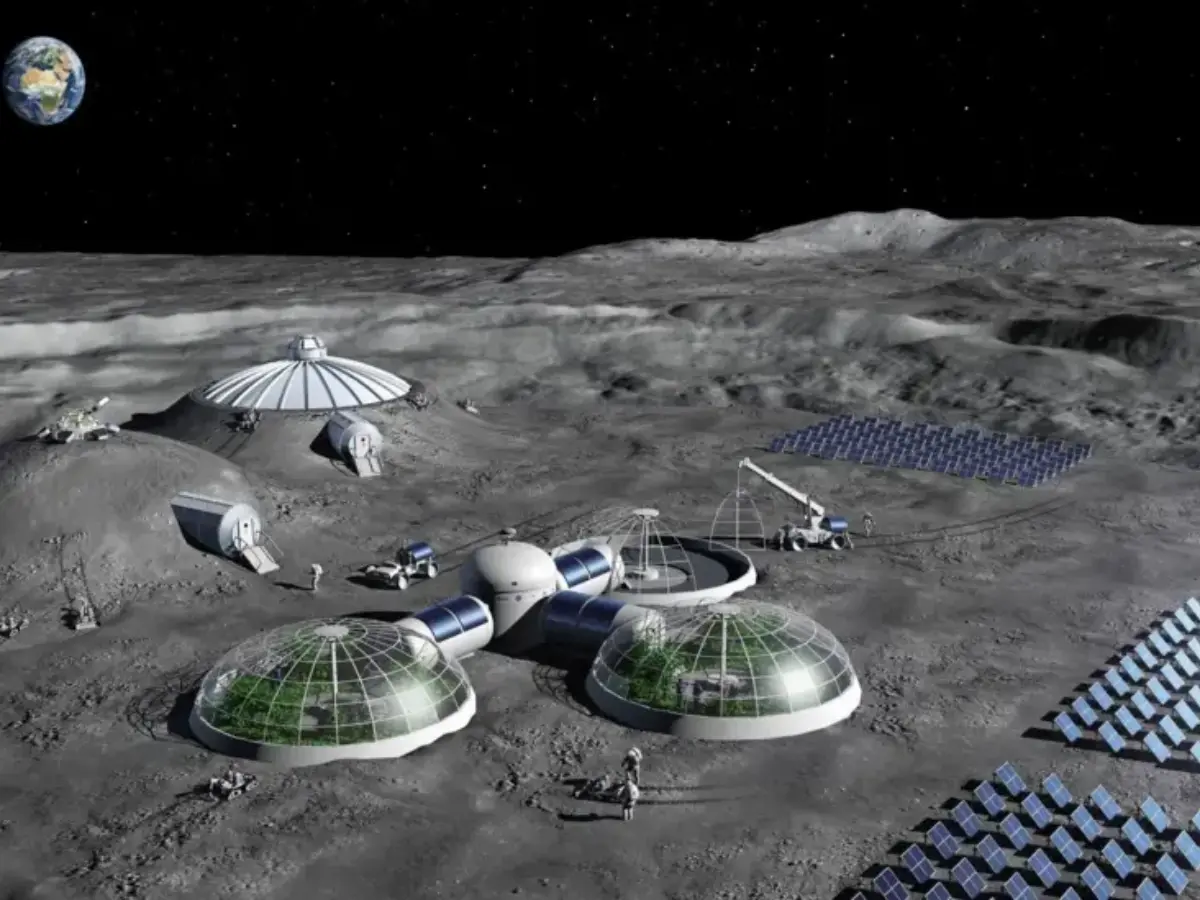
Glass in bubble homes will repair itself from damage caused by micrometeorites or moonquakes
This would be essential in case the glass structures sustain any damage caused by micrometeorites or "moonquakes". The glass would be made of polymers which can reorganise themselves after any cracks. To power these homes, the sun's energy would be harnessed using solar panels.

Huge gas pipes used to blow bubble will be used as entrance later
Since transporting materials to the Moon would be extremely expensive, they would be altered to serve multiple purposes. For eg huge gas pipes would be used to blow the melted glass, and could later be used to create the entrance once the bubble has been created. All fittings inside the bubble would be 3D printed using materials gathered from the moon.
Company behind glass bubbles hopes to build cities on Moon using them
Skyeports chief executive Dr Martin Bermudez has big plans for this technology, not just on the Moon, but in other places in space. He hopes to build entire cities of glass spheres, connected by glass bridges on the Moon. He thinks they can also be placed in orbit someday.
)
)
)
)
)