NASA teams with Google to build an AI medical assistant for astronauts on moon and Mars missions

This innovation is being developed as part of NASA’s Artemis programme, which aims to return humans to the Moon and lay the groundwork for future missions to Mars.
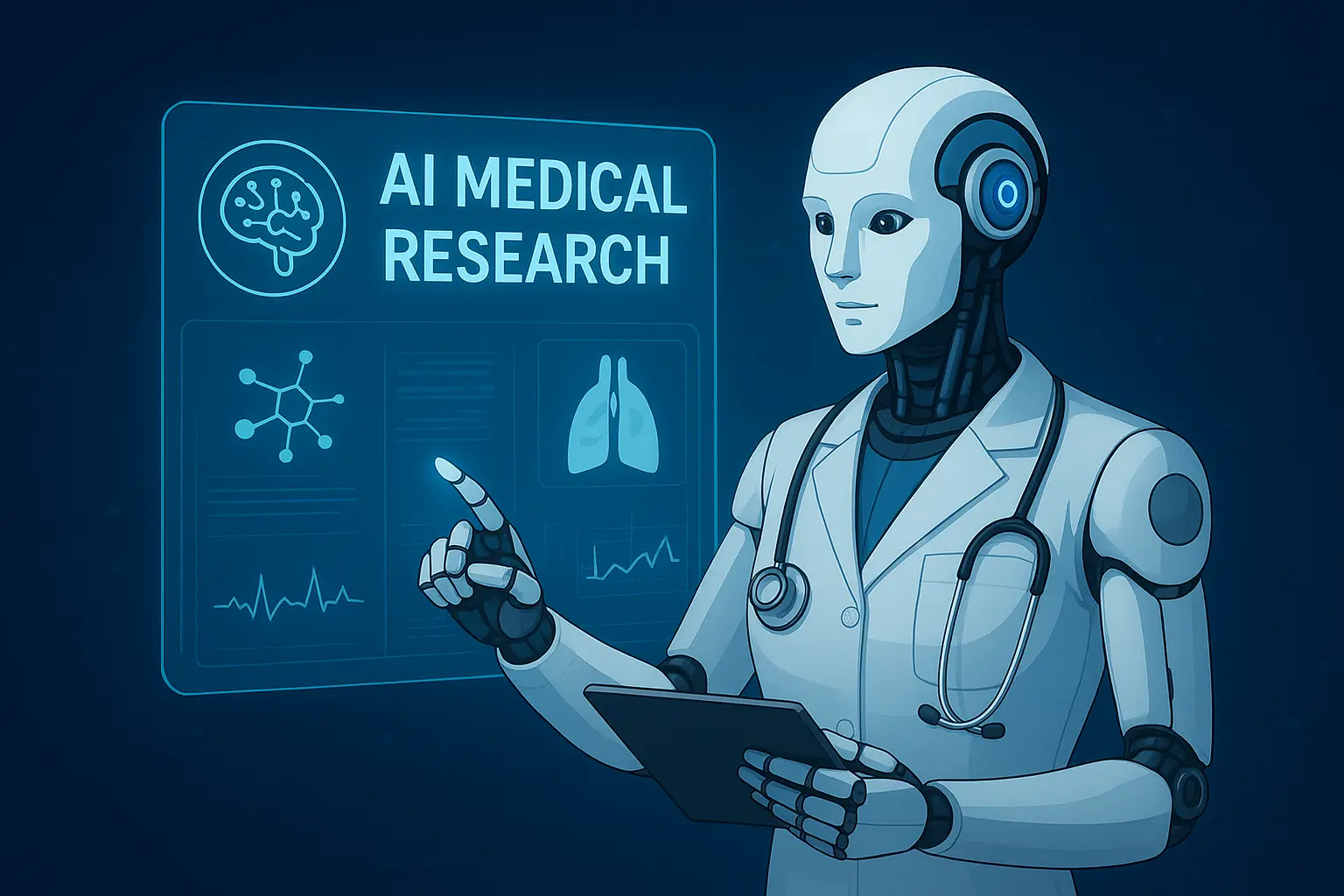
NASA & Google join forces
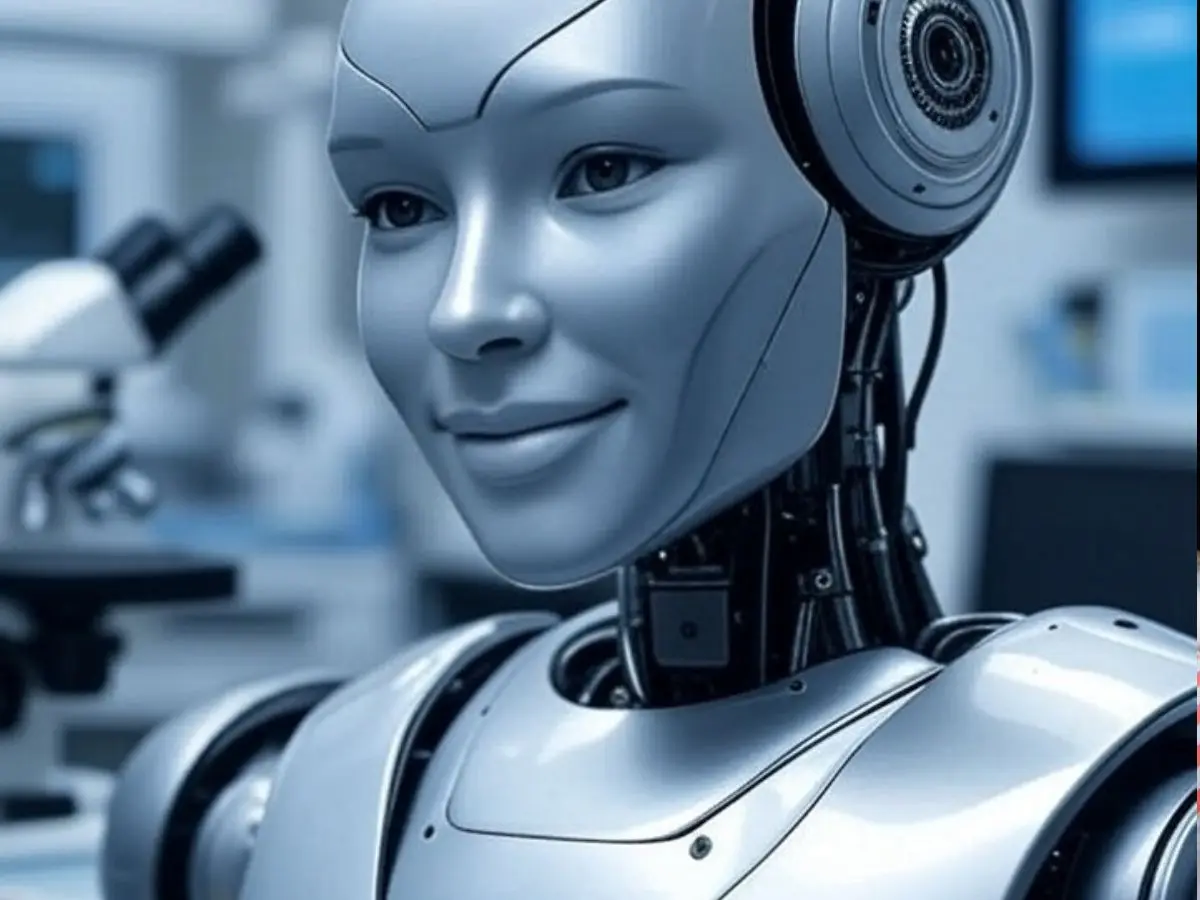
NASA and Google have joined forces to test an artificial intelligence medical assistant that could transform astronaut healthcare on long-duration space missions. Designed as a Crew Medical Officer Digital Assistant (CMO-DA), the system uses advanced natural language processing and machine learning to provide astronauts with real-time diagnostic and treatment support when communication with Earth is delayed or impossible. This innovation is being developed as part of NASA’s Artemis programme, which aims to return humans to the Moon and lay the groundwork for future missions to Mars.
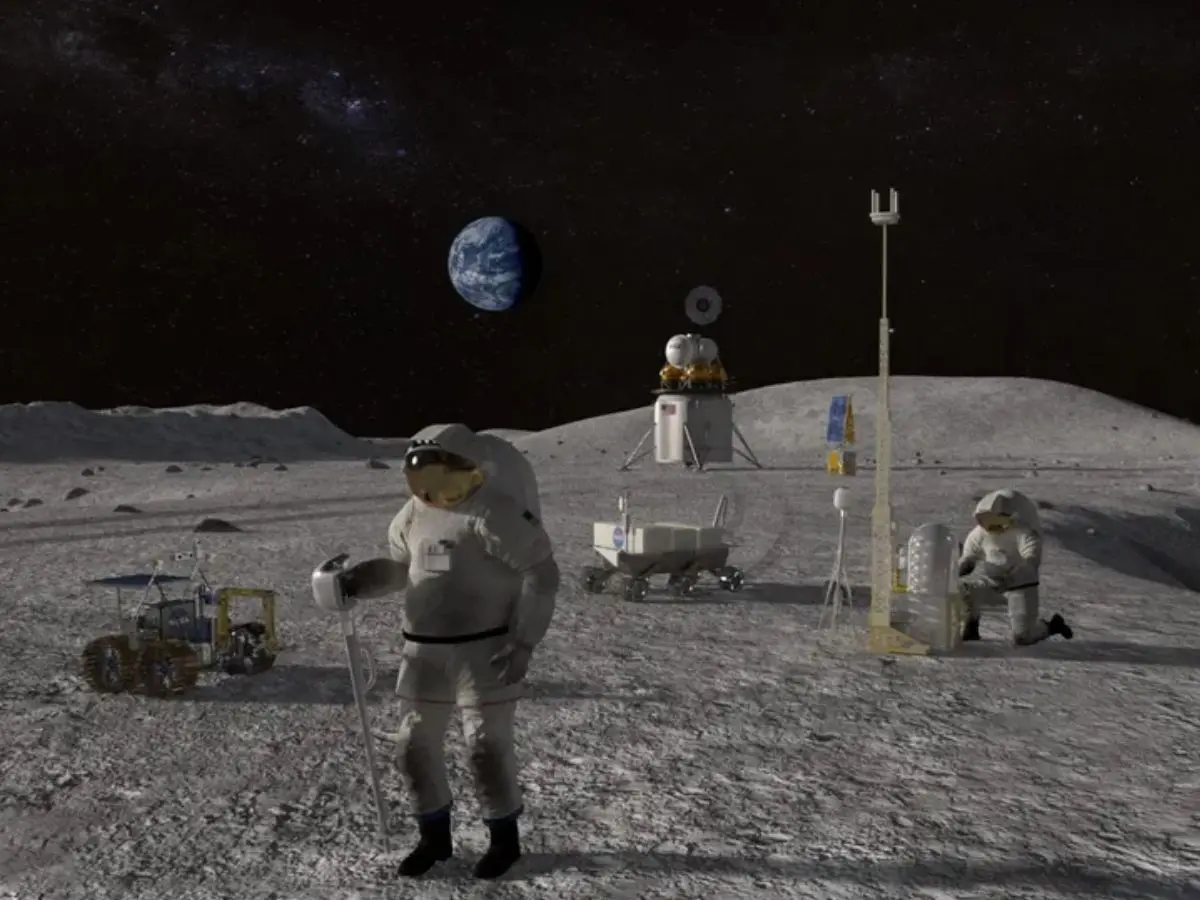
Why astronauts need autonomous medical support
In low Earth orbit, astronauts can usually consult doctors on the ground in real time. However, as crews travel further, to the Moon or Mars, communication delays make this impossible. A round-trip light-time delay to Mars can reach 45 minutes, meaning immediate medical advice from Earth cannot be relied upon. In such situations, astronauts must be able to diagnose and manage health issues independently, making an onboard medical assistant critical for mission safety.
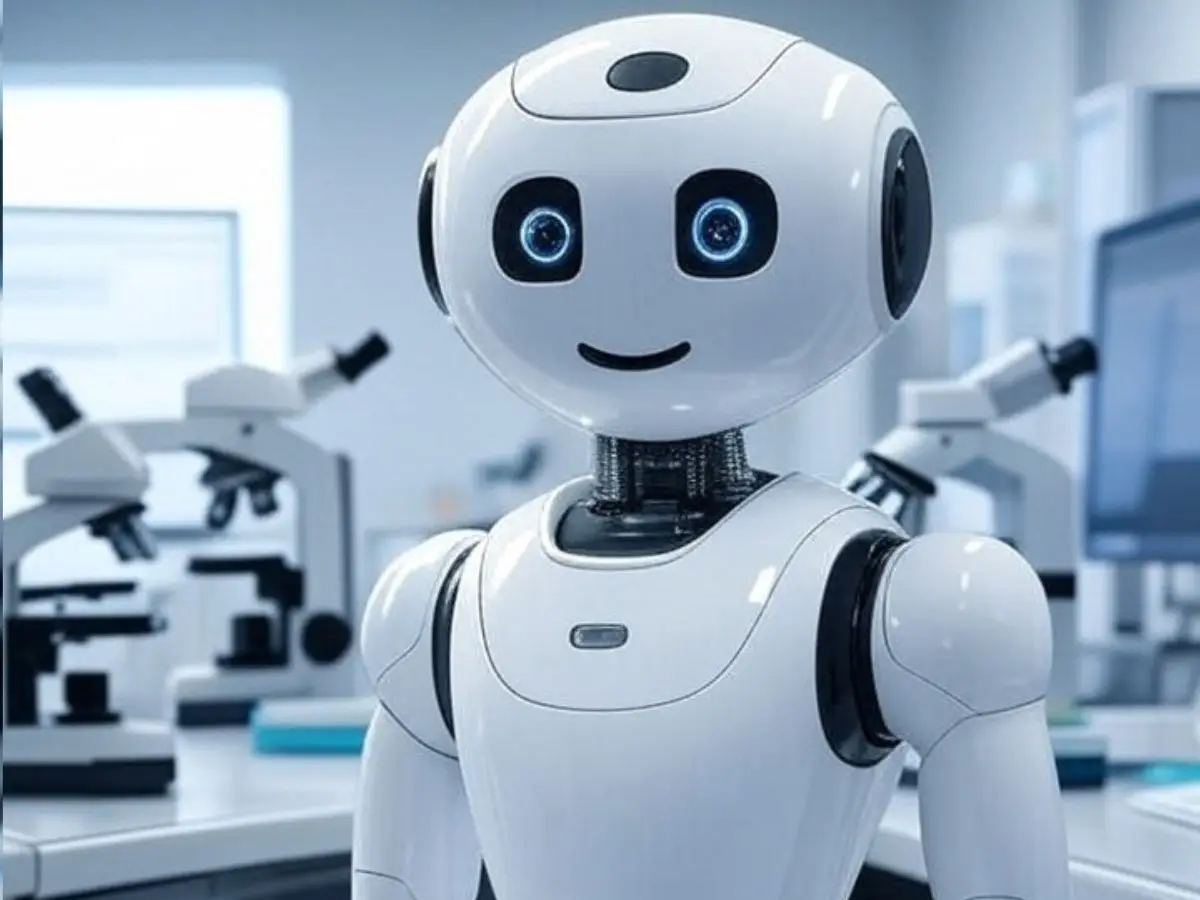
What the AI medical assistant is designed to do
The CMO-DA functions as a Clinical Decision Support System (CDSS), a tool commonly used in modern healthcare to support medical staff in decision-making. Trained on a comprehensive body of spaceflight medical literature, the AI system is capable of assessing symptoms, offering potential diagnoses, and recommending treatments. Early proof-of-concept trials have tested scenarios such as ankle injuries, flank pain and ear pain, with diagnostic accuracies ranging from 74 per cent to 88 per cent. These results demonstrate its potential reliability in the unique conditions of space.
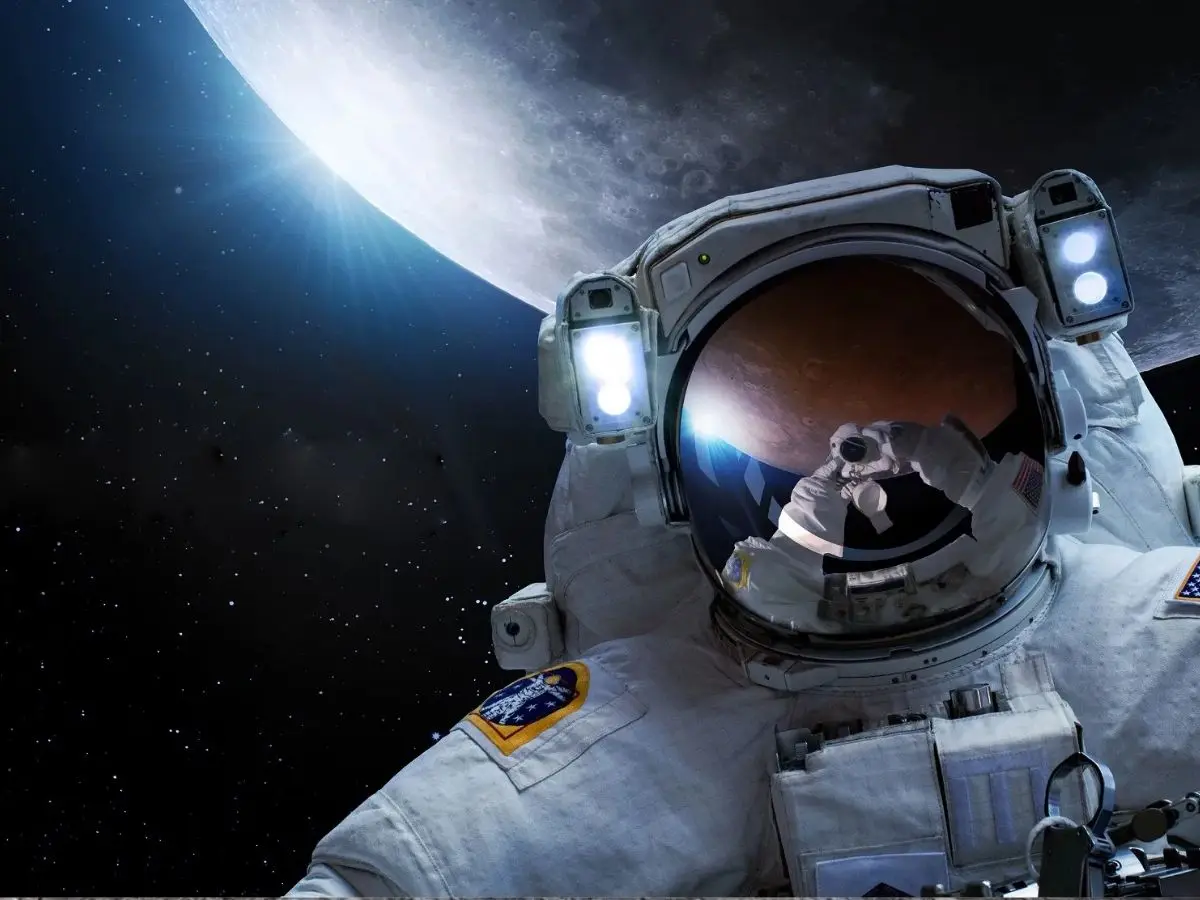
How the system works in space
Unlike conventional diagnostic software, the assistant is built to account for space-specific challenges such as microgravity, which can affect human physiology and complicate medical procedures. By integrating data from onboard diagnostic tools with reported symptoms, the system provides crew members with immediate, context-specific medical advice. This capability reduces reliance on ground-based medical teams and helps crews respond effectively to emergencies far from Earth.
Role in the Artemis programme
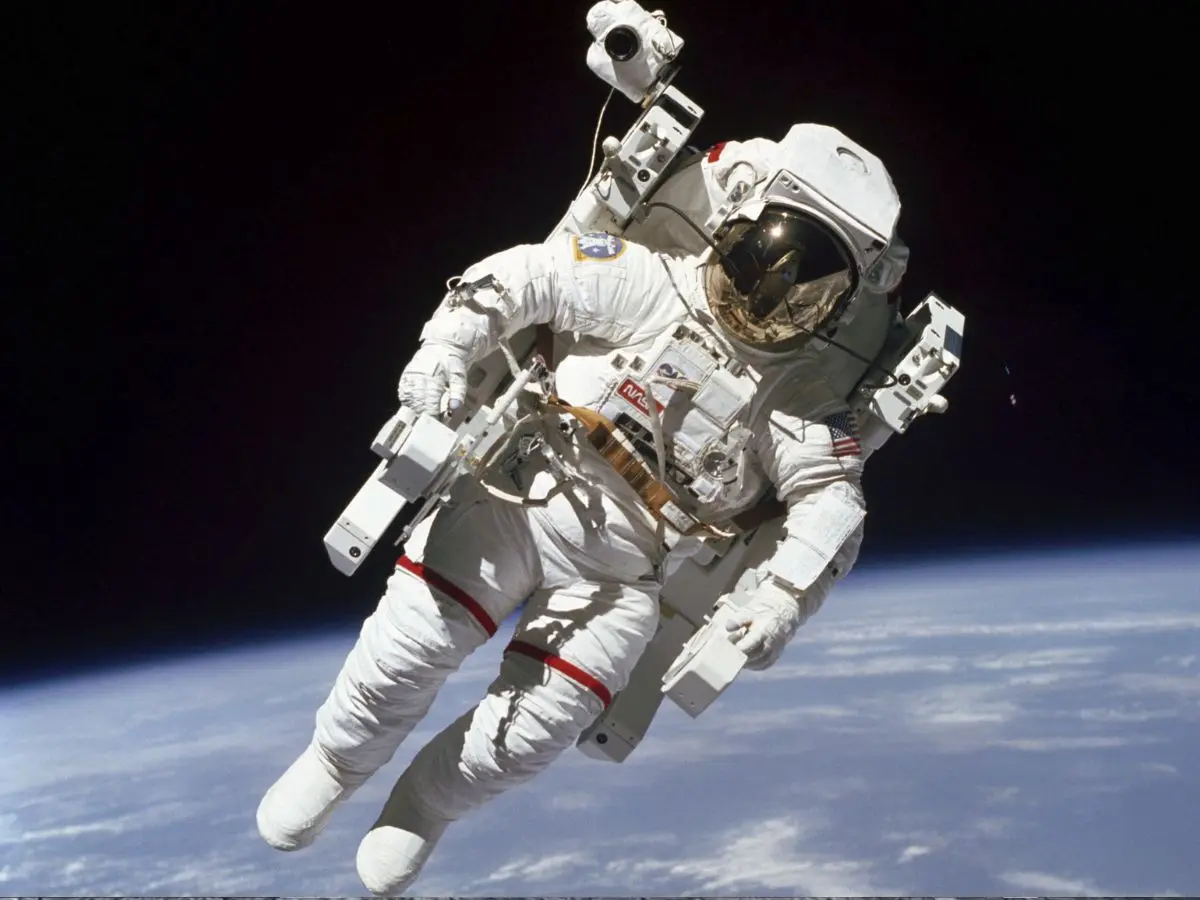
NASA views the digital assistant as a vital step towards enabling deep-space exploration. The Artemis programme, which intends to establish a sustainable human presence on the Moon and prepare for Mars missions, requires robust systems to protect astronaut health during extended stays. Autonomous medical support through AI is considered essential to ensure mission resilience and crew safety.
Potential applications beyond spaceflight
While the assistant is designed for astronauts, its applications extend to Earth. Similar systems could support healthcare delivery in remote or extreme environments, such as disaster zones, polar research stations, or rural communities with limited access to medical professionals. By providing reliable, immediate guidance, AI medical assistants could become valuable tools in civilian healthcare.
Next steps in development
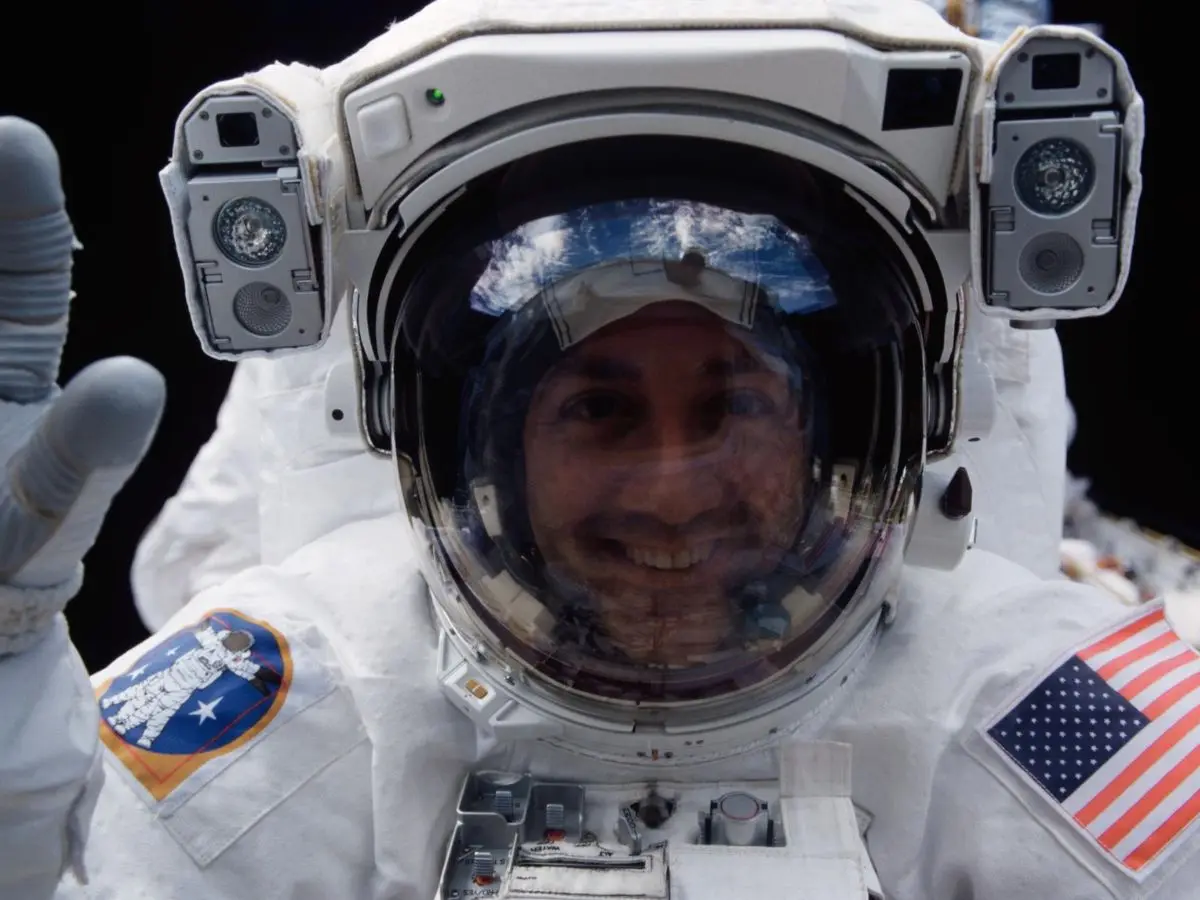
NASA and Google are continuing to refine the system in consultation with medical professionals, ensuring its recommendations are safe, accurate and adaptable to varied scenarios. As testing progresses, the project aims to prove that astronauts can manage their own healthcare during long-duration missions, bridging one of the most critical gaps in deep-space exploration.
)
)
)
)
)