NASA's James Webb Telescope discovers 300 mysterious bright objects that could rewrite cosmic history

A team of astronomers from the University of Missouri, using the James Webb Space Telescope (JWST), has spotted 300 unusually bright objects in the distant universe, possible early galaxies that may upend current theories of how galaxies formed after the Big Bang.
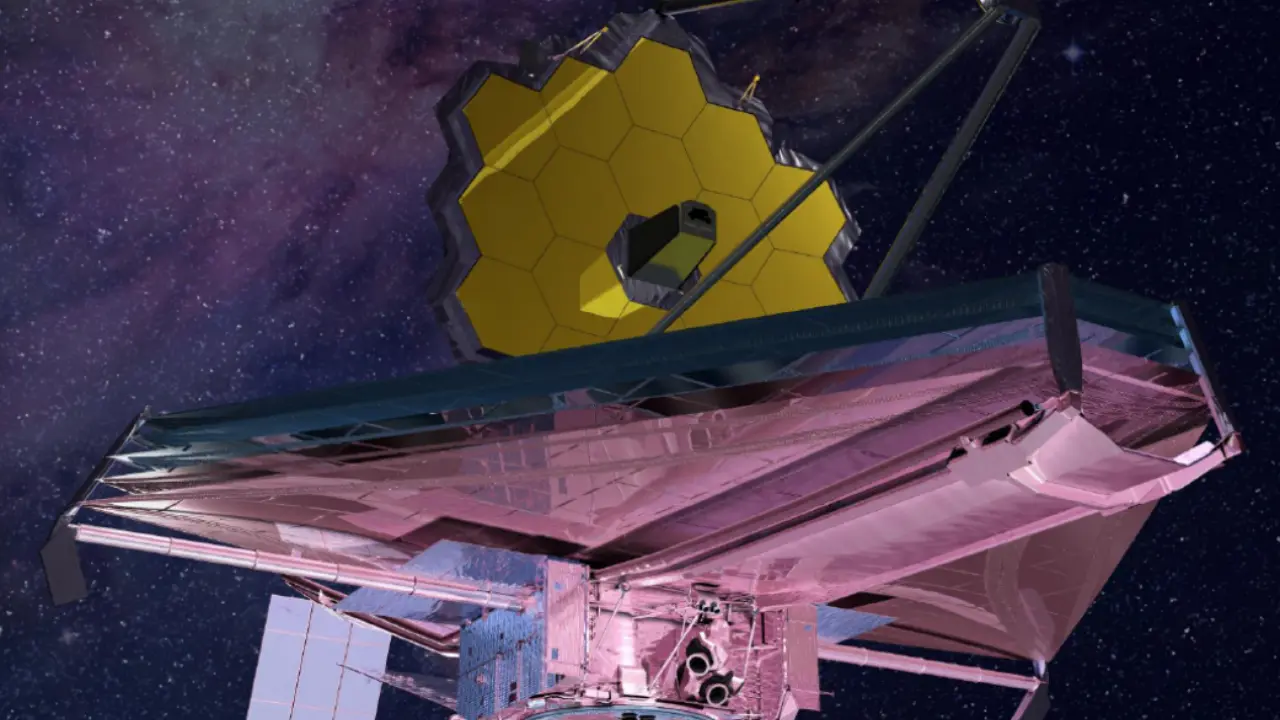
A Discovery That Challenges the Textbooks
In a study published in The Astrophysical Journal, researchers identified 300 bright, distant objects that could be some of the earliest galaxies ever seen. If confirmed, these findings could force scientists to revise our understanding of when and how galaxies formed during the universe’s infancy.
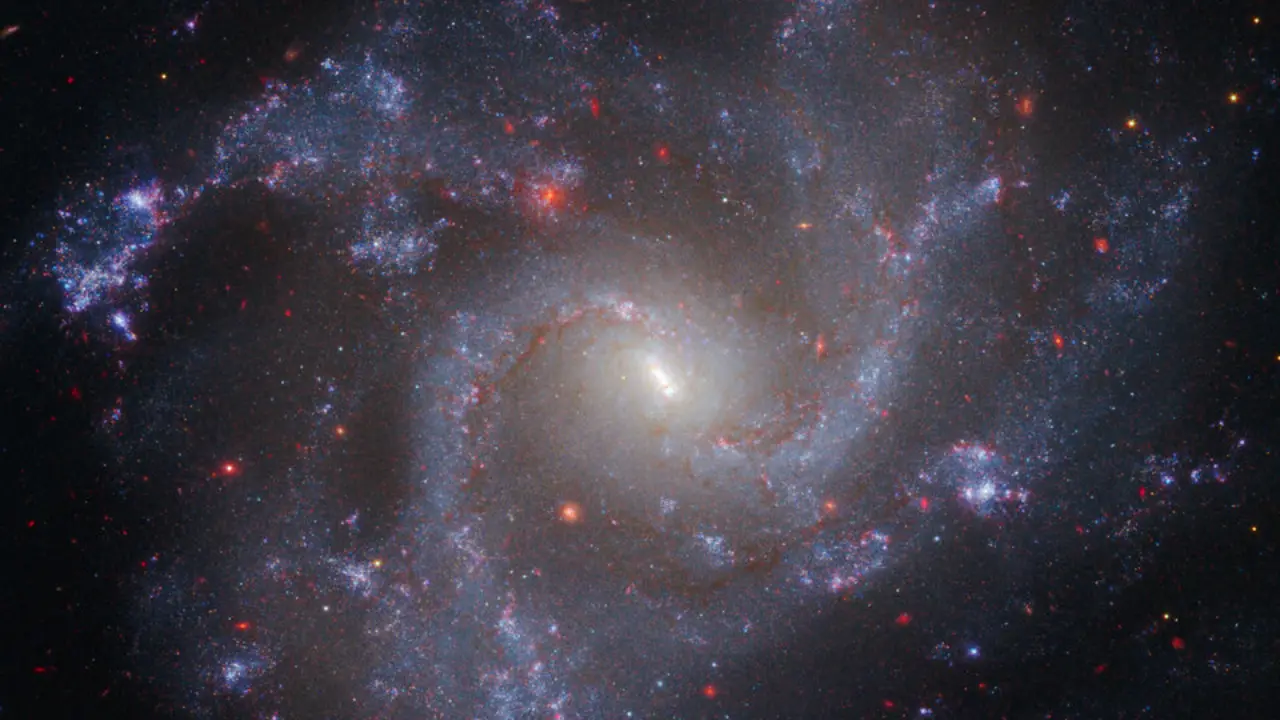
Brighter Than Expected
Using JWST’s powerful infrared imaging, astronomers found galaxies far brighter than models predicted for such early epochs. Co-author Haojing Yan explained that even if only a fraction of these objects are genuine early galaxies, the discovery will “force us to modify existing theories of galaxy formation.”
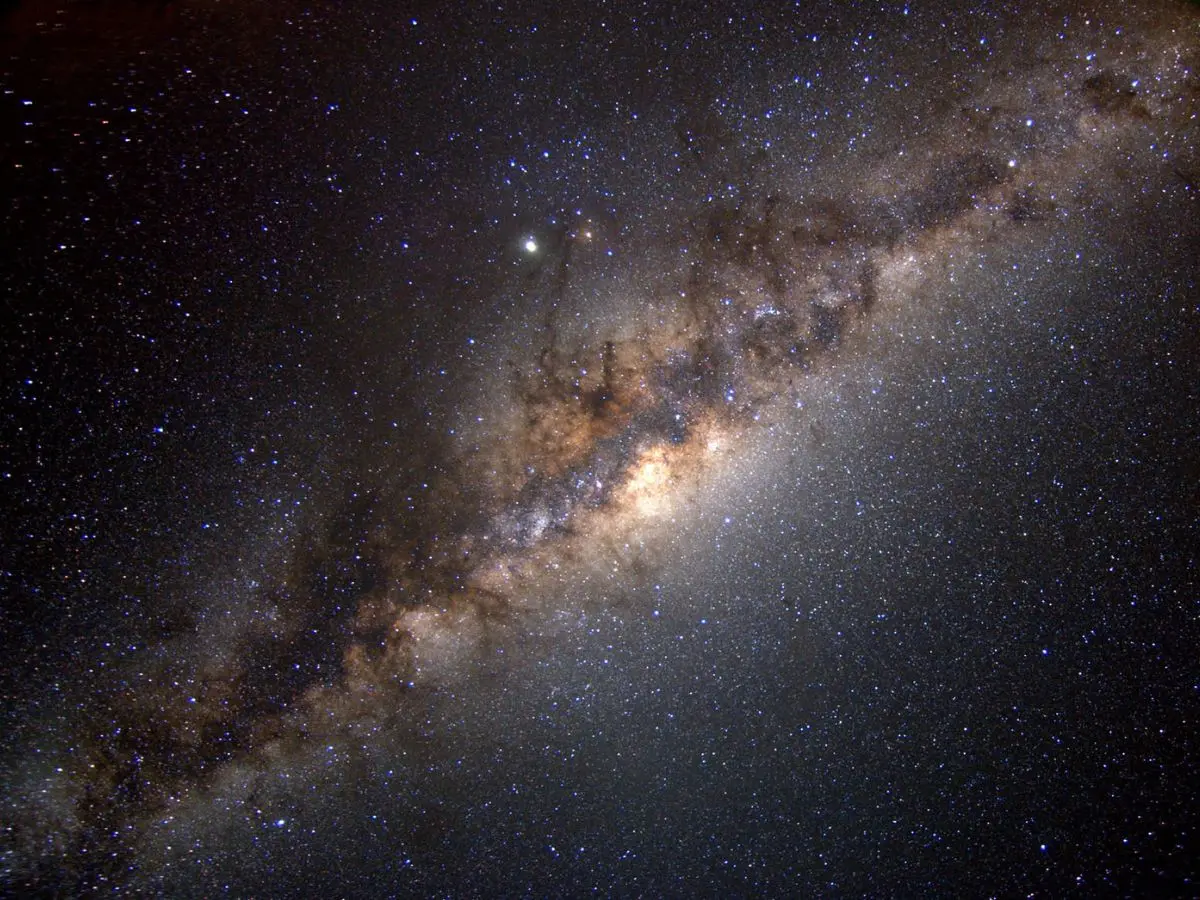
The Importance of Redshift
To determine their distance and age, scientists rely on a phenomenon called redshift, the stretching of light waves as they travel through the expanding universe. Higher redshift means the light is older, revealing galaxies as they were billions of years ago. The extreme redshifts of these objects suggest they date back to the universe’s first few hundred million years.
The Dropout Technique for Spotting Distant Galaxies
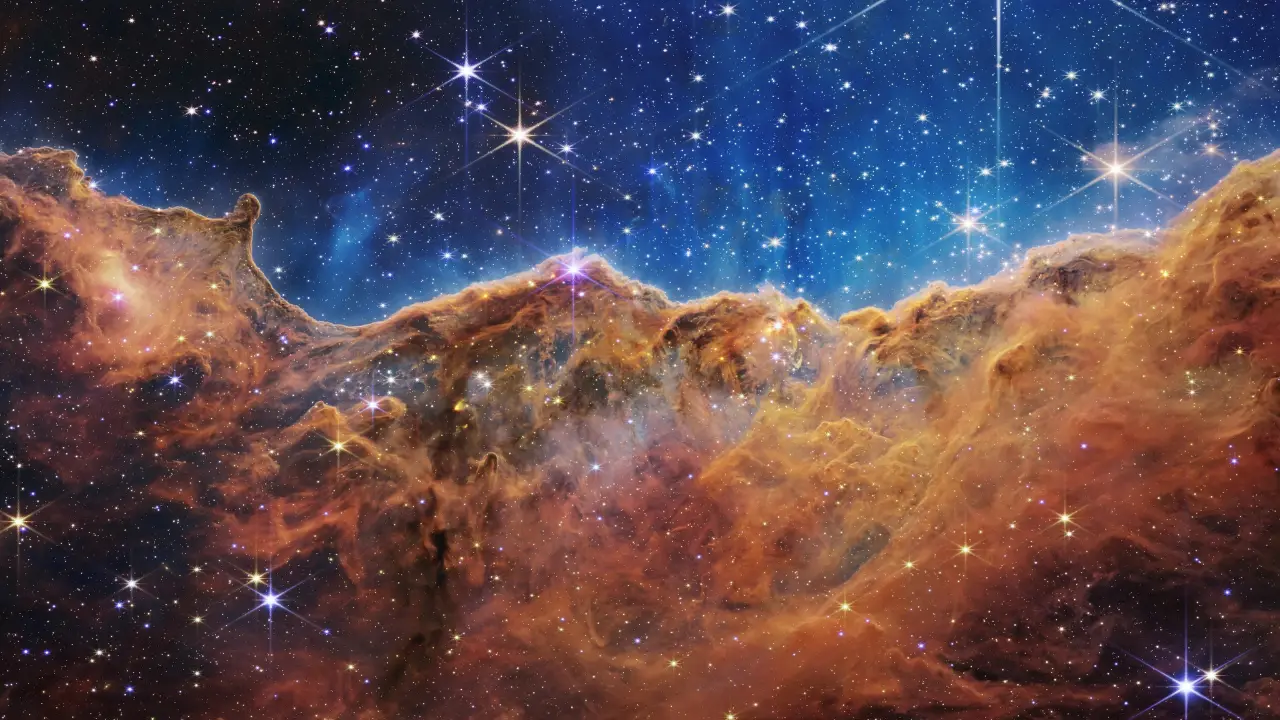
Lead author Bangzheng “Tom” Sun used the dropout technique, which identifies objects that shine brightly in redder wavelengths but disappear in bluer ones. This is a telltale sign of extremely distant galaxies whose light has been stretched into the infrared by the universe’s expansion.
The Role of the Lyman Break
This technique exploits the “Lyman Break,” where ultraviolet light from young stars is absorbed by interstellar hydrogen, leaving a gap in the spectrum. As redshift increases, this break shifts into redder wavelengths, making it easier to pinpoint galaxies from the cosmic dawn.
Spectroscopy: The Gold Standard for Confirmation
While the dropout method identifies promising candidates, spectroscopy is needed for proof. By spreading light into its component wavelengths, astronomers can measure redshift with precision. One of the 300 candidates has already been confirmed as an early galaxy through spectroscopy but far more data is needed to rewrite history with certainty.
A Potential Rewrite of Cosmic History
If confirmed, these galaxies formed far earlier than current theories allow, suggesting the universe’s first stars and galaxies emerged sooner and faster than expected. This could dramatically alter our models of cosmic evolution, from star formation to the growth of large-scale structures.
)
)
)
)
)