NASA’s Artemis II Launch Mission: Key details and step-by-step guide on what happens

NASA’s Artemis II Launch Mission: Detailed guide of the launch date, time, rocket, spacecraft, mission duration, goals and tests, what happens once they reach the Moon, and how Orion will return home. Here is everything you need to know.
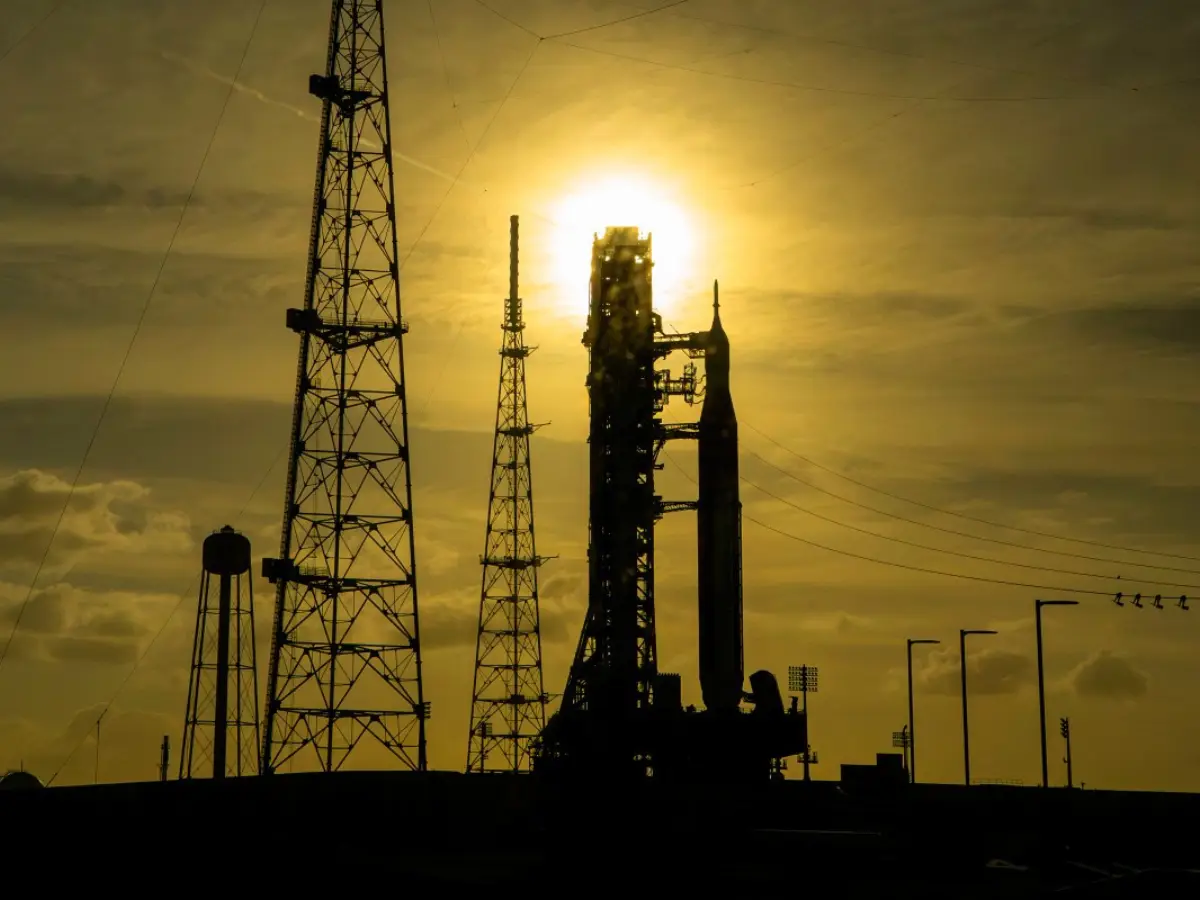
Artemis II launch - All details
NASA has given Artemis II the go-ahead for launch on April 1. All systems are in place, and the countdown has begun. Astronauts underwent medical check-ups to ensure fitness and hydration for the mission. The launch is scheduled for 6:24 pm ET from Kennedy Space Center in Florida. Humans will leave Earth's orbit for the first time in over 50 years, and will fly several kilometres beyond the far side of the Moon. Here is a lowdown on the launch and what happens next.
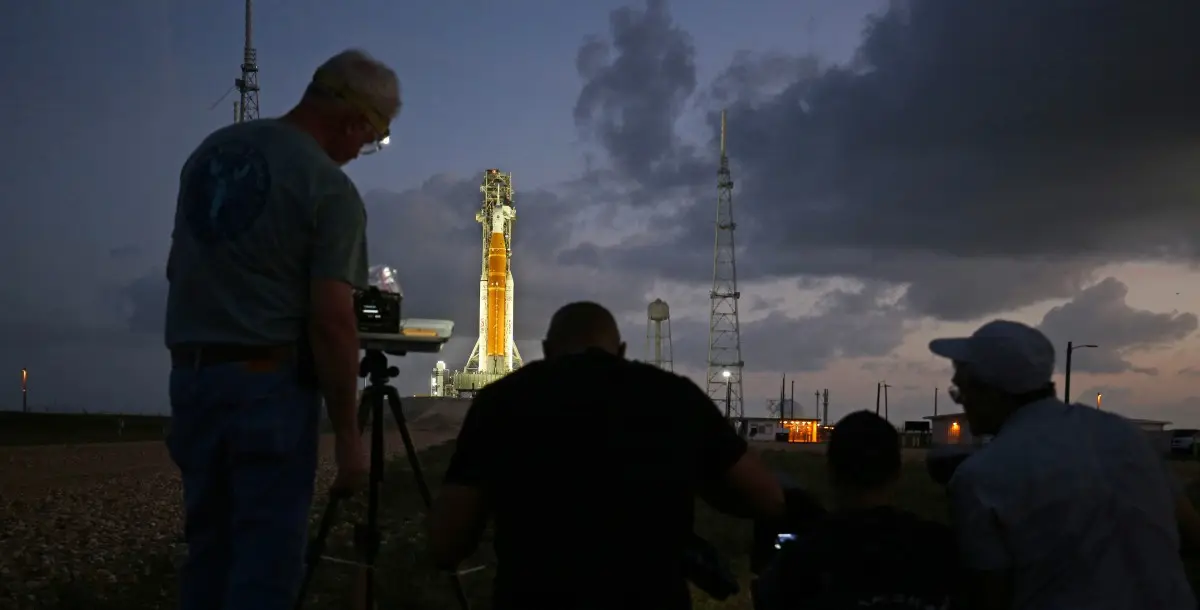
NASA’s Artemis II Launch Mission Duration
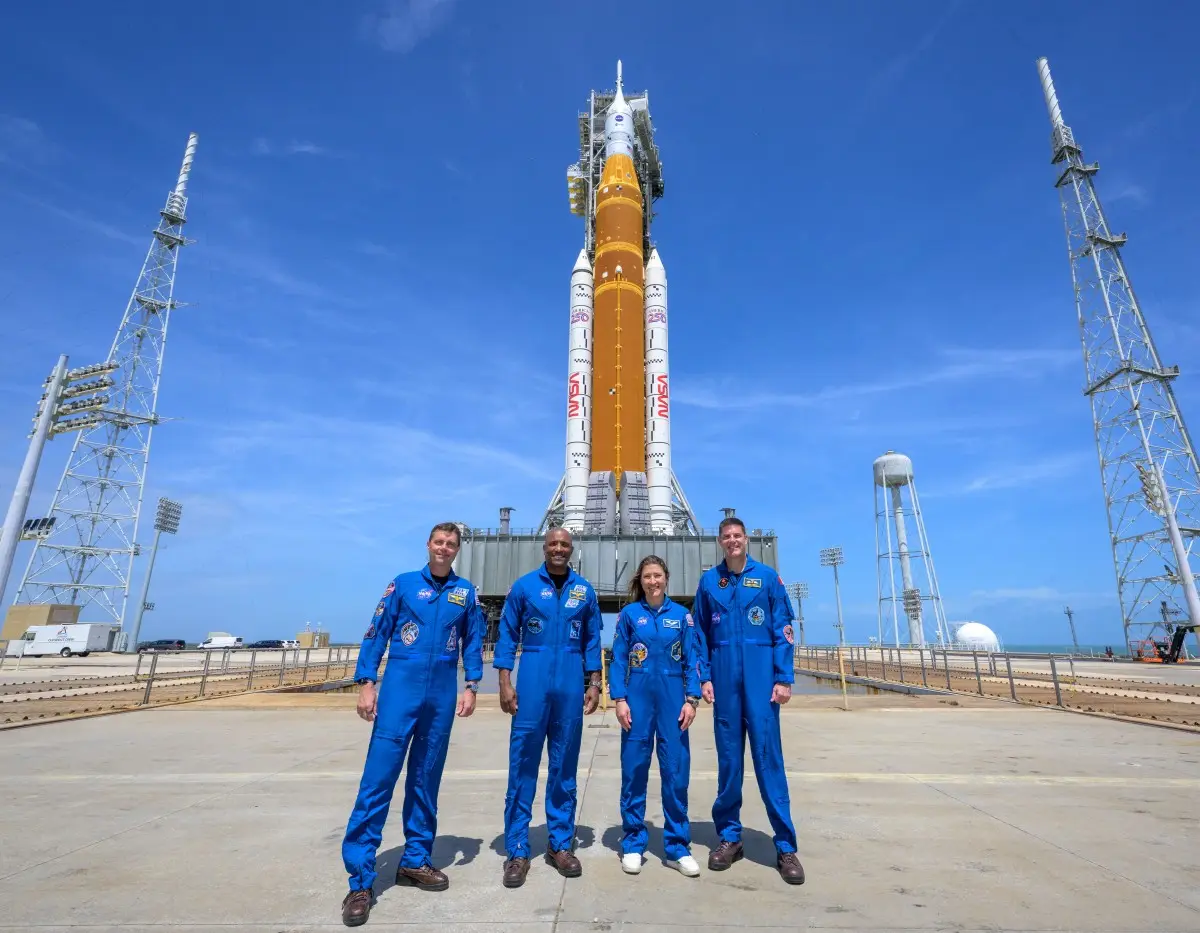
The mission will last 10 days. Astronauts Reid Wiseman (mission commander), Victor Glover (pilot), Christina Koch (mission specialist) and Canadian Space Agency astronaut Jeremy Hansen (mission specialist) will journey to the Moon and back, checking all technology and systems. They will cover a distance of 11,02,400 kilometres during the entire duration.
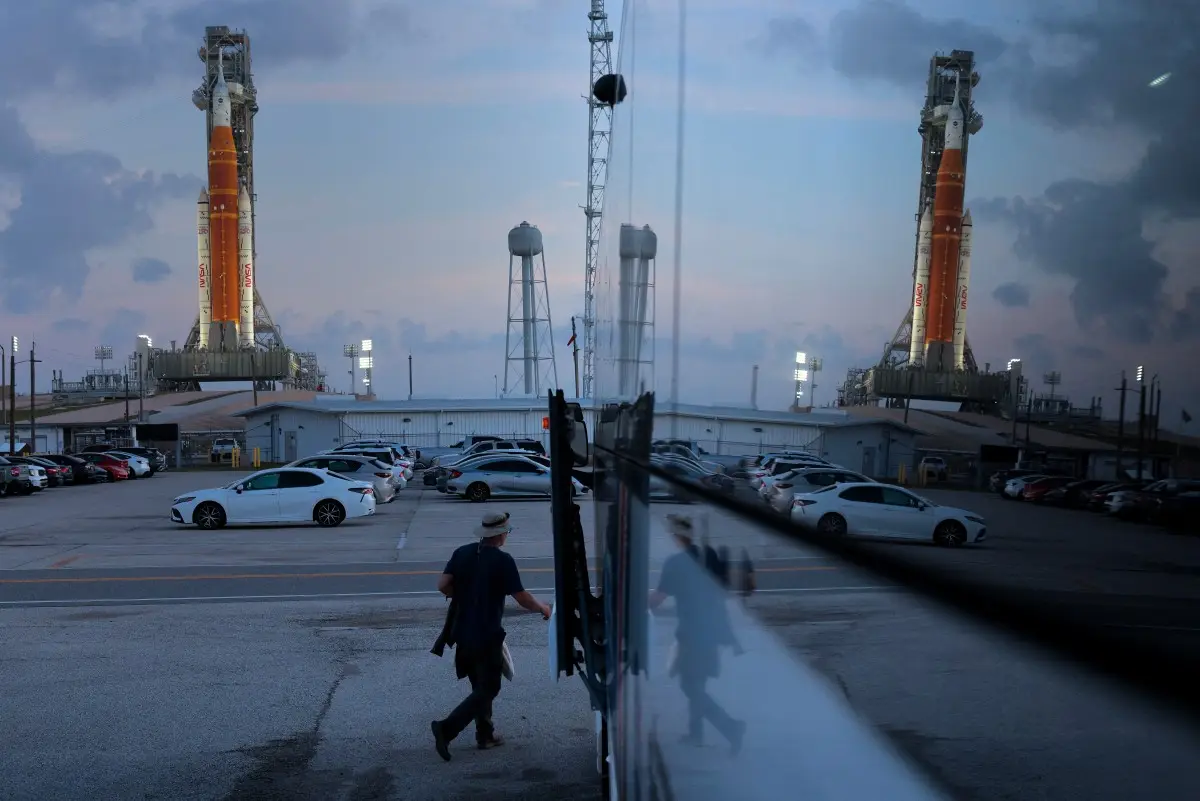
Artemis II spacecraft and rocket
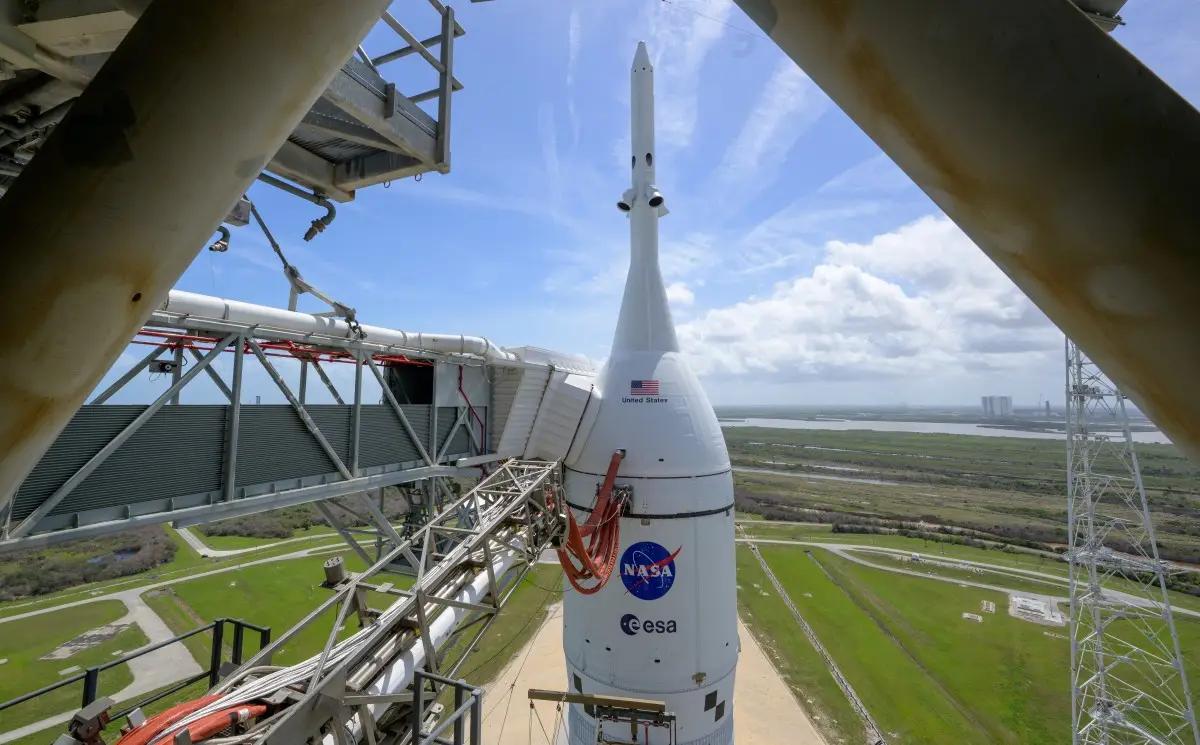
The rocket being used for the Artemis II mission is the Space Launch System rocket, worth $23.8billion. Orion deep space capsule, which cost NASA $20.4 billion, will act as the astronauts' home during the mission. The SLS rocket consists of several parts, including a launch system. The Orion capsule sits on top. The entire thing put together is taller than Big Ben.
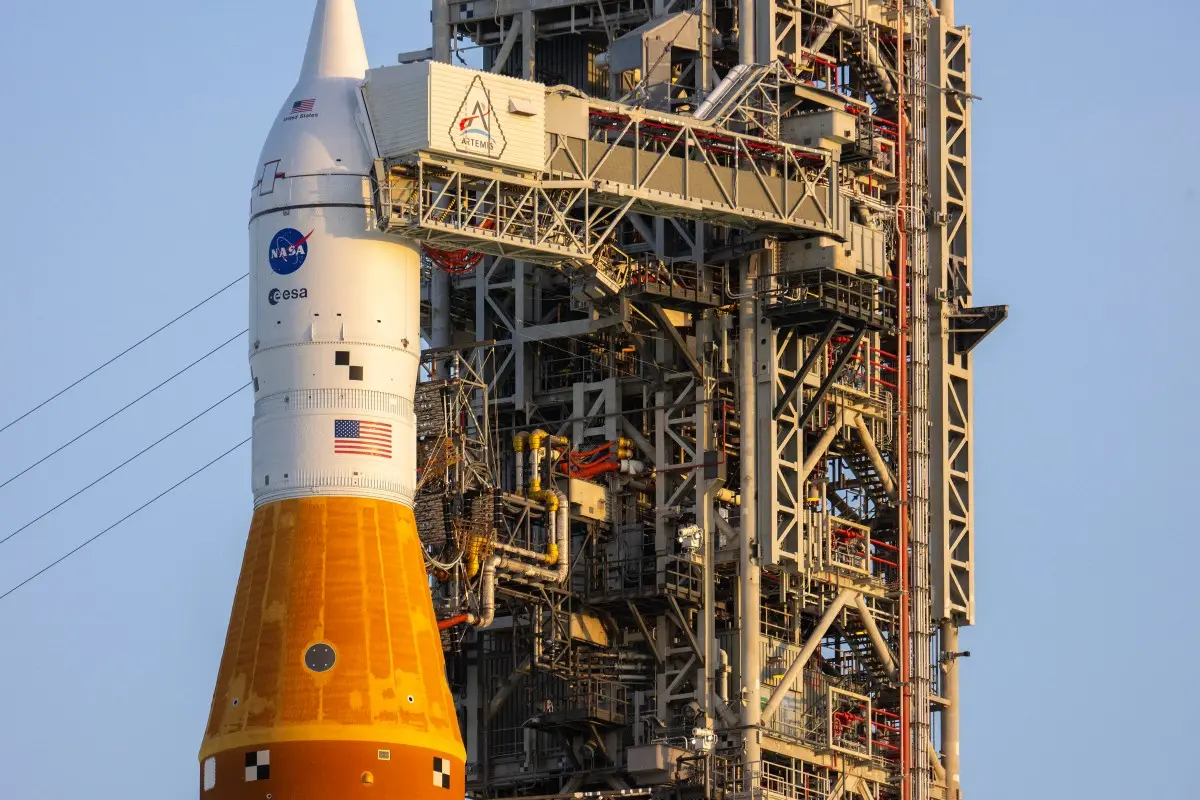
What will happen during Artemis II launch?
During takeoff, four RS–25 engines will fire non–stop for 8.5 minutes. Two boosters will provide additional momentum, and together, all of it will produce 8.8 million pounds of thrust, a record in the history of space science. After the launch, the Orion crew capsule will separate from the rocket's upper stage and enter a highly elliptical orbit around Earth.
What will astronauts do during the Artemis II mission?
The crew will carry out several tests aboard the Orion during their journey. They will carry out extensive systems checks, testing the spacecraft's life support, propulsion, navigation and communications systems. All these need to be in top-notch quality before they ultimately head to deep space and towards the Moon. After reaching the Moon, they will check more systems and take pictures of the lunar surface from above.
NASA’s Artemis II Launch Mission: Return trip home
NASA is using the Moon's gravity to slingshot Orion back towards Earth. This "free-return trajectory" means that the spacecraft can travel back home without needing a massive engine burn. For this, Orion is travelling 7,400 km beyond the far side of the Moon. After this, Earth’s gravity will pull the spacecraft back automatically.
Watch Artemis II LIVE timings: How and where to watch
Live coverage of operations to load propellant into the SLS rocket begins at 7:45 am - Watch on NASA’s YouTube channel.
Main coverage begins at 12:50 pm. - Watch on NASA+
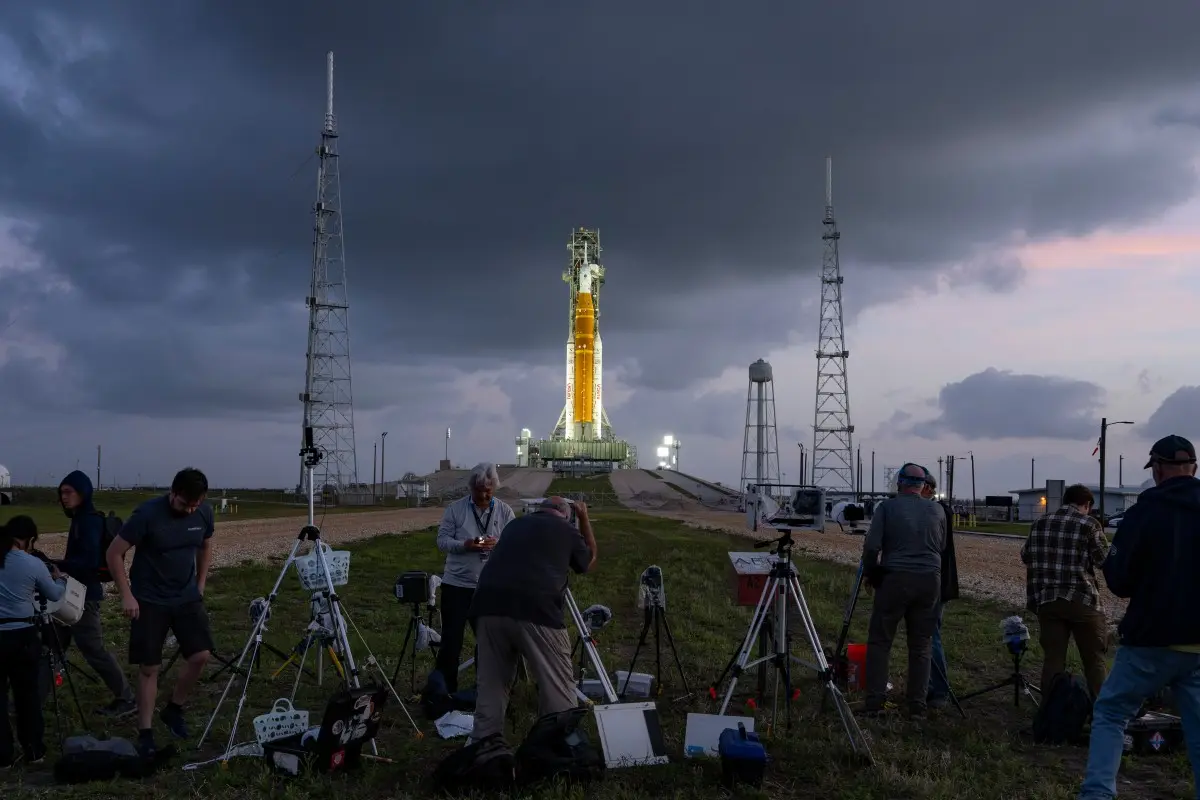
Launch from Kennedy Space Center in Florida at 6:24 pm ET.
)
)
)
)
)