NASA's Artemis 2 Mission: How AI will help humans on their journey to the Moon

Scheduled for April 2026, NASA's Artemis II mission will send four astronauts beyond the Moon using the powerful SLS rocket, Orion spacecraft, and advanced AI to pave the way for a permanent lunar base.
Transition to Sustained Lunar Exploration
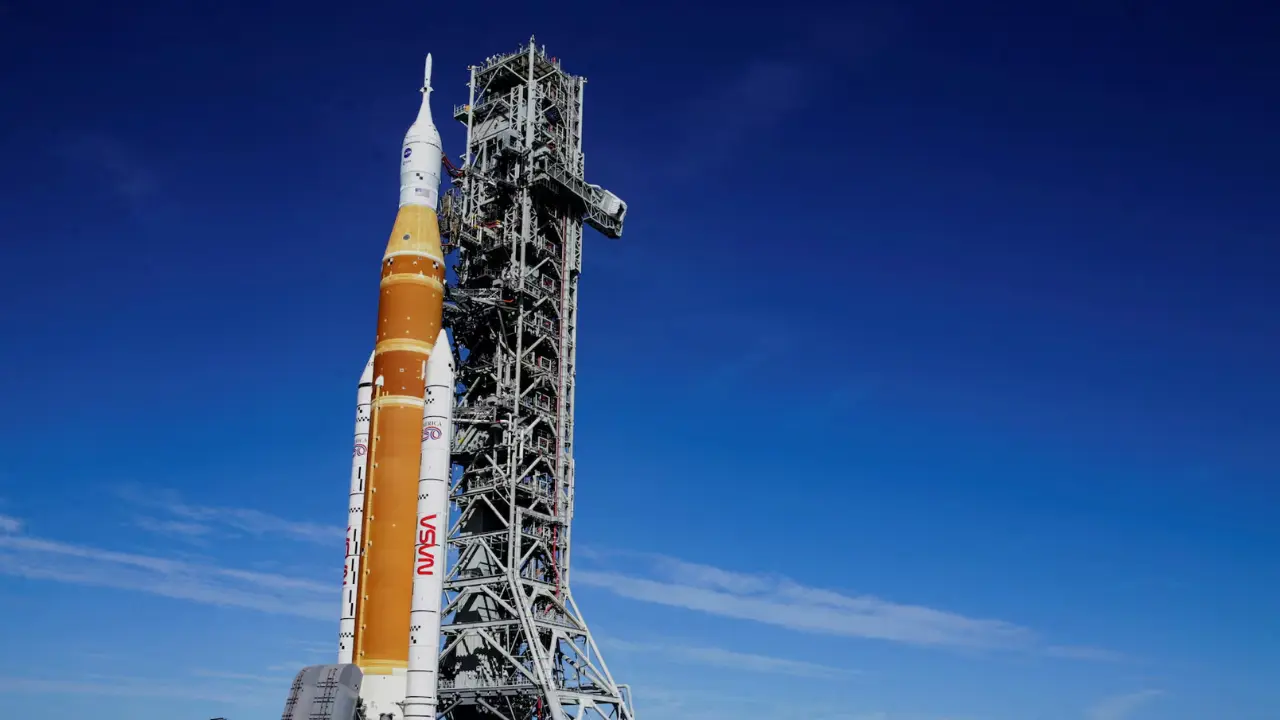
Slated for lift-off no earlier than the first of April 2026, NASA intends to launch a ten-day expedition that fundamentally shifts space travel from mere lunar visits to establishing a permanent planetary footprint. Four crew members will traverse more than half a million miles to circumnavigate the dark side of the Moon, pushing human boundaries and testing essential mechanics for future habitation, including eventual journeys to Mars.
The Enormous Space Launch System
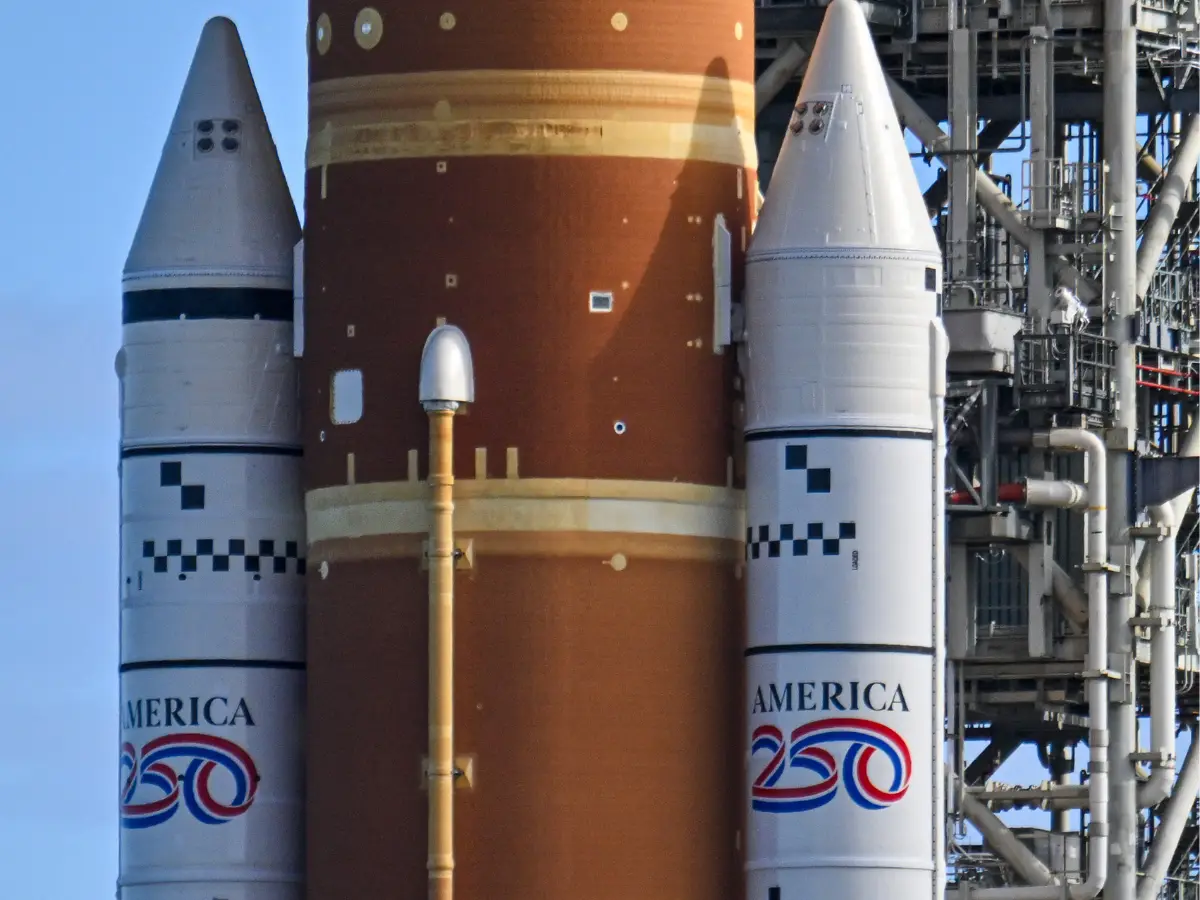
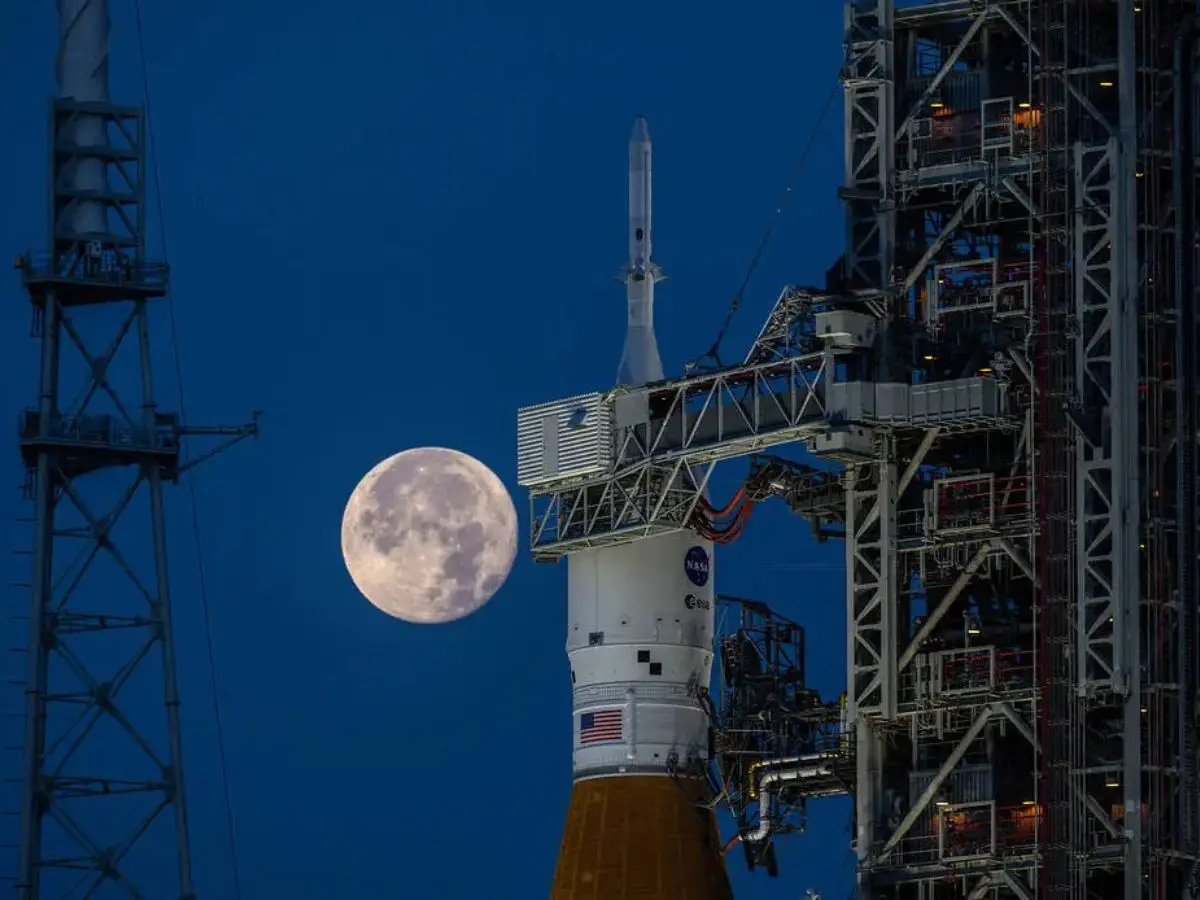
Driving this monumental future lunar voyage is the Space Launch System, which stands at ninety-eight meters and is recognized as the most formidable rocket ever constructed by the space agency. Its core stage holds upwards of three million liters of liquid oxygen and liquid hydrogen, flanked by dual solid rocket boosters. The manufacturing processes for this colossal launch vehicle have rigorously pushed the absolute boundaries of modern materials science.
Orion Spacecraft Enhancements and AI Integration
Perched atop the towering rocket is the Orion capsule, outfitted with a modernized glass flight deck featuring ceiling-mounted digital control boards optimized for microgravity operations. Unlike older Apollo models, this vessel includes specialized hydration dispensers and an updated waste management facility. Prior to flight readiness, technicians had to resolve engineering hurdles by replacing an electrical harness within the flight termination system and repairing a dislodged helium flow seal. Furthermore, the expedition will heavily rely on artificial intelligence, complex algorithms, and digital twin simulations to monitor life support systems and plot trajectories, though the crew will conduct manual handling tests.
European Service Module Innovations
Sustained operation during the mission will be heavily reliant on the European Service Module, a joint creation by Airbus and the European Space Agency equipped with thirty-three individual engines. This crucial module will manage the craft's thermal regulation, electrical generation, and propulsion. Utilizing a sophisticated network of cooling plates and radiators, the module is designed to shield the astronauts and internal electronics from the brutal temperature swings of the lunar space environment, which can range from negative two hundred degrees to positive two hundred degrees Celsius.
Solar Energy and Radiation-Hardened Computing
Breaking away from traditional fuel cell usage, the deep-space transport vehicle will rely on nineteen-meter, cross-shaped solar arrays containing over fifteen thousand gallium arsenide cells to produce 11.2 kilowatts of power, enough to sustain two standard homes. The logical operations of the vessel will be governed by vehicle management processors adapted from commercial Boeing 787 flight computers. These processors are specifically fortified to survive the high radiation of the Van Allen belts, utilizing a continuous cross-checking mechanism where any computer malfunctioning from radiation interference is instantly outvoted by its peers.
Biological Research and Crew Objectives
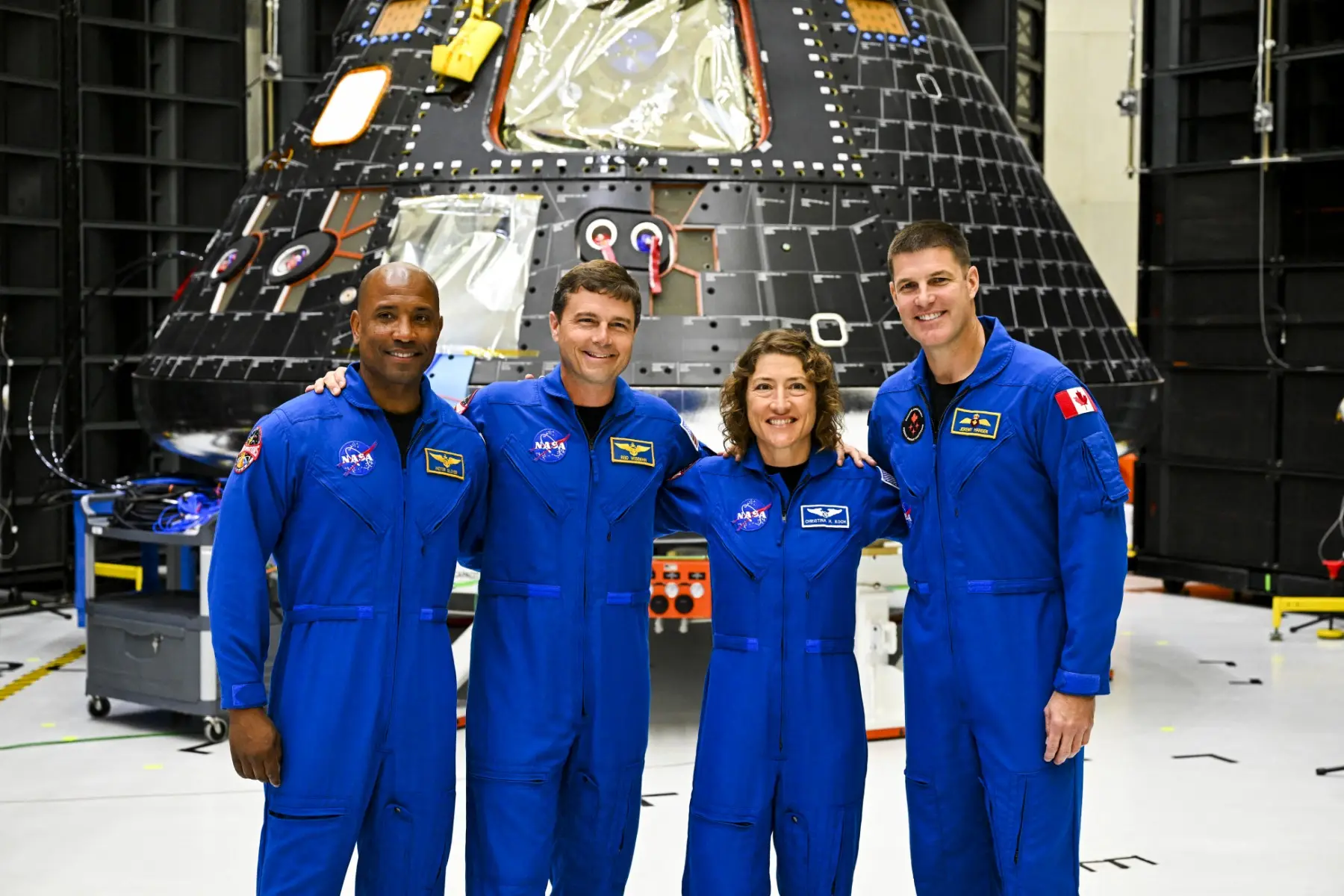
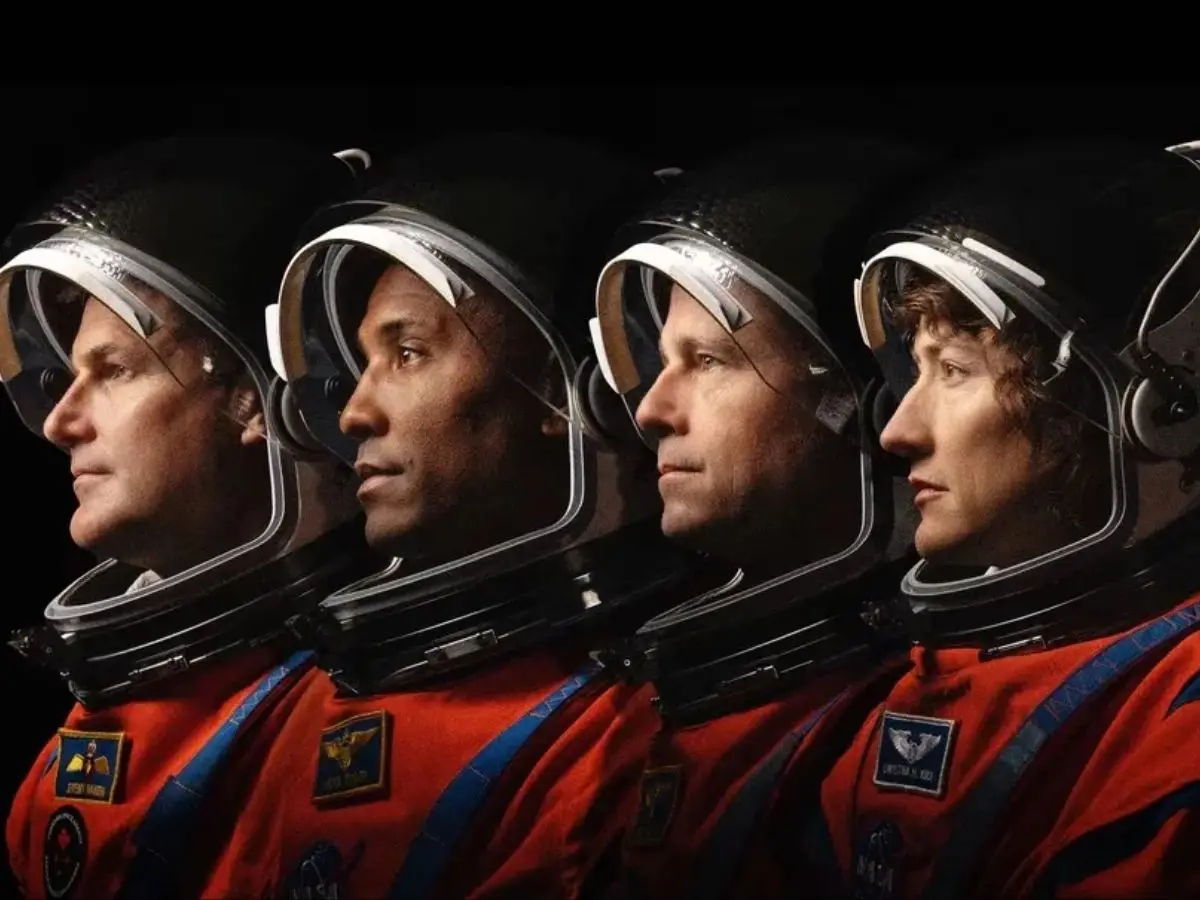
The selected personnel, Commander Reid Wiseman, Pilot Victor Glover, alongside Mission Specialists Jeremy Hansen and Christina Koch, bring extensive expertise to the operation. In addition to observing unprecedented lunar landscapes, the team will function as biological test subjects. Throughout the deep-space transit, the individuals will wear specialized dosimeters to track their radiation absorption and will yield saliva specimens to help researchers understand the impact of deep-space exposure on the human immune response.
A Terrifying Atmospheric Re-Entry
Following a close lunar pass where earthbound communications will sever for up to fifty minutes, the spacefarers will embark on a four-day return transit. The voyage will conclude with an incredibly intense atmospheric re-entry process where the vessel will strike the Earth's atmosphere traveling at twenty-five thousand miles per hour. During this perilous phase, the craft's specialized thermal barrier must endure extreme heat reaching two thousand seven hundred degrees Celsius, which equates to approximately half the temperature of the sun's surface.
)
)
)
)
)