NASA confirms discovery of 6,000 alien planets outside our solar system, could life exist out there?

This number is not static; new discoveries are added regularly by astronomers worldwide, and more than 8,000 additional candidate planets are awaiting confirmation.
A milestone in the search for other worlds
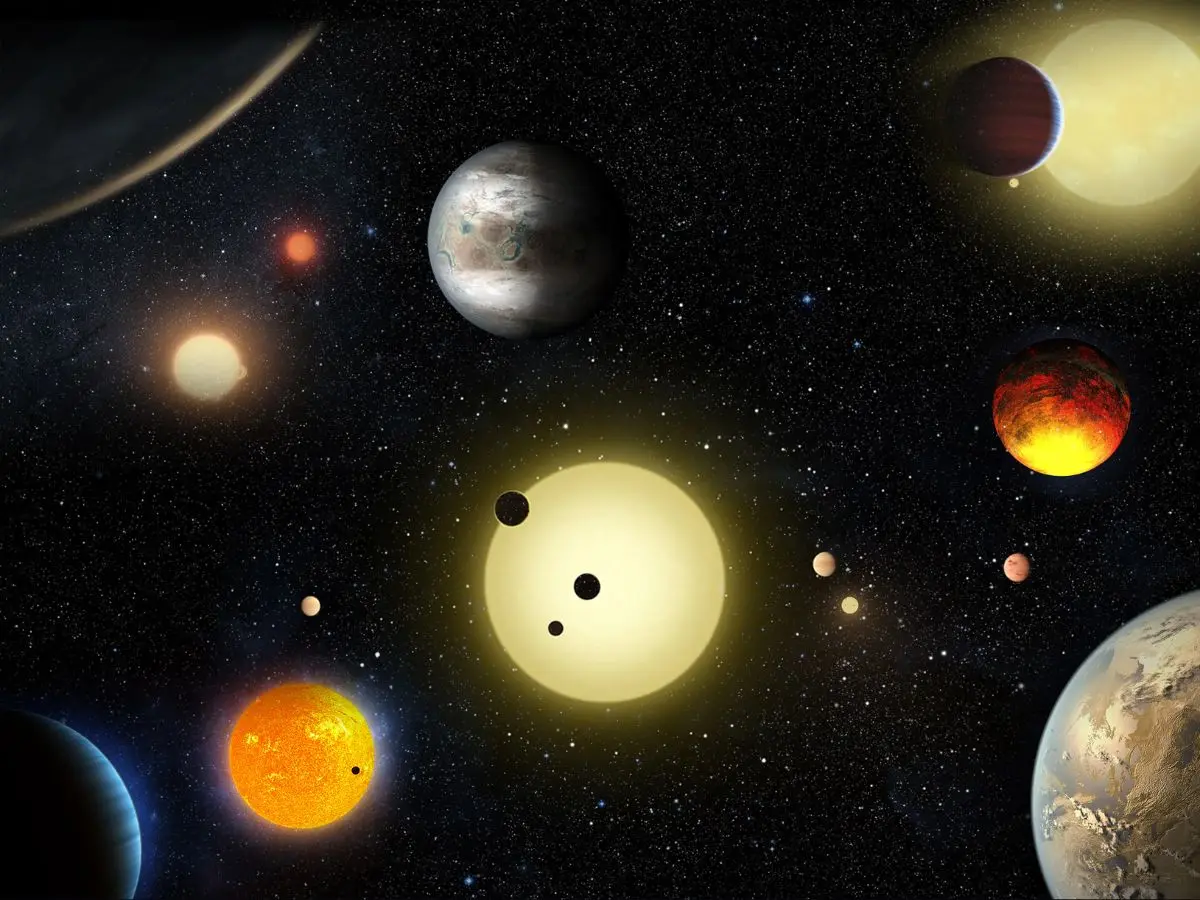
Nasa has confirmed a milestone in planetary science: the discovery of 6,000 exoplanets, planets orbiting stars beyond our Solar System. The tally is maintained by the Nasa Exoplanet Science Institute (NExScI) at Caltech’s IPAC in Pasadena, California, and represents over three decades of exploration since the first worlds were detected in the 1990s. This number is not static; new discoveries are added regularly by astronomers worldwide, and more than 8,000 additional candidate planets are awaiting confirmation.
From the first exoplanet to thousands more
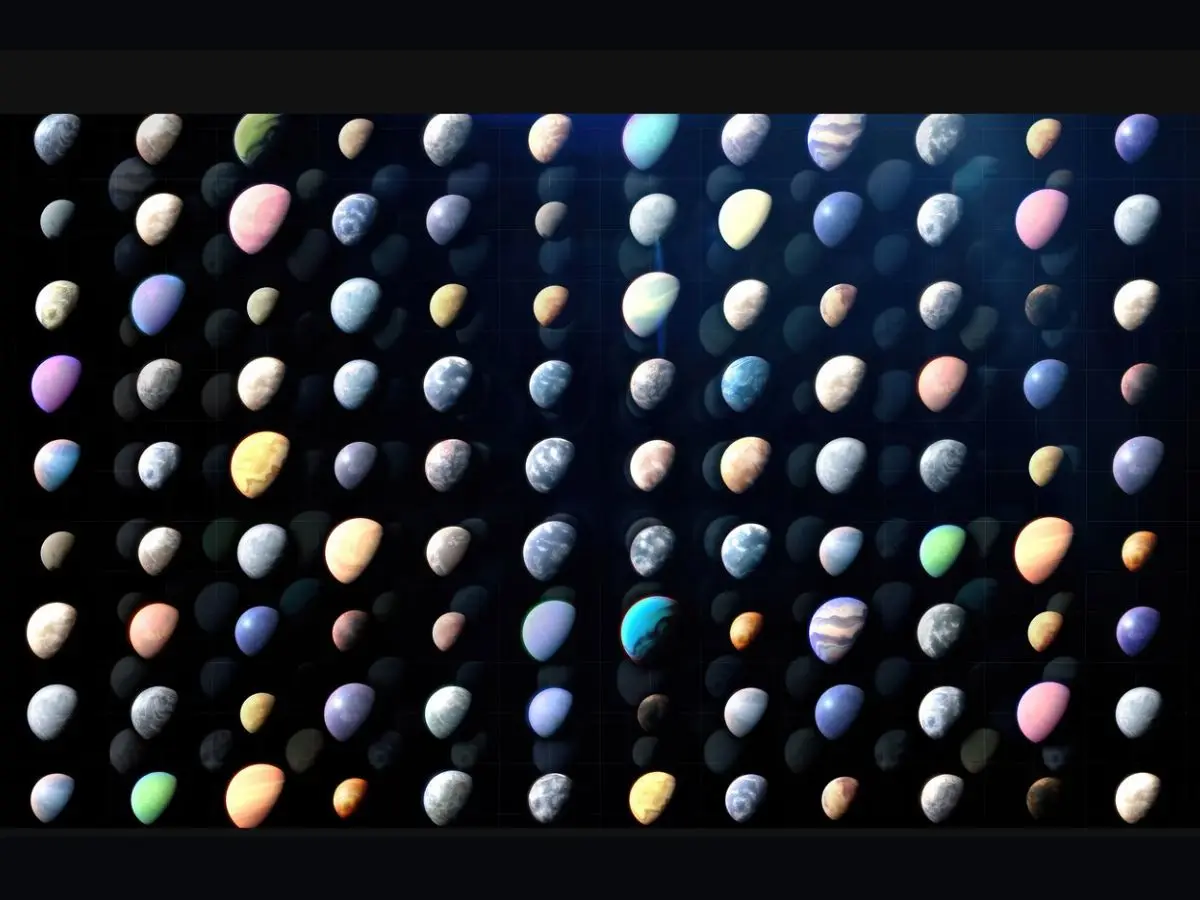
The story began in 1995, when scientists discovered the first planet orbiting a Sun-like star, a finding that transformed astronomy. While a few planets around collapsed stars had been noted earlier, it was the detection of this gas giant around 51 Pegasi that proved planetary systems like our own could be common. Since then, Nasa’s telescopes, including Kepler, TESS, Hubble, and the James Webb Space Telescope, have played a central role in detecting and characterising alien worlds. The pace has accelerated dramatically: the count stood at 5,000 just three years ago.
How exoplanets are found
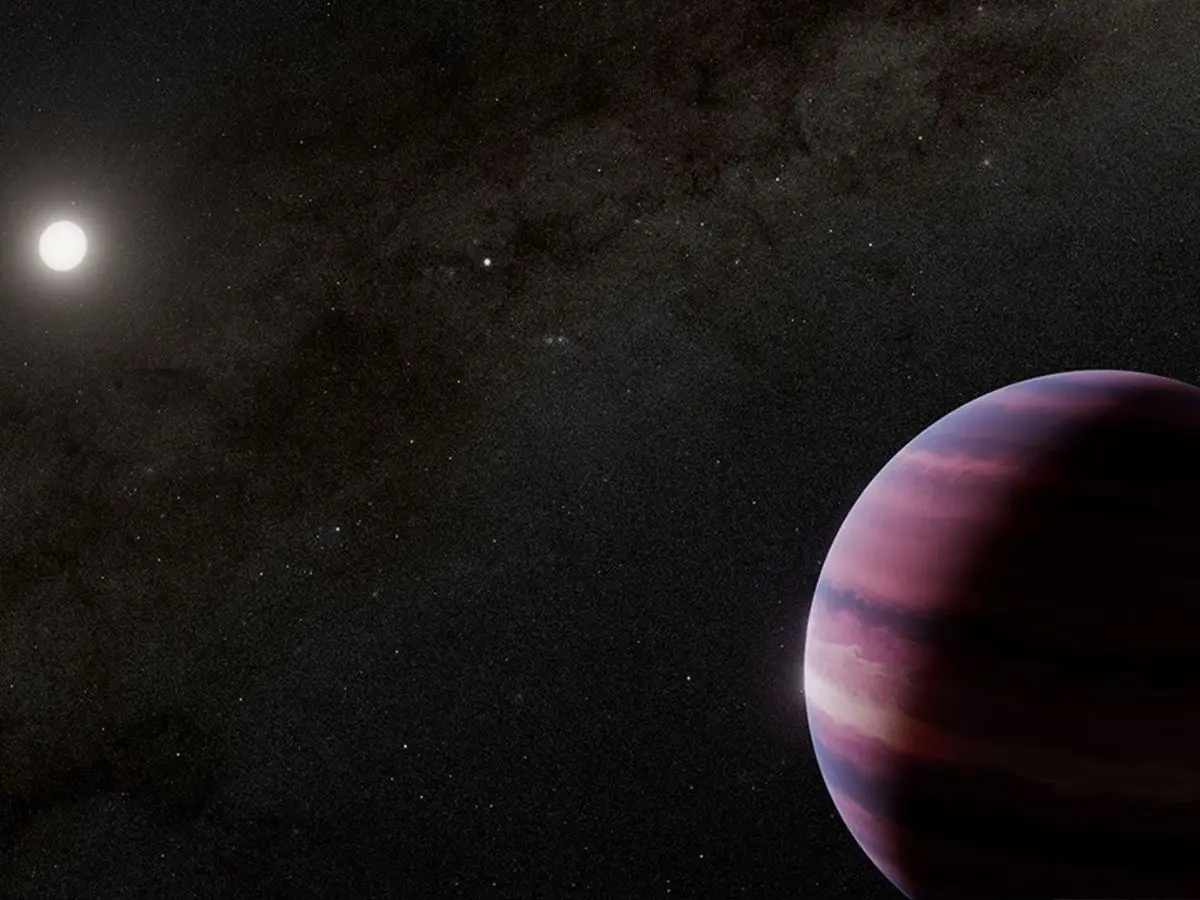
Direct images of exoplanets remain rare, with fewer than 100 captured so far, as most are lost in the glare of their parent stars. Instead, astronomers rely on indirect methods. The most productive has been the 'transit' technique, where a star briefly dims as a planet crosses in front of it. Other methods include measuring stellar wobble caused by a planet’s gravity, using microlensing events when a planet passes in front of a background star, and astrometry, which tracks the motion of stars in the sky. Each technique adds new classes of planets to the growing catalogue.
A gallery of strange worlds
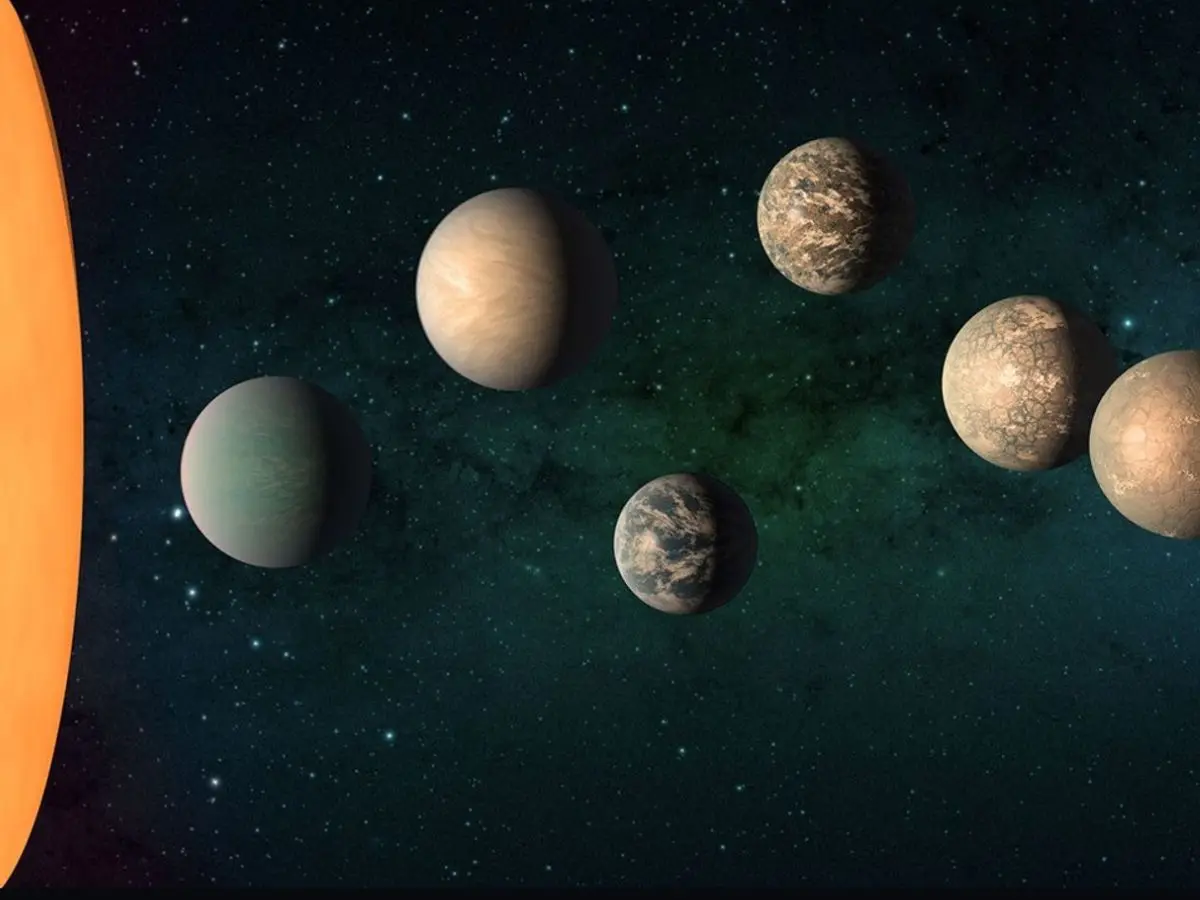
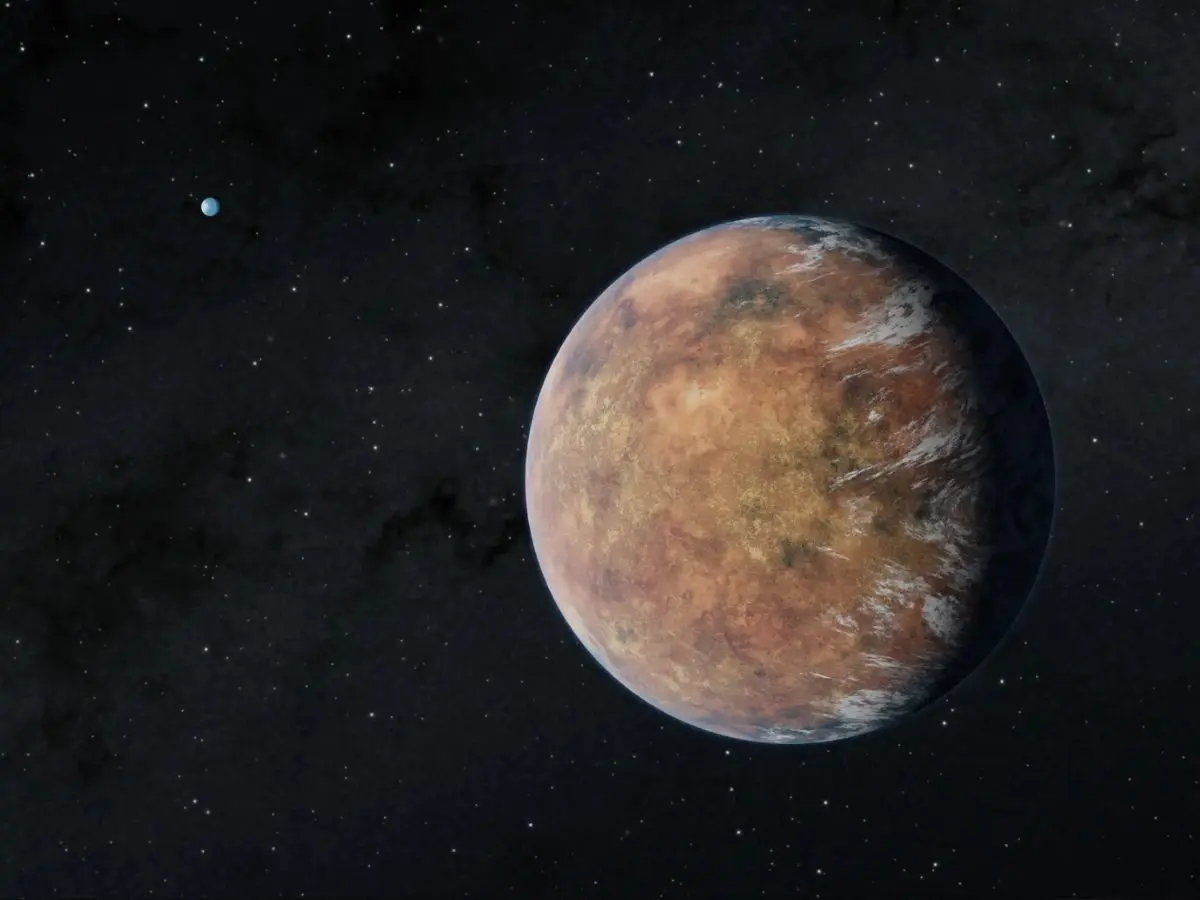
The discoveries have revealed astonishing diversity. Some planets are 'hot Jupiters', gas giants orbiting closer to their stars than Mercury is to the Sun. Others circle two stars, none at all, or even dead remnants of stars. Some are rocky and Earth-sized, others bloated and low-density, while a few may be covered in oceans or cloaked in clouds of metal and gemstones. Compared with our Solar System, rocky planets appear more common in the galaxy, challenging assumptions about how planetary systems form.
Knowledge and the question of life
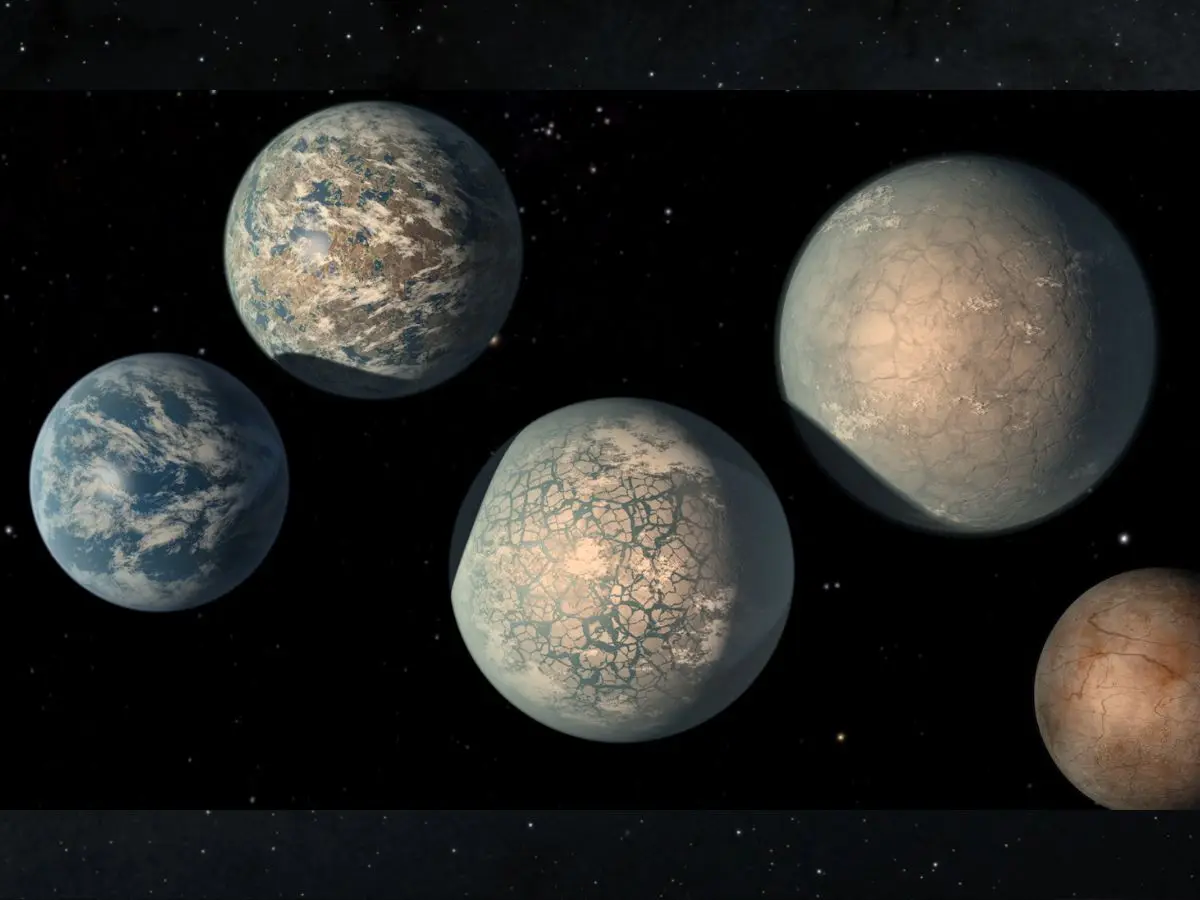
Each planet discovered provides data on how worlds are born, evolve, and survive. As Dawn Gelino of Nasa’s Exoplanet Exploration Program has noted, understanding the variety of planets is essential if humanity hopes to answer whether we are alone in the universe. Studying atmospheres, in particular, offers the best chance to detect biosignatures, gases or chemical patterns that may indicate life. The James Webb Space Telescope has already begun examining the chemistry of dozens of exoplanet atmospheres.
Future missions and the next leap
Nasa is preparing for the Nancy Grace Roman Space Telescope, due to launch later this decade, which will use gravitational microlensing to discover thousands more planets. It will also test new coronagraph technology, designed to block starlight and make faint planets visible. Beyond Roman, Nasa is planning the Habitable Worlds Observatory, an ambitious mission aimed at directly detecting Earth-sized planets and probing their atmospheres for signs of life.
A universe of possibilities
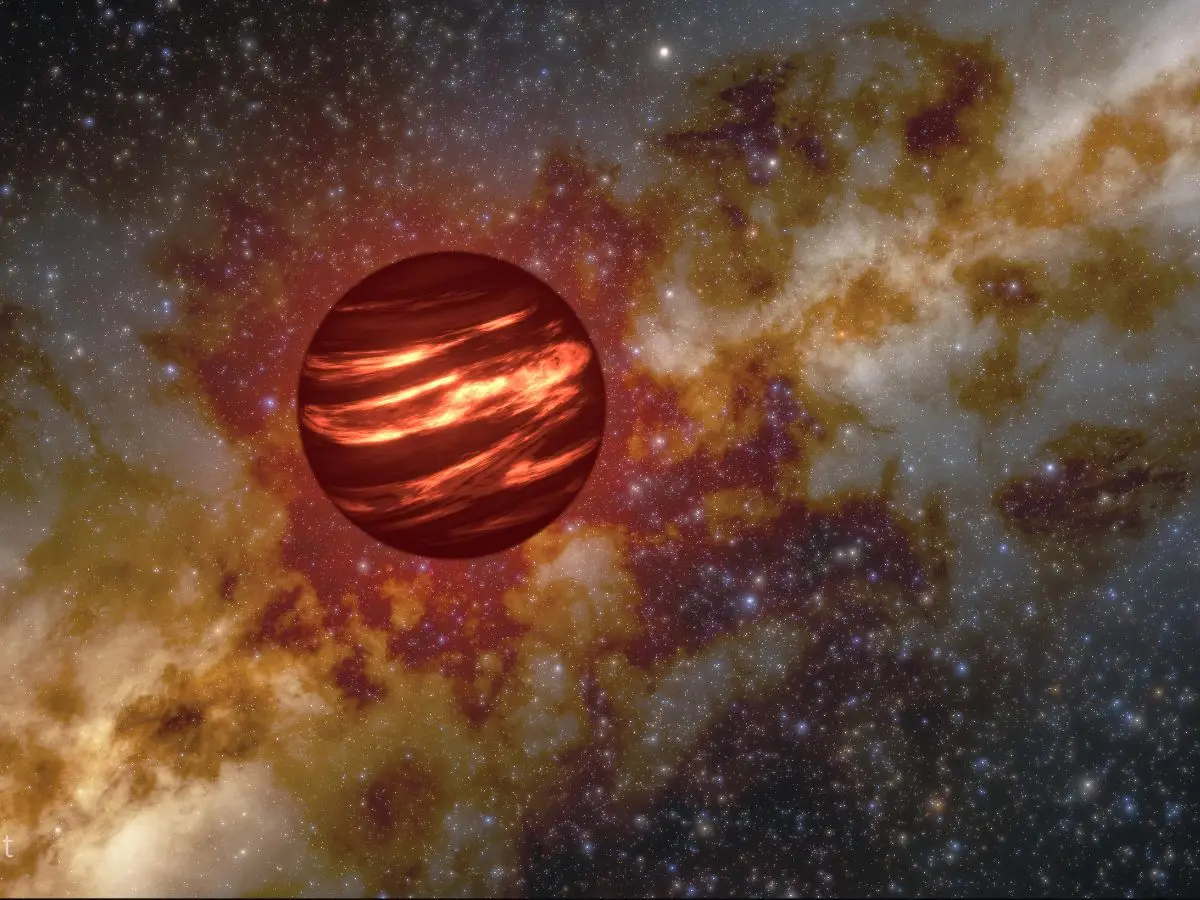
The confirmation of 6,000 alien planets marks just the beginning. Astronomers believe billions exist in the Milky Way alone, waiting to be uncovered. With new tools and missions on the horizon, the catalogue will continue to grow, offering not just numbers but deeper insight into where Earth fits among the countless worlds of our galaxy, and whether any of them could harbour life.
)
)
)
)
)