Narcissistic mindset? How ‘solo travellers' like Bonnie Blue are pushing young women into dangerous and illegal situations

Psychologists have observed that certain types of solo travel content, may reflect traits such as grandiosity, low accountability, a need for admiration and impulsive risk-taking.

1. Solo travel has become a social-media identity — and it increasingly rewards self-centered behaviour
Before her detention in Bali, Bonnie Blue (real name Tia Billinger) built her brand as a solo-travelling content creator. She visited multiple countries, often documenting her trips with provocative humour and challenges that blurred the line between travel content and adult entertainment. Her independence, constant movement and unconventional travel choices became a defining part of her following and shaped the kind of high-risk content she produced.

Solo Travelling linked to self-centrism, constant self-presentation, seeking admiration, validation and attention
Solo travelling has exploded into a global trend, particularly among young women who portray it as a path to empowerment, freedom, and independence. Platforms like Instagram and TikTok have turned solo travel into a brand, encouraging travellers to document every moment in curated, self-focused content. Psychologists note that social media reinforces behaviours linked to self-centrism, constant self-presentation, seeking admiration, validation and attention, where the individual becomes the star of the journey. While this doesn’t make all solo travellers narcissists, it does mean the culture structurally rewards narcissistic traits.

2. Some psychologists warn that extreme solo traveller personas overlap with narcissistic tendencies
According to various reports like Journal of Personality and Social psychology, psychologists have observed that certain types of solo travel content, especially when monetised, may reflect traits such as grandiosity, low accountability, a need for admiration and impulsive risk-taking. These traits are associated with narcissistic personality patterns. Psychologists studying influencer behaviour also note that “performative independence” can mask deeper issues like avoidance of responsibility, hyper-individualism, or thrill-seeking that overrides judgment. These patterns aren’t universal, but they appear frequently in influencer culture, which overlaps heavily with solo travel branding.
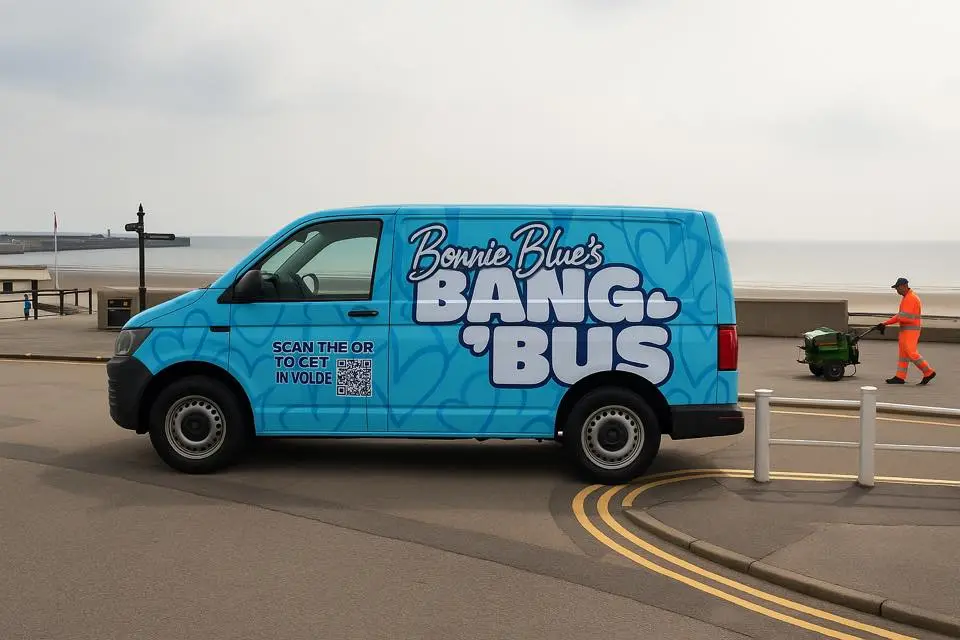
3. Bonnie Blue’s case shows how a self-driven, boundary-pushing mindset can spiral into legal danger
Bonnie Blue (Tia Billinger), a British content creator detained in Bali, represents the extreme edge of this mindset. Her online persona thrives on shock value, risk-taking and uninhibited independence, traits that align with what psychologists call “high-sensation self-orientation.” When applied in countries with strict legal systems, this mindset creates a recipe for conflict. Bonnie’s detention after a raid involving alleged “BangBus-style” activities illustrates how a self-focused approach to travel and content creation can lead women into situations where they underestimate legal, cultural and personal risks.
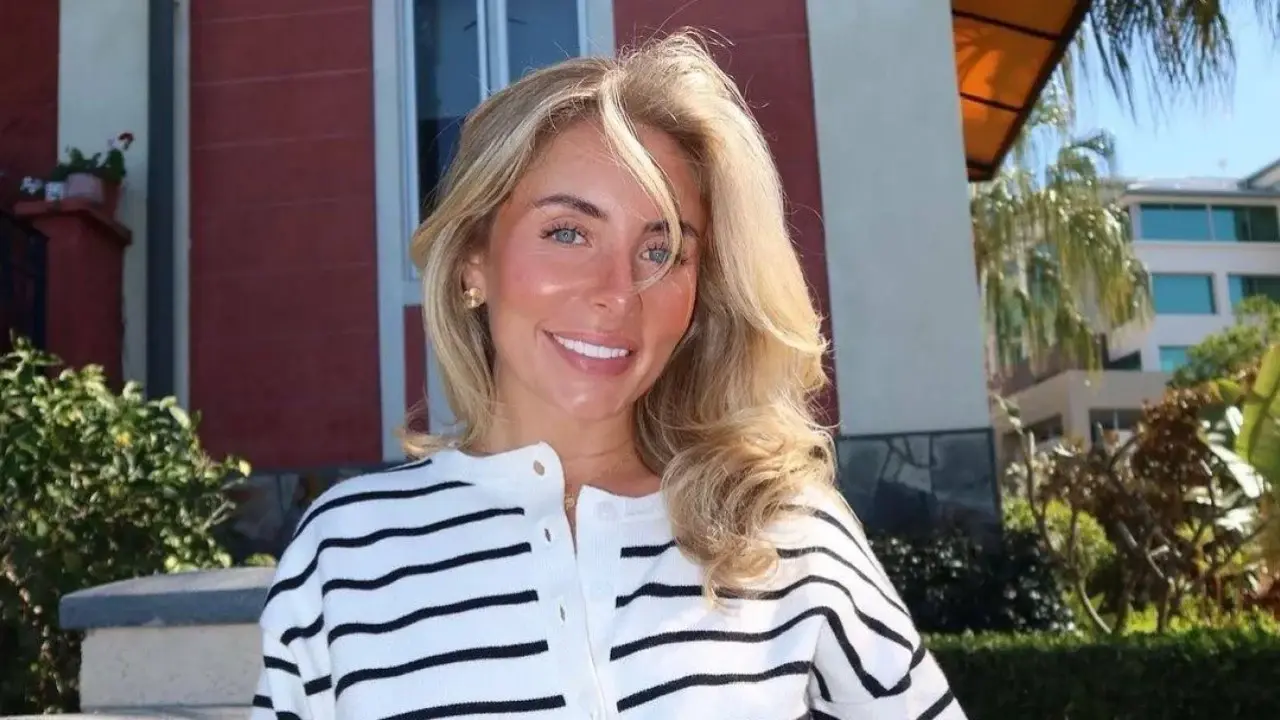
4. The narcissistic edge of solo travel: validation, thrill-seeking, and zero accountability
Experts in behavioural psychology point out that some travellers are drawn to solo travel not for exploration, but for ego reinforcement, the desire to be admired for being bold, different, or “fearlessly independent.” This type of travel often demands constant external validation: likes, followers, paid subscribers. The pursuit of increasingly daring content can push creators toward rule-breaking, confrontational behaviour, or illegal filming, especially when the traveller believes they exist outside local norms.
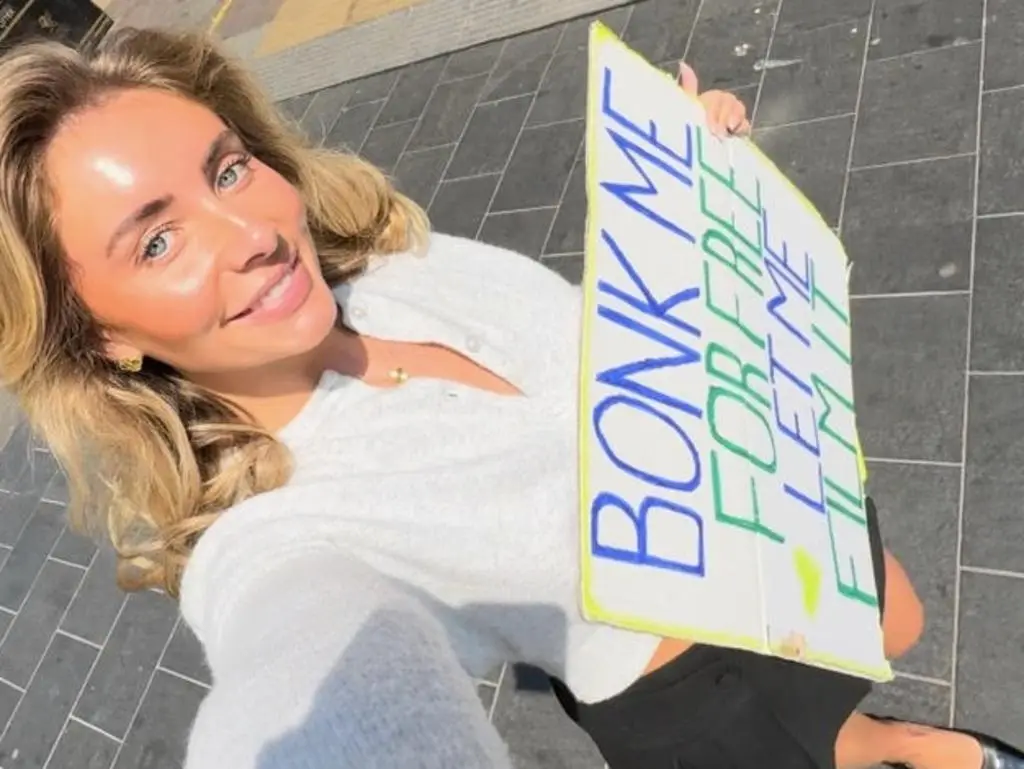
5. Social media algorithms amplify the most extreme personalities
Platforms reward narcissistic traits:
- self-display
- risk-taking
- boundary-pushing
- shock content
- performative independence
Psychologists studying influencer behaviour argue that the algorithm moulds creators into more extreme versions of themselves. For solo travellers, this can mean elevating the “I don’t care about rules, I do what I want” persona, the same mindset that has landed several influencers, not just Bonnie Blue, in legal trouble in countries with strict public morality laws.

6. Solo travelling also removes protective social structures — making bad decisions easier
Travelling alone removes:
- friends who might stop reckless decisions
- local guides who warn against illegal acts
- accountability from partners or groups
- emotional brakes that prevent impulsive behaviour
This is why psychologists say that extreme independence plus high self-focus can create dangerous spirals. When the traveller sees themselves as the hero, the protagonist, or the exception to the rules, they become far more likely to violate them, sometimes unintentionally, sometimes knowingly.

7. Bonnie Blue’s Bali situation is a warning about the risks of self-centered travel culture
Her case does not prove that all solo travellers are narcissists, but it highlights a truth psychologists emphasize: when independence becomes a performance, safety and judgment decline. Bonnie’s self-driven content journey placed her in one of the world’s strictest legal jurisdictions for sexual conduct, where “Western-style freedom” does not exist. The belief that she could act without cultural or legal consequence, a hallmark of self-centered overconfidence, is what ultimately put her in jeopardy.
)
)
)
)
)