Myth or lost tech? Brahmastra, Sudarshan Chakra and 7 ancient weapons science still can’t explain!

Beyond poetic metaphor, they raise an unsettling question: could ancient civilisations have known secrets of destruction and control far beyond what we understand today?
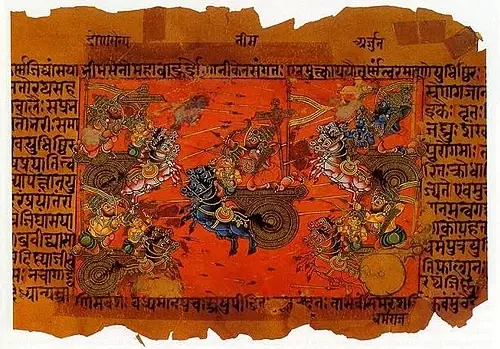
Ancient Weapons
Across centuries of epics, inscriptions and oral tradition, ancient India speaks of weapons whose descriptions challenge the boundaries of science and belief, the weapons so powerful they could scorch battlefields, summon firestorms, or even end the world. Neither fully myth nor provable fact, these mysterious arms defy modern science and hint at a lost mastery of technology, ritual and cosmic forces. Beyond poetic metaphor, they raise an unsettling question: could ancient civilisations have known secrets of destruction and control far beyond what we understand today? Here’s a closer look at the mythical arsenal that still leaves historians and scientists searching for answers.
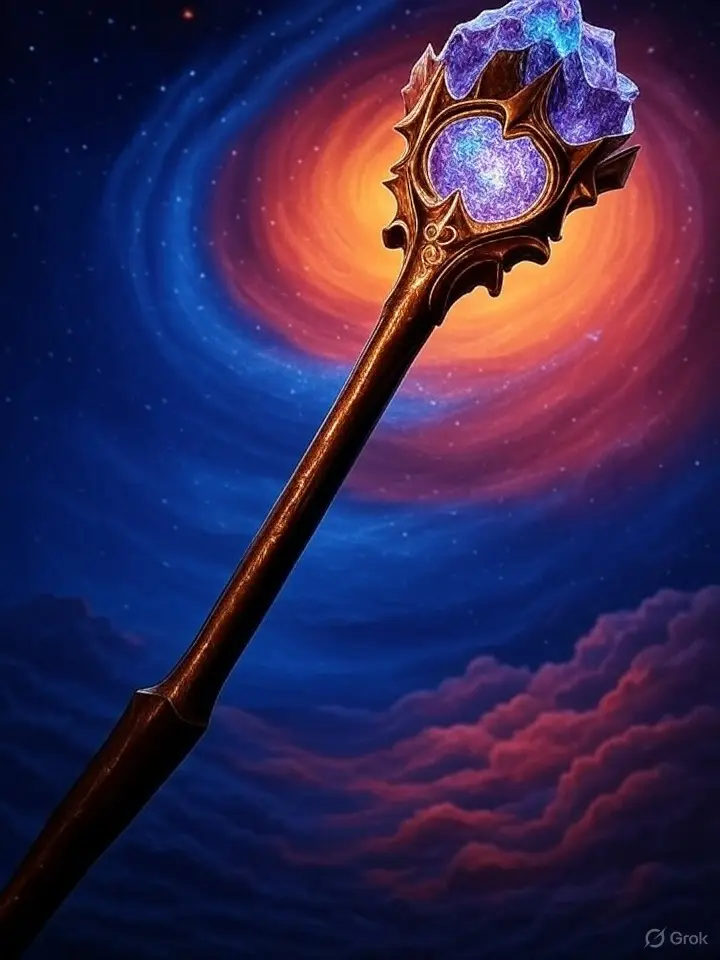
The Brahmastra: Fire from the gods
Among the most storied of ancient weapons, the Brahmastra is often likened to a modern nuclear missile for its sheer destructive force. Said to have been created by Brahma himself, it appears in both the Mahabharata and Ramayana. When unleashed, it could reduce entire cities to ash, dry up rivers and cause months of burning wind. Arjuna and Ashwatthama are among the few warriors believed to have possessed the secret to summon it. Modern scholars have long noted the chilling resemblance of its described effects, radiation-like sickness, long-lasting fires, to nuclear devastation, yet there is no physical evidence that such a weapon ever existed.
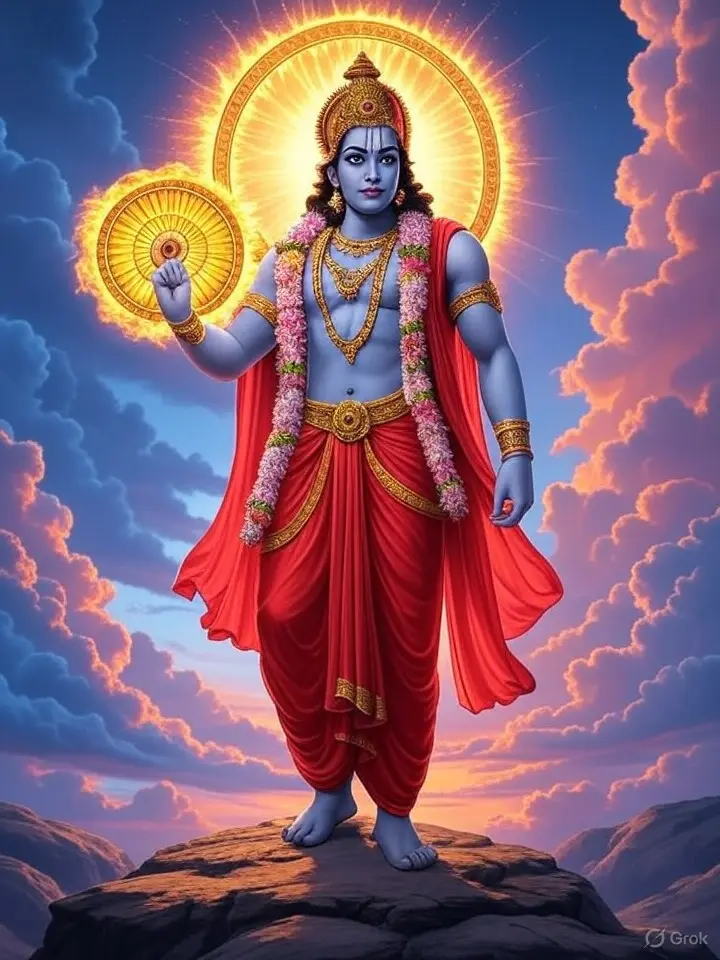
The Sudarshan Chakra: A blade that bends physics
The discus of Lord Vishnu, known as the Sudarshan Chakra, is depicted as spinning endlessly at great speed, capable of slicing through anything and returning instantly to the wielder. In text, it is described not as an ordinary throwing weapon but as guided by thought and impossible to stop once released. Its motion, seemingly defying aerodynamics, and its almost autonomous nature evoke comparisons to modern guided weapons, yet it remains firmly in the realm of legend.
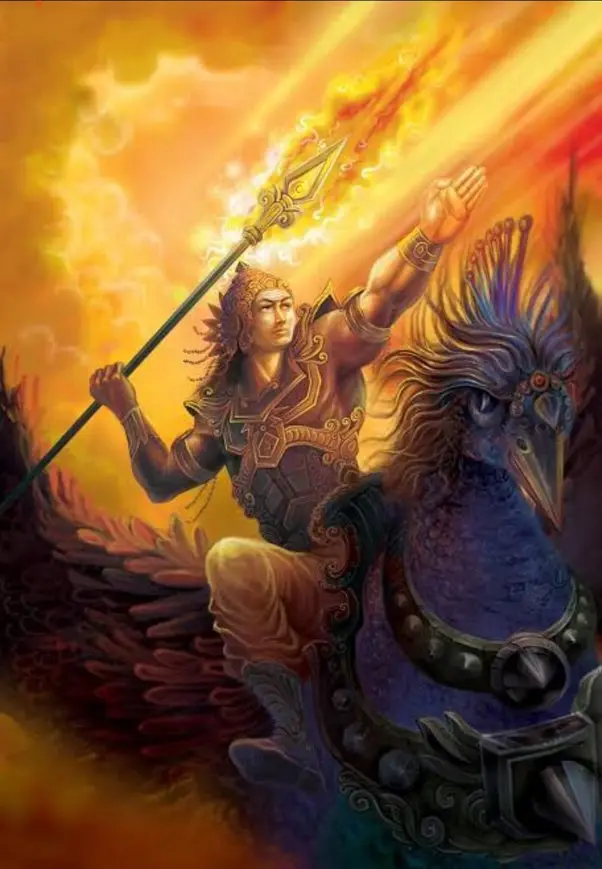
Pashupatastra: Beyond mortal control
Said to have been gifted by Lord Shiva to Arjuna, the Pashupatastra was believed to be so powerful it could destroy the universe if misused. Unlike other astras, it was not released by bow alone but could be unleashed by voice, mind or sight, giving its wielder terrifying flexibility. Texts warn it should never be used against lesser opponents, for its destruction would be absolute. Such descriptions go beyond anything known to modern warfare, representing a force beyond the reach of science.
Narayanastra and Agneyastra: Weapons of elemental fury
The Mahabharata also describes weapons such as the Narayanastra, which unleashed a storm of fiery arrows guided by divine will, and the Agneyastra, which could set entire battlefields ablaze. These astras were said to respond to the opponent’s resistance: the harder one fought, the more destructive they became. The idea of weapons adapting in real time still eludes modern engineering.
Varunastra: the deluge in a quiver
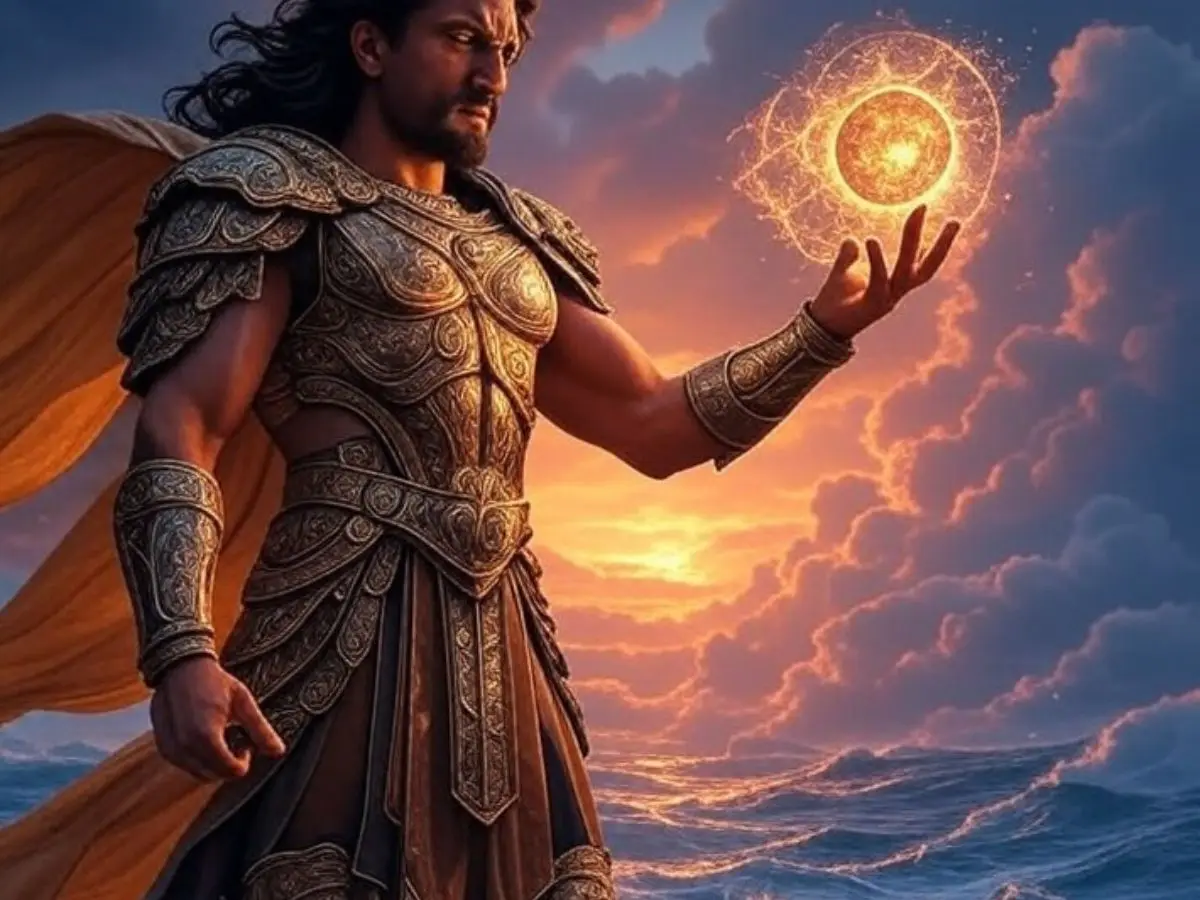
Granted by Varuna, the god of oceans, the Varunastra was believed to summon torrents capable of flooding entire formations. In the Mahabharata, it is described as covering battlefields with unending rain and swelling rivers, drowning the enemy’s ranks. This control over water hints at a mastery of natural forces that modern technology can only partially replicate, such as weather modification, but at a scale and precision still beyond our comprehension.

Nagastra: serpents turned to arrows
The Nagastra, attributed to warriors like Karna and Ashwatthama, unleashed countless serpent-shaped projectiles upon the enemy. These were said to twist and follow targets relentlessly, striking fear by their unpredictable paths. The image of self-guided, writhing arrows echoes modern concepts of swarm drones or heat-seeking missiles, though described centuries before such technology was conceived. Texts also note rituals to neutralise the Nagastra, showing an understanding of countermeasures well before formal doctrines of electronic warfare.
Myth, memory or lost science?
Historians debate whether these weapons were metaphors, highly exaggerated accounts of advanced metallurgy, or glimpses of knowledge long forgotten. While ancient texts describe their use in precise detail, down to invocation chants and ritual requirements, there is no archaeological evidence to prove their existence. However, some scholars point to ancient temple carvings and sculptures that clearly depict gods wielding these very weapons, suggesting that at the very least, the idea of such powerful astras held deep cultural significance in early Indian society.
)
)
)
)
)