Fast Radio Bursts, Oumuamua, Dark Matter: Most mysterious objects in the universe that still baffle scientists

From black holes to dark matter and fast radio bursts, the universe is filled with mysterious objects scientists are still trying to understand. Explore the cosmic phenomenon and objects that defy explanation and could hold the secrets to the origin and fate of the universe.
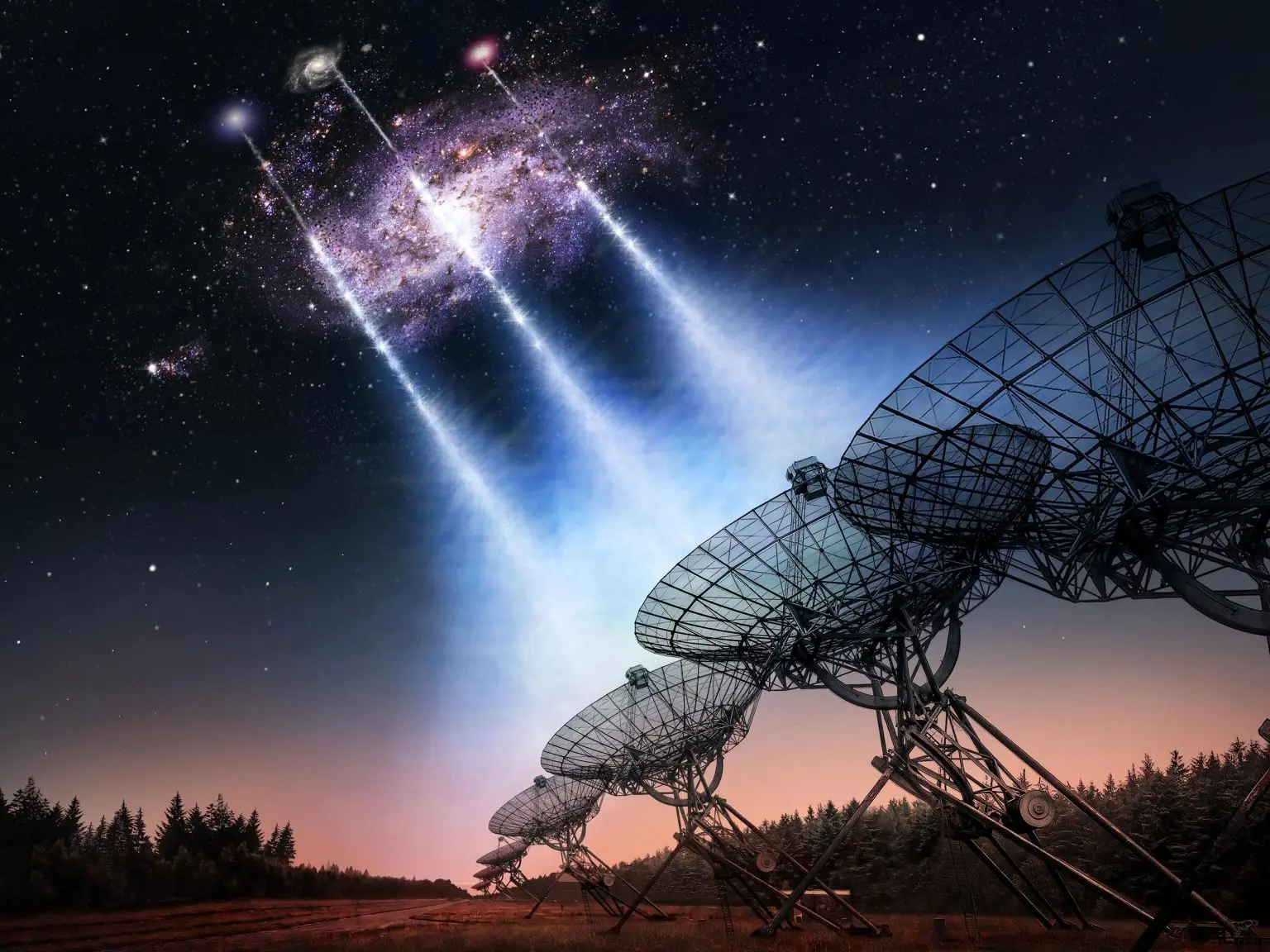
Fast Radio Bursts
These are the brightest explosions in the universe. They emit millisecond-long radio waves from deep space. These waves travel through many galaxies to Earth. The purpose and origin of these radio signals are debated.
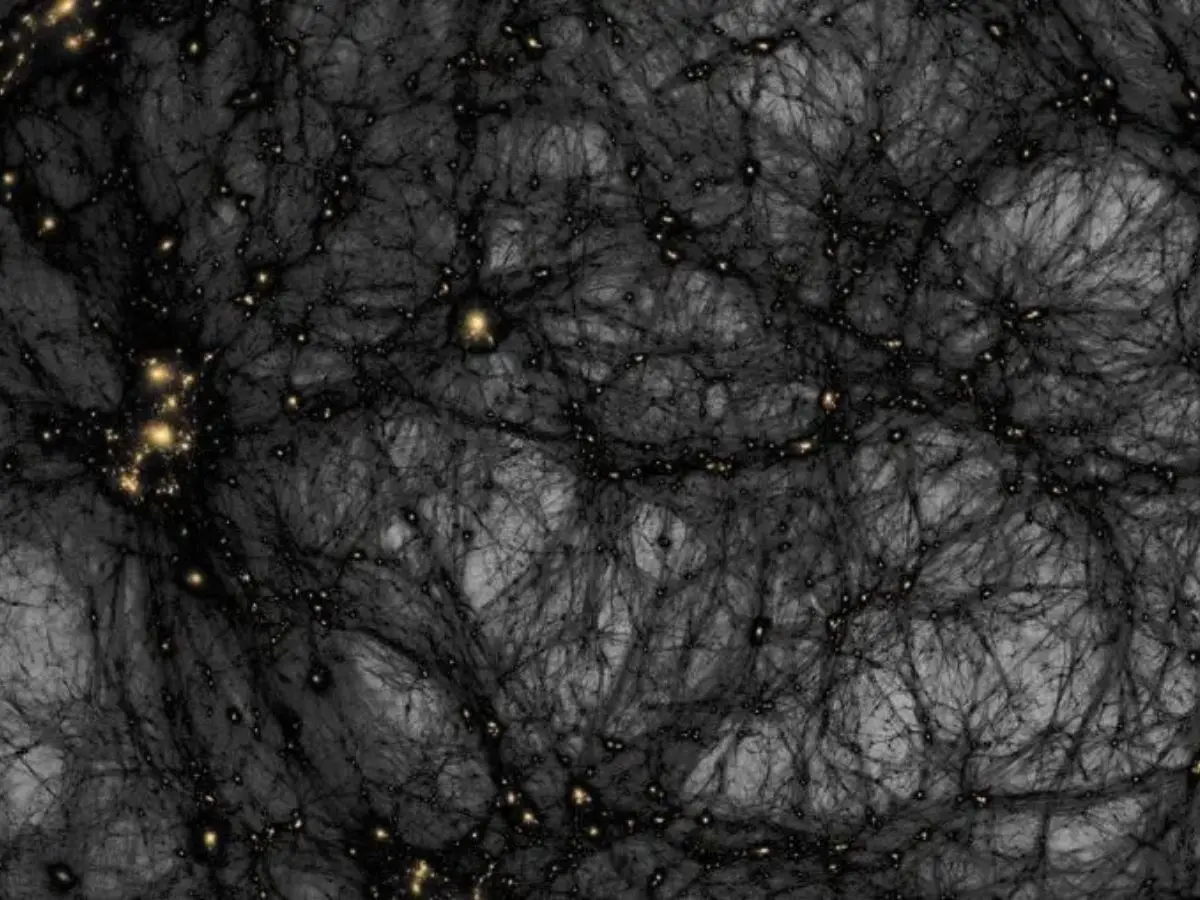
Dark Matter
Scientists are still trying to understand what dark matter is. It is an invisible matter that doesn't emit or absorb light. But its gravitational push has been felt by observers. According to scientists, when they observed the universe, they found that there is not enough visible matter and its gravity is not strong enough to have complex formations of galaxies and stars; they should have been scattered away. But they are not; everything is in place. Scientists posited that dark matter is helping them stay in their place. It is said that almost 25 per cent of the universe is dark matter compared to the 5 per cent visible matter. But there had been very little information about the nature, composition of these matters. Scientists just know that something is out there, and there is a lot of it, and it interacts with gravity.
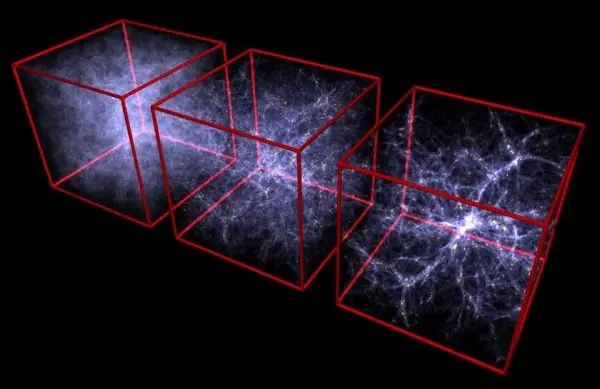
Dark Energy
Dark energy makes up almost 70 per cent of the universe. Scientists have not been able to measure it or detect it, but have felt its effect. Earlier, theories of gravity projected that the pull of gravity would cause the expansion to slow down and stop it or pull it closer together and collapse into a single point. In 1929, Edward Hubble determined that the universe is expanding. More recent discoveries show that the expansion of the universe is accelerating. As the universe is expanding, space doesn't change its properties; there is just more space created from nowhere. So, Dark energy is intrinsic to the creation of the new empty space.
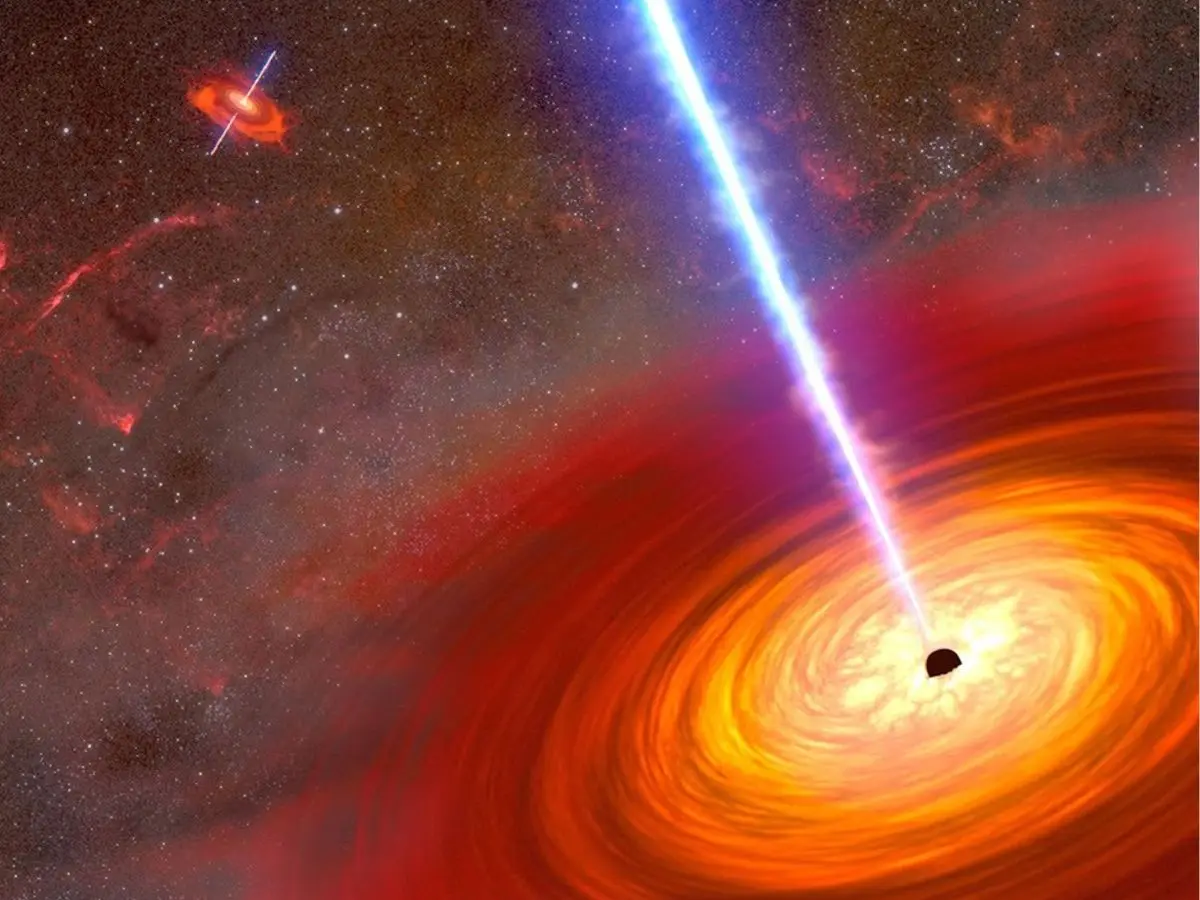
Quasar
Hyper-bright galactic cores powered by supermassive black holes. They shine brighter than entire galaxies.
Antimatter
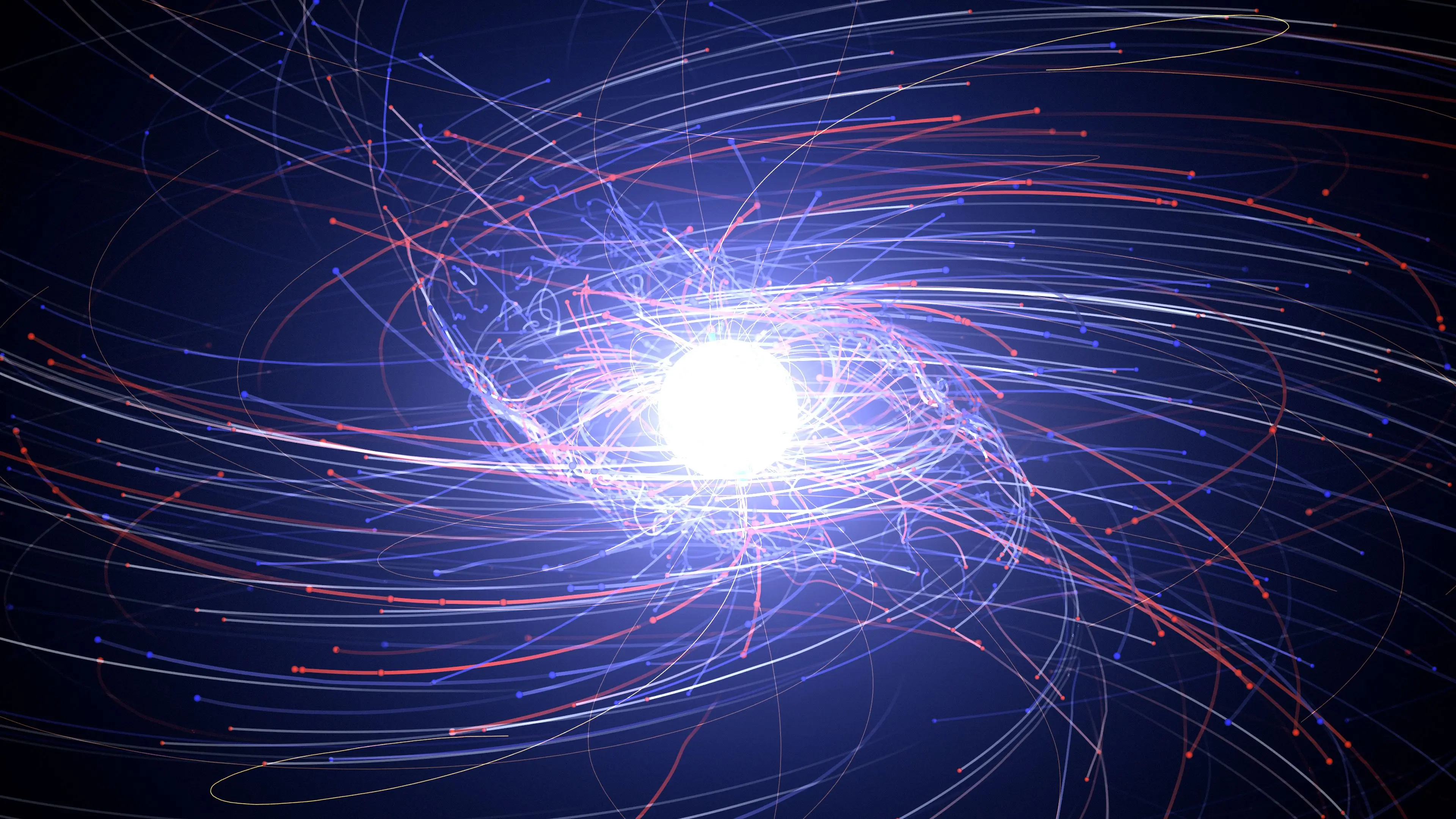
Antimatter is the mirror opposite of matter. For every particle of matter, there exists an antiparticle with the same mass but opposite charge. When matter and antimatter collide large amount of energy is released. The Big Bang should have created equal amounts of matter and antimatter. But today, the observable universe is almost entirely matter. Scientists are puzzled, where did all the antimatter go?
Black hole
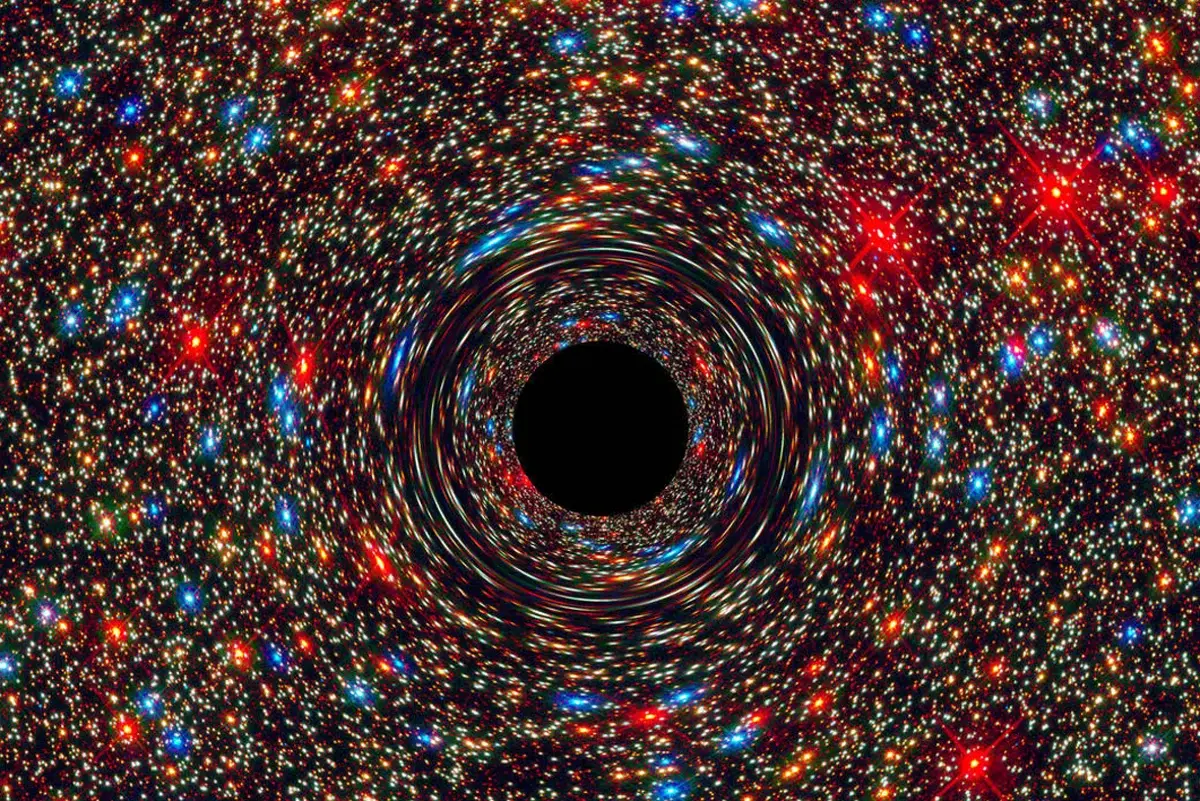
A black hole is the most discussed and everyone's favourite scientific mystery. Regions of space with gravity so strong that not even light can escape. Many black holes are formed by the death of a star, when it reaches the end of its cycle and uses up all the fuel. A black hole has a singularity and an event horizon. What happens within the singularity is the mystery.
Pulsars
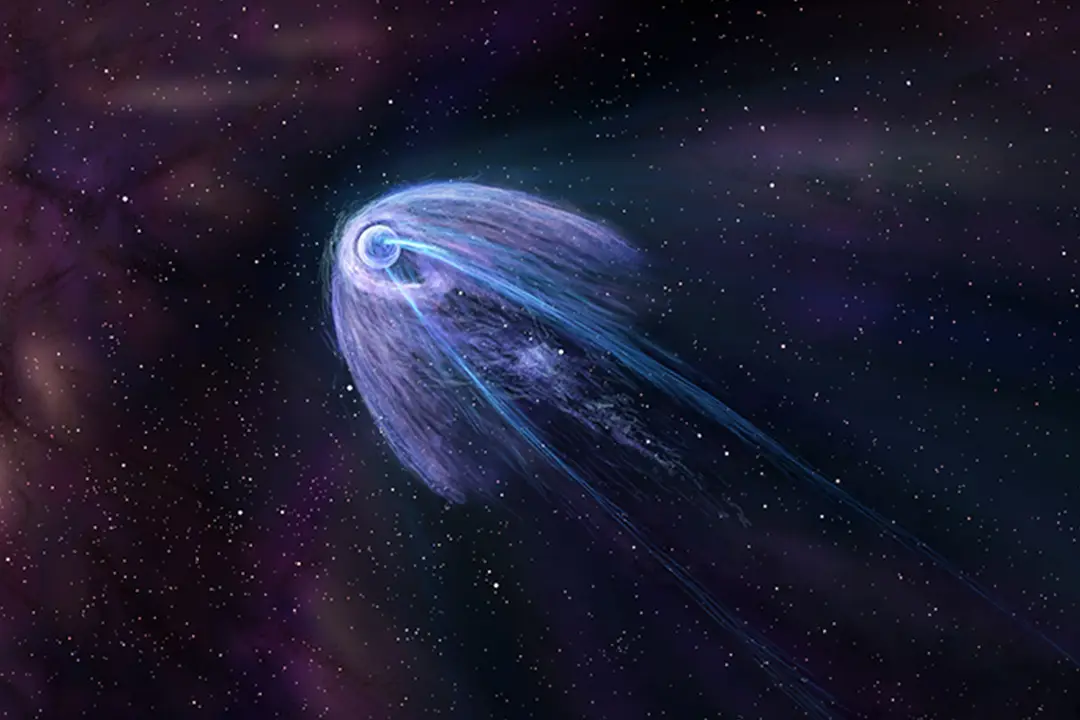
Rapidly rotating neutron stars emit beams of radiation like cosmic lighthouses. Used as “space clocks,” but their extreme precision puzzles scientists.
Neutron Star
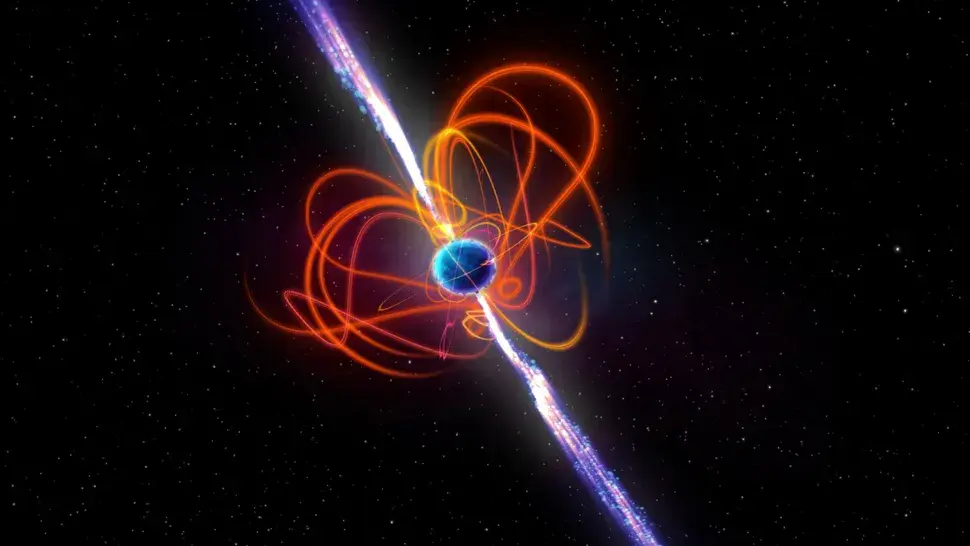
Super-dense remnants of massive stars. A sugar-cube-sized piece would weigh billions of tons on Earth. Magnetars have magnetic fields trillions of times stronger than Earth’s
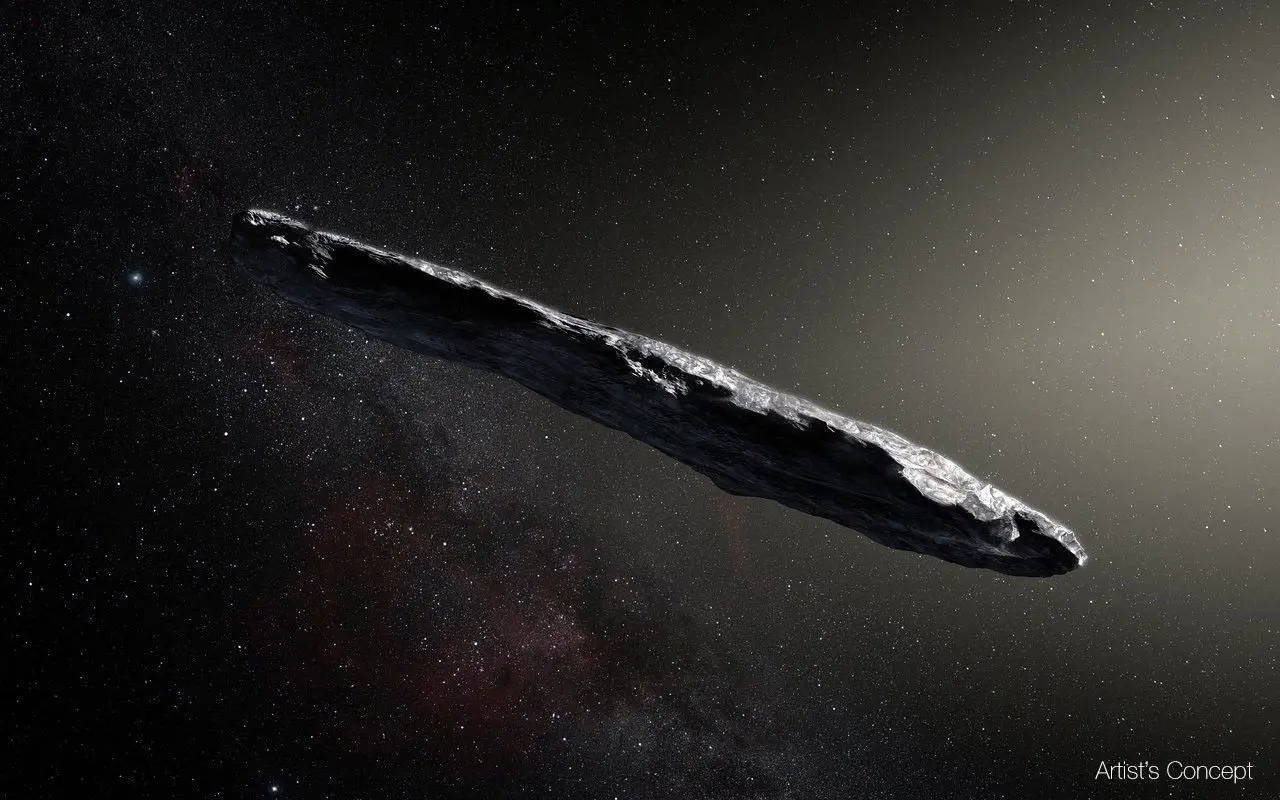
Oumuamua
First known interstellar visitor, it is a cigar-shaped object that passed through our solar system in 2017, its origin and nature still unexplained.
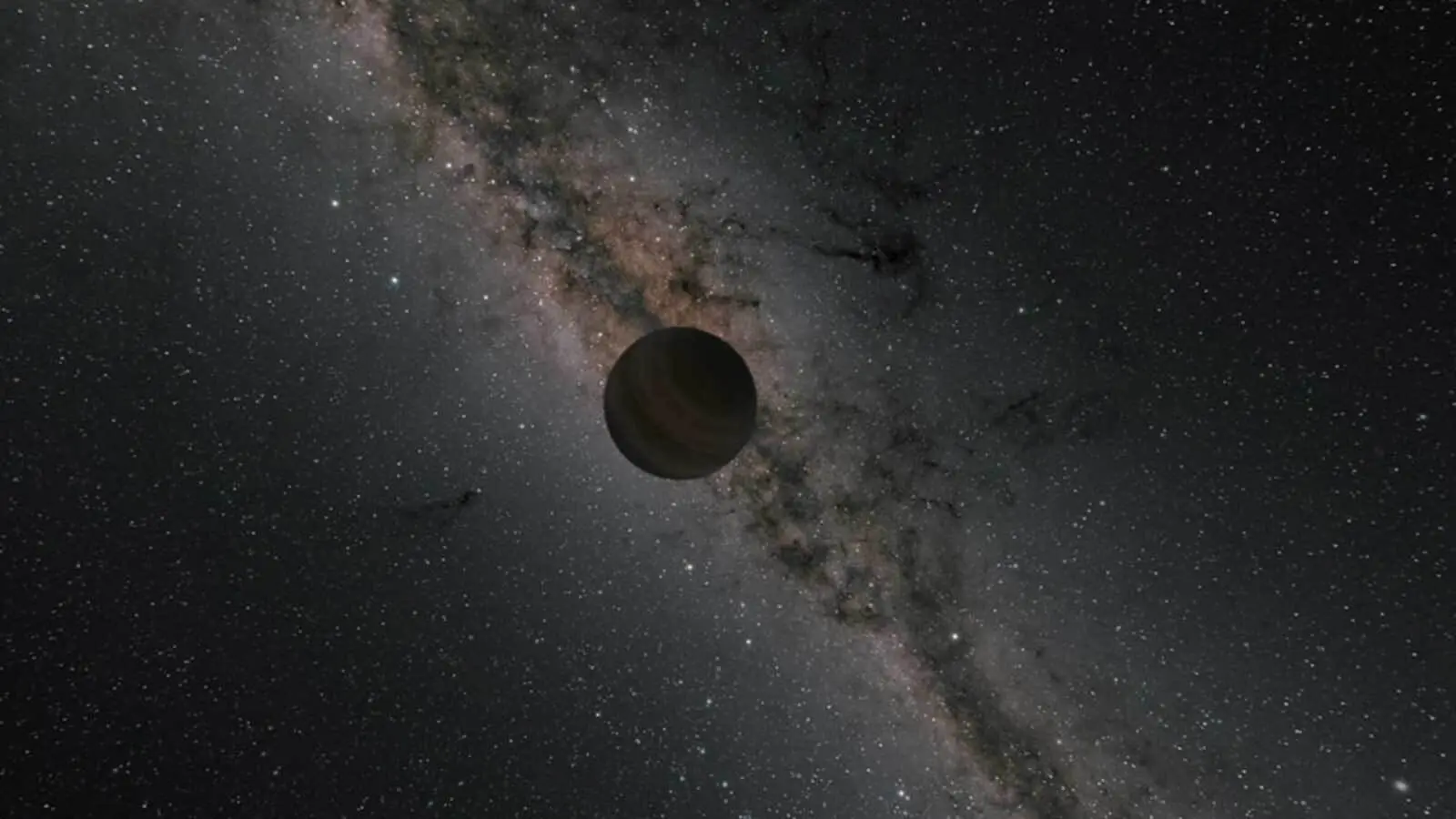
Rogue Planet
Planets drifting alone in interstellar space, not orbiting any star.
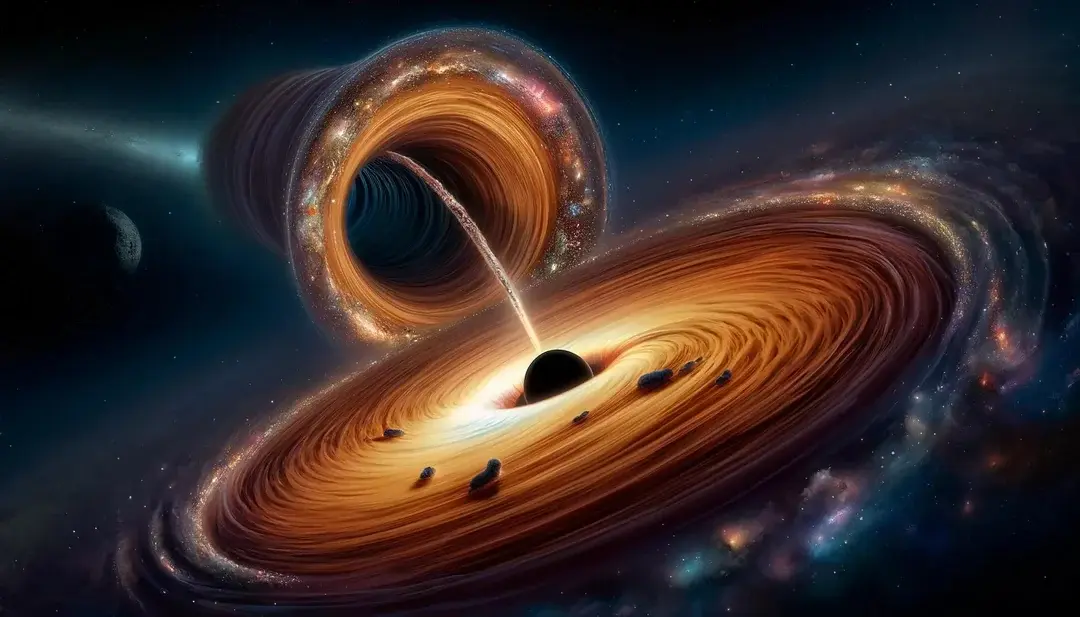
The Great Attractor
A gravitational anomaly is pulling entire galaxies (including the Milky Way) toward it. It is around 150–250 million light-years away, and its true nature remains unknown.
)
)
)
)
)