Mysterious ghost island? NASA satellites capture volcanic island that appeared and vanished in months...

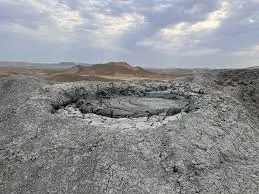
Unlike traditional volcanoes that eject lava and ash, mud volcanoes release superheated mud, water, and gases under pressure from deep below the seabed.
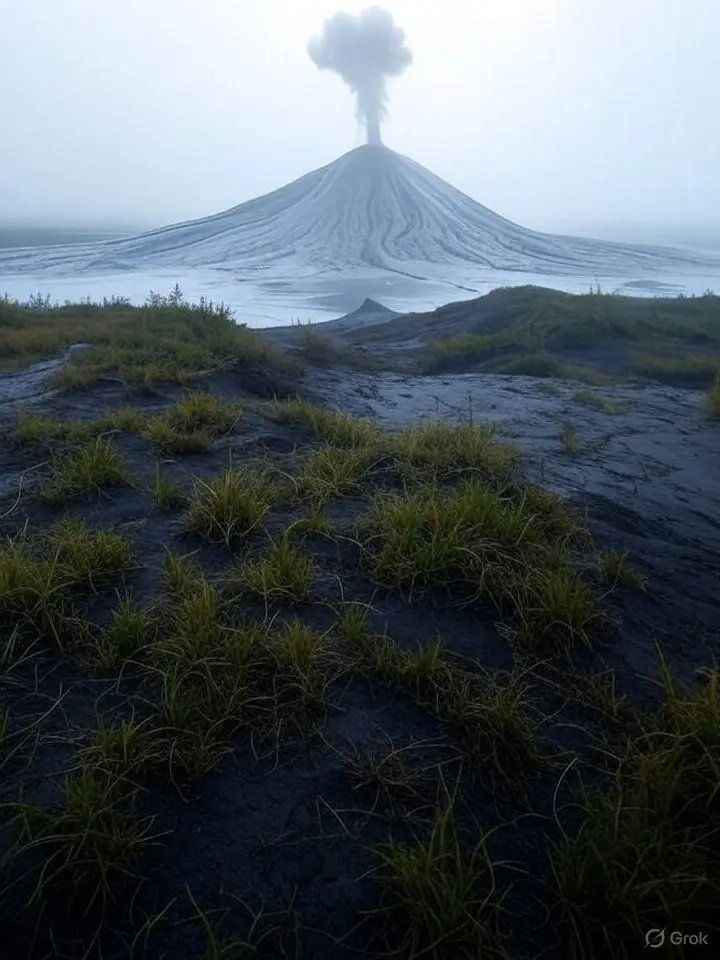
'Ghost Island'
A series of satellite images has revealed the birth and disappearance of a so-called 'ghost island' in the Caspian Sea. Captured by NASA’s Earth Observatory, the temporary landmass emerged in early 2023 after an underwater mud volcano erupted off Azerbaijan’s coast, only to erode back into the sea by late 2024.
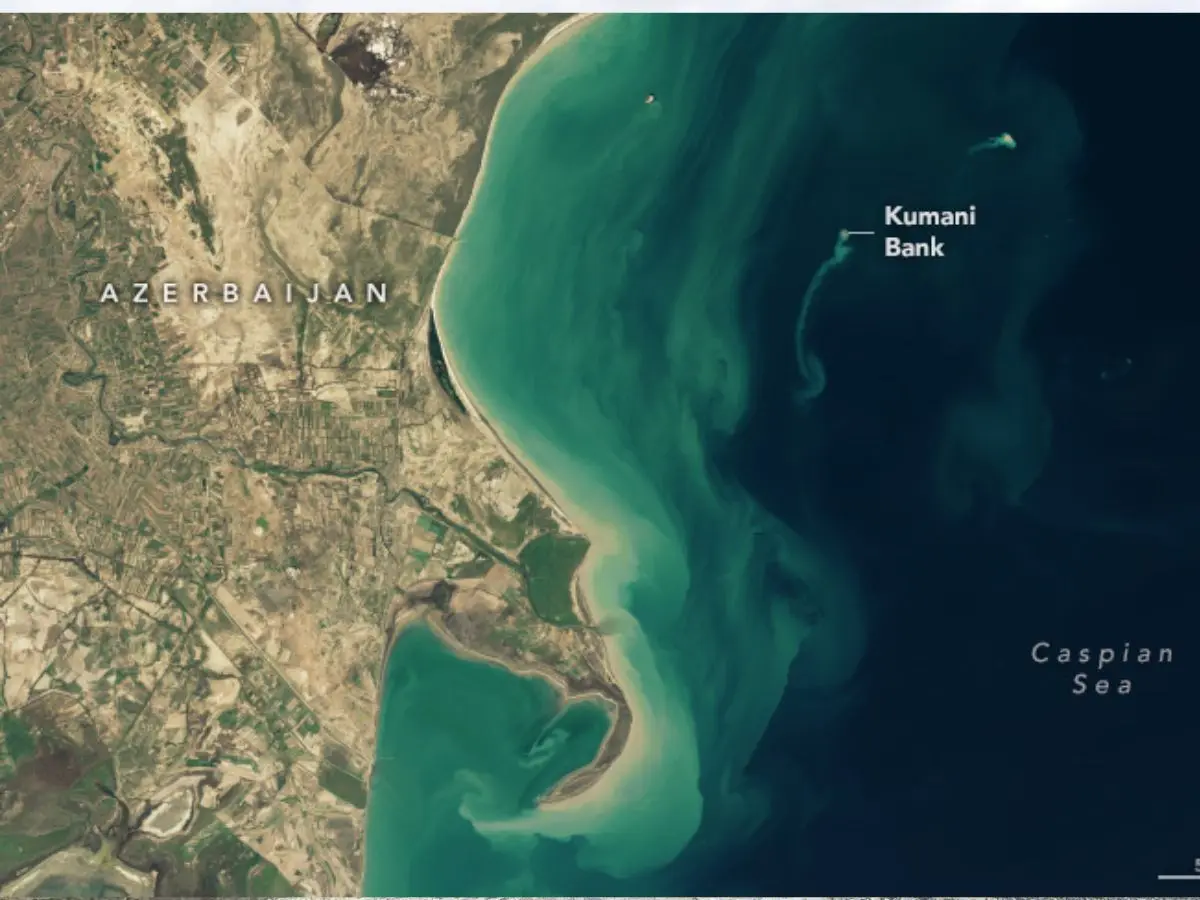
Birth of the ghost island
The ghost island surfaced at the end of January 2023 above Kumani Bank, an underwater mud volcano roughly 15 miles (24 kilometres) east of Azerbaijan. By 4 February, it had expanded to about 1,300 feet (400 metres) across. Unlike traditional volcanoes that eject lava and ash, mud volcanoes release superheated mud, water, and gases under pressure from deep below the seabed. This eruption was forceful enough to push mud above the water, creating a small island visible from space.
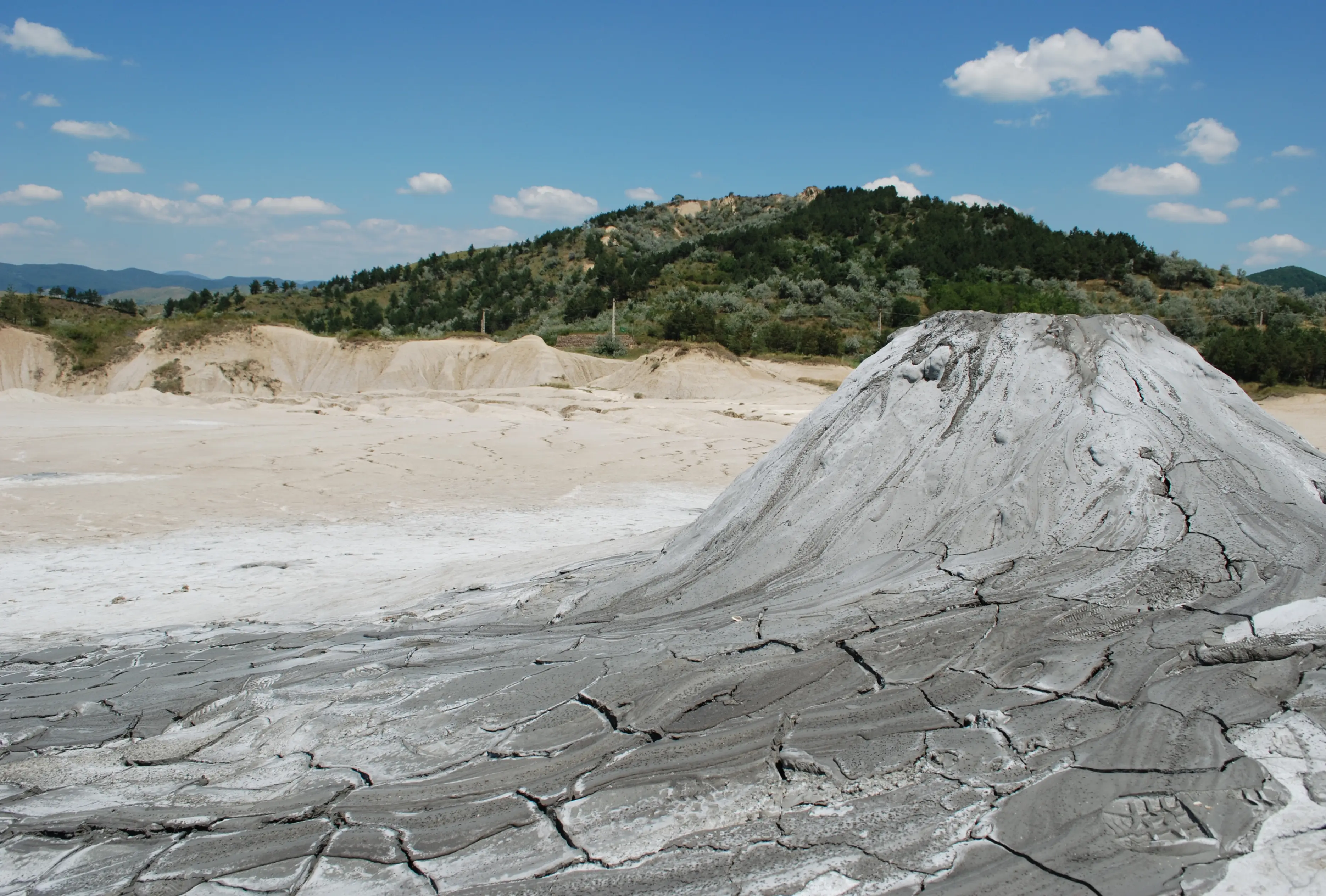
An unstable existence
Despite its impressive appearance, the island’s lifespan was destined to be short. By December 2024, satellite photos showed that it had “nearly eroded away, retreating from view like an apparition,” as NASA’s Earth Observatory reported. Such temporary landmasses are characteristic of mud volcanoes, where loose mud and water quickly succumb to the sea’s erosive forces once the eruption subsides.
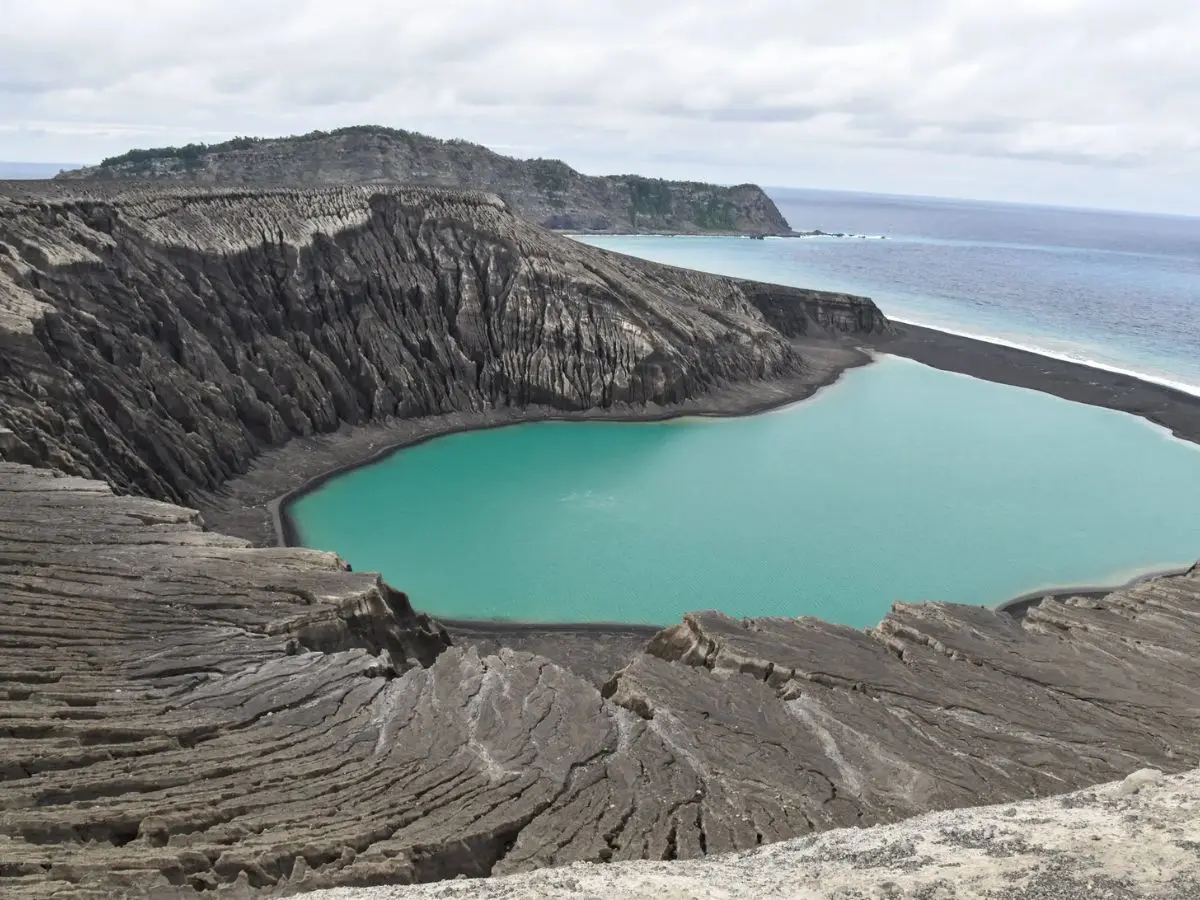
A history of brief islands
The Kumani Bank mud volcano, first identified in 1861, has erupted at least eight times, each event creating short-lived islands. The most powerful eruption, in 1950, produced an island roughly 2,300 feet (700 metres) wide and rising 20 feet (6 metres) above sea level. These islands, however, rarely last beyond a few months or years before sinking back beneath the waves.
Azerbaijan’s volcanic landscape
Azerbaijan hosts over 300 mud volcanoes, including many concealed beneath the Caspian Sea. The country’s position on the collision zone between the Arabian and Eurasian tectonic plates makes it a hotspot for geothermal activity. Though less explosive than lava volcanoes, mud volcanoes can still pose hazards, as pressurised gas sometimes ignites during eruptions, leading to dramatic fire columns, like the 2021 inferno observed near Kumani Bank.
Other ghost islands around the world
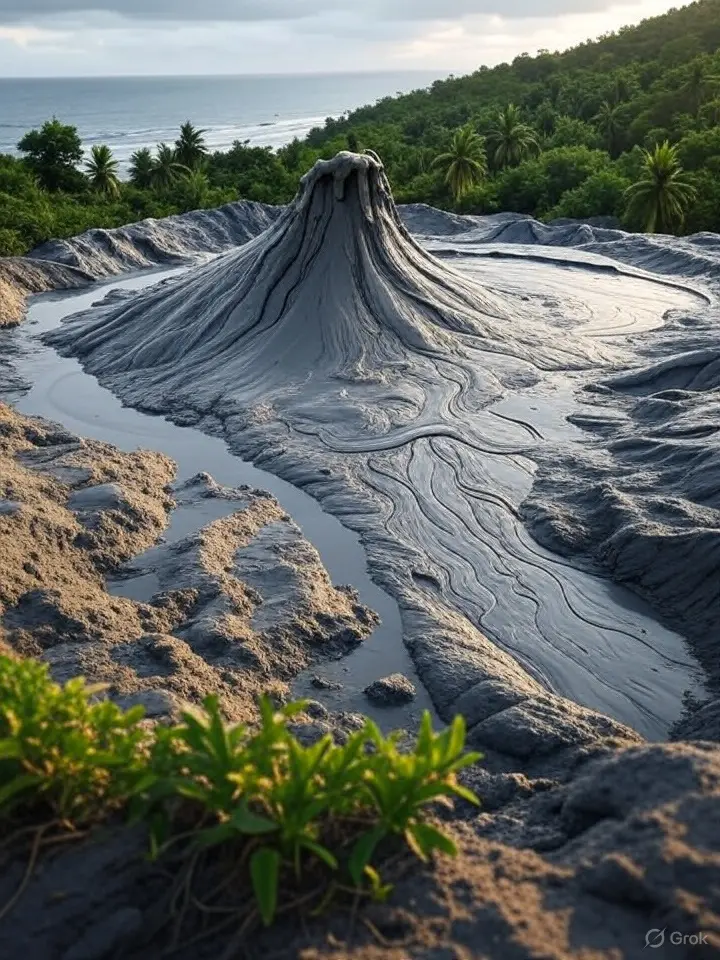
This phenomenon isn’t unique to Azerbaijan. In 2015, an eruption of the Hunga Tonga-Hunga Ha’apai volcano created a new island in the Pacific, which was later destroyed by a massive eruption in 2022. Similarly, in late 2023, a mud eruption near Japan’s Iwo Jima formed a new island, which quickly began sinking by early 2024.
Windows into Earth’s restless crust
While ghost islands may appear and vanish without warning, they provide scientists with valuable insights into the dynamic processes beneath Earth’s surface. Beyond shaping local marine ecosystems, mud volcanoes and their brief islands reveal the power and unpredictability of geological forces at play in tectonically active regions. These rare and ephemeral islands, captured by satellite, remind us that Earth’s surface remains in constant motion, reshaping itself in moments as dramatic as they are temporary.
)
)
)
)
)