• Wion
  • /Photos
  • /Einstein Cross, a cosmic wonder of space-time bending - What's hiding in this new discovery?

Einstein Cross, a cosmic wonder of space-time bending - What's hiding in this new discovery?

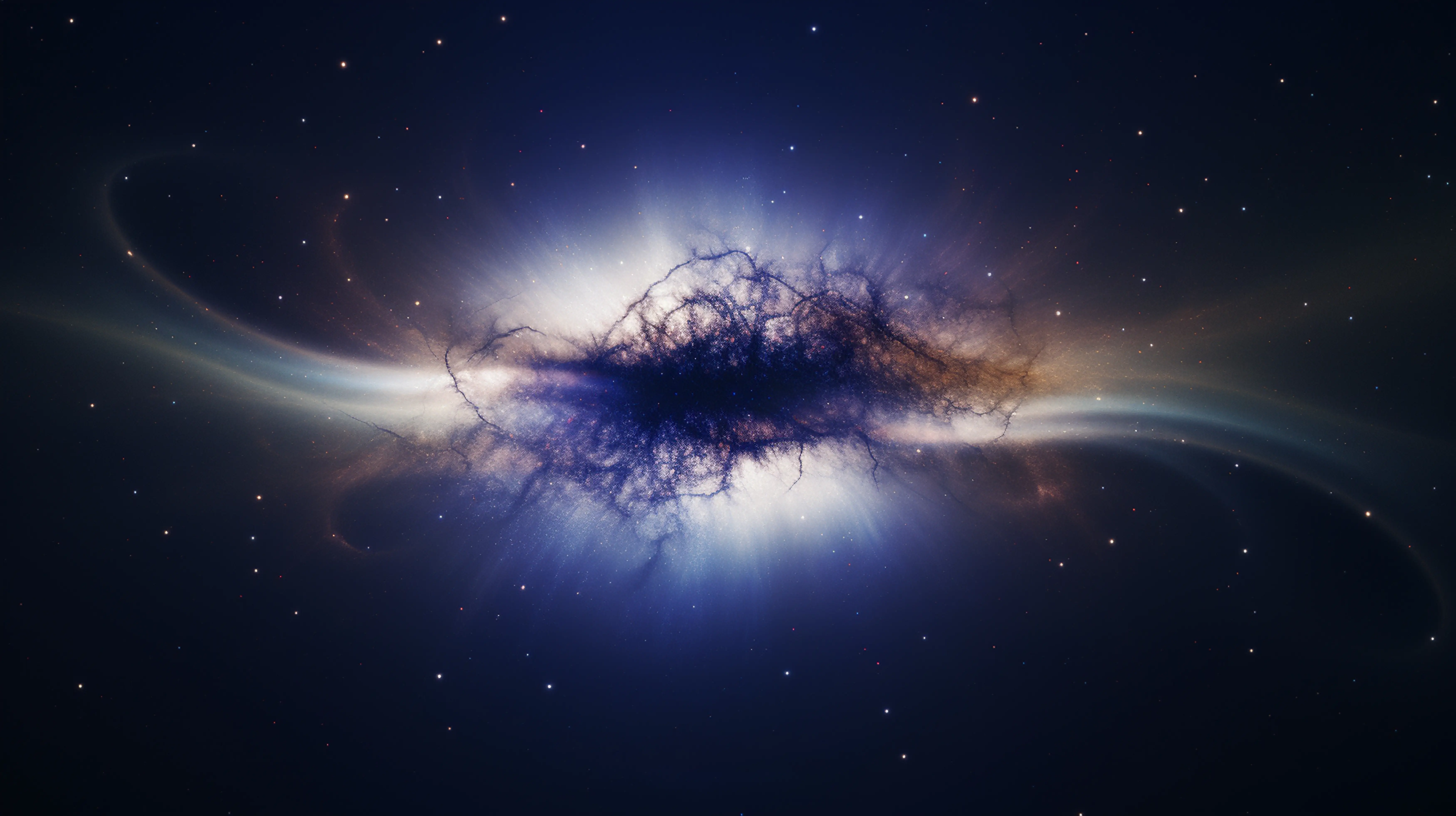
The discovery of an Einstein Cross stunned scientists who spotted an anomaly. An Einstein Cross has four images at straight angles, but this one had a fifth image at the centre. What was it? Researchers think it is a dark matter halo. 
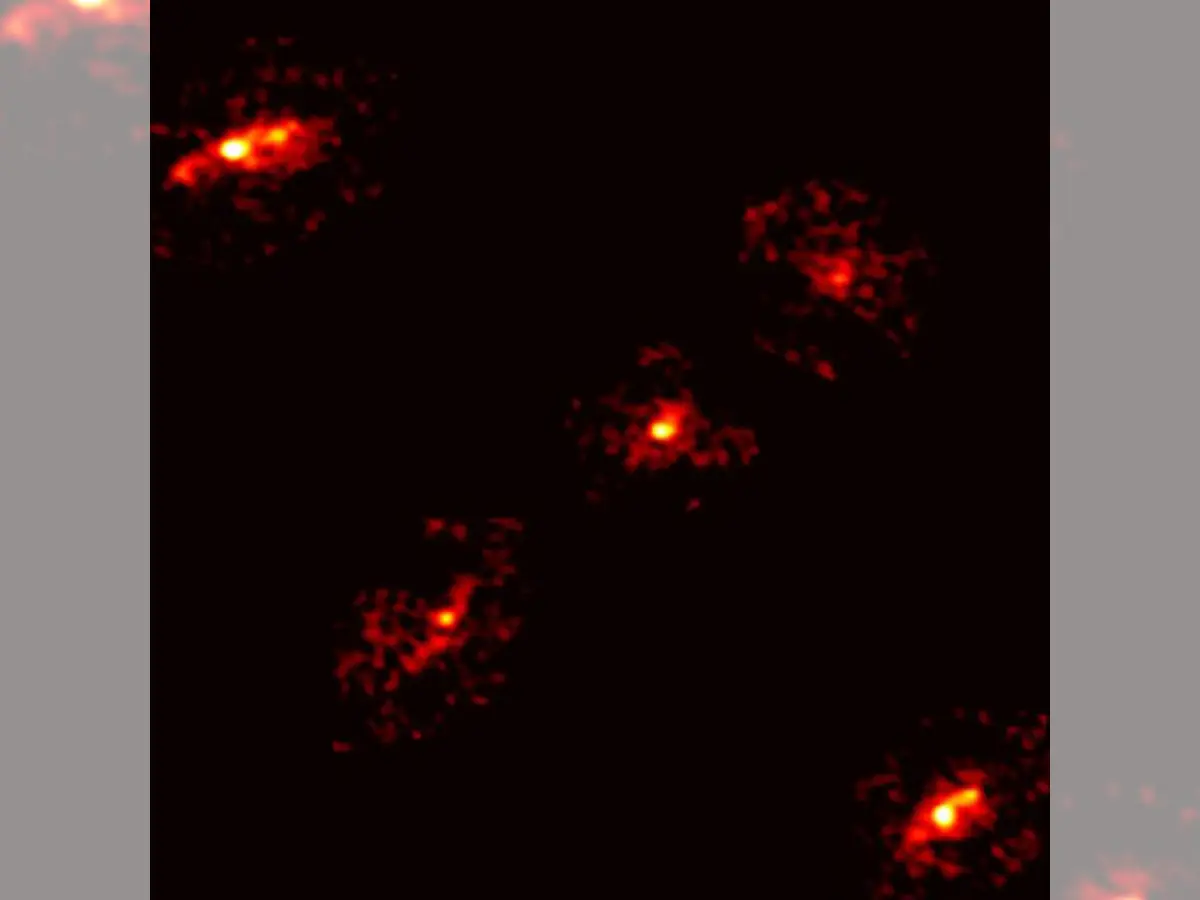
Einstein Cross with a mysterious fifth image
1 / 8
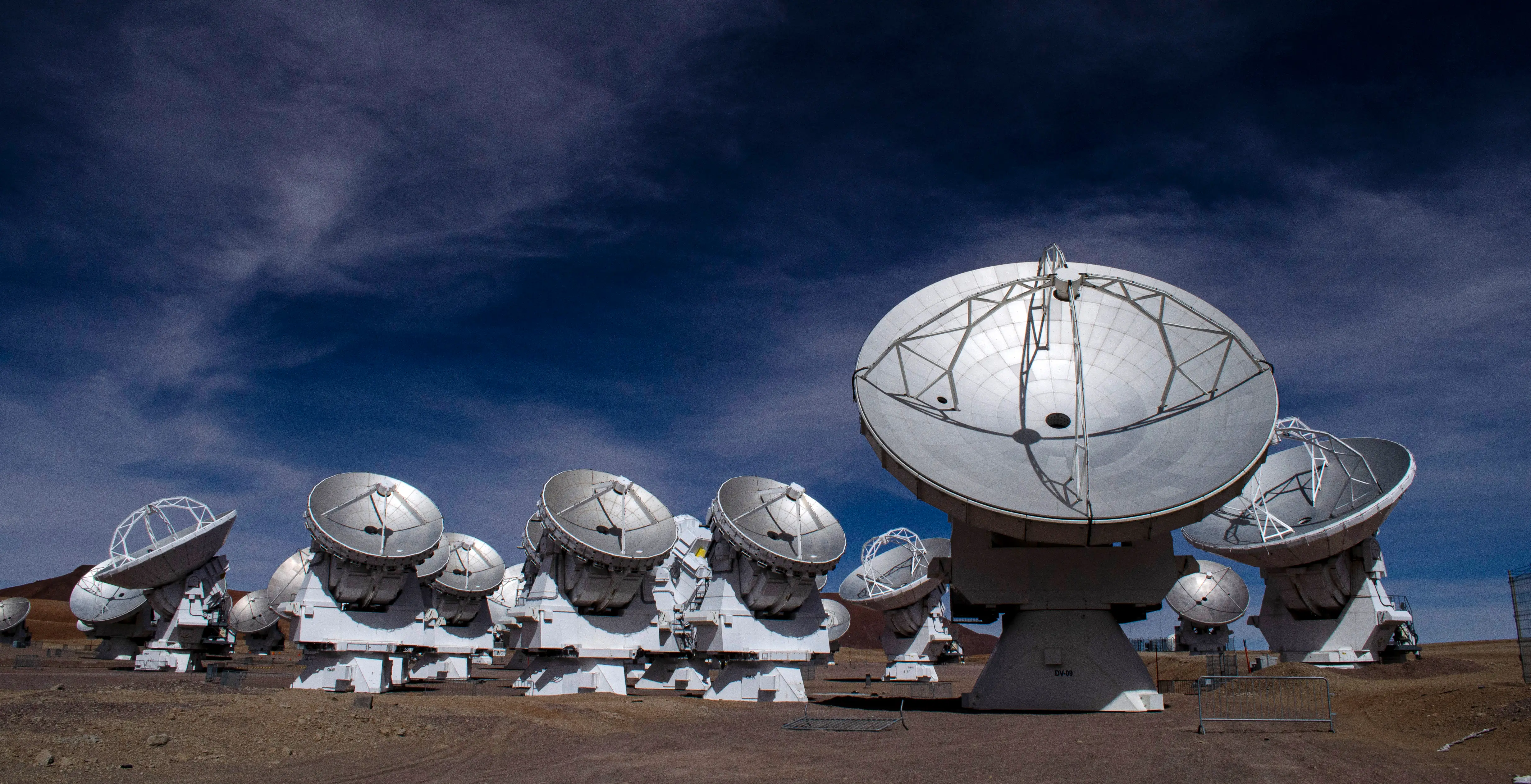
(Photograph: Nicolás Lira Turpaud (ALMA Observatory)

Einstein Cross with a mysterious fifth image

Scientists have observed a rare cosmic formation with the addition of one more component that makes it almost unique. An Einstein Cross with the regular four and an extra image in the middle caught researchers at Rutgers University and a French astronomer by surprise when they first saw it. Initially, they thought there was a glitch or something was wrong with the instrument. But that was not the case.

What is an Einstein Cross?
2 / 8
(Photograph: Unsplash)

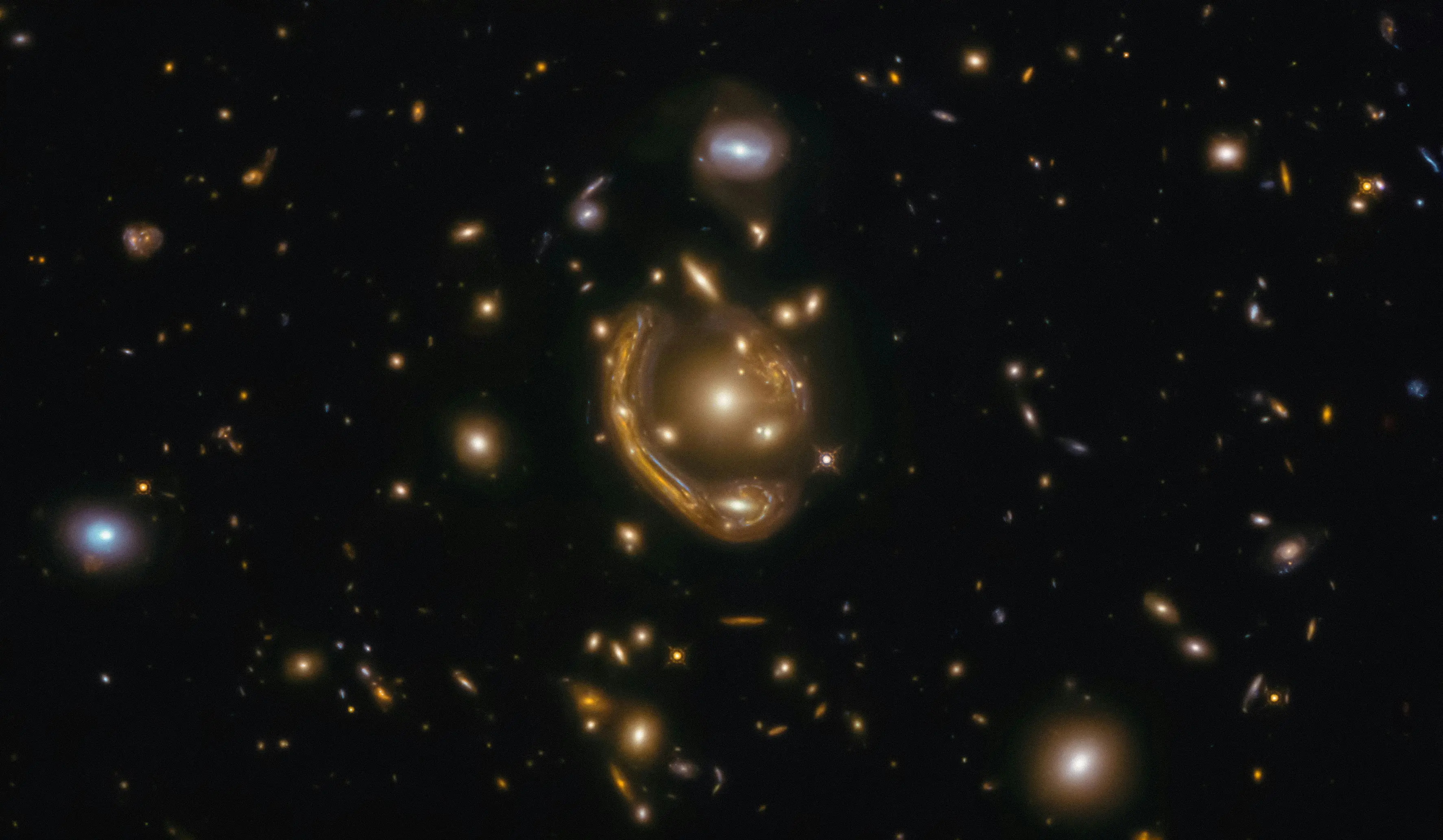
What is an Einstein Cross?

Einstein Cross is a cosmic configuration that is extremely rare. It occurs when the light from a distant galaxy is bent by the gravity of galaxies in front of it, creating four images. The gravity of the foreground body warps space-time, making it act like a lens. But this newly discovered Einstein Cross had a fifth image at the centre.

Fifth image at the centre of Einstein Cross shouldn't be there
3 / 8
(Photograph: NASA)

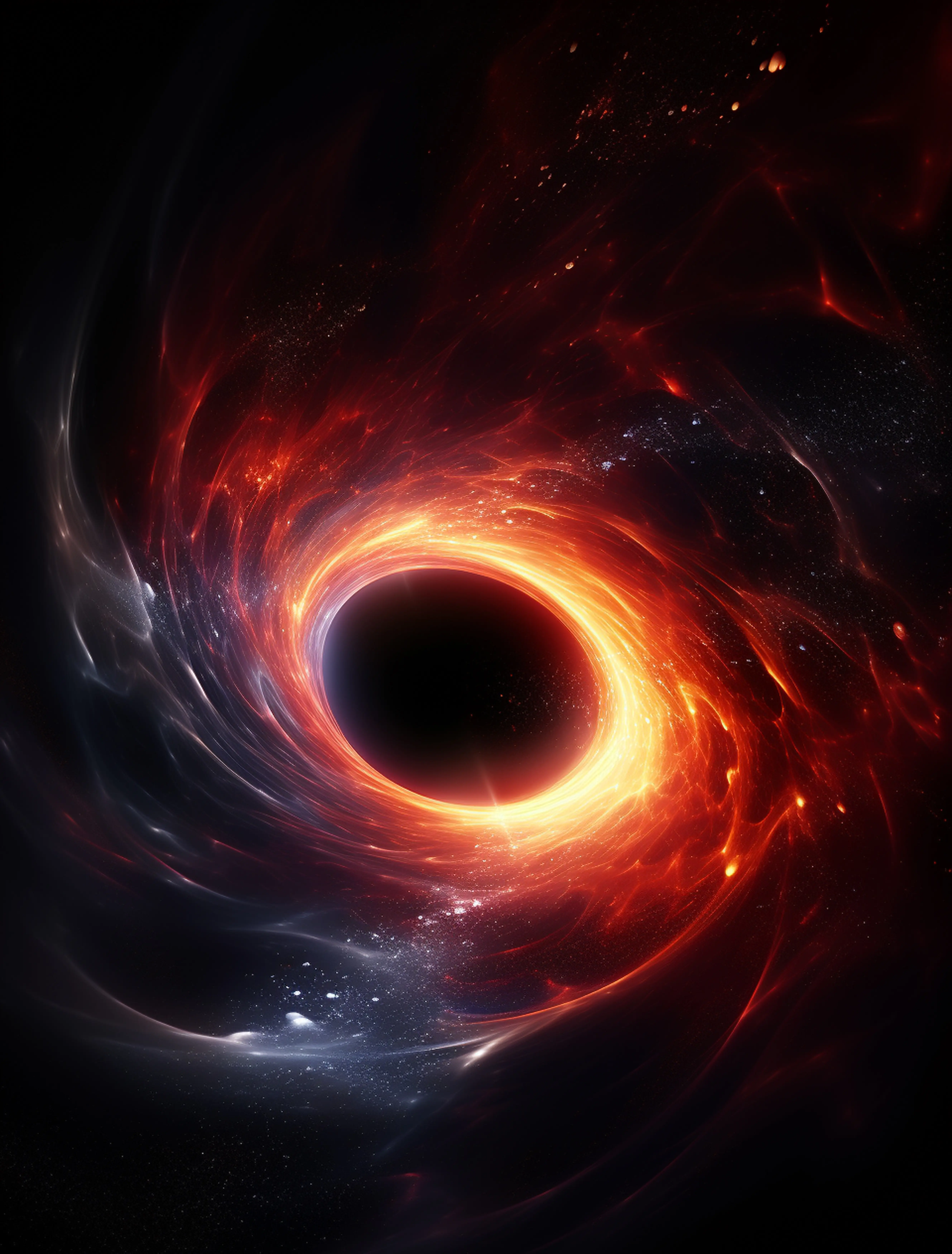
Fifth image at the centre of Einstein Cross shouldn't be there

Rutgers theoretical astrophysicist Charles Keeton and his colleague Andrew Baker knew this wasn't supposed to happen. "You can't get a fifth image in the centre unless something unusual is going on with the mass that's bending the light," Keeton said. And sure, there was something at the centre that was making this fifth image. Turns out, it was a hidden halo of dark matter.

Einstein Cross only has four objects
4 / 8
(Photograph: NASA)

Einstein Cross only has four objects

A regular Einstein Cross has four objects around 90 degrees from each other. The fifth image appears very close to the central lensing object and is invisible. However, this time it showed up. The discovery was made by Pierre Cox, a French astronomer, Research Director at the French National Centre for Scientific Research and the study's lead author, who first spotted the anomaly in data from NOEMA in the French Alps.

Einstein Cross photo stunned Keeton
5 / 8
(Photograph: Freepik)

Einstein Cross photo stunned Keeton

Cox shared the photo with Keeton, who showed it to Baker. The discovery made by Cox, Keeton, Baker and a Rutgers graduate student, Lana Eid, will soon be published in The Astrophysical Journal.

Light from galaxy HerS-3 split into five images
6 / 8
(Photograph: AFP)

Light from galaxy HerS-3 split into five images

Cox saw the Einstein Cross while studying a distant, dusty galaxy called HerS-3. He was using the Northern Extended Millimetre Array (NOEMA) and the Atacama Large Millimetre/submillimeter Array (ALMA) radio telescopes in Chile when he saw the light from HerS-3 split into five images. He tried to make the fifth image go away, but it wouldn't.

Four visible foreground galaxies couldn't explain the fifth object
7 / 8
(Photograph: NASA)

Four visible foreground galaxies couldn't explain the fifth object

The team at Rutgers created a computer model of the gravitational lens to understand what was going on. The four visible foreground galaxies causing the gravitational bending failed to explain the details of the five-image pattern. "We tried every reasonable configuration using just the visible galaxies, and none of them worked," said Keeton.

Discovery of fifth image in Einstein Cross linked to dark matter
8 / 8
(Photograph: NASA)

Discovery of fifth image in Einstein Cross linked to dark matter

However, when they added a dark matter halo, the maths and physics worked. "That's the power of modelling. It helps reveal what you can't see," Keeton said. Scientists say the discovery offers a rare chance to learn about the dark matter that surrounds the foreground galaxies.