Mudslides and floods kill at least 117, displaces hundreds in Brazil's historic city

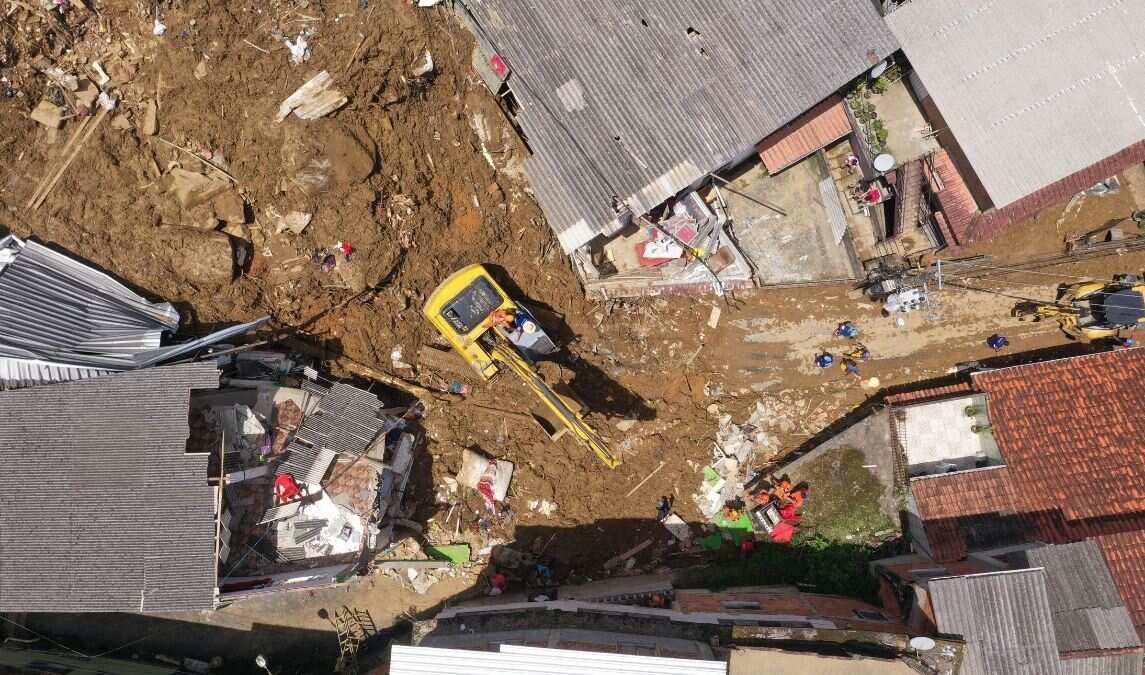
Residents in shock
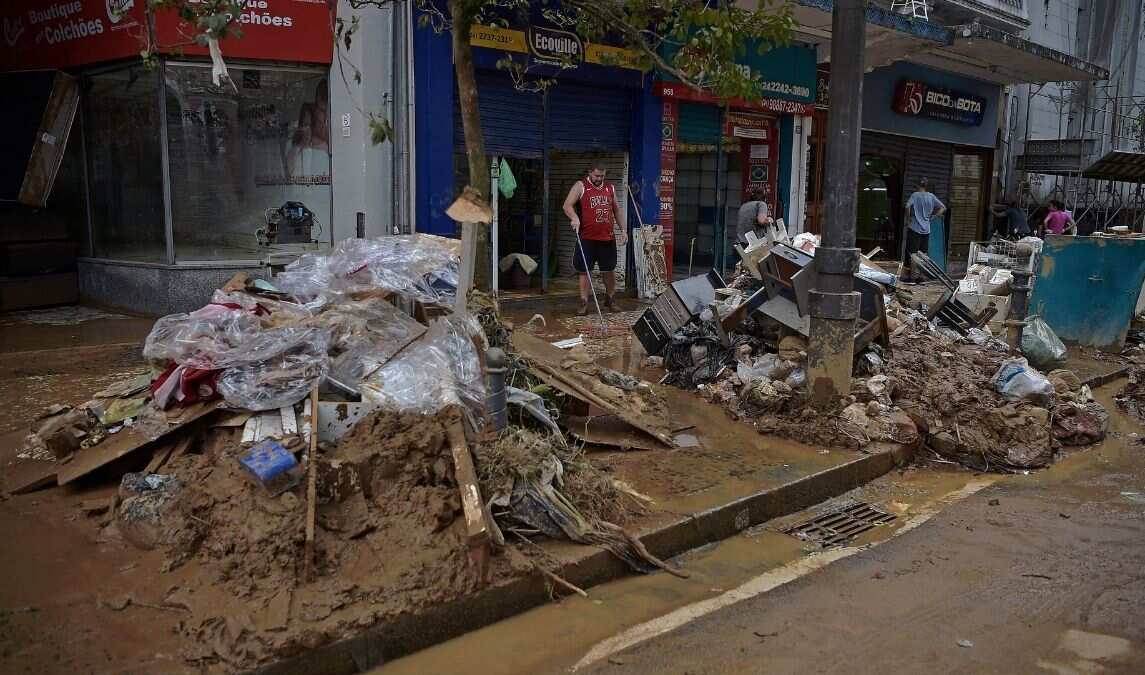
Sirens warned neighborhoods in the hillside tourist town to leave, with residents still shocked from the rivers of mud that buried homes and swept away cars and trees. At least two streets were already closed after landslides containing "rocky blocks."
The new rainfall comes with dozens still reported missing in the city, located some 60 kilometers (37 miles) north of Rio de Janeiro, and as the first funerals of identified victims took place.
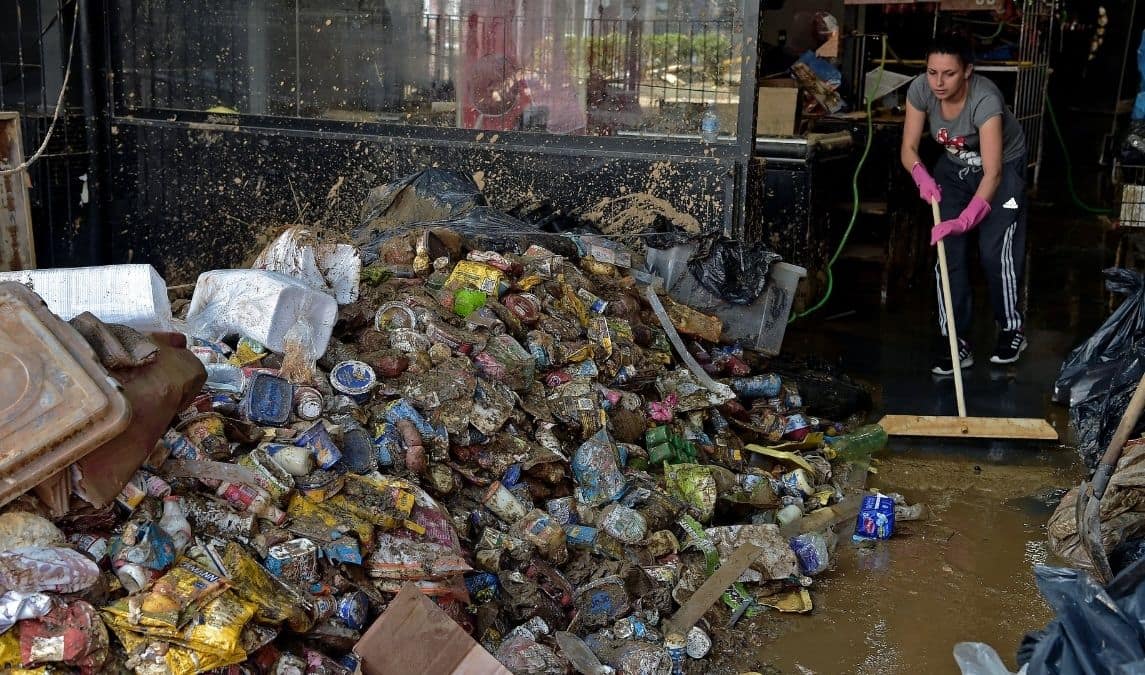
Firefighters & volunteers scramble for survivours
Text messages warned residents to take refuge at relatives' homes or in public shelters "due to the volume of rain affecting the city, which will continue, with an intensity between moderate to strong, in the next few hours," the local Civil Defense said.
"I feel scared when I see that it's raining again, because the ground is still soaked," said 45-year-old Petropolis resident Rodne Montesso, whose house was not at risk from the latest rains. "I think of the families who live in neighborhoods where many people have already died and I get desperate."
Amid fears that the toll could climb, firefighters and volunteers scrambled through the remains of houses Thursday -- many of them impoverished slums.
"Unfortunately, it is going to be difficult to find survivors," said Luciano Goncalves, a 26-year-old volunteer, completely covered in mud.
"Given the situation, it is practically impossible. But we must do our utmost, to be able to return the bodies to the families. We have to be very careful because there are still areas at risk" of fresh landslides, he added.
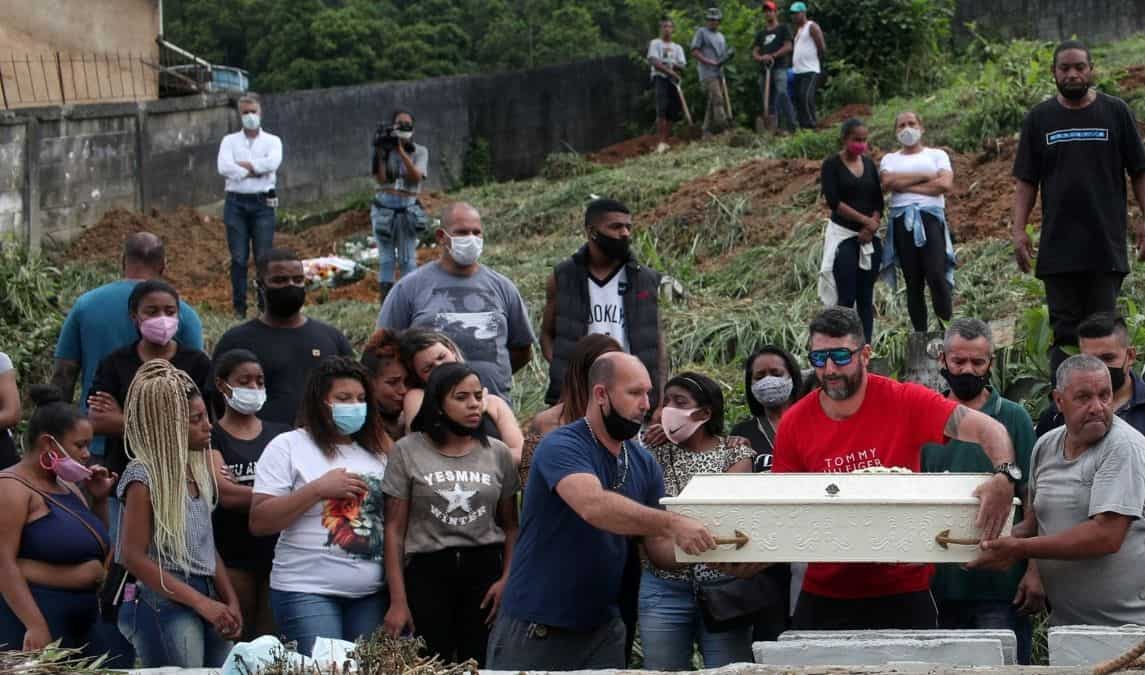
Scene of war
The death toll from mudslides and floods in Brazil's colonial-era city of Petropolis rose to 117 on Thursday and was expected to increase further as the region reels from the heaviest rains in almost a century.
A total of 24 people have been rescued, while the number of missing is murky due to many of the dead bodies not yet having been identified.
So far, 850 displaced people have been relocated to makeshift shelters, the vast majority of them in public schools.
Some 500 firefighters, with the help of hundreds of volunteers, dogs, bulldozers and dozens of aircraft participated in the rescue.
Governor Claudio Castro of Rio de Janeiro state said the streets of Petropolis resembled "a scene from a war," adding these were the heaviest rains to hit the region since 1932.
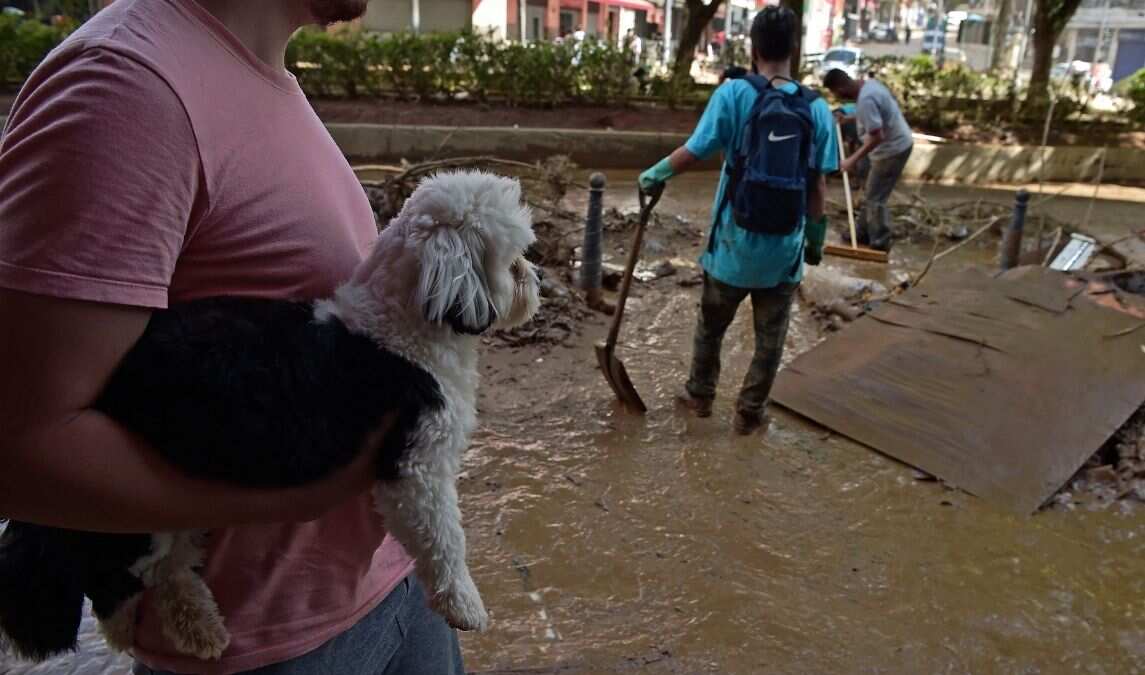
A series of deadly storms
The rains were the latest in a series of deadly storms -- which experts say are made worse by climate change -- to hit Brazil in the past three months.
Experts say rainy season downpours are being augmented by La Nina -- the cyclical cooling of the Pacific Ocean -- and by climate change. Because a warmer atmosphere holds more water, global warming increases the risk and intensity of flooding from extreme rainfall.
Last month, torrential downpours triggered floods and landslides that killed at least 28 people in southeastern Brazil, mainly in Sao Paulo state.
There have also been heavy rains in the northeastern state of Bahia, where 24 people died in December.
Petropolis and the surrounding region were previously hit by severe storms in January 2011, when more than 900 people died in flooding and landslides.
Charities seek donations
Charities have called for donations of mattresses, food, water, clothing and face masks. The "historic tragedy" was made worse, Castro said, by "deficits" in urban planning and housing infrastructure.
The effects of uncontrolled urban expansion, said meteorologist Estael Sias, hit the poor hardest when disaster strikes.
"Those who live in these regions at risk are the most vulnerable," he said.
City hall declared a state of disaster and three days of mourning.
)
)
)
)
)