MQ-1 Predator, MQ-9 Reaper, MQ-20 Avenger and more: 5 most destructive US war drones ever deployed

These systems evolved rapidly after the early 2000s into platforms capable of delivering precision strikes across vast distances.
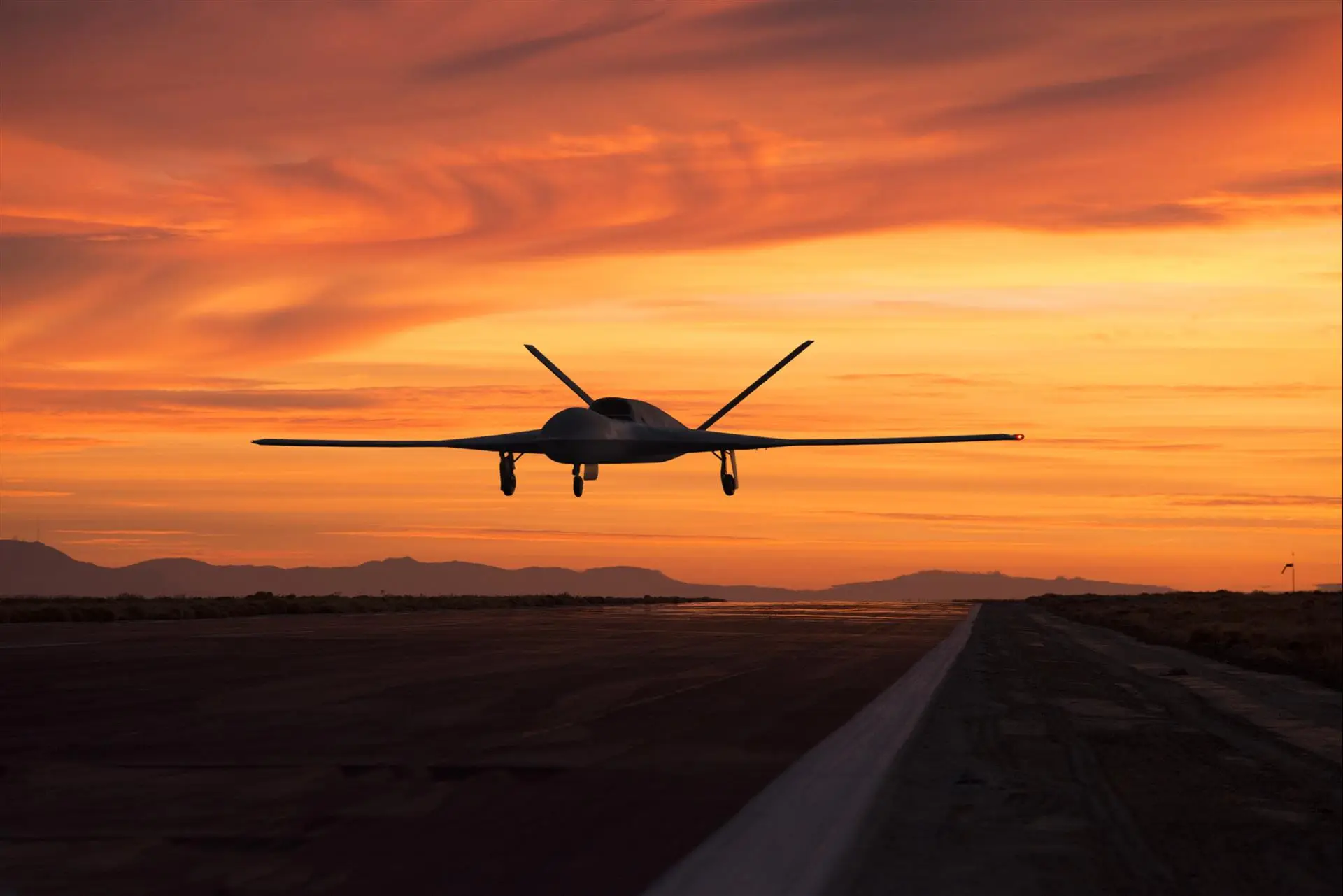
Introduction
The United States has been a global pioneer in the development and deployment of armed unmanned aerial vehicles, commonly known as war drones. These systems evolved rapidly after the early 2000s into platforms capable of delivering precision strikes across vast distances. Let's examine five of the most destructive US war drones ever deployed, based on their combat use, strike capacity, and impact on military operations, without political or moral judgement.
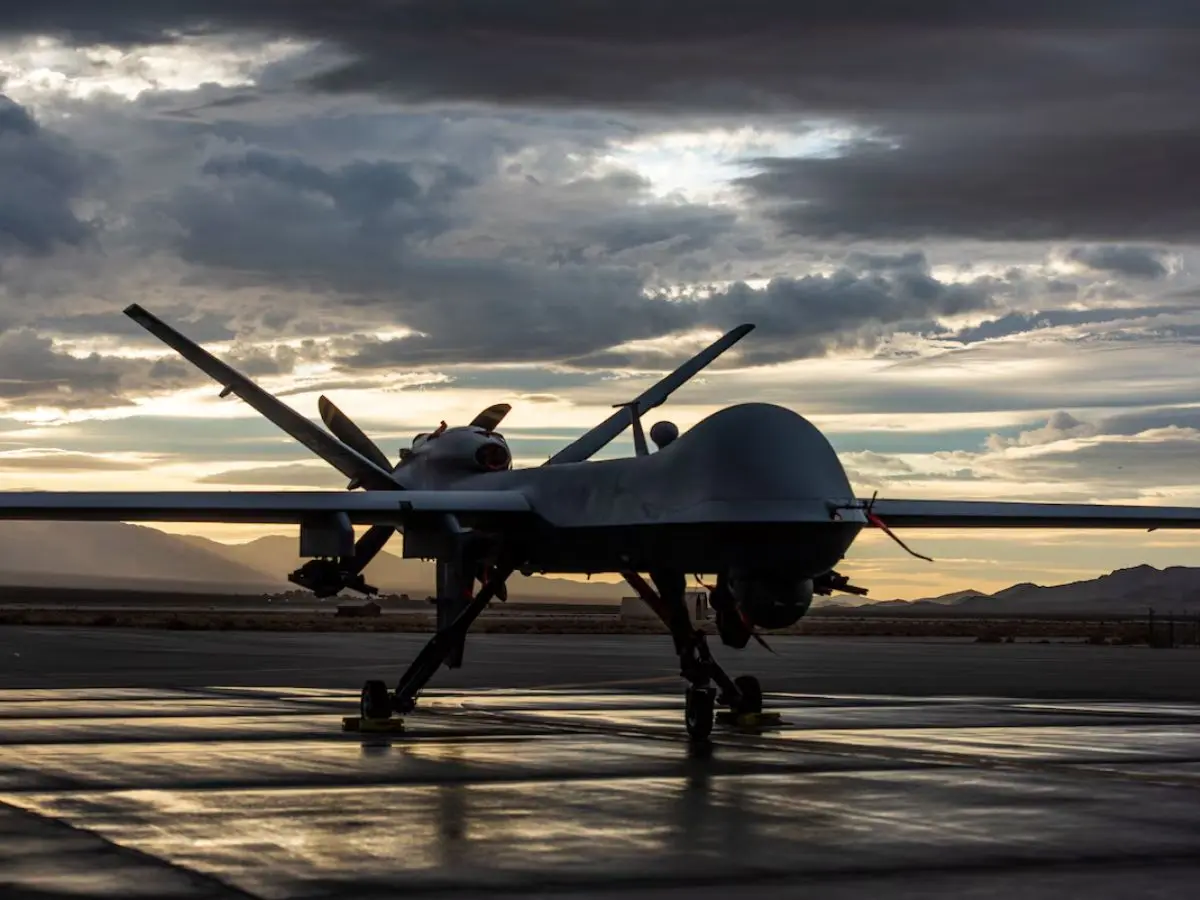
1. MQ-9 Reaper
The General Atomics MQ-9 Reaper stands at the centre of America’s unmanned combat legacy. Introduced in 2007 as a successor to the earlier MQ-1 Predator, it combines long-endurance surveillance with strike capability, carrying up to 1,700 kg of ordnance including AGM-114 Hellfire missiles and laser-guided bombs. It's endurance of over 27 hours at heights above 50,000 feet has seen it operate across Afghanistan’s Hindu Kush and the deserts of Iraq and Syria. Currently, Indian Navy is operating two leased MQ-9A drones for reconnaissance and surveillance.
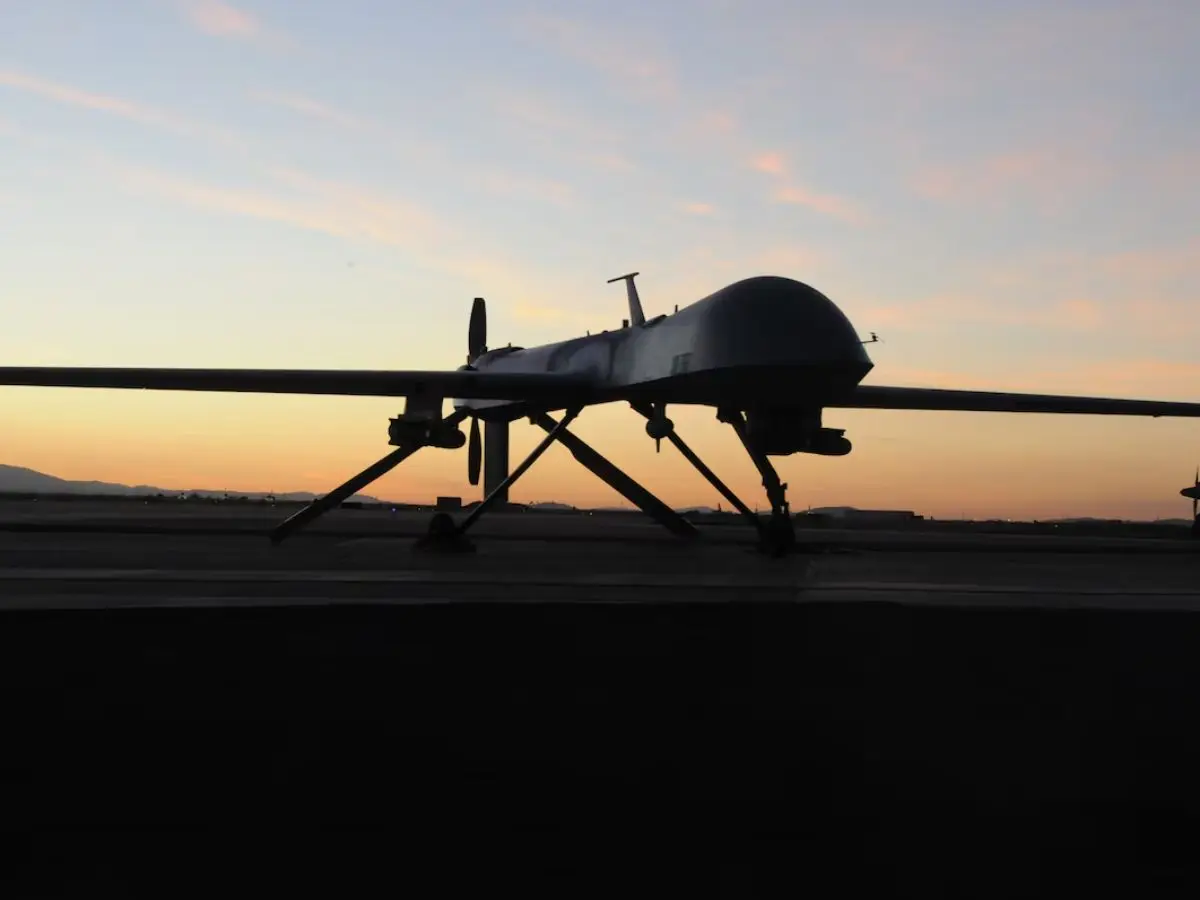
2. MQ-1 Predator
Before the Reaper, there was the MQ-1 Predator. Originally designed for reconnaissance, it was armed with Hellfire missiles in the early 2000s, transforming drone use from observation to active engagement. Its most notable early strike was the 2002 Marib airstrike in Yemen, the first US drone kill outside a conventional battlefield. It has a range of 770 miles and a wingspan of 55 feet.
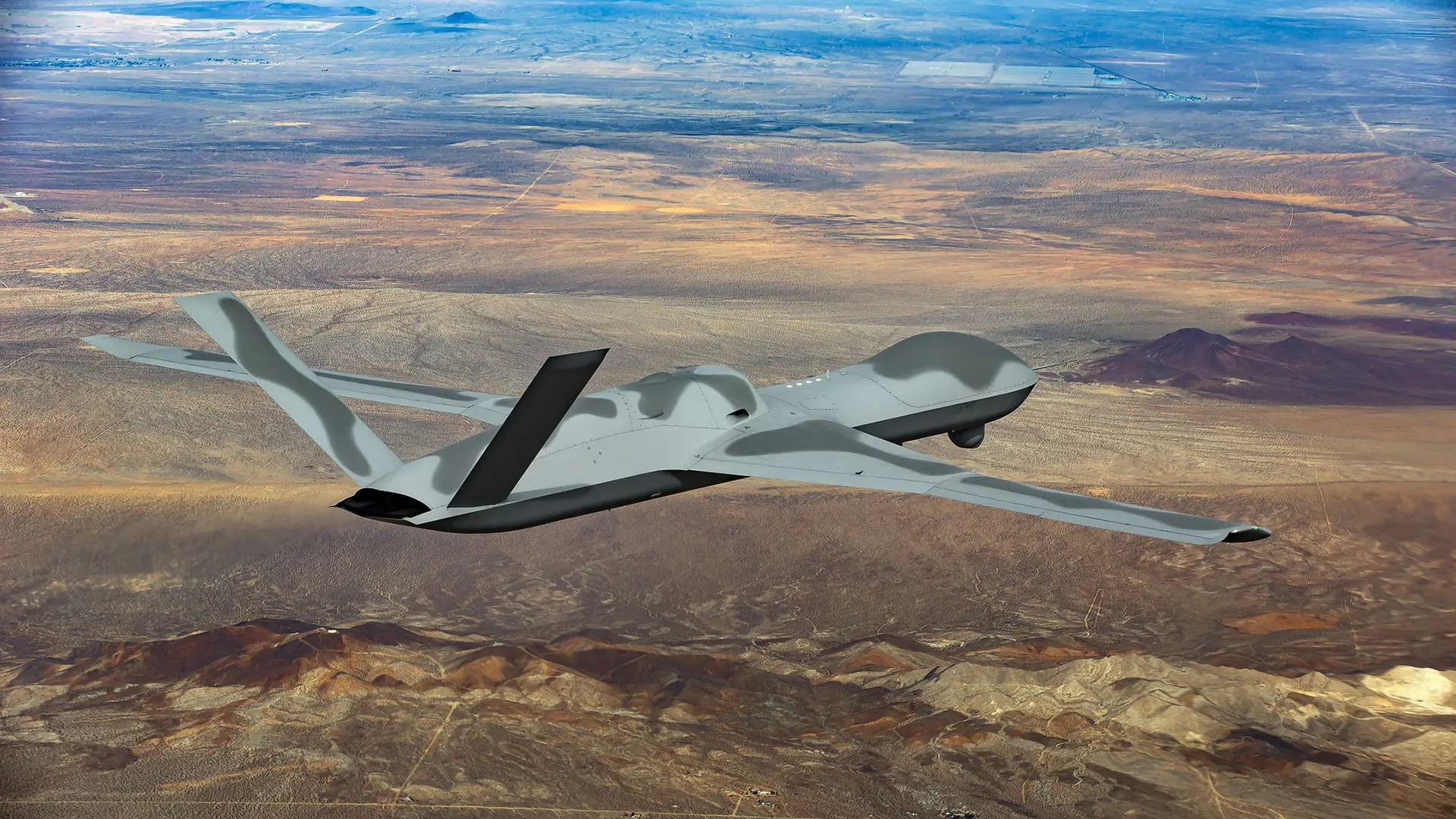
3. General Atomics MQ-20 Avenger
The Predator C Avenger ER is a jet-powered, next-generation unmanned aircraft designed for high-speed, long-endurance intelligence, surveillance and precision strike missions. First flown in 2009, it combines stealth-influenced design with speeds up to 400 knots and endurance exceeding 20 hours. Able to operate above 50,000 feet, it carries sensors and munitions internally and externally, enabling rapid response and survivable operations in contested airspace without risking pilots.
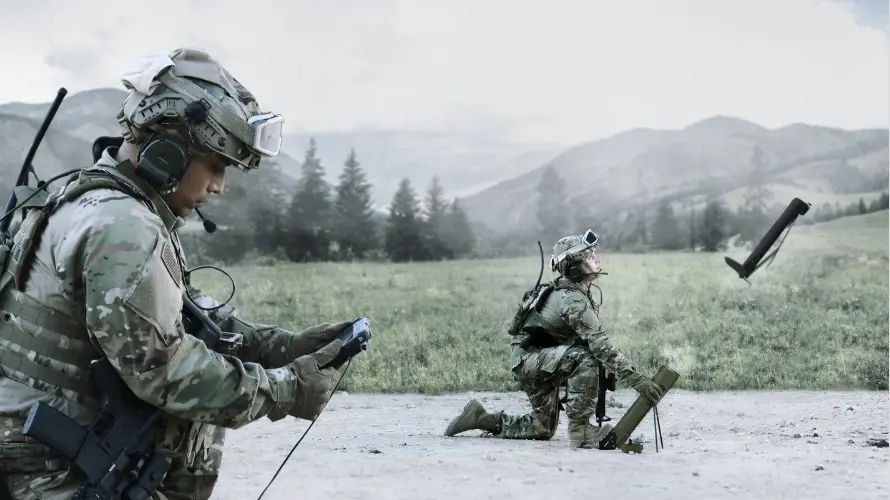
4. AeroVironment Switchblade – kamikaze precision at company level
Smaller but lethal in its own right is the Switchblade loitering munition. Designed for use by ground troops, it can be launched quickly and guide itself into a target, acting as a one-way munition. It was designed by AeroVironment and is small enough to fit in a backpack, the Switchblade launches from a tube, flies to the target area, and crashes into its target while detonating its explosive warhead.
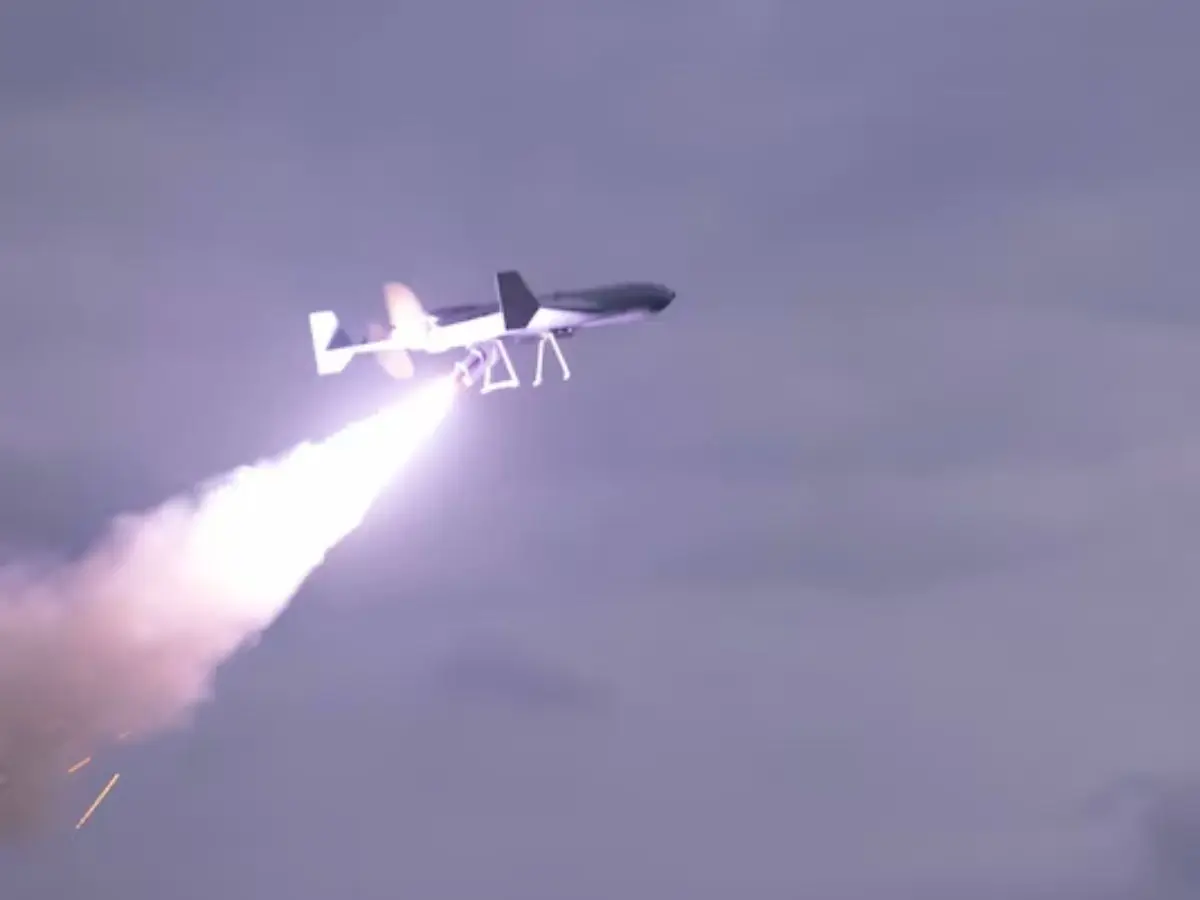
5. Low-cost Unmanned Combat Attack System (LUCAS) – one-way naval strike
A recent addition to the US arsenal is LUCAS, a kamikaze-style drone launched from naval platforms. The LUCAS reflects a shift towards affordable autonomous strike systems that can extend reach over sea and land alike. Its deployment points to future conflict zones where remote precision and low cost are decisive. The LUCAS platforms operated by US forces in the Middle East have an extensive range and can be launched with different mechanisms to include catapults, rocket-assisted takeoff, and mobile ground and vehicle systems.
)
)
)
)
)