India's urban giants: Top 7 most populated cities, see where Delhi, Mumbai rank

Government data for the population in the last 10 years is not available, as there was no census in 2021. The last census was in 2011; this list is based on the projection and analysis of 2011 data by the UN and compiled by Statista.
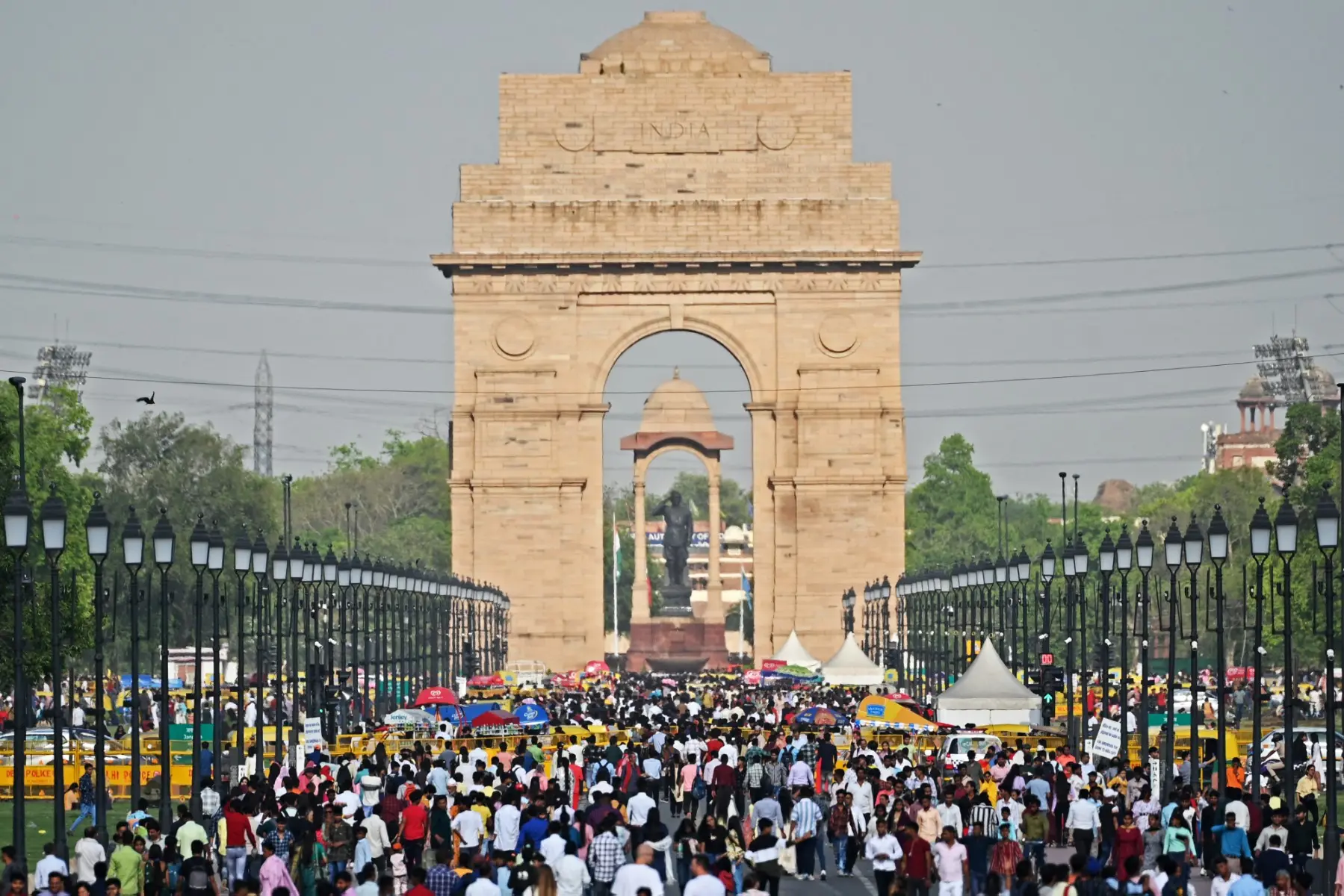
Delhi
According to the latest projection, Delhi is expected to have a population of 34.67 million, growing from 16.34 million in 2011. This is nearly 112 per cent growth. This is driven by the trend of rapid urbanisation towards Delhi from various parts of the country, especially from North and Central India.
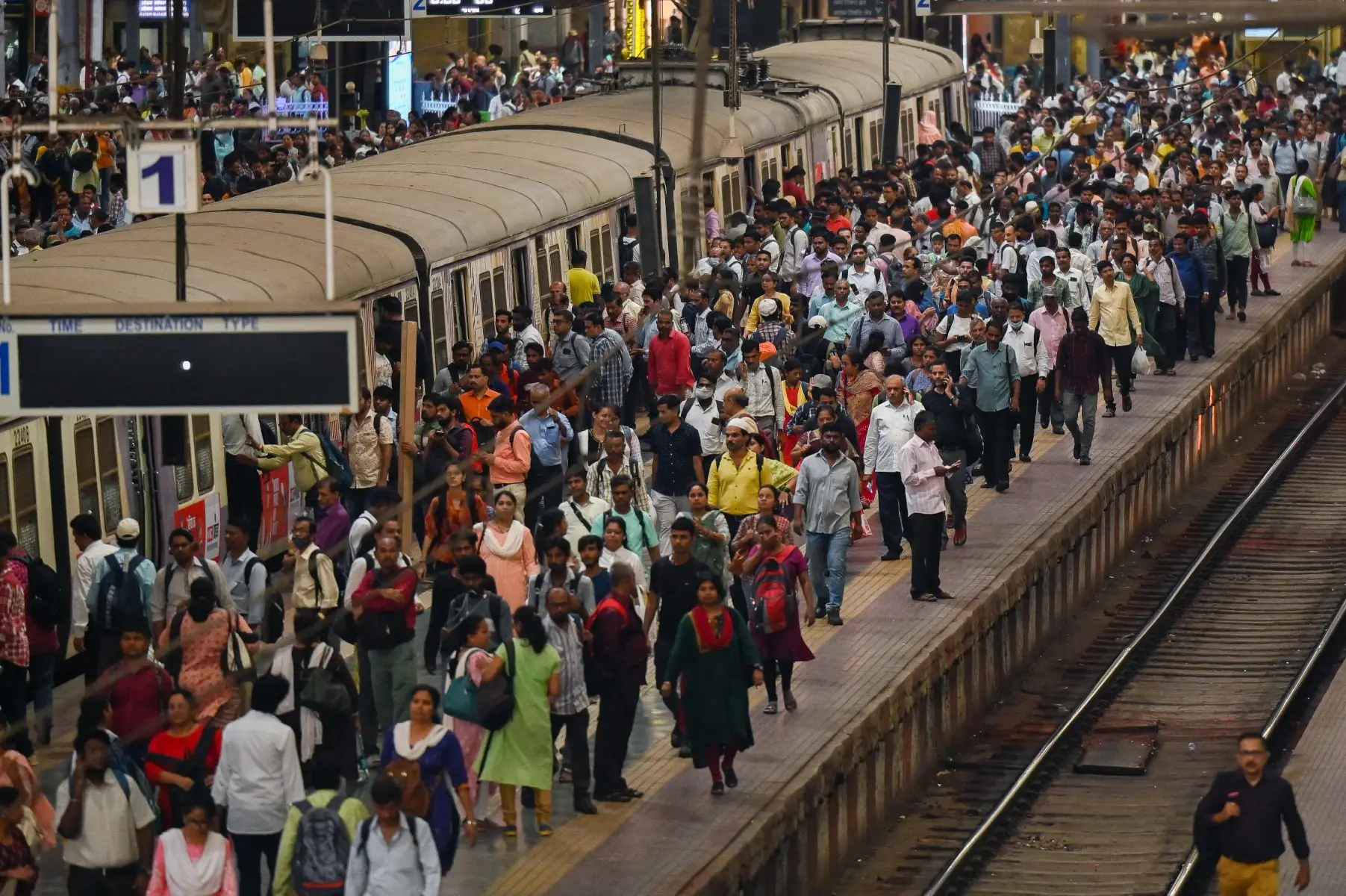
Mumbai
Mumbai has seen enormous growth in population since 2011. In the 2011 census, Mumbai city in the metro region had approximately 18.39 million population. Now, the 2025 projections put the number at 22.09 million.
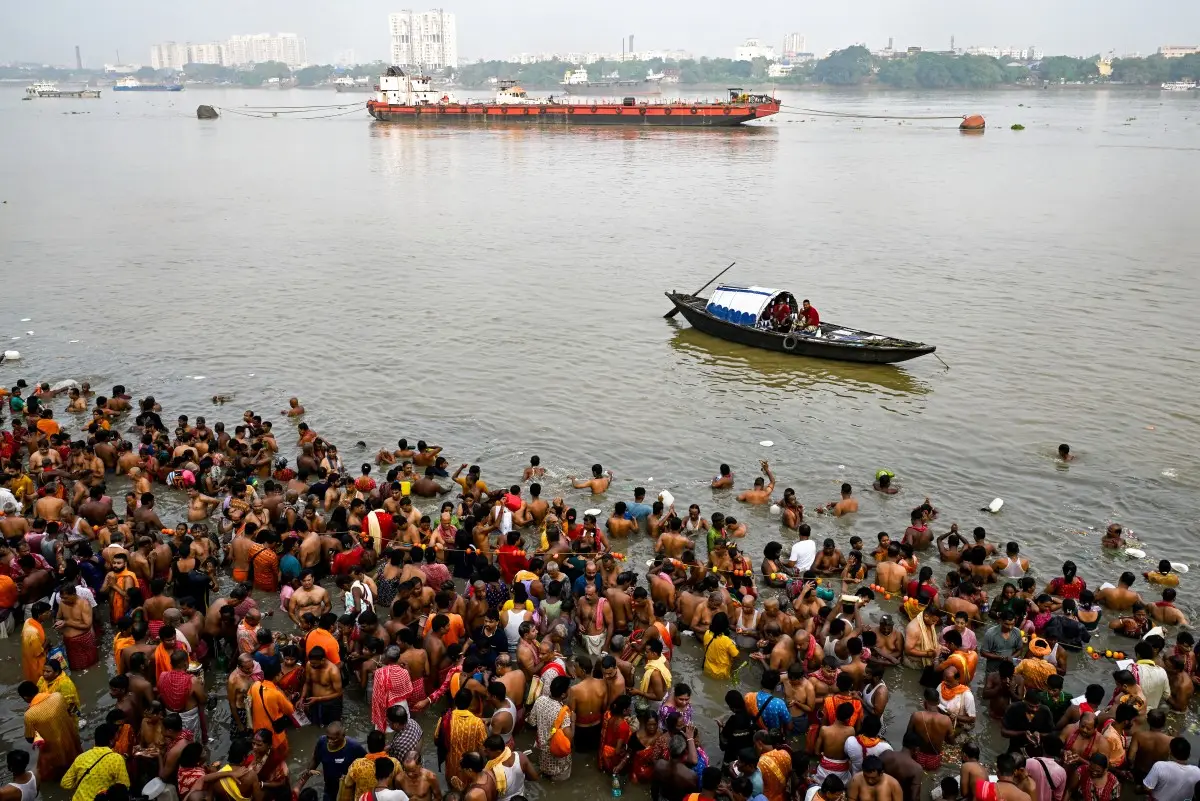
Kolkata
The 2025 projection puts the population of Kolkata at 15.85 million, increasing from 14.03 million in the 2011 census.
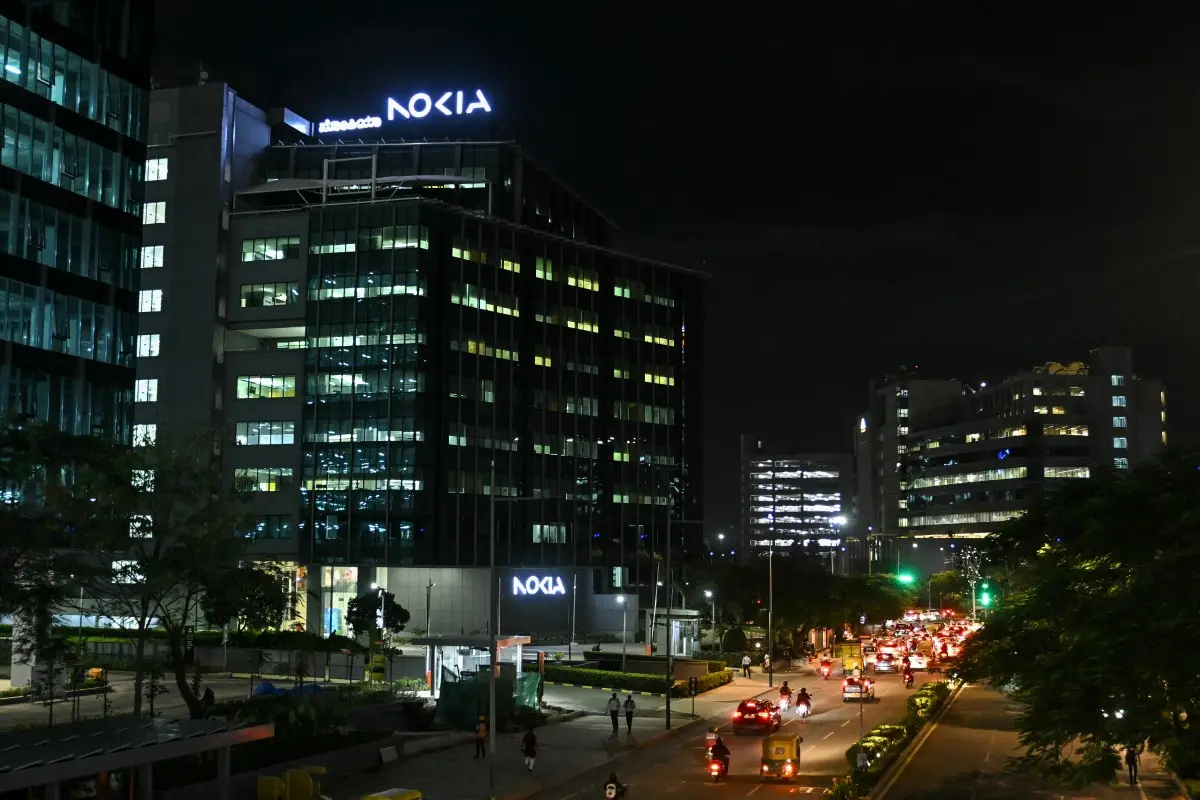
Bengaluru
India's Silicon Valley is at 4th with a projected population of 14.40 million in 2025, increasing from 8.52 million in 2011. The expansion of the tech sector, the startup ecosystem and the majority of technocratic talent seeking white collar jobs are contributing to the increased migration towards Bengaluru.

Chennai
The southern state Chennai is at 5th according to the UN projections, with 12.34 million population increasing nearly 43 per cent from the 2011 census report.
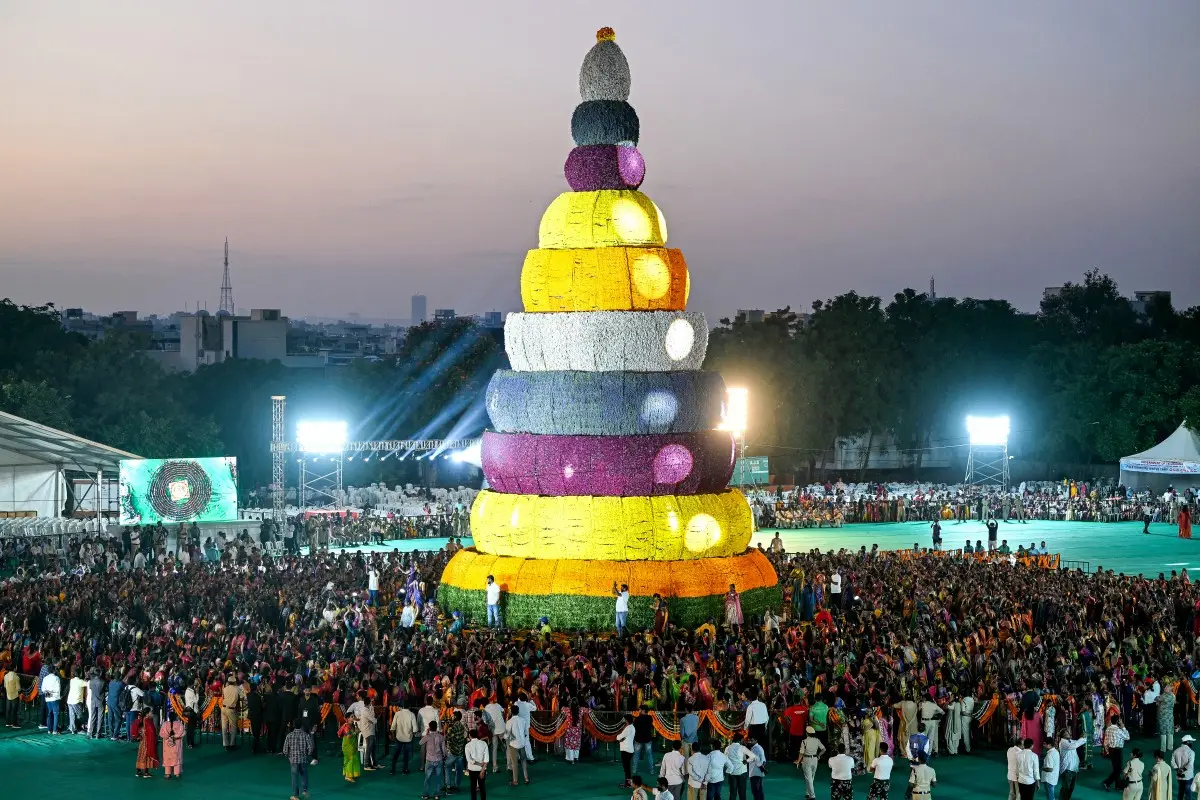
Hyderabad
Hyderabad's population is projected to increase from 7.67 million in 2011 to 11.34 million in 2025. This is also due to Hyderabad's rapid growth as the tech hub, rivalling other established centre like Bengaluru.
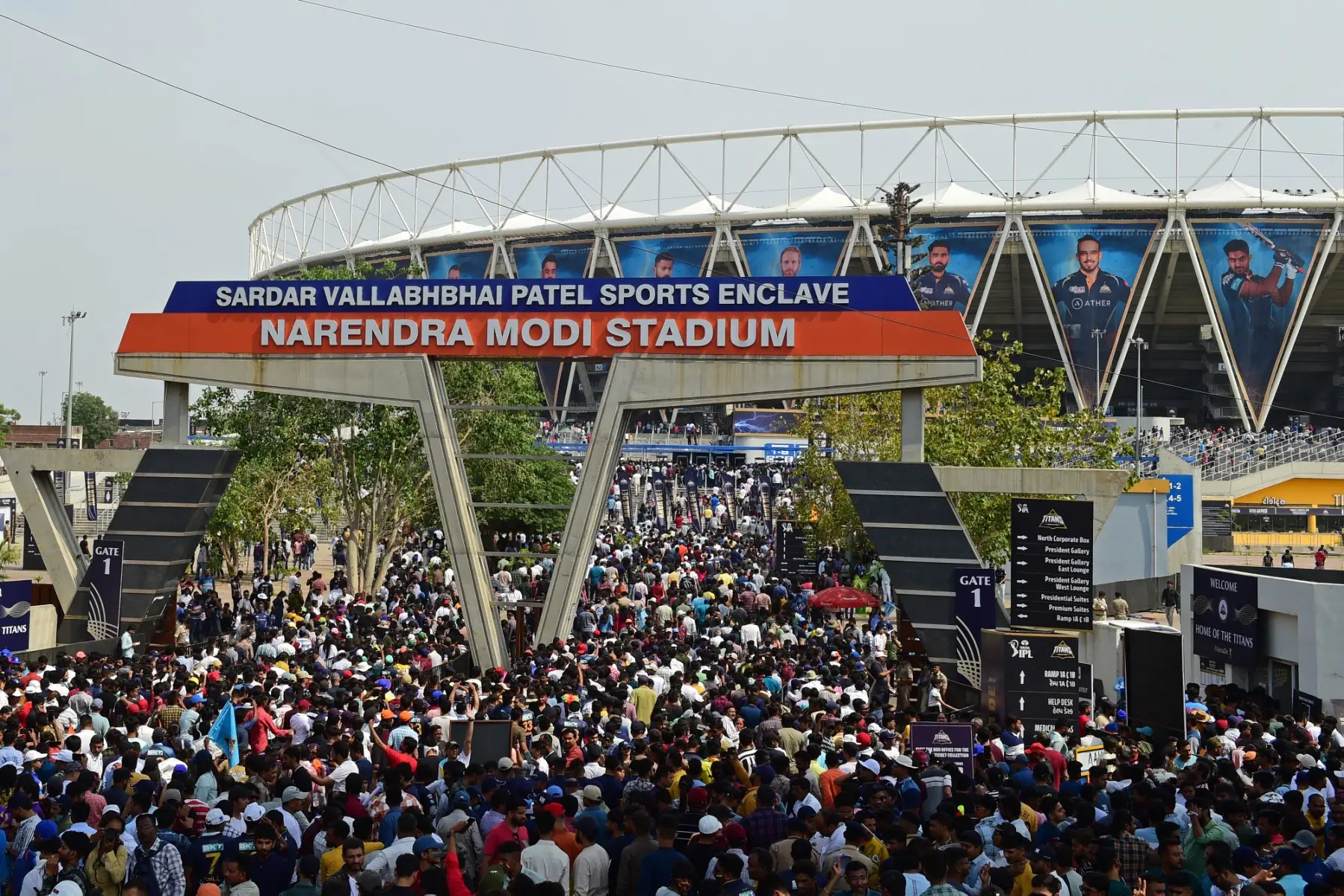
Ahmedabad
Ahmedabad is projected to have a population of 9,06 million, growing from 6.36 million in 2011. Once known as the 'Manchester of India', Ahmedabad has been able to diversify its economy from textiles to IT and finance. Rapid infrastructure development and favourable policies have attracted people to the city.
)
)
)
)
)