More than 5,000 US personnel at risk: Can Iran sink the USS Abraham Lincoln with Fattah-2 missiles?

The USS Abraham Lincoln and its 5,000 crew face threats from Iran's Mach 15 Fattah-2 missile. Despite hypersonic speeds, sinking a US supercarrier remains nearly impossible due to layered defences.
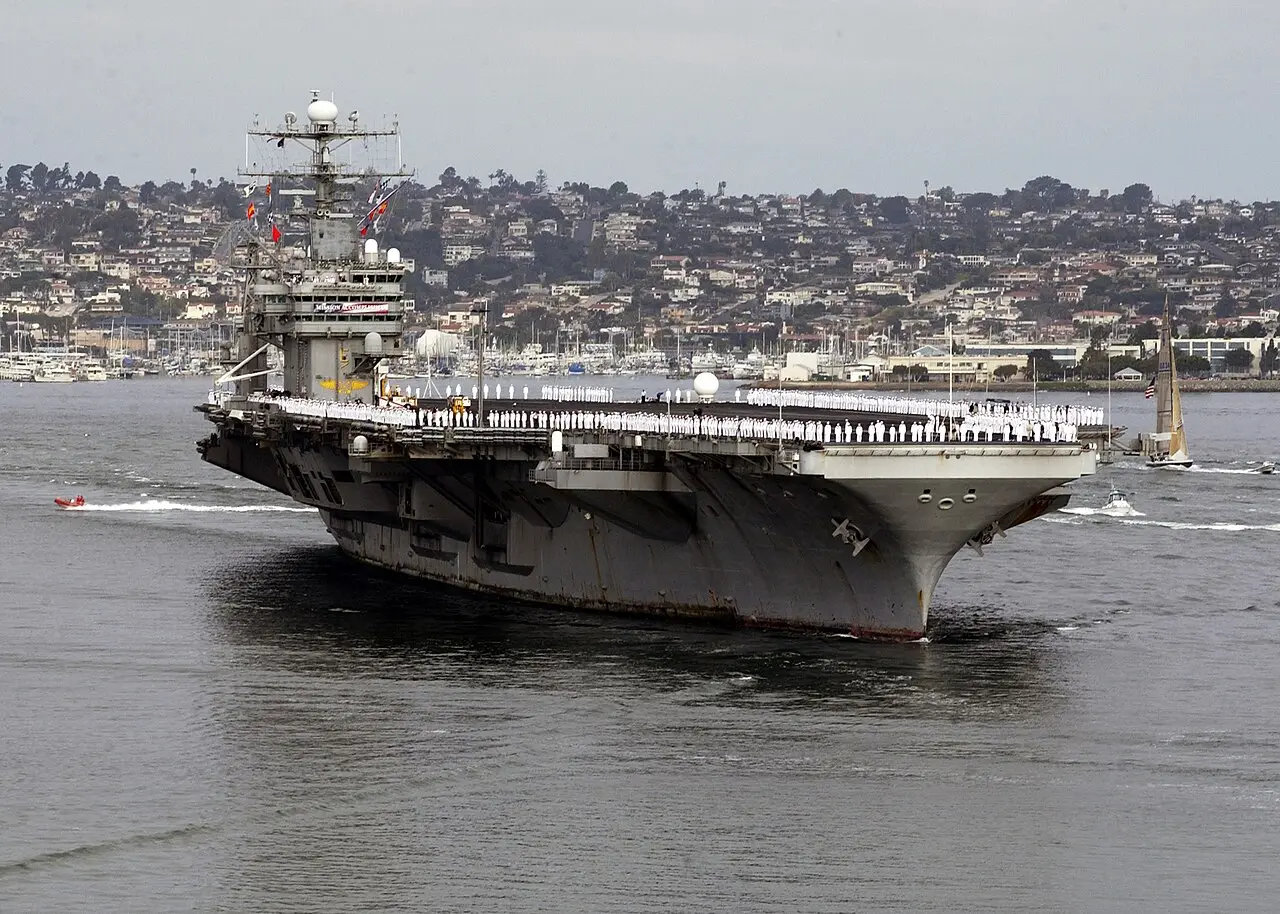
5,000 Personnel At Sea
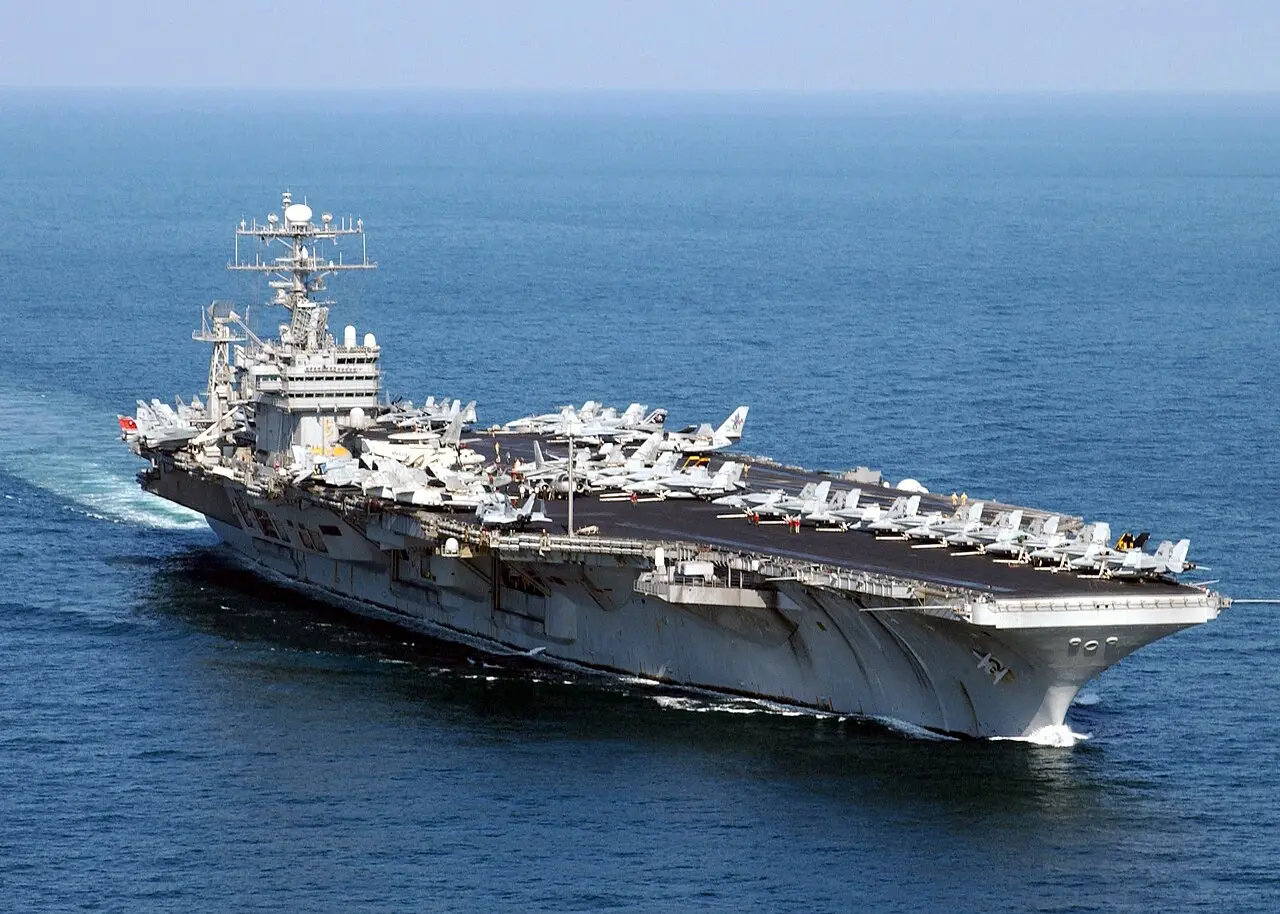
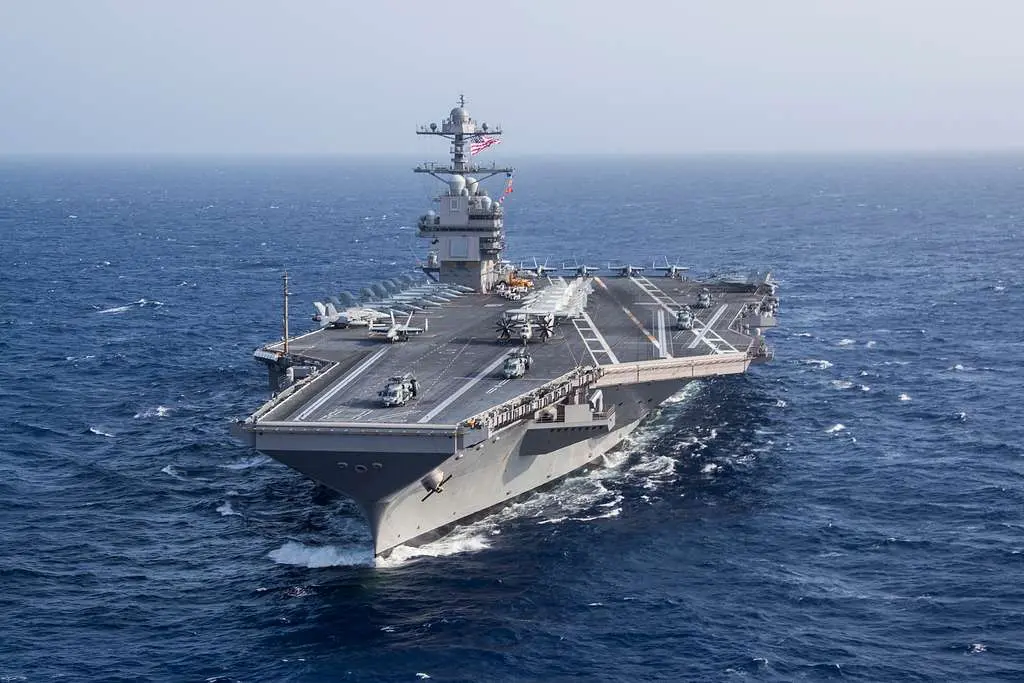
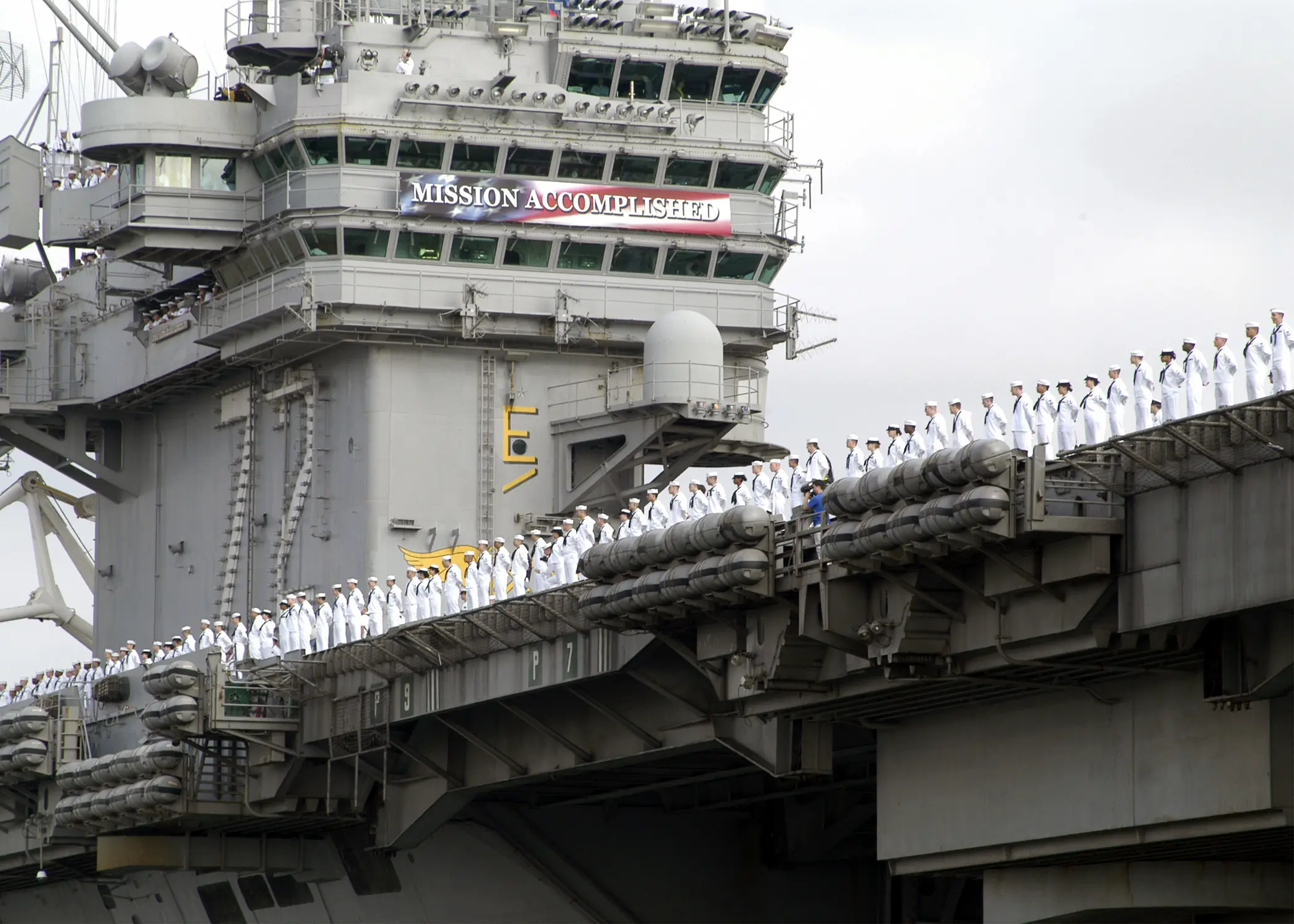
The Nimitz-class USS Abraham Lincoln is currently operating in the Arabian Sea. It carries over 5,000 American sailors and several dozen fighter jets. This massive nuclear-powered vessel acts as the centrepiece of American power projection in the Middle East.
1,500 Kilometre Strike Range
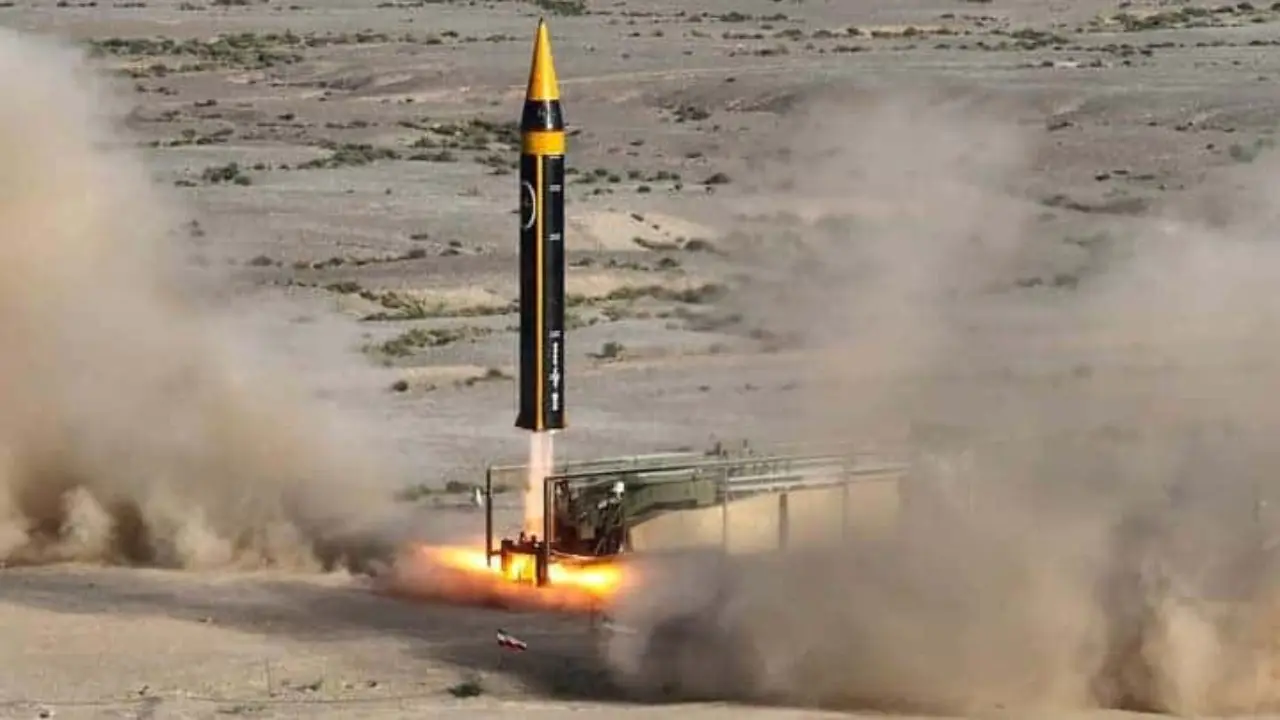
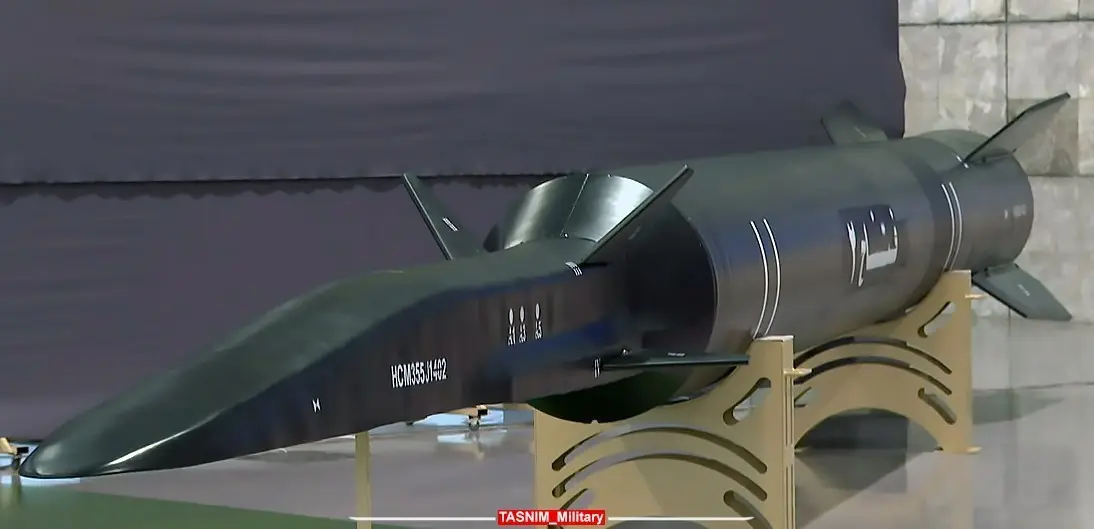
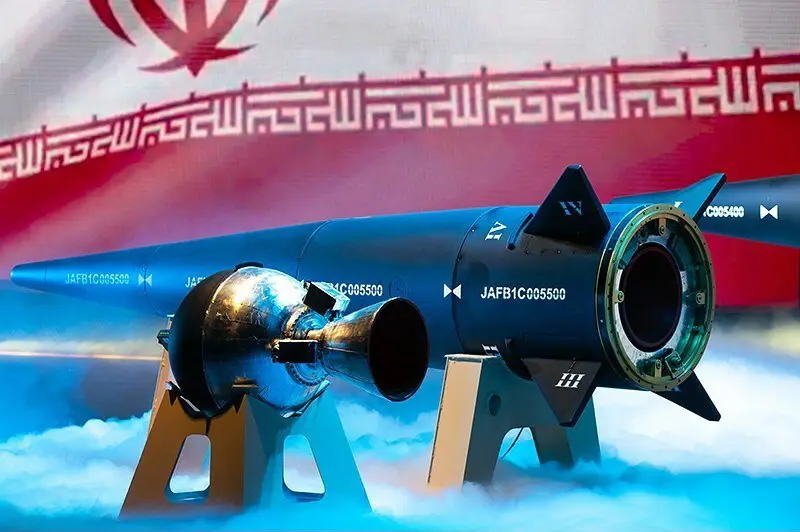
Iran developed the Fattah-2 as an advanced hypersonic weapon with an operational range of 1,500 kilometres. It features a solid-fuel booster and a liquid-fuelled second stage. This weapon incorporates a hypersonic glide vehicle to manoeuvre within the atmosphere.
Mach 15 Speed Claims
The Fattah-2 missile reportedly travels at incredible speeds of up to Mach 15. This velocity makes it theoretically capable of bypassing traditional interceptors. The extreme speed combined with an unpredictable flight path presents a unique challenge for naval shields.
200 Kilogramme Explosive Payload
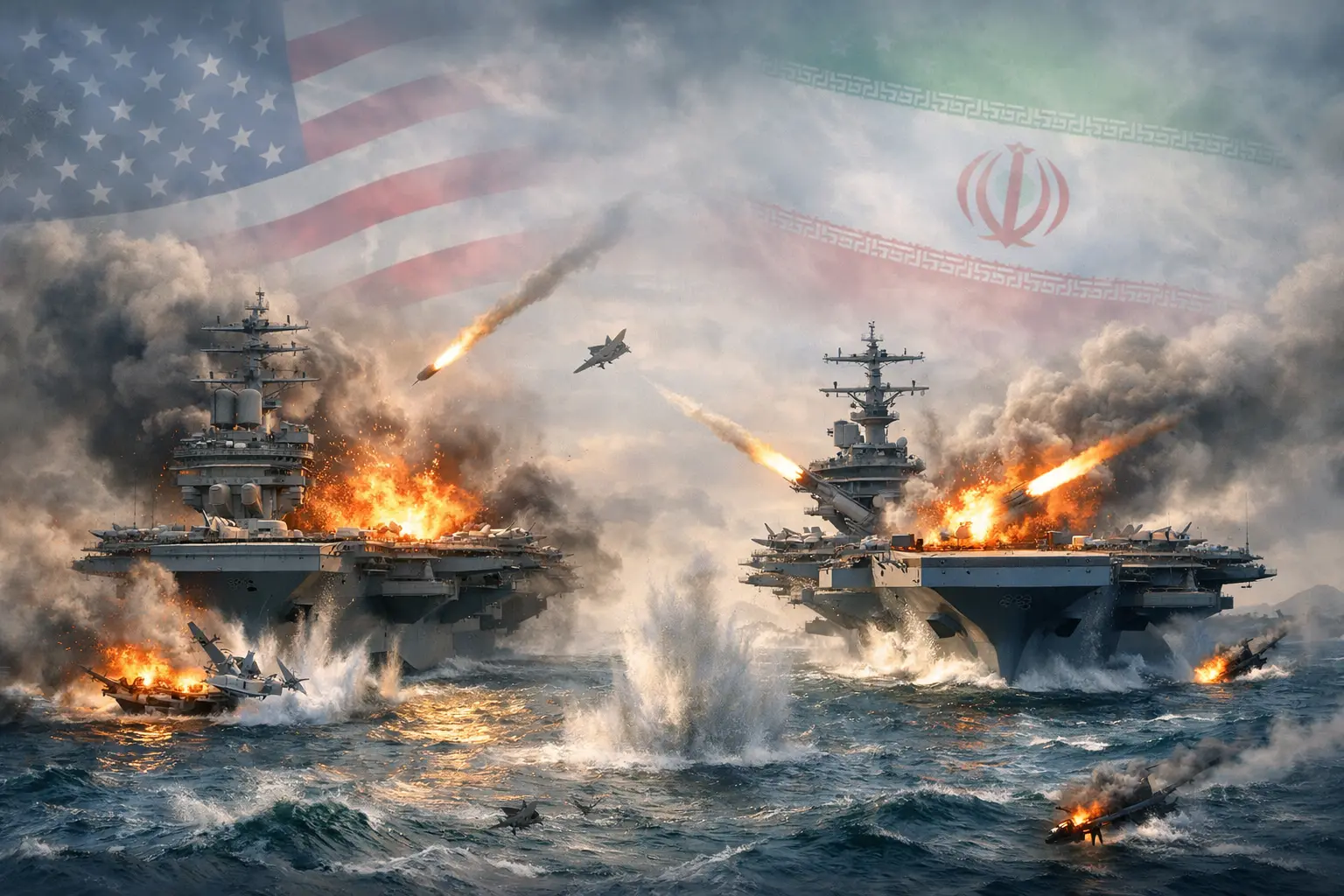
The hypersonic missile carries a highly destructive 200 kilogramme warhead. The Iranian leadership has issued severe warnings about weapons capable of sending American warships to the sea floor. A recent propaganda simulation even depicted a US aircraft carrier being destroyed.
The 25-Knot Moving Fortress
A US supercarrier is never a stationary target. It constantly moves at speeds exceeding 25 knots while frequently changing directions. Hitting such a fast-moving vessel requires continuous tracking data that is highly difficult for adversarial forces to maintain.
400 Kilometre Defence Shield
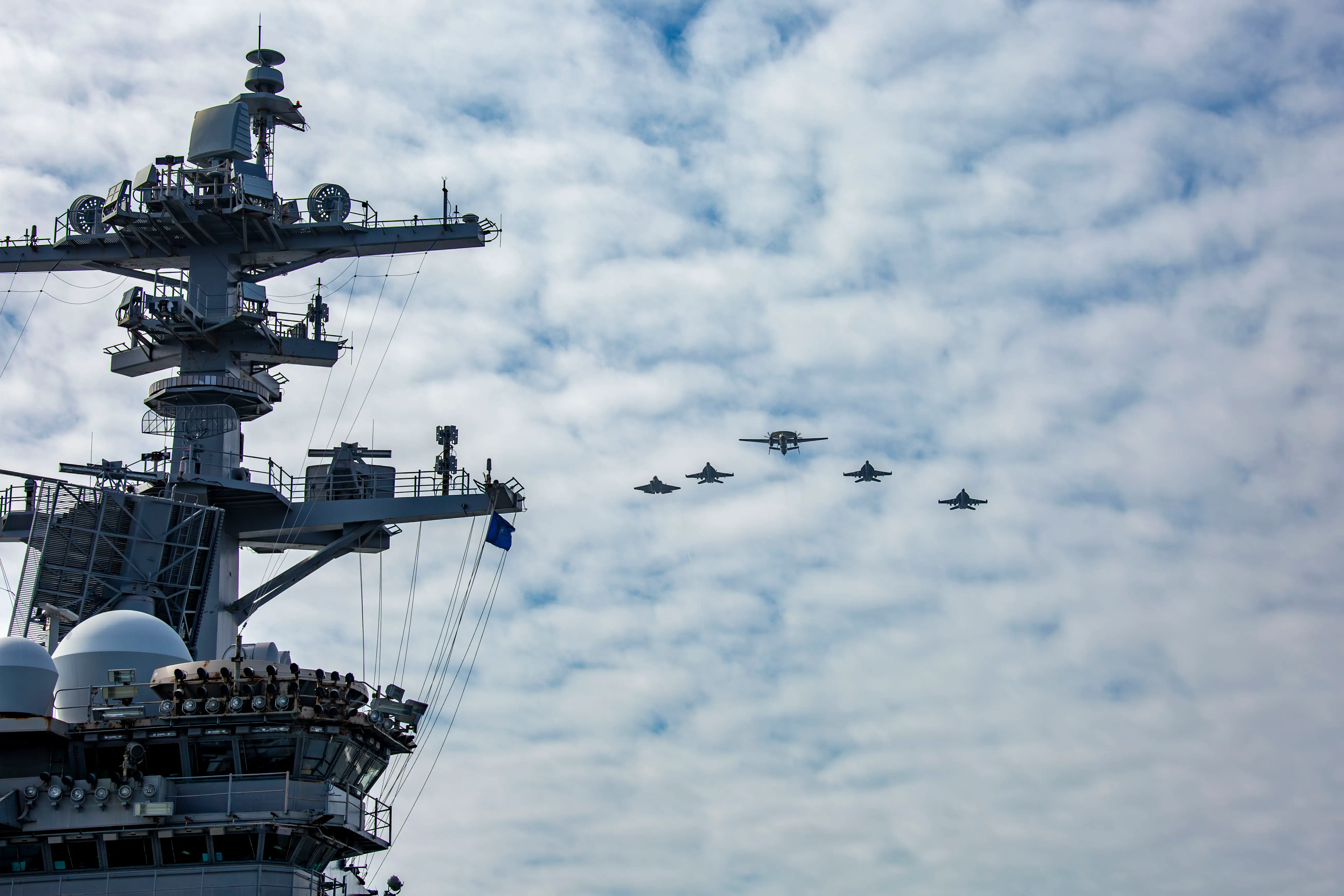
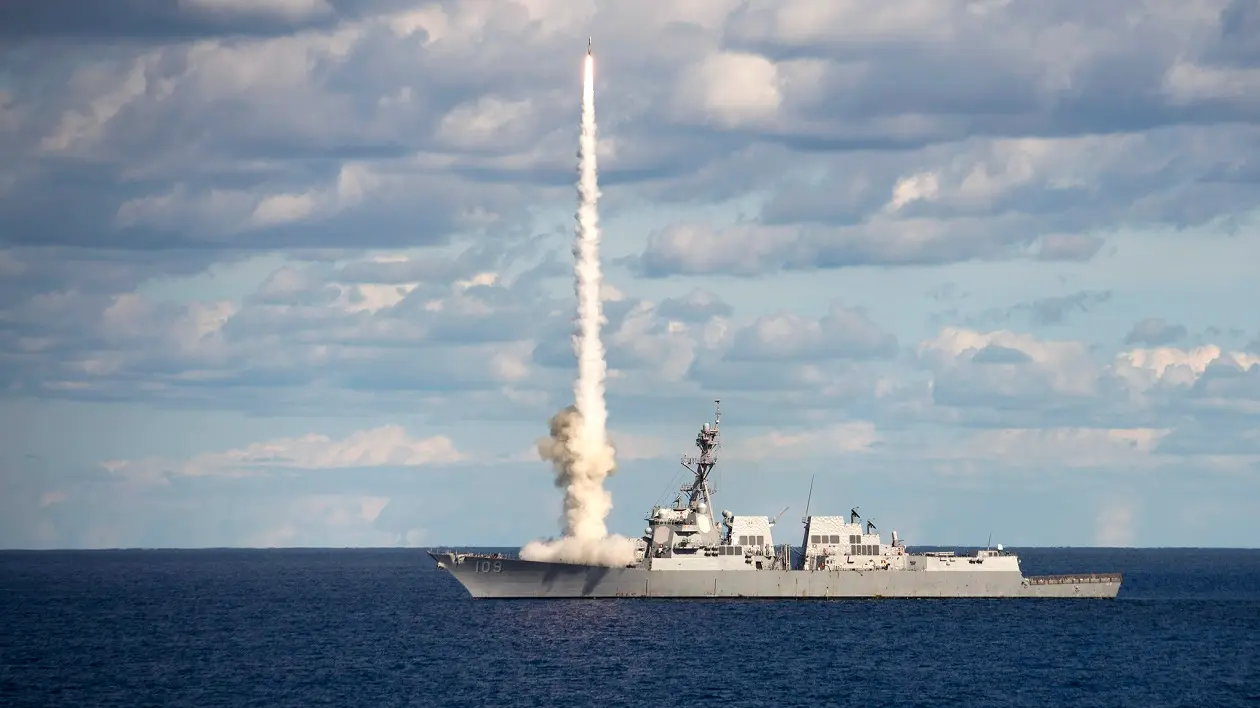
The Abraham Lincoln is protected by guided-missile destroyers equipped with the advanced Aegis combat system. These escort ships use Standard Missile interceptors, including the SM-6. This layered shield can destroy incoming aerial threats from over 400 kilometres away.
Zero Real-Time Satellite Data
Striking a moving carrier requires sophisticated satellites and near-real-time command structures. Iran currently lacks the vast space-based reconnaissance network needed to guide a hypersonic missile to a moving target at sea. Without this, a direct hit remains highly improbable.
4 Weeks To Sink
Sinking a modern supercarrier is historically difficult due to its double-hulled steel armour. In 2005, the US Navy deliberately attacked its own decommissioned carrier, the USS America, to test its durability. The massive vessel absorbed heavy damage and took four weeks of continuous bombardment to sink.
1,000 Cruise Missiles Stockpile
Rather than relying on a single missile, a naval attack would likely involve swarms of drones and anti-ship cruise missiles. Iran possesses a massive stockpile of these weapons to overwhelm and exhaust the carrier's interceptors before the Fattah-2 is ever launched.
100 Per Cent Vulnerability?
Sinking the Abraham Lincoln is nearly impossible for Iran, but a successful strike could still cause severe casualties. Even a partial hit on the flight deck would heavily damage the aircraft wing. However, any such attack would trigger an overwhelming military retaliation.
)
)
)
)
)