Moonlighting, situationship, goblin mode: Here’s a look at trending words of 2022


Moonlighting
This was the most controversial and debated word that became a trend this year. Besides, it actually cost people their jobs!
Meaning: "Moonlighting" refers to doing many jobs in addition to one's regular job. In simpler words, it means a 'side job'.
Big tech firms like Infosys, and Wipro have fired employees who were moonlighting.
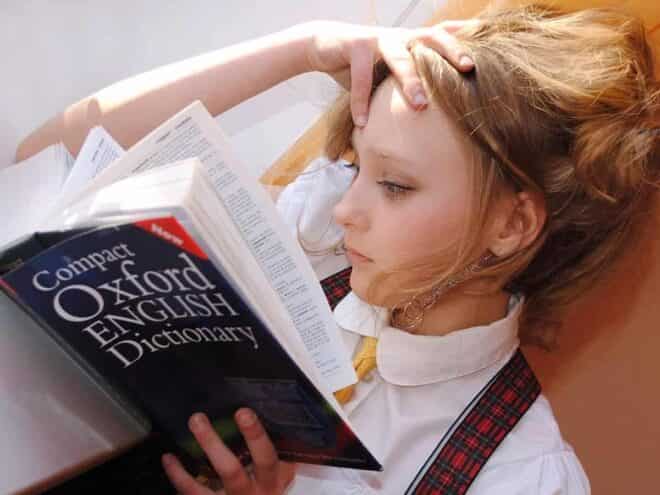
Goblin Mode
This word became the 2022 Oxford word of the year. The word "Goblin mode" won the online poll by a landslide and got 318,956 votes, which is about 93 per cent of the total.
Meaning: "Goblin Mode" means a type of behaviour that is unapologetically self-indulgent, lazy, slovenly, or greedy, typically in a way that rejects social norms or expectations. It reflected people’s unwillingness to step out of the real world, after two years or more of Covid pandemic lockdowns.
Image credit: Pixabay

Situationship
This word became popular in the Gen-Z world of dictionaries. If you are in a 'relationship' or about to involve romantically with someone and are quite aware of today's slang, then this word may not be new to you.
Meaning: Urban Dictionary defines situationships as more than a friendship but not quite a relationship.
Image credit: India.com
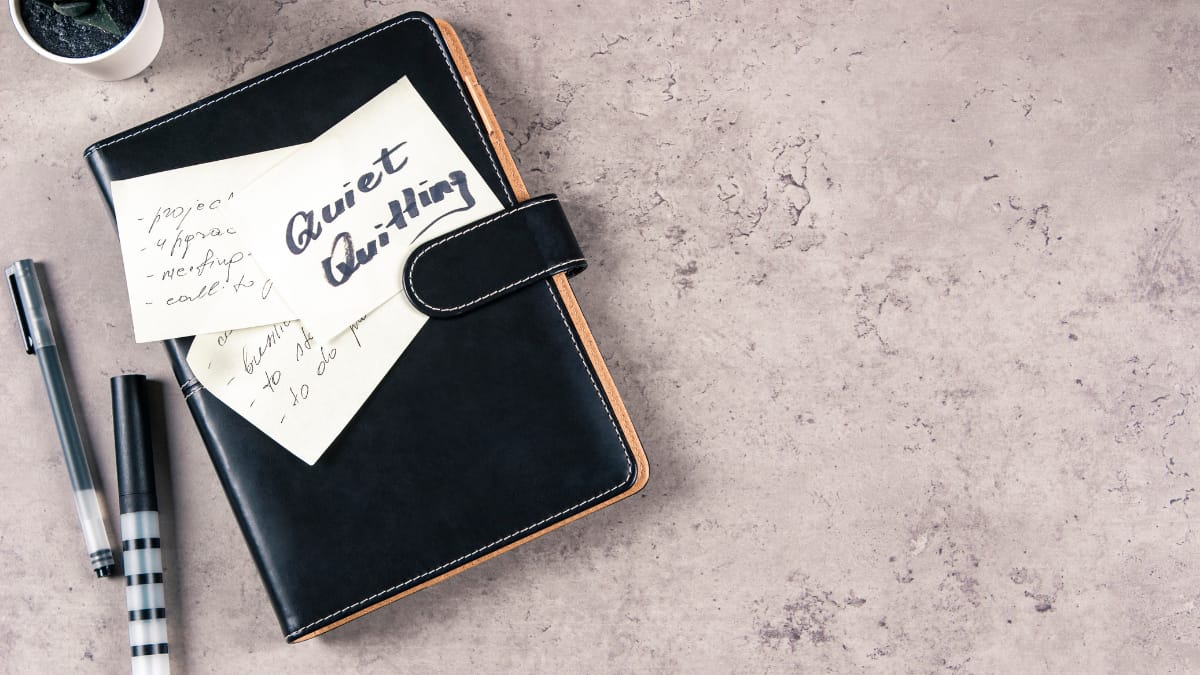
Quiet quitting
Post the pandemic, people have become aware of the importance of work-life balance. Hence, this word has become the 'mantra' of life.
Meaning: Quiet quitting is about not doing above and beyond what you were hired to do.
Image credit: Others
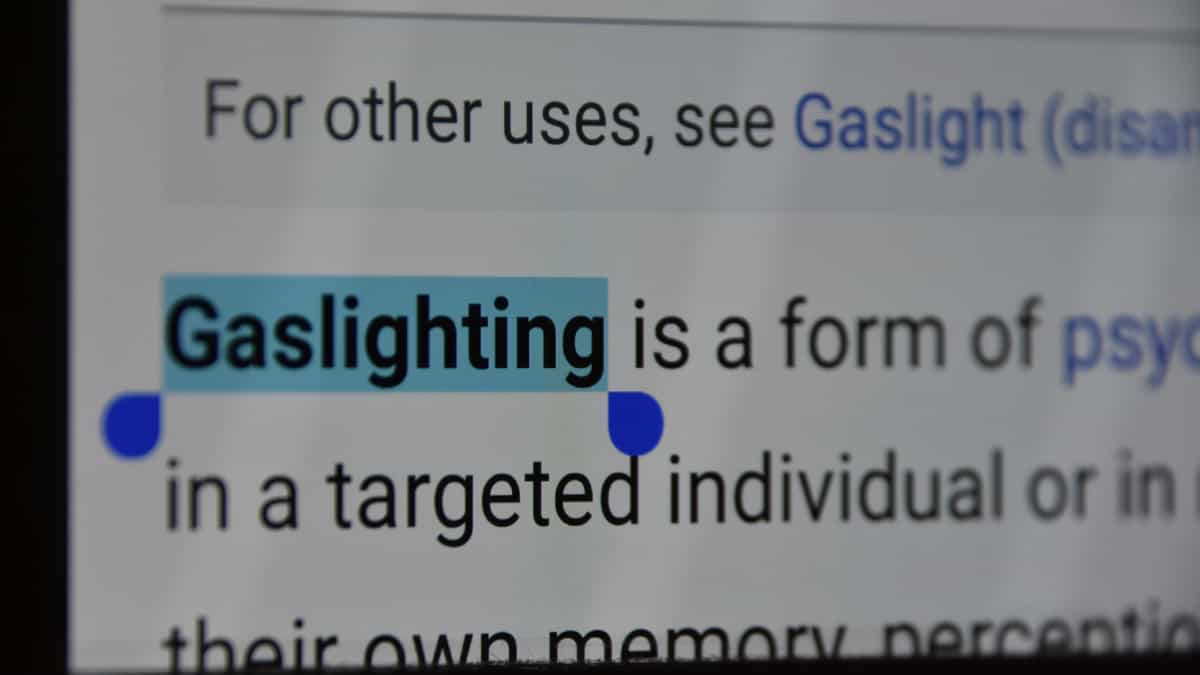
Gaslighting
Gaslighting was the Merriam-Webster word of the year. With the rise in the spread of 'fake news', this word made more sense than ever.
Meaning: Merriam-Webster dictionary defines gaslighting as "psychological manipulation of a person usually over an extended period of time that causes the victim to question the validity of their own thoughts, perception of reality, or memories and typically leads to confusion, loss of confidence and self-esteem, uncertainty of one’s emotional or mental stability, and a dependency on the perpetrator."
Image credit: Others
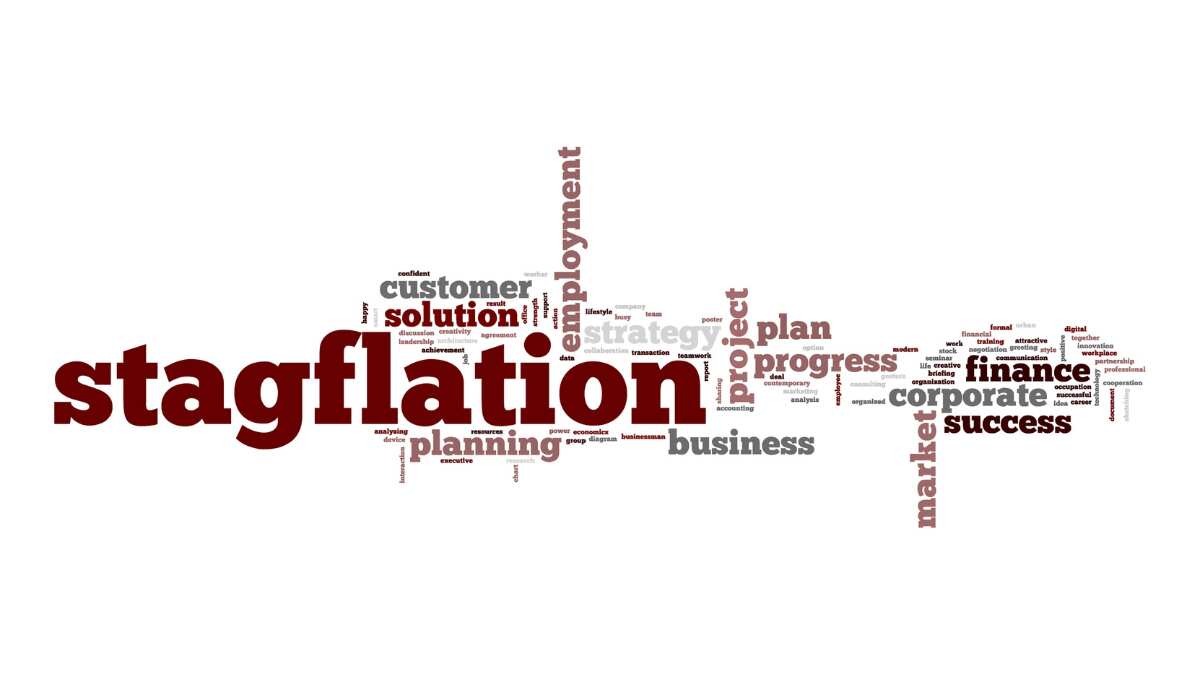
Stagflation
With the global economy being in turmoil, stagflation became a concern for economists. Though the word was first identified in 1970s, it became popular in 2022.
Meaning: Stagflation is defined as an economy that is suffering both an increase in inflation and a stagnation in economic output at the same time.
Image credit: Others
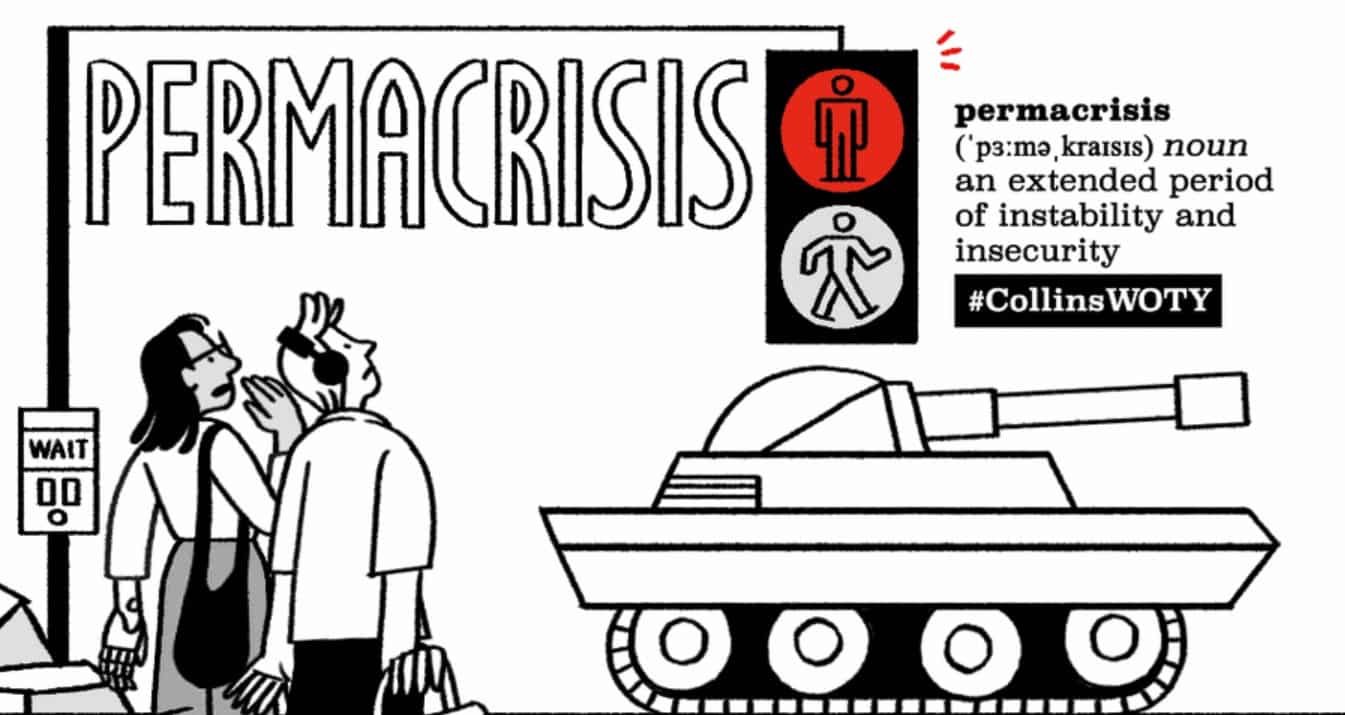
Permacrisis
From climate crisis to economic crisis, we are literally in the world of continuing crises. If you are thinking it is going to end soon, then this word will scare you. Permacrisis was also Collins' word of the year.
Meaning: The dictionary defines it as "an extended period of instability and insecurity". As per Collins dictionary's language lovers blog, "as we wonder bleakly what new horrors might be around the corner", the word "perfectly embodies the dizzying sense of lurching from one unprecedented event to another."
Image credit: Collins Dictionary
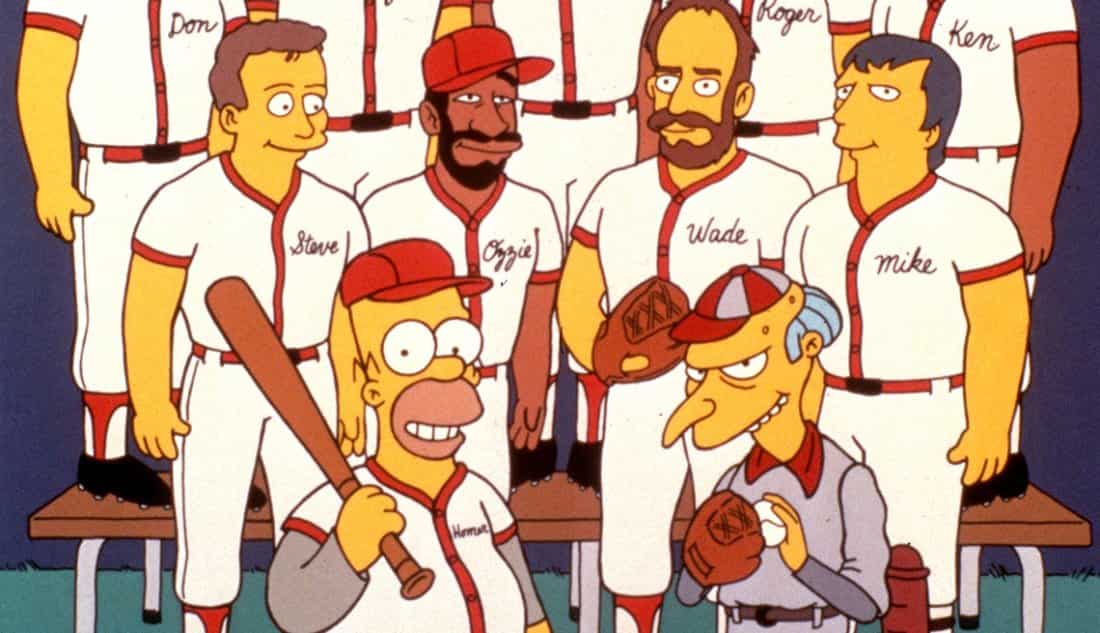
Homer
If you are a Wordle fan, then this word may not be new to you. According to reports, Homer has become Cambridge Dictionary’s “highest-spiking word of the year” and it was then announced as WOTY by the dictionary.
Meaning: As per the official website, it is an " informal short for home run: a point scored in baseball when you hit the ball, usually out of the playing field, and are able to run around all the bases at one time to the starting base".
Image Credit: Twitter
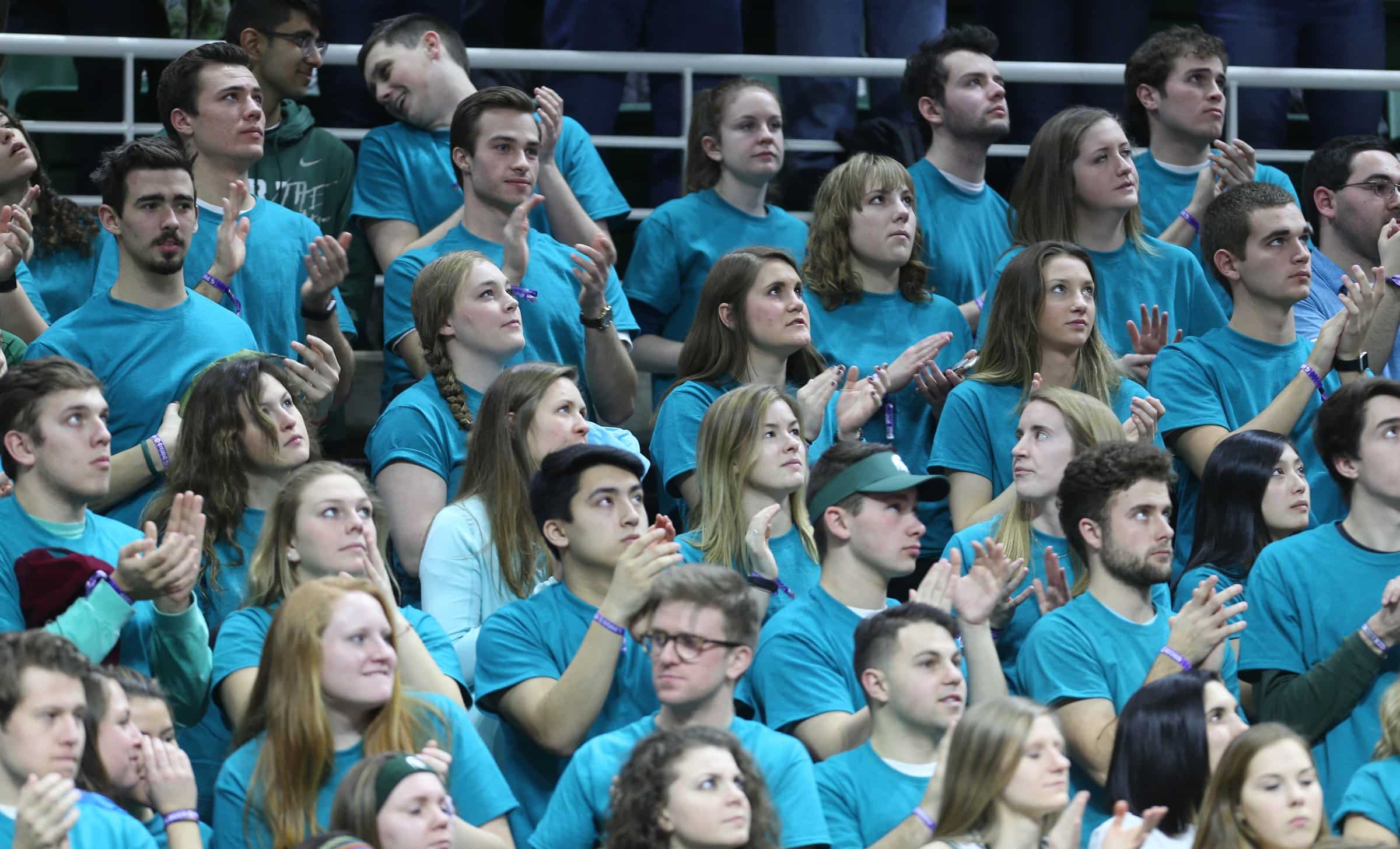
Teal
This time, even politics played an important role in deciding the word of the year. The word for inspired by Australia's political landscape and became Macquarie Dictionary’s WOTY.
Meaning: Teal is defined as “an independent political candidate who holds generally ideologically moderate views, but who supports strong action regarding environmental and climate action policies, and the prioritising of integrity in politics, so-called as many of the candidates use the colour teal in their electoral material”.
So which word are you taking with you in 2023?
)
)
)
)
)