Moon-age survivor: The B-52 bomber was built before the Moon landing so why is it still flying?

Built before the Apollo 11 Moon landing, the B-52 Stratofortress survives due to extreme 1950s structural over-engineering. Evolving into an airborne missile truck, a USD 48.6 billion digital and engine upgrade ensures it flies for 100 years.
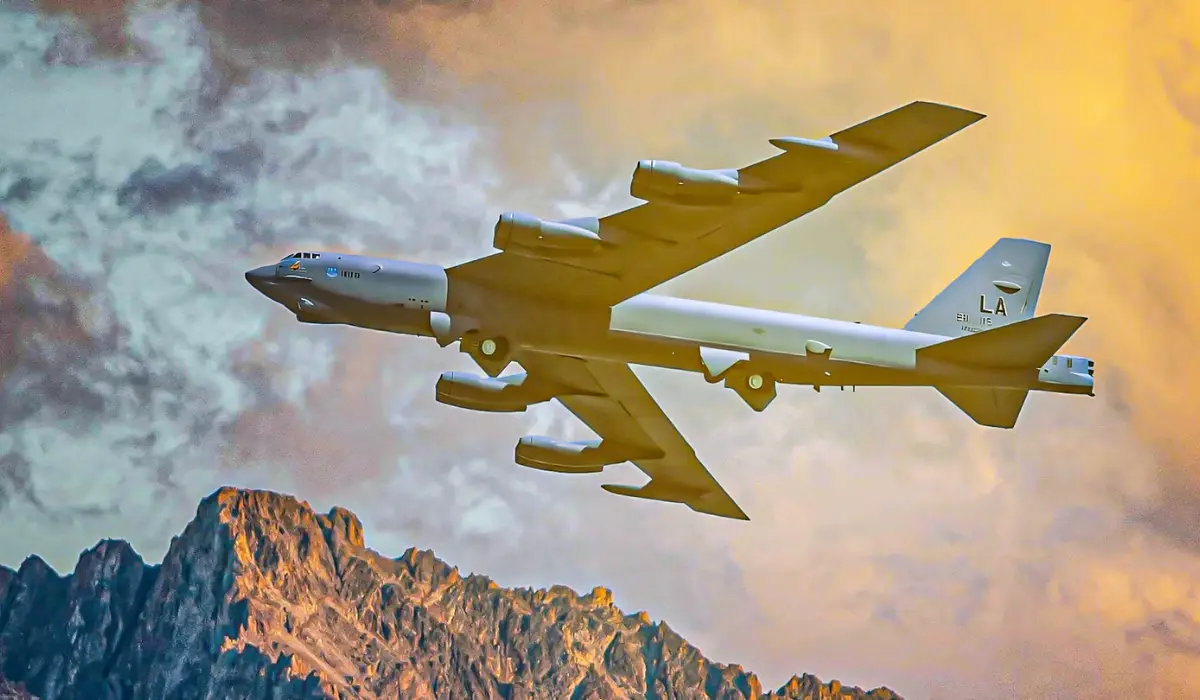
Older Than Apollo
The Boeing B-52 Stratofortress first took to the skies in 1952, nearly two decades before humanity walked on the Moon. Today, the US Air Force continues to deploy this 390,000-pound behemoth because its sheer structural integrity remains unmatched by modern stealth aircraft.
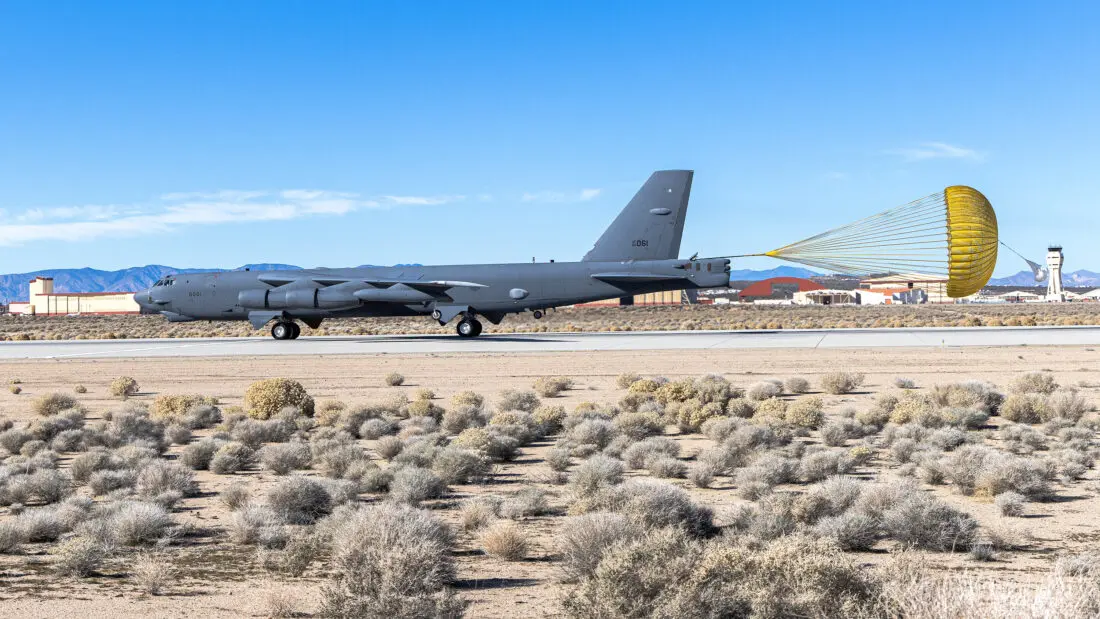
Built for Nuclear Blast Waves
Engineers originally designed the heavy bomber to physically survive the crushing atmospheric shockwaves of a thermonuclear detonation. This extreme 1950s over-engineering gave the metal airframe an incredibly long fatigue life, allowing it to easily outlast the fragile bombers built to replace it.
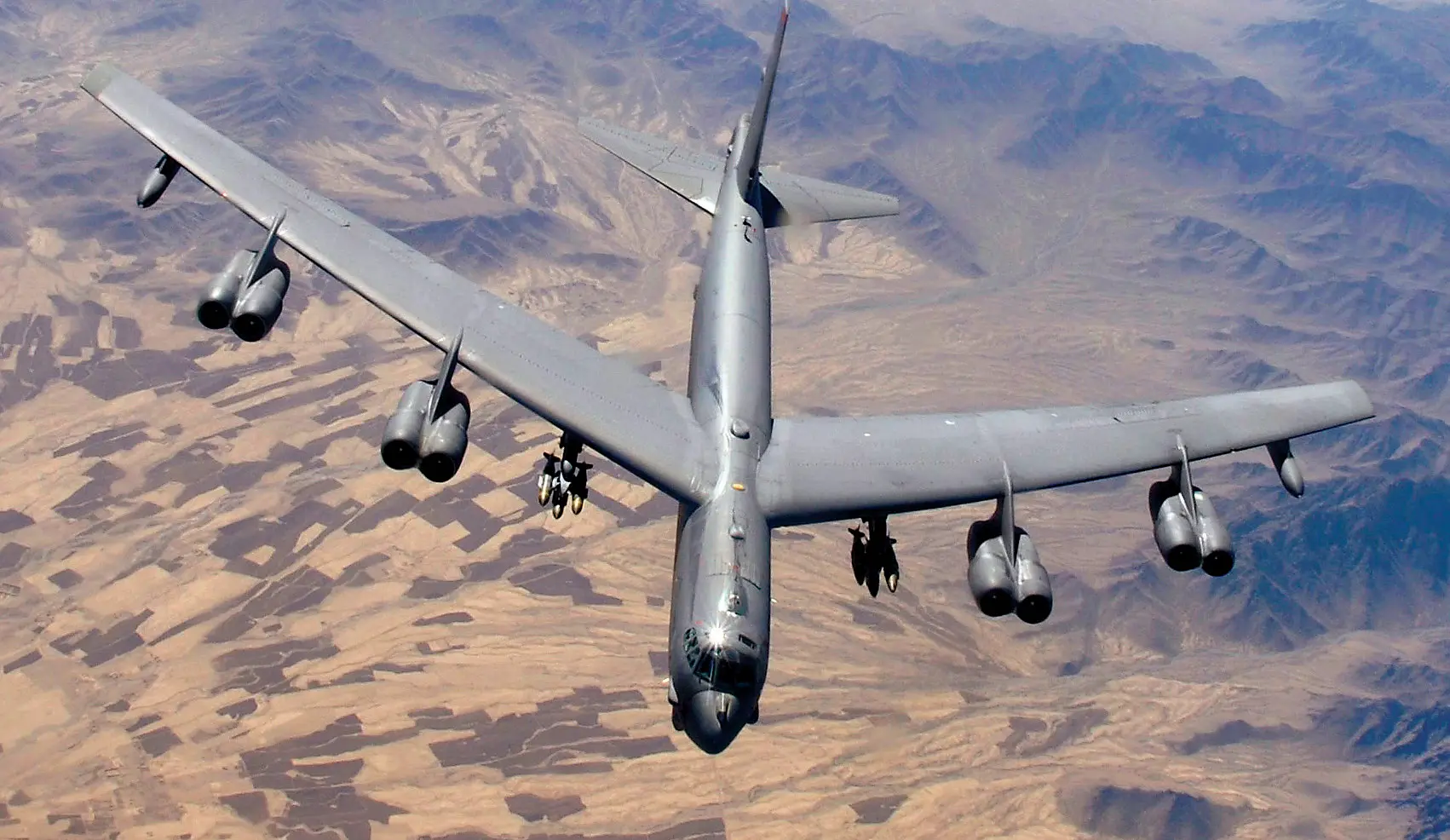
The Ultimate Standoff Platform
As modern surface-to-air missiles made low-level bombing suicidal, the B-52 adapted into an unstoppable airborne magazine. Instead of penetrating enemy airspace, it loiters in safe international skies to launch advanced hypersonic weapons and nuclear cruise missiles from thousands of miles away.
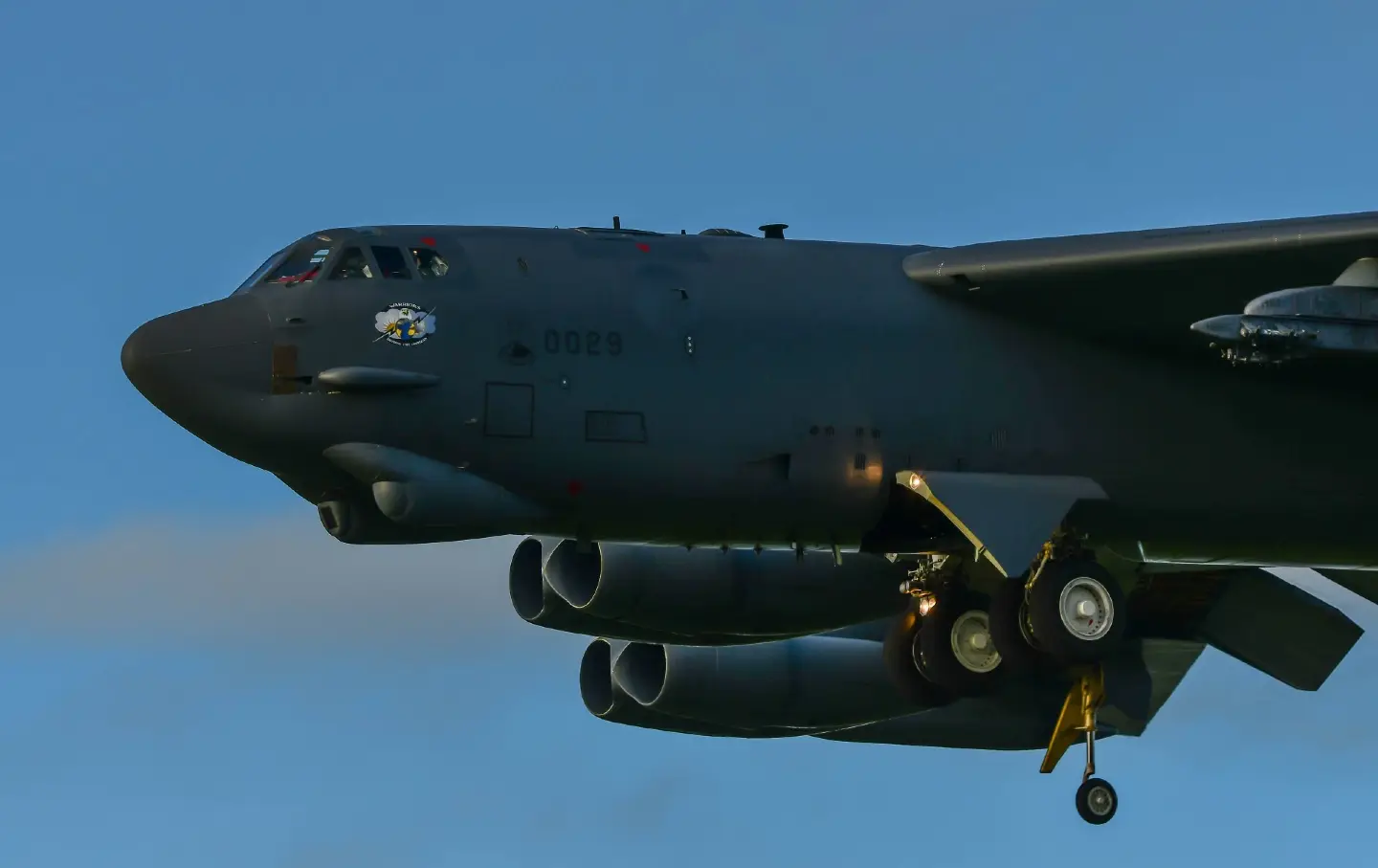
A Cost-Effective Giant
Operating bleeding-edge stealth technology is a massive financial drain, with the radar-evading B-2 Spirit costing upwards of USD 150,000 per flight hour. The conventional B-52 operates at a fraction of that cost, offering the Pentagon a reliable, budget-friendly platform to deliver a massive 70,000-pound payload.
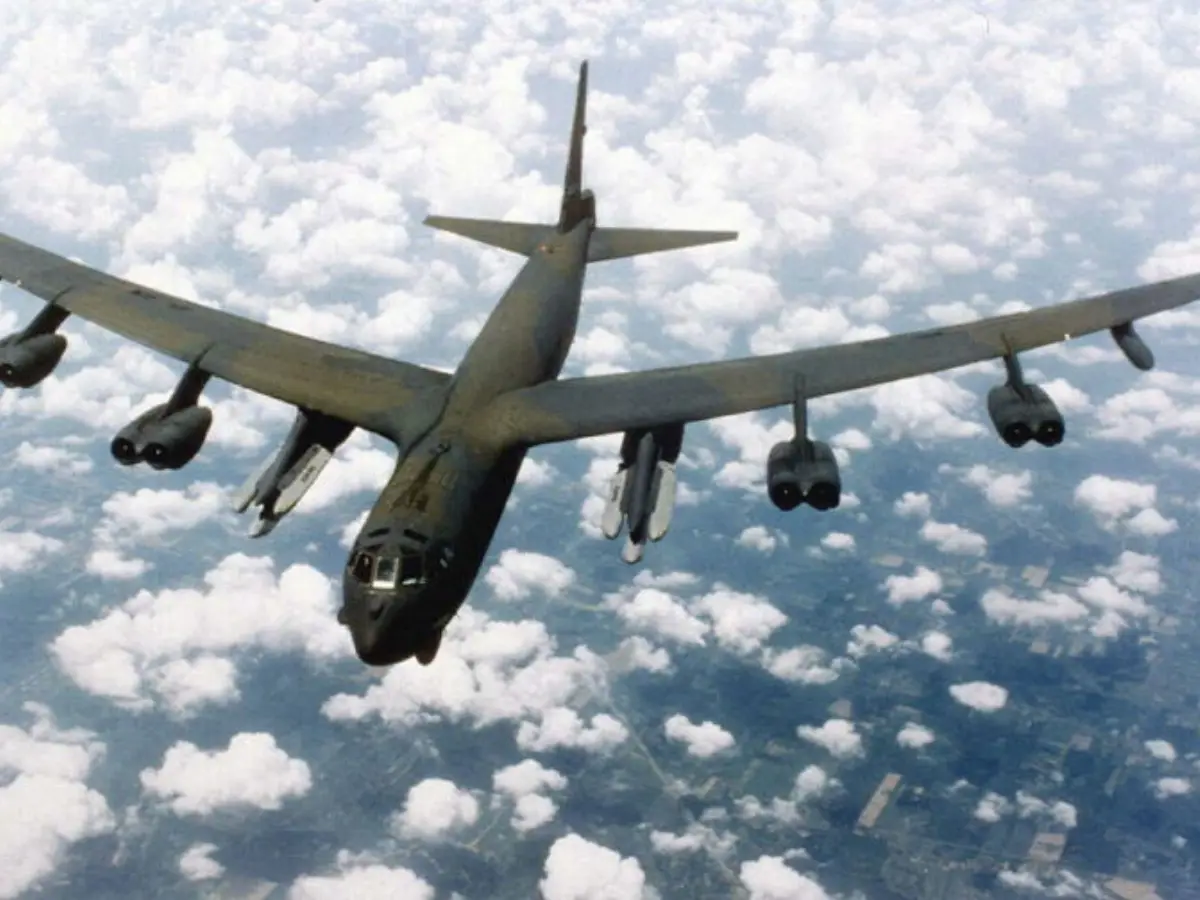
The Digital Rewiring
The military is not flying analogue relics; the fleet is undergoing a massive USD 48.6 billion modernisation programme. Redesignated as the B-52J, the aircraft features secure data links, digital touchscreens, and advanced AN/APQ-188 AESA radar to instantly detect targets across the modern battlespace.
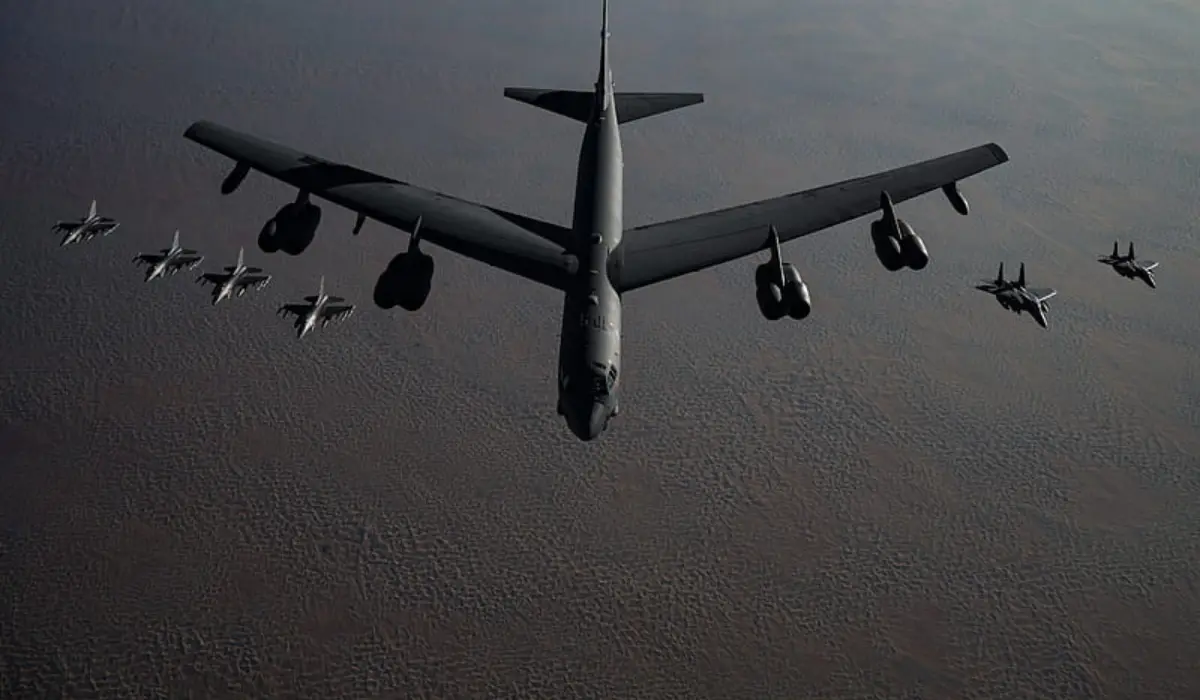
Swapping the Engines
To keep the aircraft flying into the 2050s, the Air Force is stripping out the original 1960s-era turbofans. They are installing eight modern Rolls-Royce F130 engines, instantly slashing fuel consumption by 30 per cent and dramatically expanding the bomber's unrefuelled global reach.
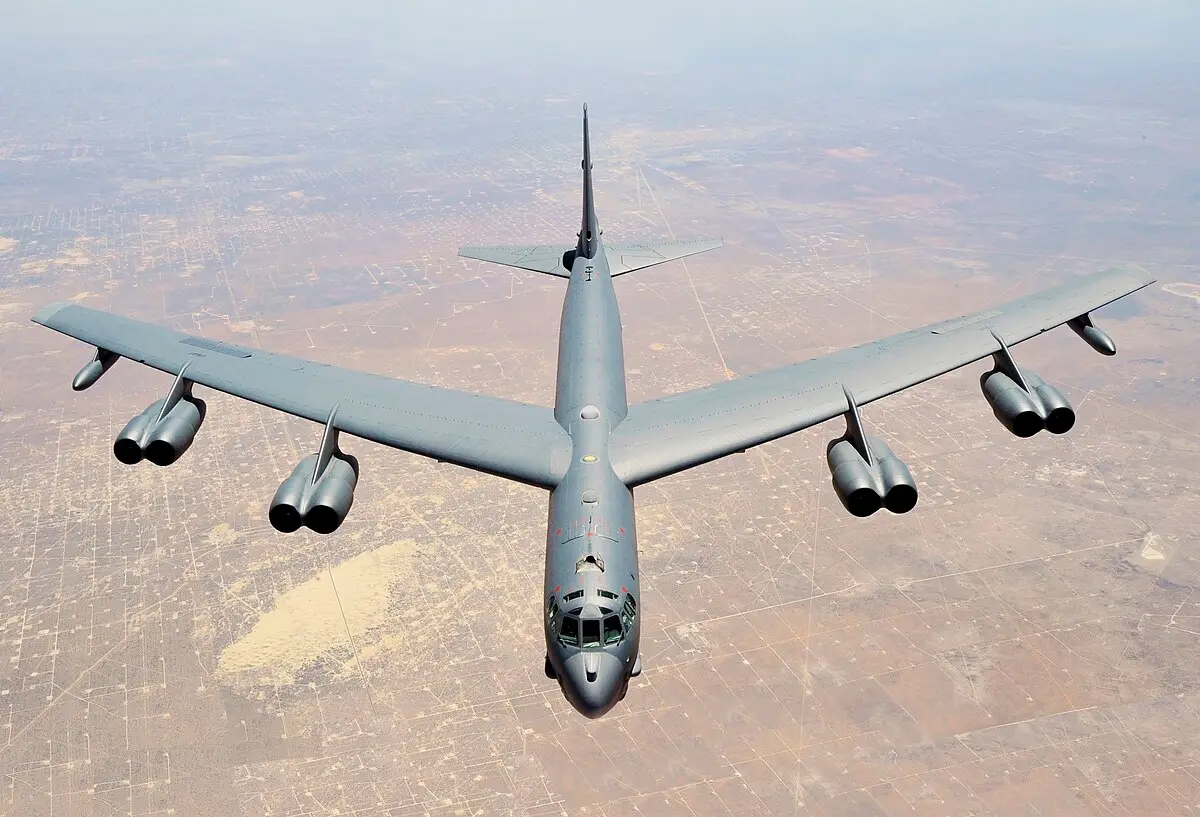
100 Years in the Sky
The Stratofortress has systematically outlived every advanced variable-sweep and stealth bomber specifically designed to replace it. By operating closely alongside the upcoming B-21 Raider, this legendary Moon-age survivor is officially locked in to achieve an unprecedented 100 years of active military service.
)
)
)
)
)