From the Mona Lisa to Crown Jewels: Heists and history, the Louvre's most infamous thefts

In addition to the Louvre's wild history of robbery, on Oct 19, four thieves robbed the museum of precious and priceless crown jewels in just seven minutes and fled the scene in a Hollywood movie-style getaway.
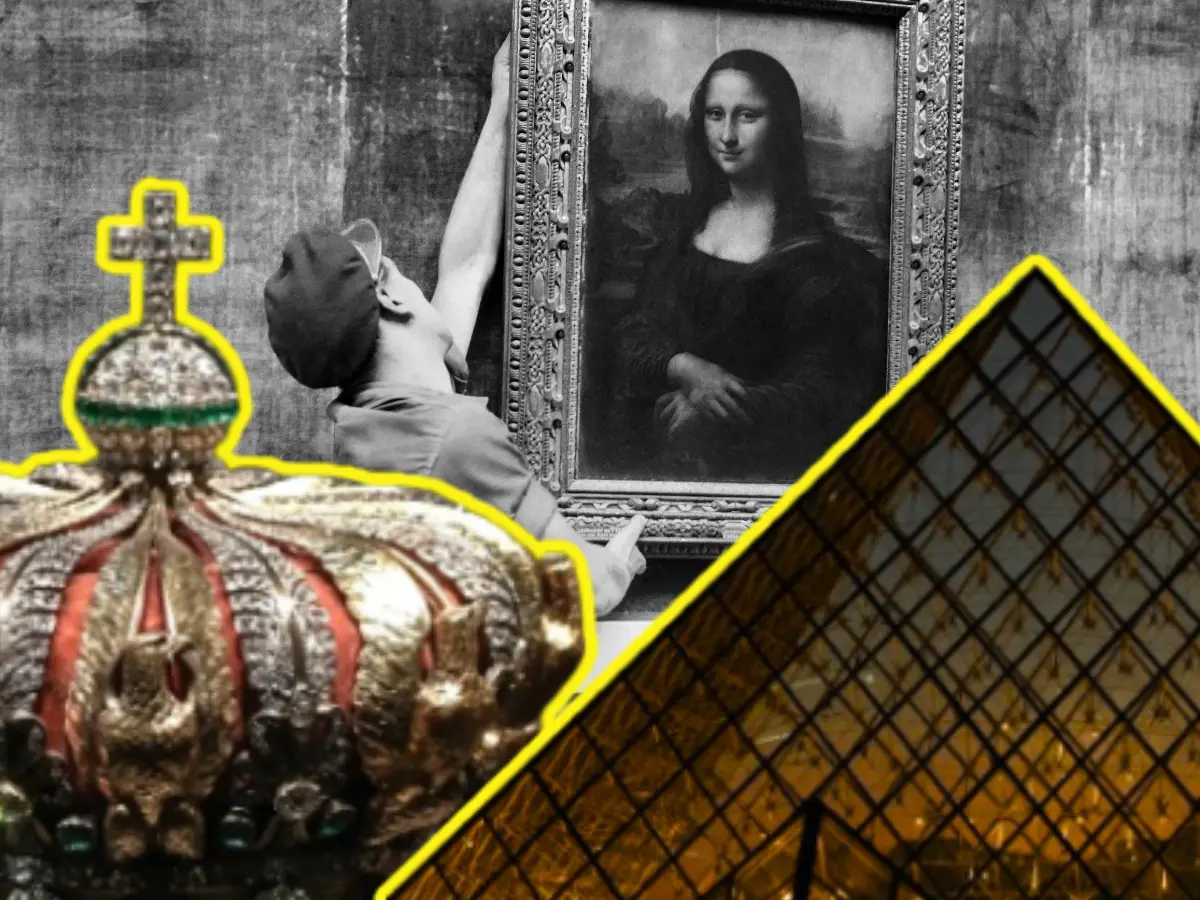
The Louvre Heist
The Louvre, one of the most famous museums in the world, has been robbed in a daring daylight heist. A gang of masked thieves stole several pieces of priceless jewelry in a shocking seven-minute operation. The incident occurred at around 9:30 am on Sunday (Oct 19), less than half an hour after the museum had opened to the public. During the heist, the robbers made off with nine pieces of invaluable French jewelry, including Empress Eugenie's crown.

History of the Louvre
The Louvre Palace, situated on the right bank of the river Seine in Paris, is one of the renowned and most famous landmarks of France. Built in the late 12th century, it was converted into a royal residence in the 14th century. After years of transformation under different kings, including King Henry IV, Louis XIII, and King Louis XIV, and during the French Revolution in the late 18th century, the Louvre was officially converted into a public museum.

Heists and the Louvre
The 2025 theft, which has been dubbed the "heist of the century," is not the only robbery that has taken place in the Louvre's history. The museum has been home to several historic and magnificent artworks and jewelry and has seen its fair share of struggles, starting from one of the famous heists that made the Mona Lisa painting the famous work it is today.
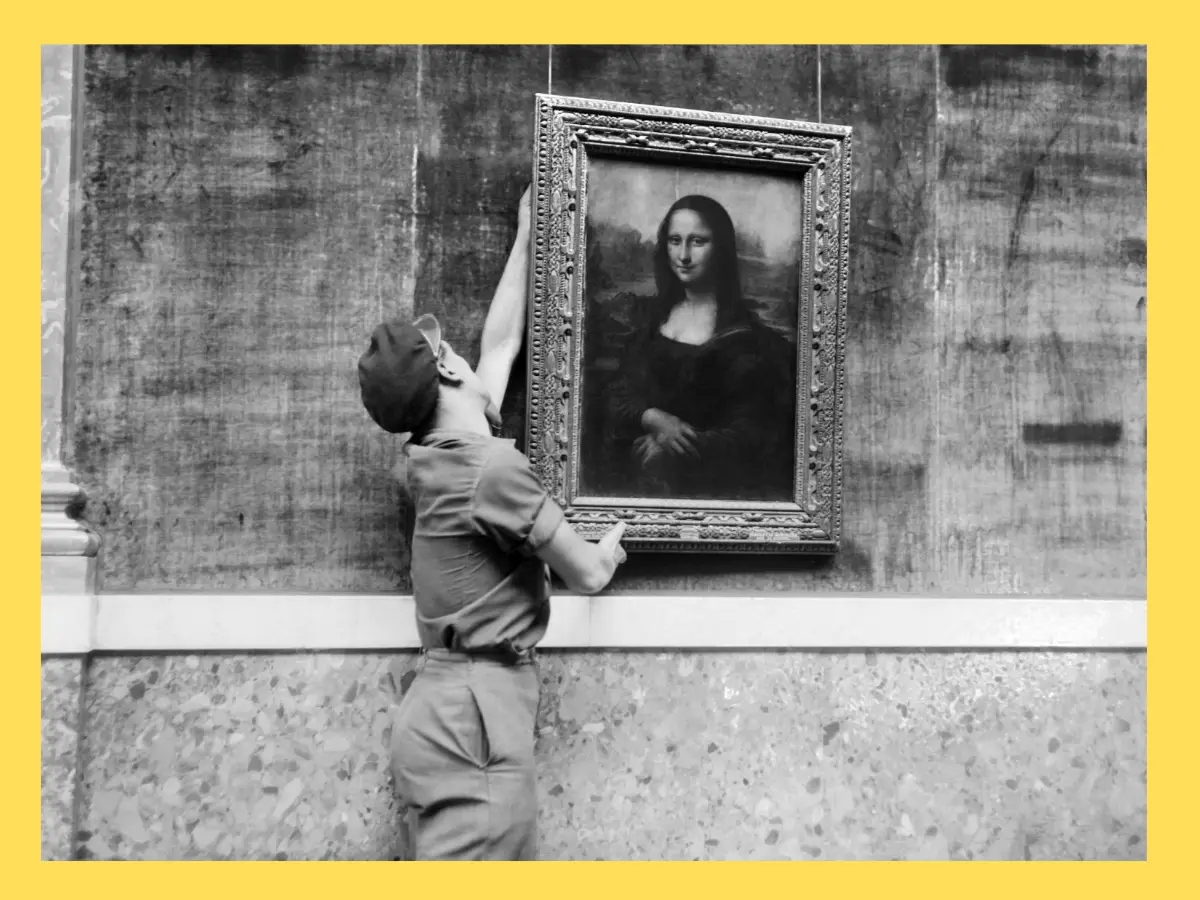
The Mona Lisa is gone...
One of the well-known heists is the 1911 robbery of Leonardo da Vinci's Mona Lisa, which made the painting famous.
Decades ago, it was stolen by an Italian handyman, Vincenzo Peruggia, on August 21, 1911. Two years later, in 1913, he was caught when trying to sell the painting in Florence, and the masterpiece was brought back in January 1914.

The Louvre during World War II
In the 1940s, when the Nazis invaded France, the biggest threat the Louvre had to face was losing some of its most precious artworks. However, days before German troops entered the city, most of the masterpieces were hidden in different parts of the country. Before the Nazi occupation, most of the museum was already empty. Still, a few Nazi soldiers managed to get their hands on several museum pieces,like Bartolomé Estaban Murillo’s “The Immaculate Conception of Los Venerables.”
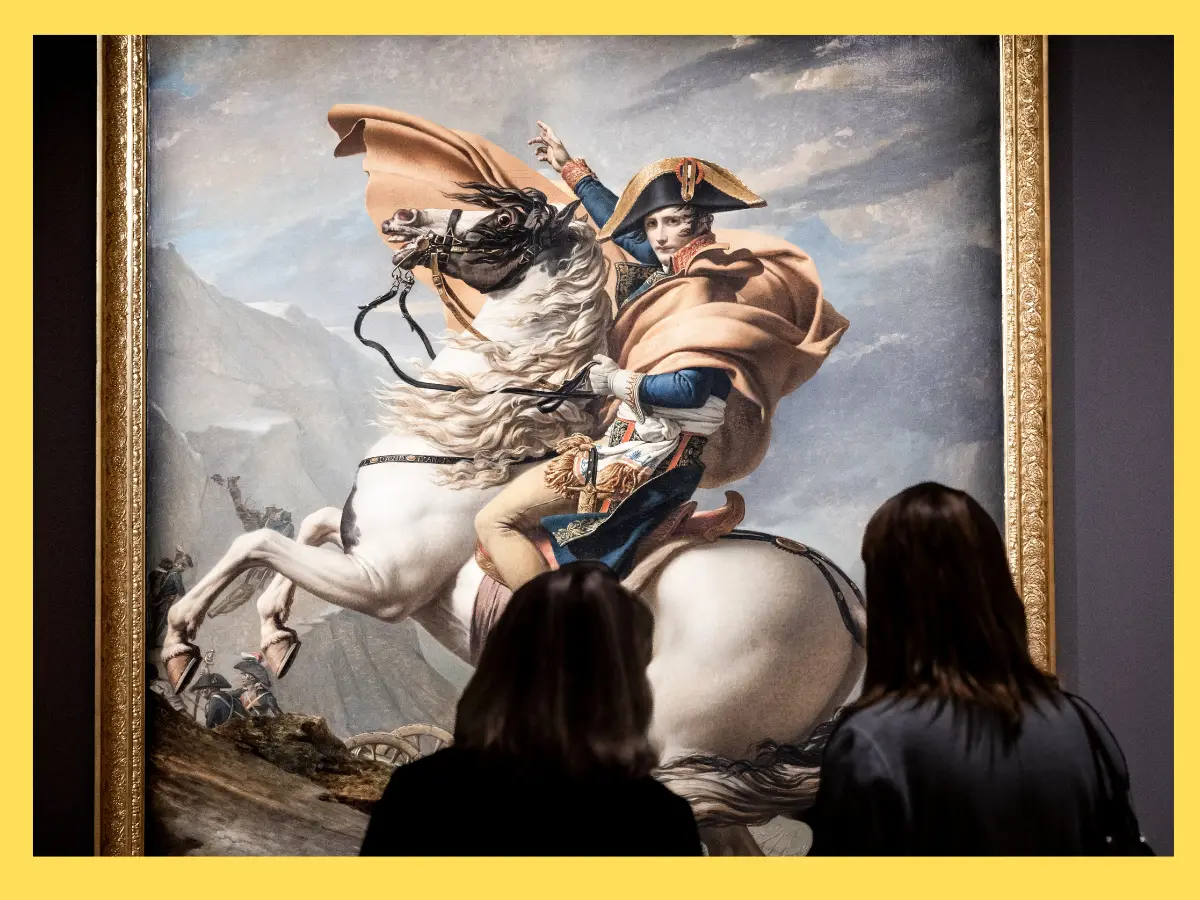
1990s - A Critical Period for the Louvre
The 1990s were a critical period for the museum. As per The Washington Post, the crisis was declared in France when the head of the Louvre announced on July 7, 1990, that a dozen Egyptian artifacts were missing, and the security budget was increased.
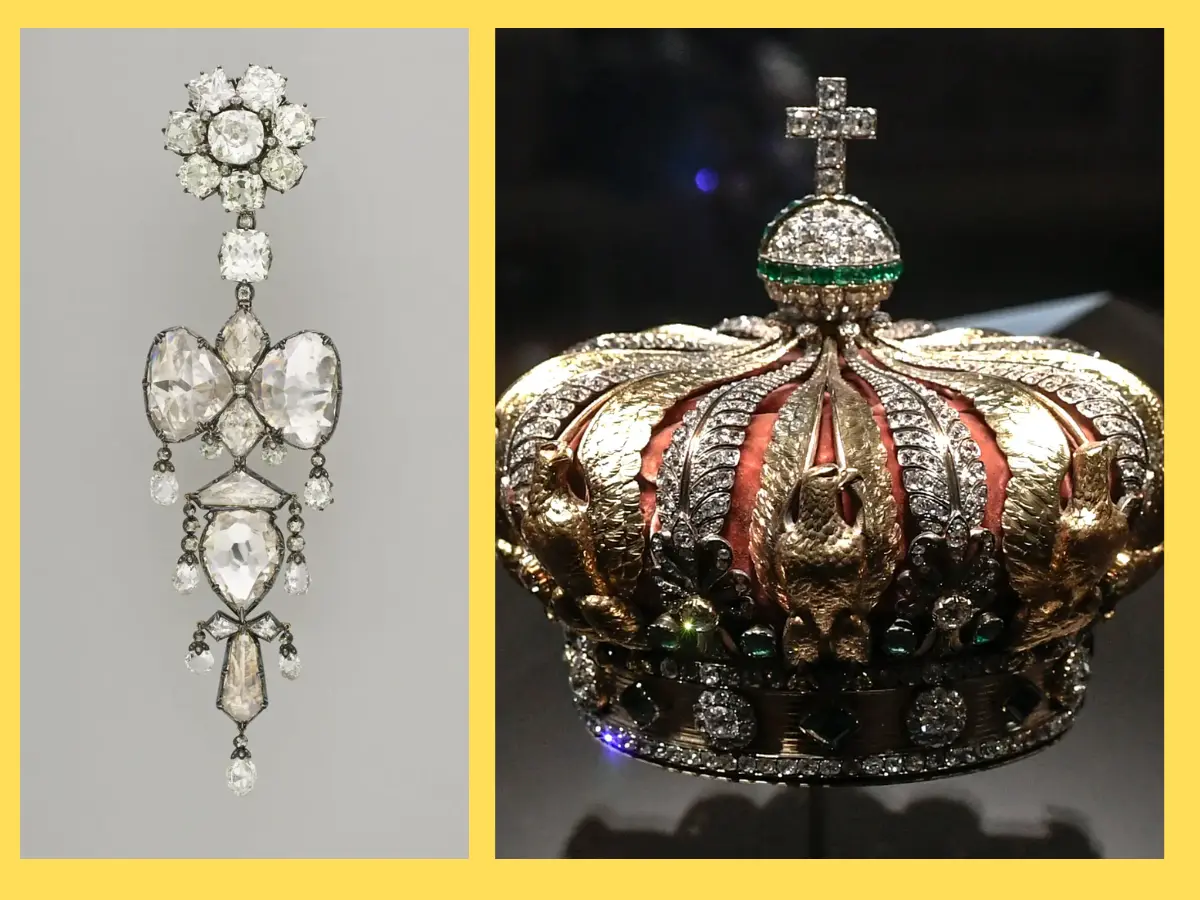
The 1966 Jewelry Theft
In 1966, antique jewelry was stolen when it was being transported back to France from Virginia, where it had been loaned to a museum. Years later, it was found in a grocery bag in New York.
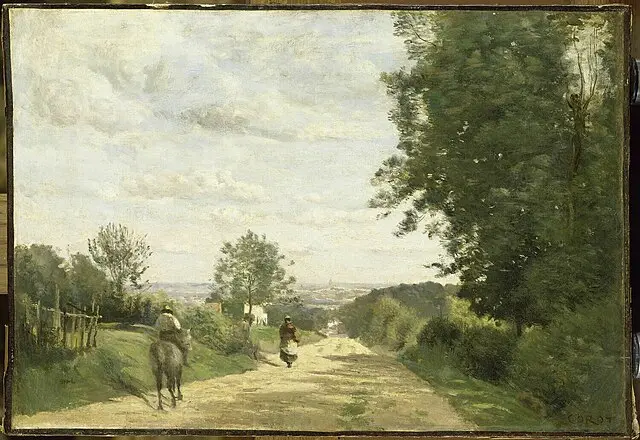
The Theft of Jean-Baptiste Camille Corot’s Le Chemin de Sèvres
The last painting that was stolen was Le chemin de Sèvres, an oil painting by Jean-Baptiste-Camille Corot. It was painted in the 19th century and was put in the Louvre in 1902.
On May 3rd, 1998, the famous painting was stolen in broad daylight, and much like the Mona Lisa, no one noticed initially. However, by the time it was noticed, the museum was closed, and hundreds of visitors were searched for nearly three hours.
The thief managed to take the painting, which measured around 12 by 19 inches. The artwork is still missing today.
After this robbery, the security of the museum was tightened, which explains why no other robbery had taken place for 27 years until now.
)
)
)
)
)