Iceland: Molten lava flows down a volcano in Reykjavik

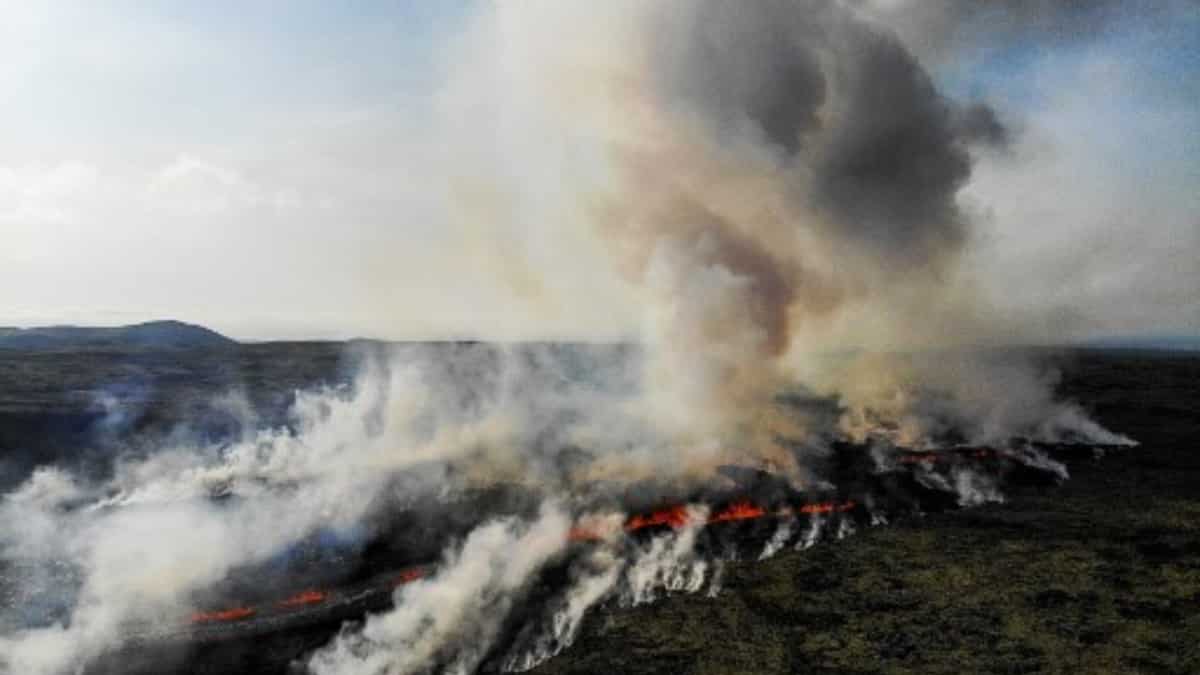
Smoke rises from the volcano
Dramatic pictures that was captured by local media showed massive cloud of smoke rising from the ground.
According to an AFP reporter, the smoke could be seen from the road connecting the capital of Iceland to the international airport.
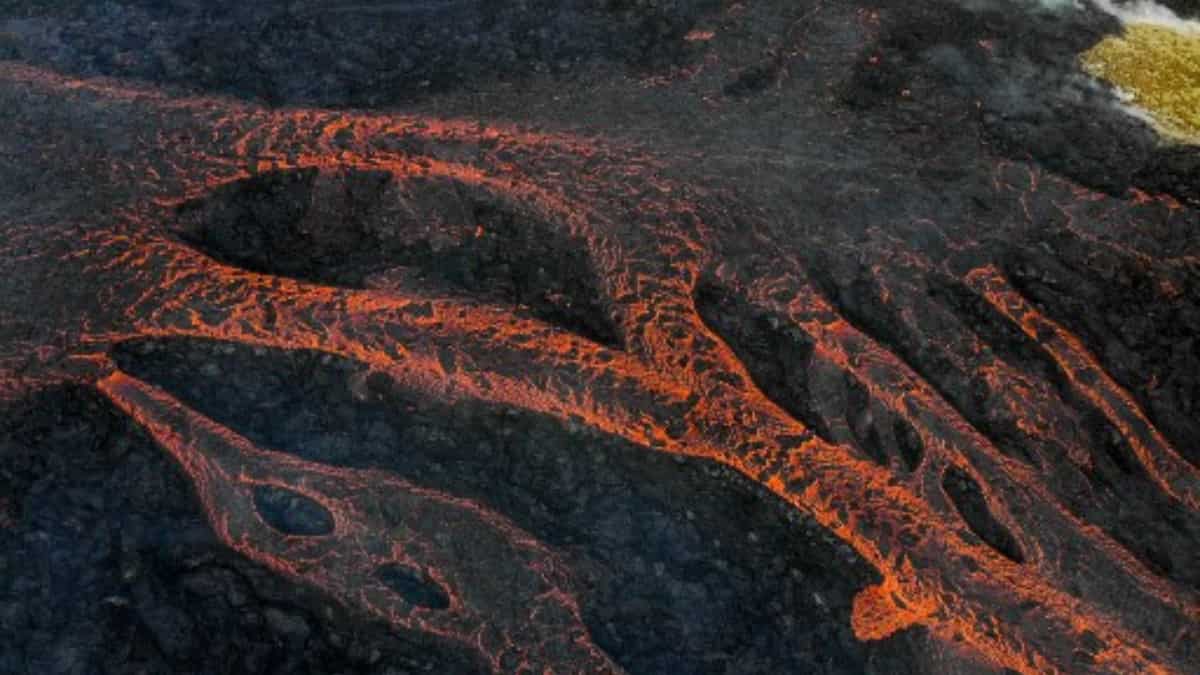
Molten lava gushes down
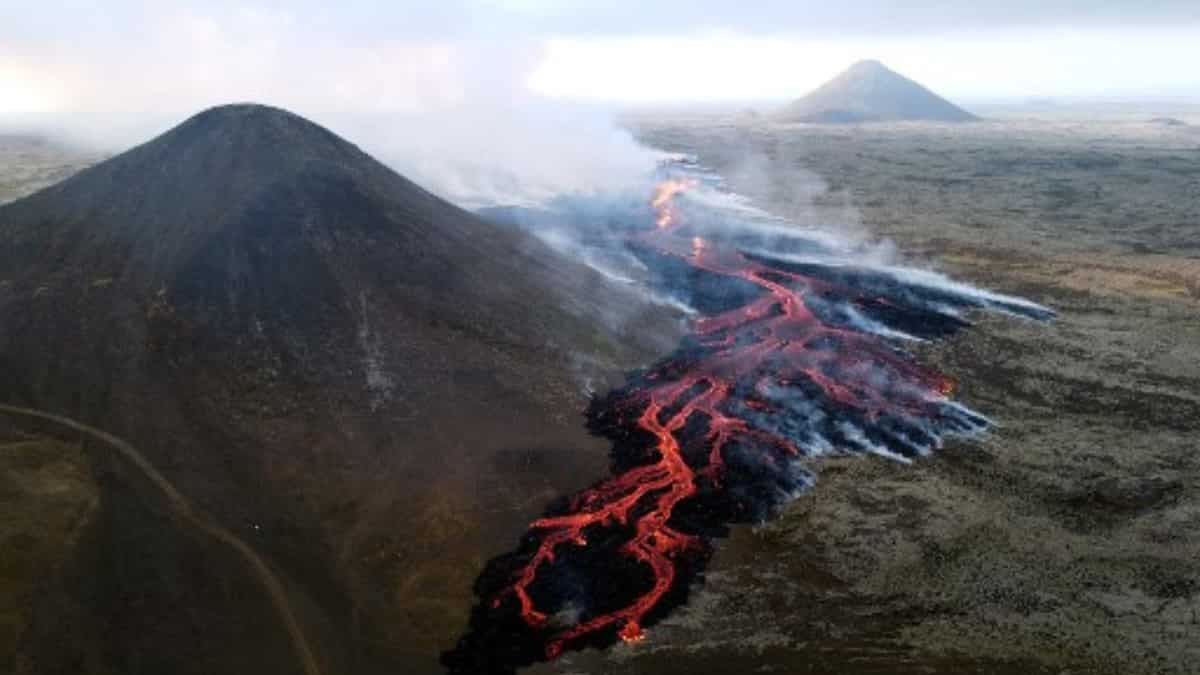
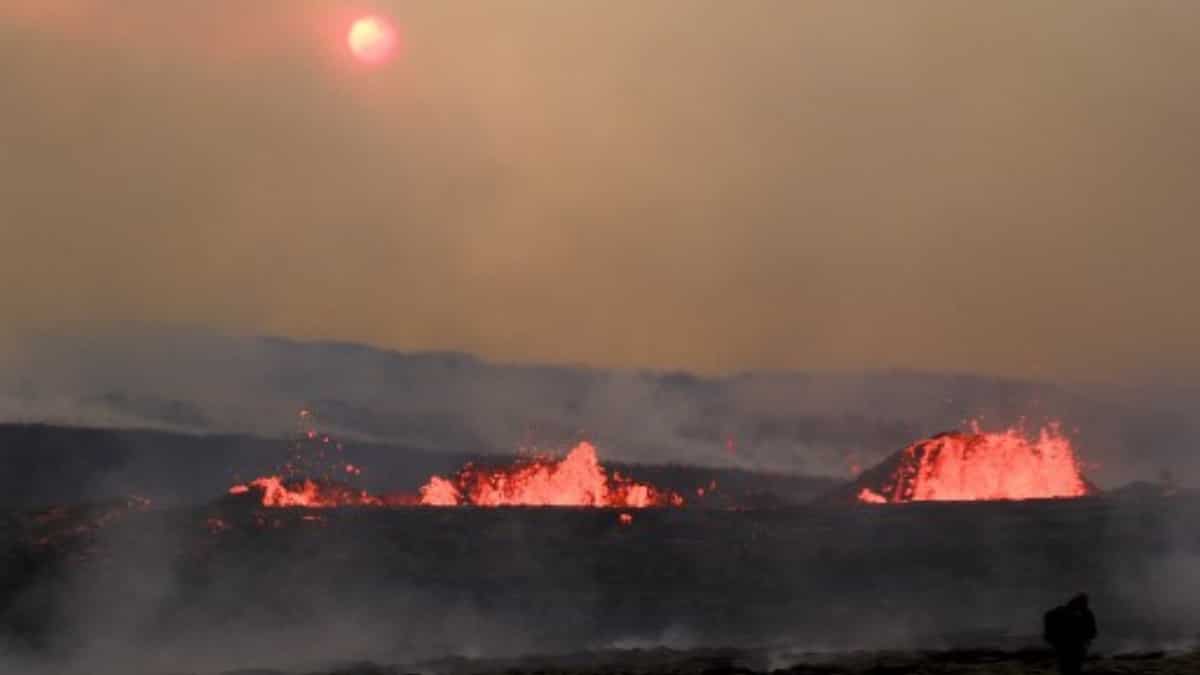
Molten lava gushed down from three fissures and ran down in all directions. The magma broke through the ground at around 1640 GMT. The eruption took place at a small depression just north of Litli Hrutur, a site around 30 kilometres (19 miles) from Reykjavik.
Threat to infrastructure
Thorvaldur Thordarson, Professor in Volcanology at University of Iceland said, "It is a low intensity, effusive eruption."
He further added that "it's not causing widespread threats due to explosive activity, however, if the eruption continues for long enough it could be a threat to infrastructure."
Earthquakes before volcanic eruption
Thousands of small earthquakes were recorded in the area in the week leading up to the eruption. The earthquakes signalled that the magma below the ground was moving and an eruption was imminent.
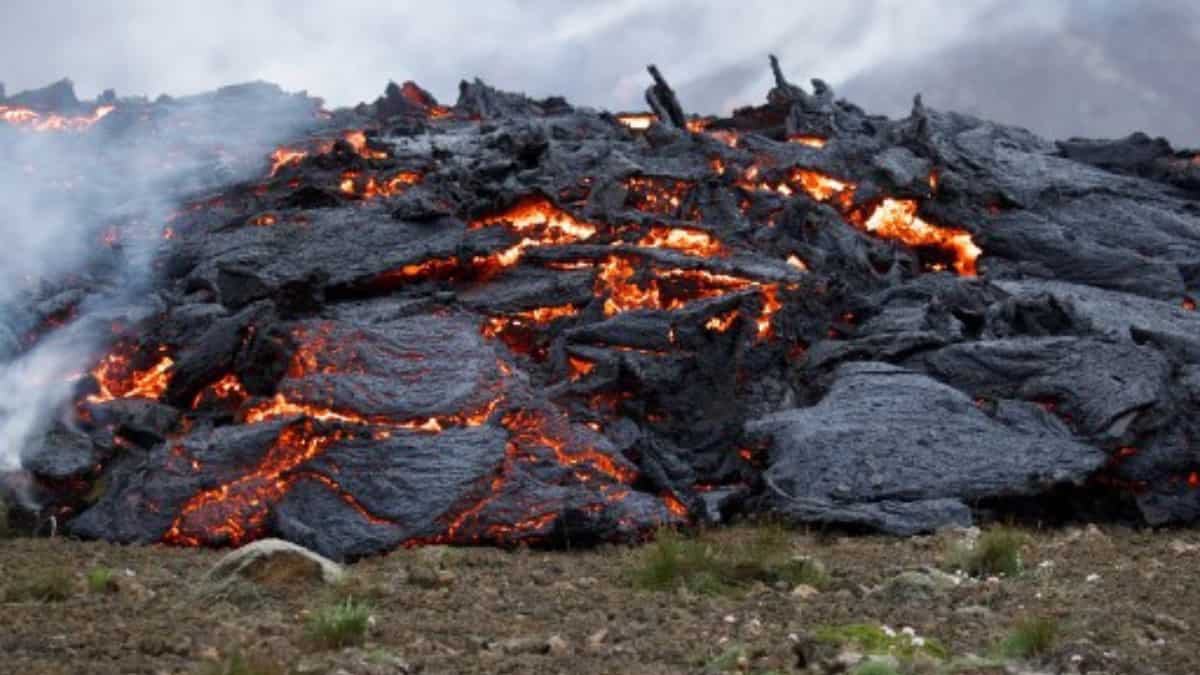
Third eruption in two years
However, this is not the first volcanic eruption in the area. This is the third time in the past two years that lava has gushed out in the area. The first was on 19 March 2021 in the Geldingadalur valley and lasted six months. The second occurred on 3 August 2022 in the Meradalir valley and lasted three weeks.
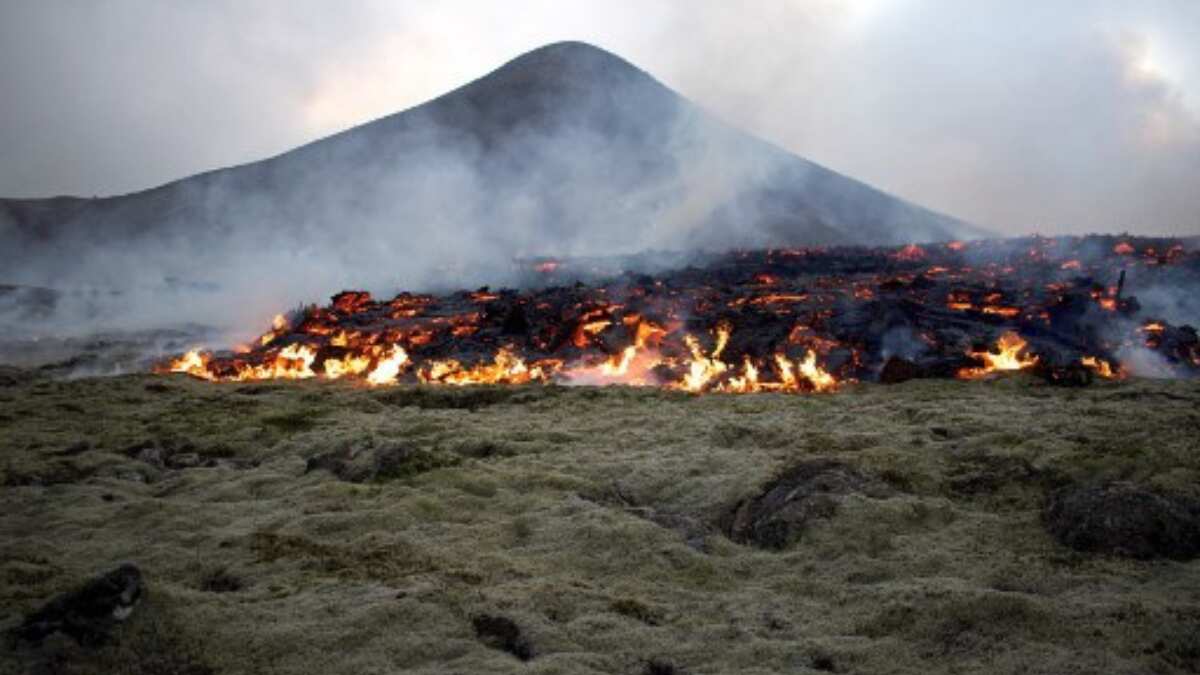
Increased activity in the region
Prior to the 2021 eruption, the region had remained dormant for eight centuries. Volcanologists believe the new cycle of increased activity in the region could last several years.
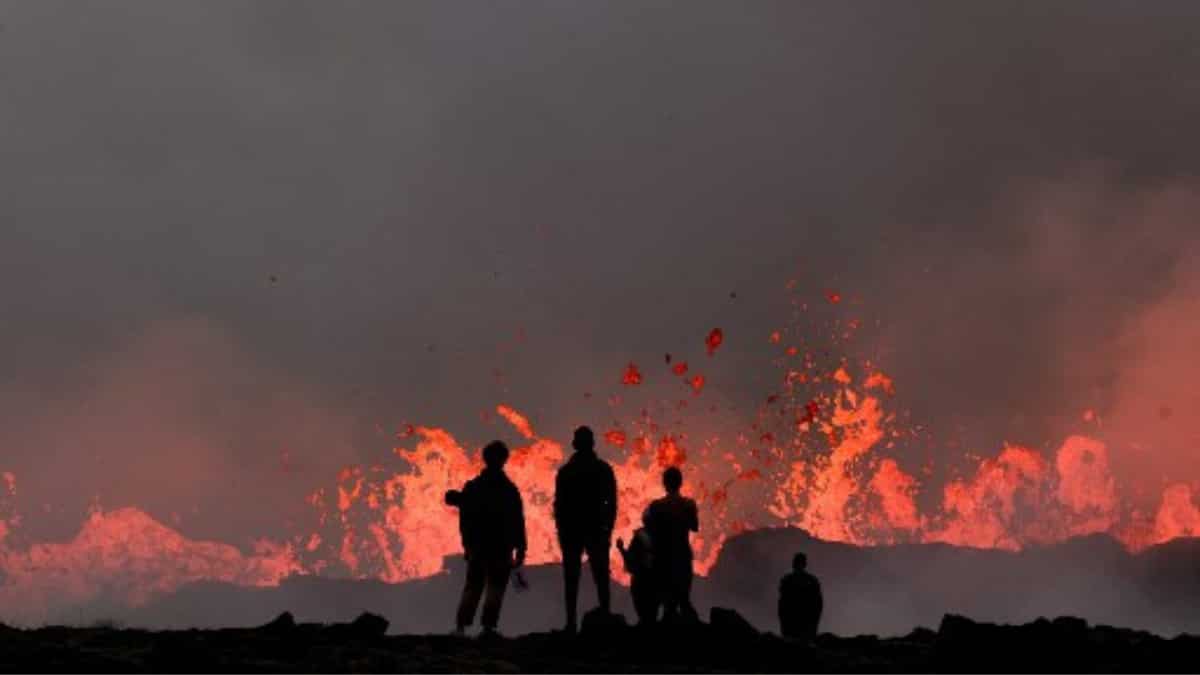
Tourists visit the volcano site
The volcanic eruptions in 2021 and 2022 attracted thousands of visitors that hoped to catch a glimpse of the active volcano.
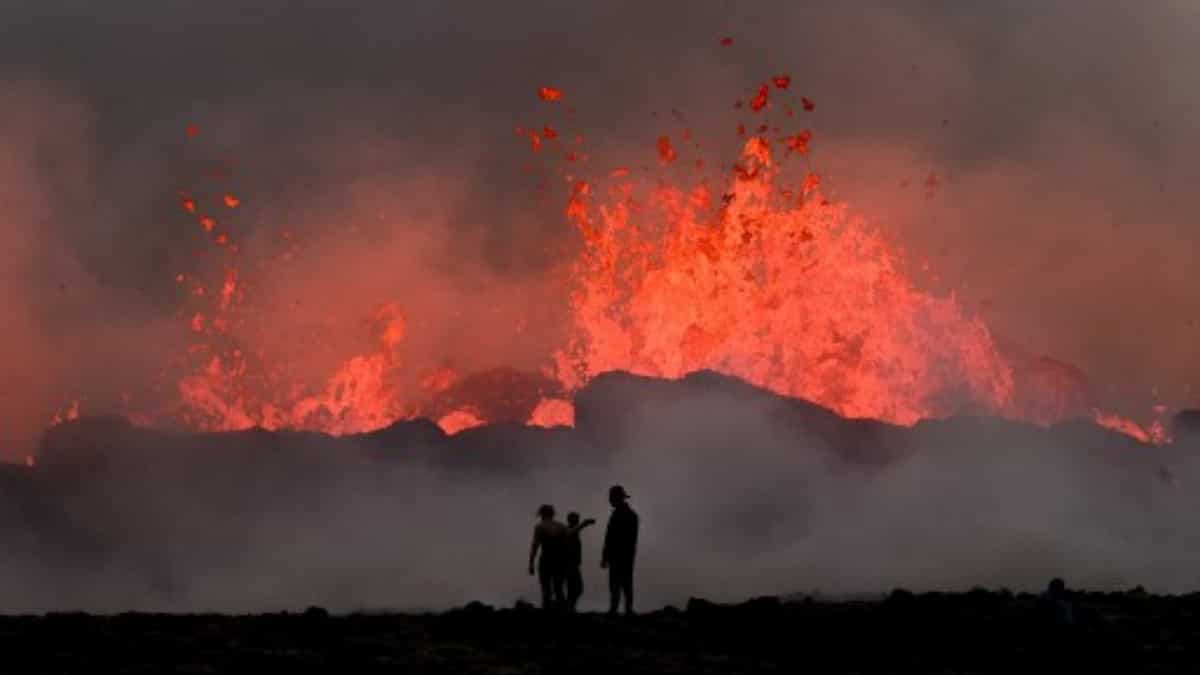
People rever in at the site of the erupting volcano
However, this year the Icelandic authorities have advised against going to the site that is located in difficult terrain without road connection, before they have assessed the situation.
However, defying protocols, people rushed to the site to catch a glimpse of the erupting volcano.
)
)
)
)
)