When India was punished, isolated by US and still survived the impact - The Pokhran nuclear test story - Foreign affairs tales

Donald Trump's tariff threat is not the first time India was punished by the US. The last time it happened, India came out bruised, but not defeated. Here is the story of India's Pokhran II nuclear tests, US punishment for it, and how New Delhi dealt with it

Pokhran II tests: When India was punshied by the US
In May 1998, India conducted five nuclear tests at the Pokhran Test Range in the northern state of Rajasthan, collectively known as Pokhran-II or Operation Shakti. The tests in Thar desert included a thermonuclear device, marking a major milestone for India’s strategic capabilities. The test formally established India as a nuclear weapons state, but the response, particularly from the United States was one of punishment. Under President Bill Clinton, the US imposed sanctions applicable to non-nuclear states conducting nuclear tests. But in spite of the backlash, India managed to weather the storm through economic resilience, strategic diplomacy, and robust domestic support. Eventually, India turned this crisis into an opportunity for long-term strategic gains. Here is that story
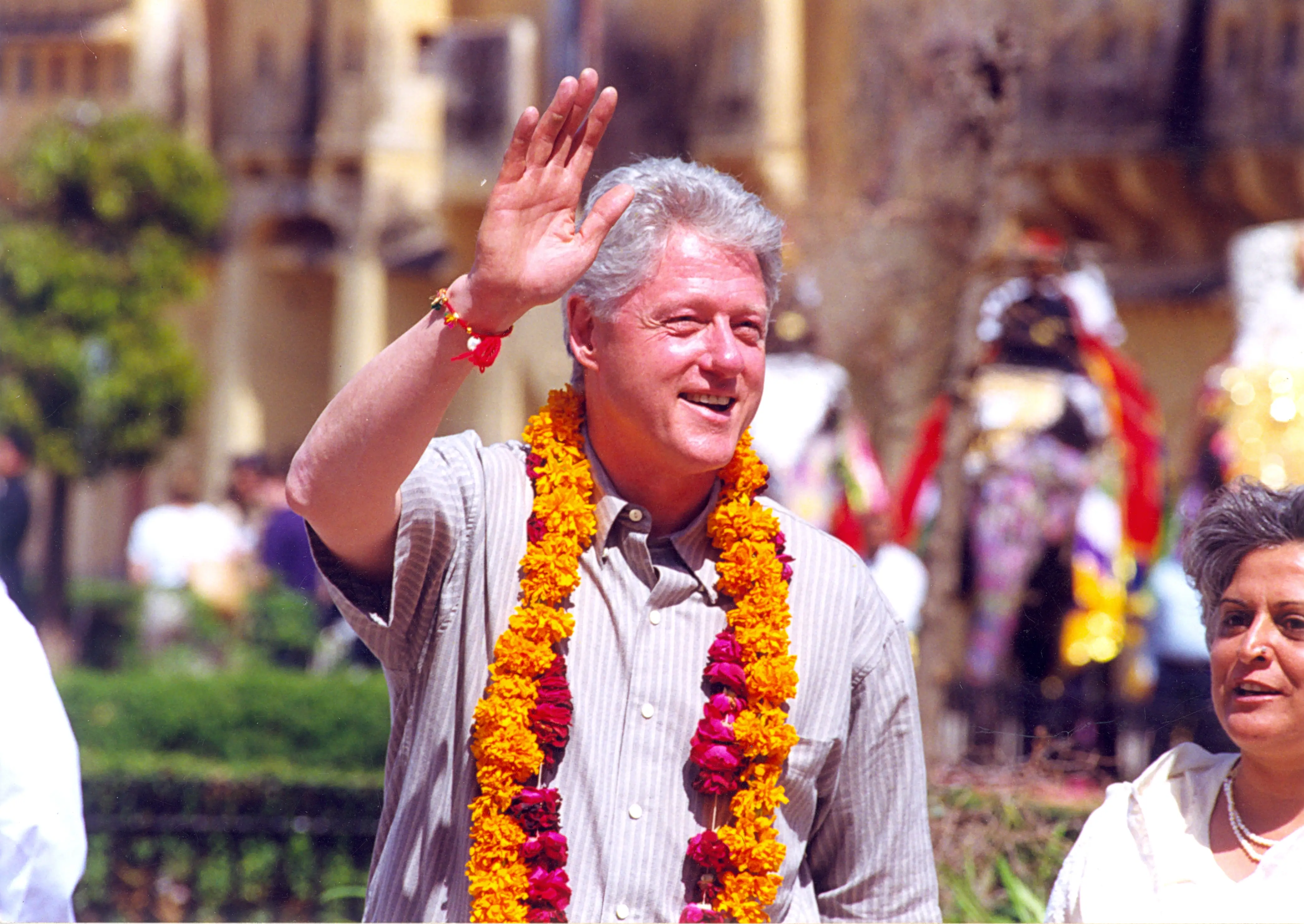
How did the US punish India after Pokhran II nuclear tests?
The US administration of President Clinton invoked the Glenn Amendment under the Arms Export Control Act (1994), which mandated automatic sanctions on non-nuclear states that carried out nuclear tests. The measures included the suspension of all non-humanitarian US aid, amounting to tens of millions of dollars and bans on defence exports and military training programmes. The US also halted credit and investment guarantees from agencies like the Export-Import Bank. The US opposed loans to India from global financial institutions such as the World Bank and IMF. In November 1998, the US blacklisted 208 Indian entities including corporations, public research bodies, and academic institutions linked to the nuclear tests. These were prevented from receiving US exports.
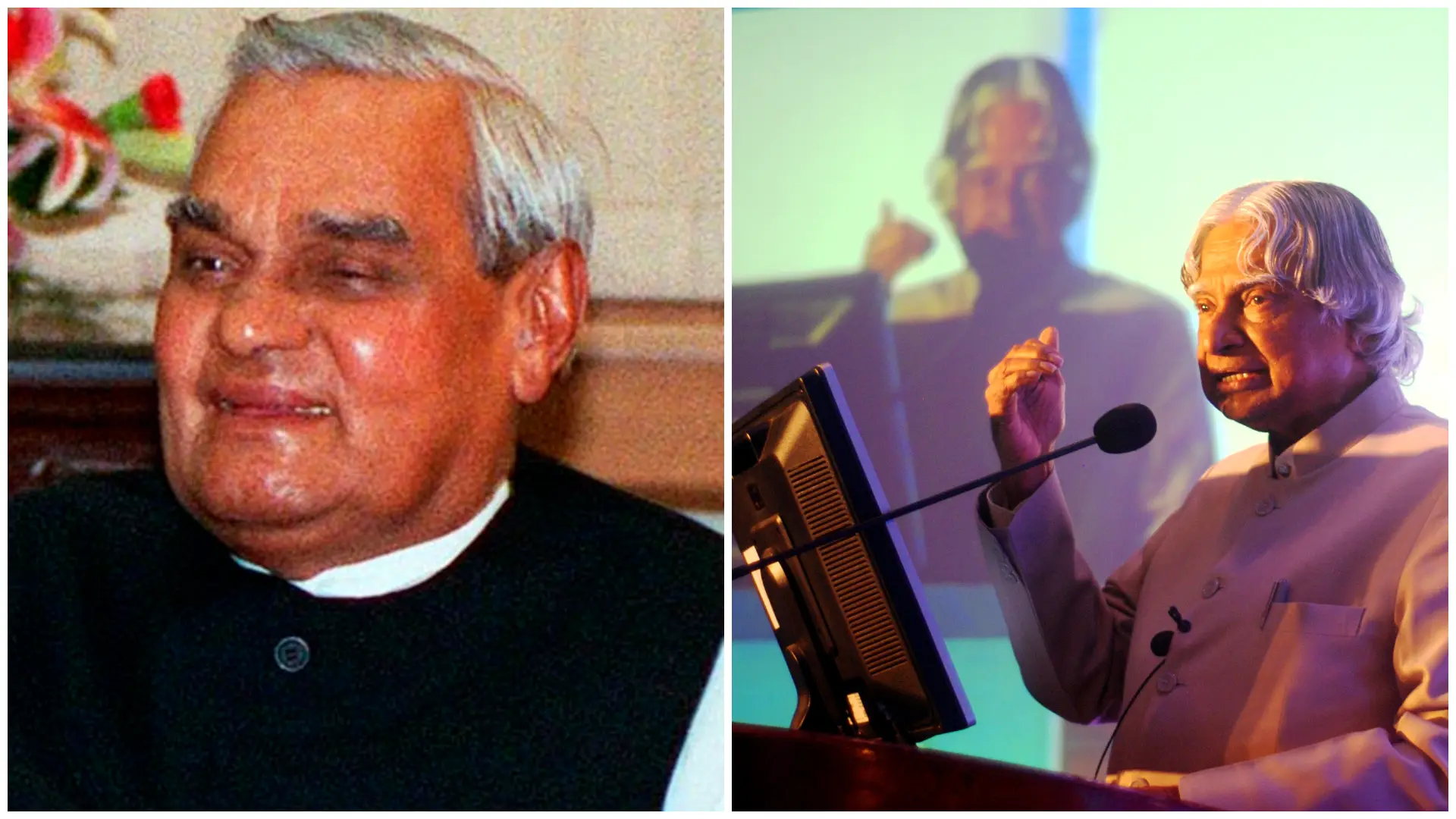
A nation under pressure: How did US sanctions affect India?
The US sanctions disrupted India's defence, space, and technology sectors and affected international financing. But the broader Indian economy remained stable and resilient. India was denied dual-use technologies and many foreign investors stayed away. Yet, Indian stock market responded positively in the immediate aftermath, in a stamp of approval for the government’s decision. India’s nuclear programme, which relied on imported inputs like heavy water, experienced delays. But that led to a thrust on indigenous efforts in missile and enrichment technologies.
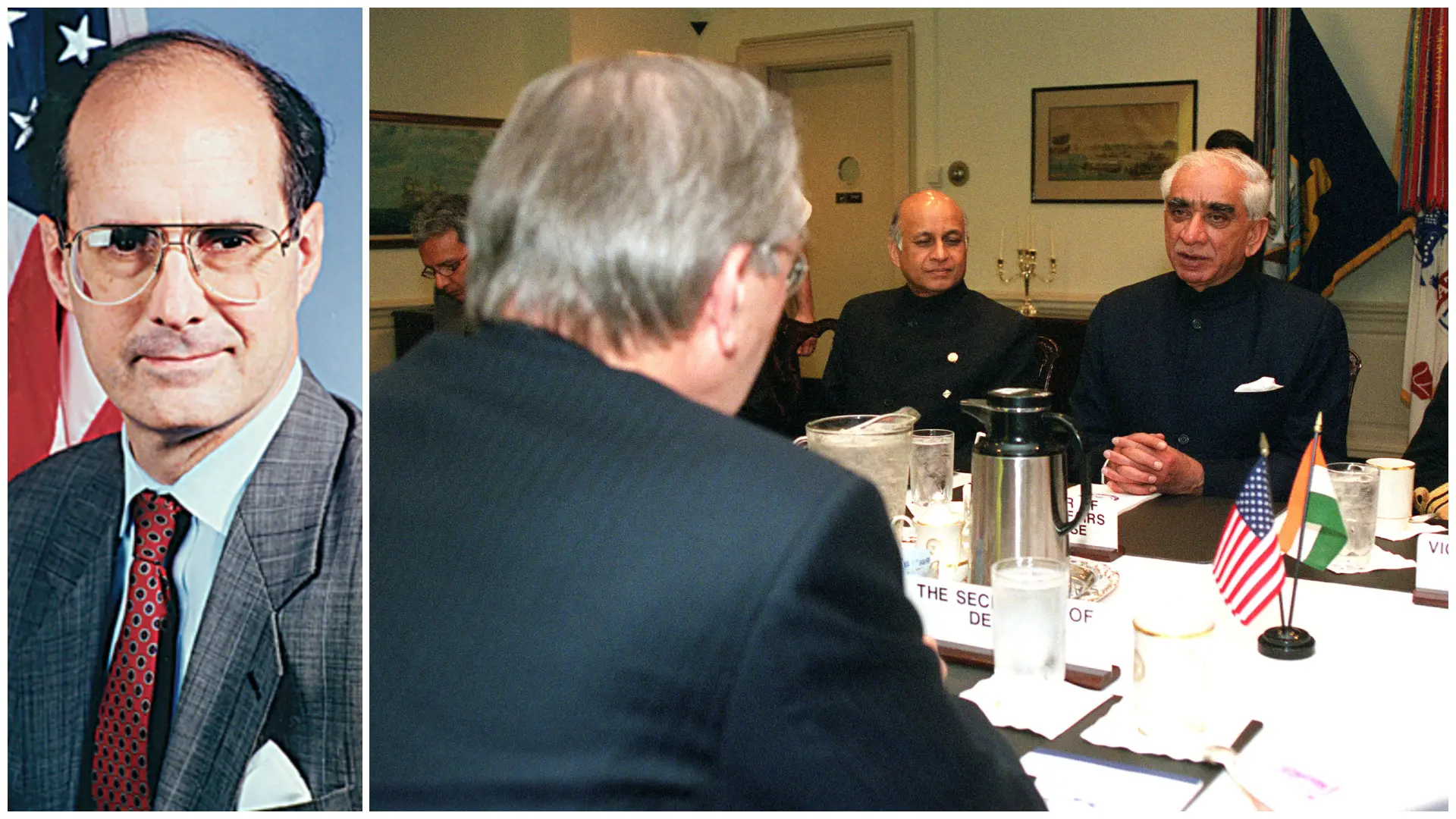
After India proved its might, the US came for talks
India was not too reliant on US aid at the time of the punitive measures. The US had not imposed a total trade embargo. Despite the rhetoric from the US, these factors helped cushion the Indian economy. India had expected the sanctions and prepared for the same, having kept alive the trade with countries like Russia and China. Diplomatically, India adopted a strategy of restraint, announcing a voluntary moratorium on further testing. While still not joining the Comprehensive Test Ban Treaty, India expressed conditional willingness to engage with the CTBT framework. Multiple rounds of backchannel negotiations were held by US Deputy Secretary of State Strobe Talbott and Indian Foreign Minister Jaswant Singh. The talks eventually led to a thaw, while the tests sparked nationalist sentiment and bolstered political support for the ruling BJP government of Prime Minister Atal Bihari Vajpayee.
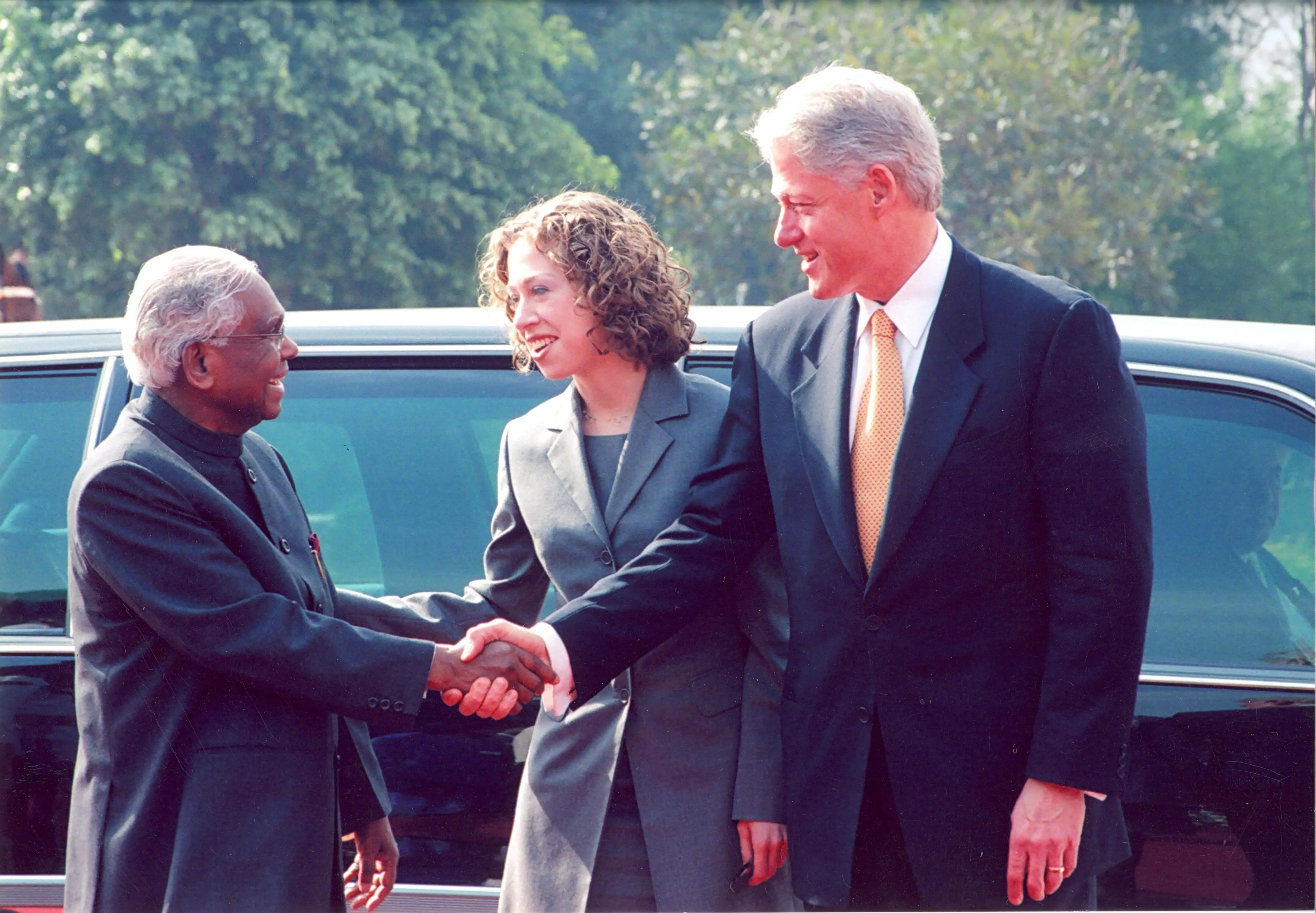
How US slowly rolled back sanctions and began re-engagement with India: From conflict to cooperation
By late 1998, President Clinton selectively waived some of the sanctions, particularly on trade and investment. He visited India in 2000. In the wake of the September 11, 2001 terror attacks on the US, strategic equations changed globally. The George W Bush administration fully lifted remaining nuclear-related sanctions India. Under Bush, the 2006 US-India Civil Nuclear Agreement was signed. This essentially integrated India into the global civil nuclear framework despite not signing NPT. Entity-specific restrictions on the US were progressively eased. The US announced plans to lift remaining sanctions on key Indian nuclear institutions, cementing a new era of US-India nuclear cooperation.
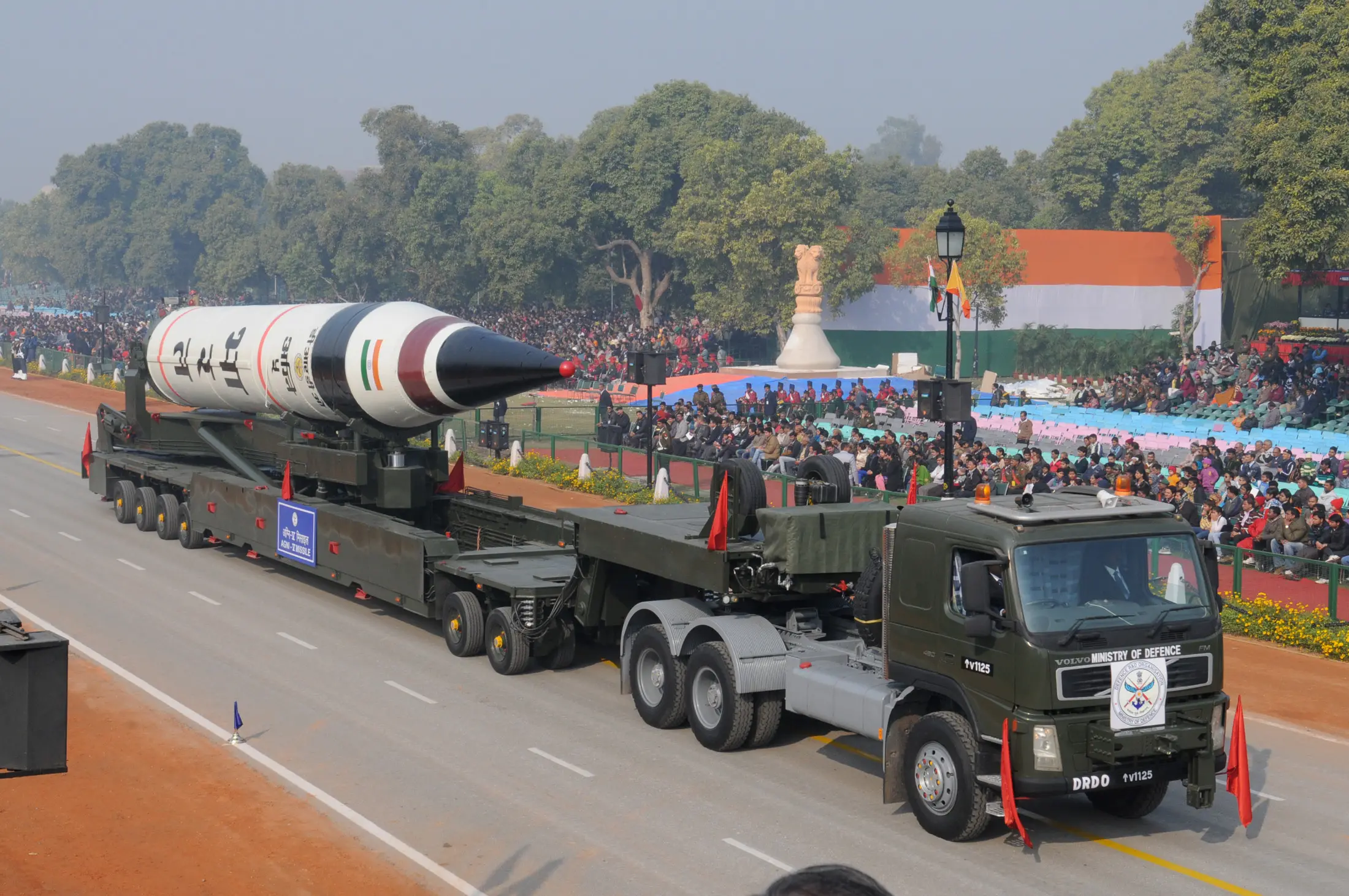
From pariah to a seat at the table: India emerged as a responsible, recognised nuclear power
It can be argued that the US-led global isolation in fact made India focus on indigenising and diversifying its defence and nuclear programmes, far from crippling it. India's strong diplomacy led to improved ties with the US, culminating in strategic and economic pacts. In 2008, India got a waiver from Nuclear Suppliers Group, facilitated by US backing. This legitimised India’s nuclear status internationally. Domestically, the tests reshaped national security doctrine and bolstered India's deterrence capabilities.
)
)
)
)
)