Mobile cinema brings movie magic to Syria Kurd children

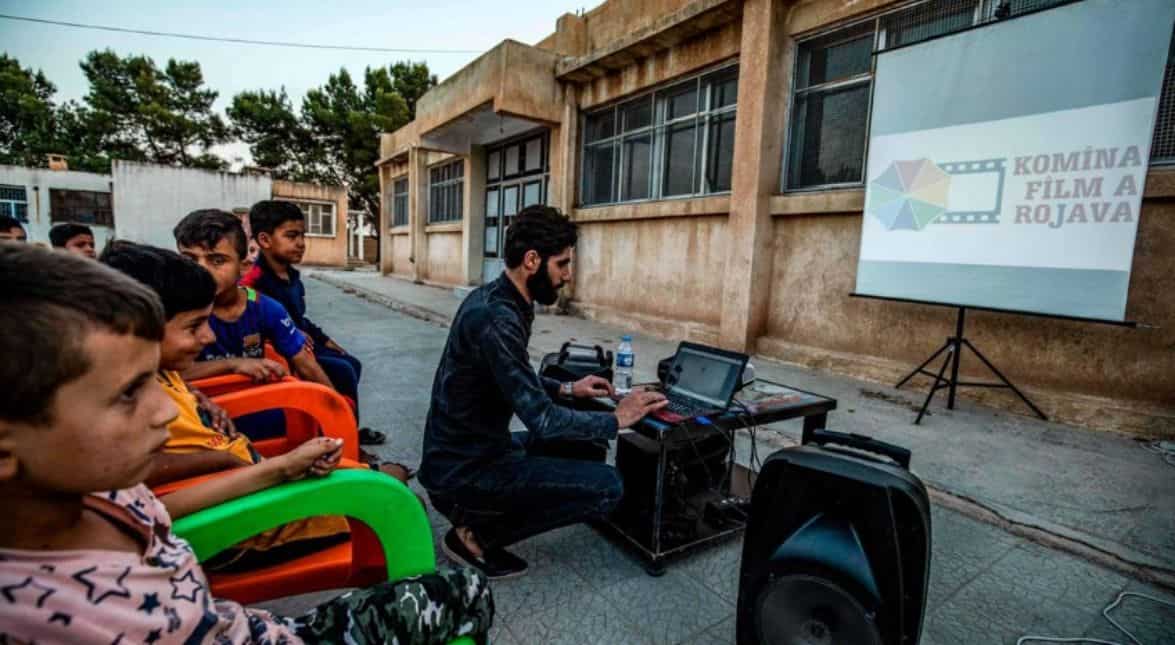
Love of cinema across Rojava
"We've already shown films in towns but we wanted children in the villages to enjoy them too," said the bespectacled 39-year-old with thick greying curly hair.
With some films dubbed into Kurdish and others subtitled, he and a team of volunteers want to spread their love of cinema across Rojava, the Kurdish name of the semi-autonomous northeast of war-torn Syria.
"Our goal is that in a year's time, there won't be a kid in Rojava who hasn't been to the cinema," the Kurdish filmmaker said.
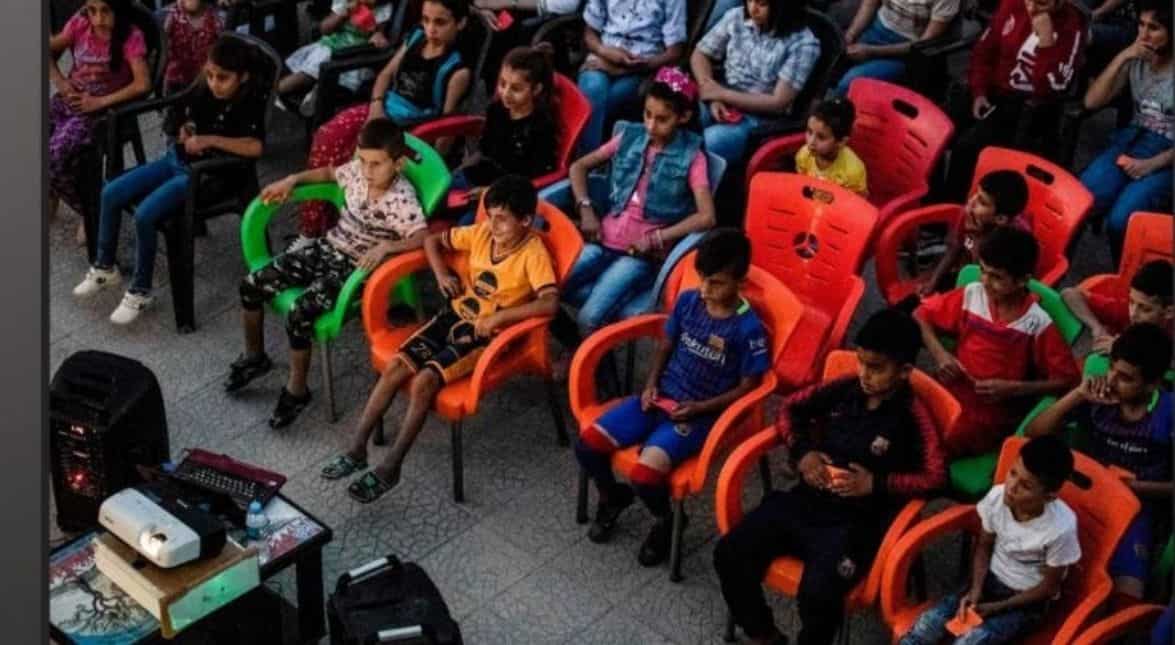
Children enjoy a black-and-white film
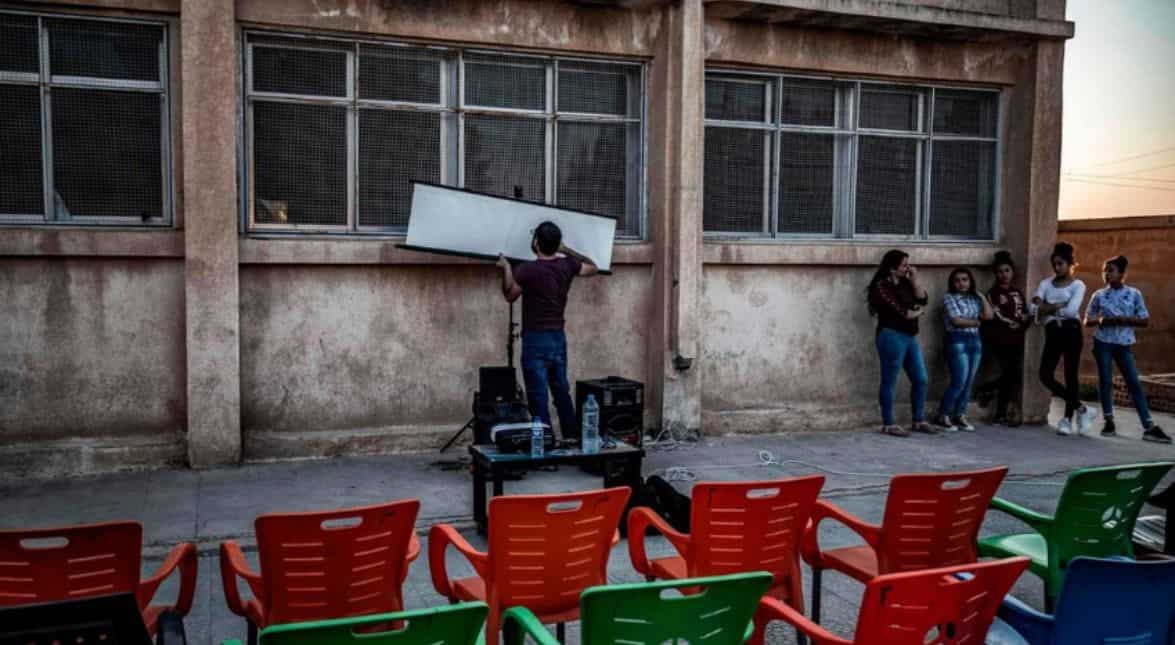
Sitting on coloured plastic chairs in the village of Sanjaq Saadun just before dusk, the boys and girls watch wide-eyed as the first black-and-white images of "The Kid" appear on screen.
Lively piano music rings out across the school basketball court, as Chaplin plays a tramp who rescues an orphaned baby in the 1921 silent movie.
Laughter rises above the darkened playground as he tries to clean the baby's nose or to feed him from a kettle strung from the ceiling.
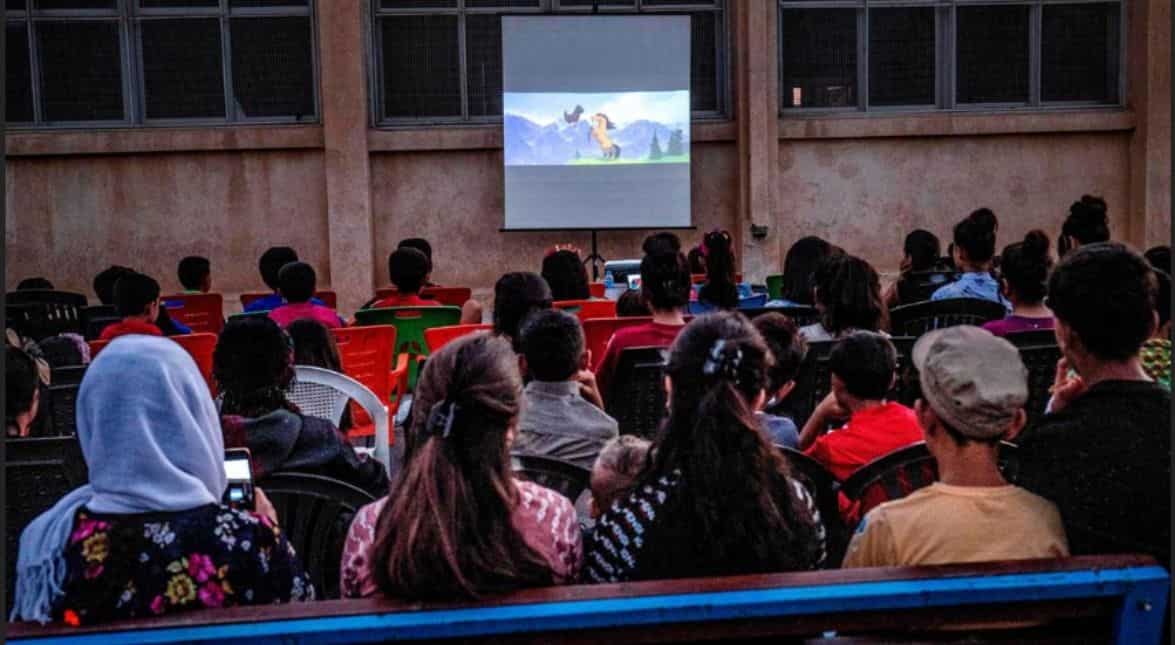
Shift in content, from B-grade fare to child friendly
Across the Kurdish-held region, old cinemas once showed American B movies, Bollywood fare and porn, but they have lost their audiences and closed.
"When we were kids, the cinema was that dark place," said the filmmaker, wearing black-rimmed glasses and a green t-shirt.
In primary school, he and others were taken to see films inappropriate for their age and in substandard conditions, he recalled.
To give today's children a different experience, "we're now trying to substitute that darkness for something beautiful and colourful", he said.
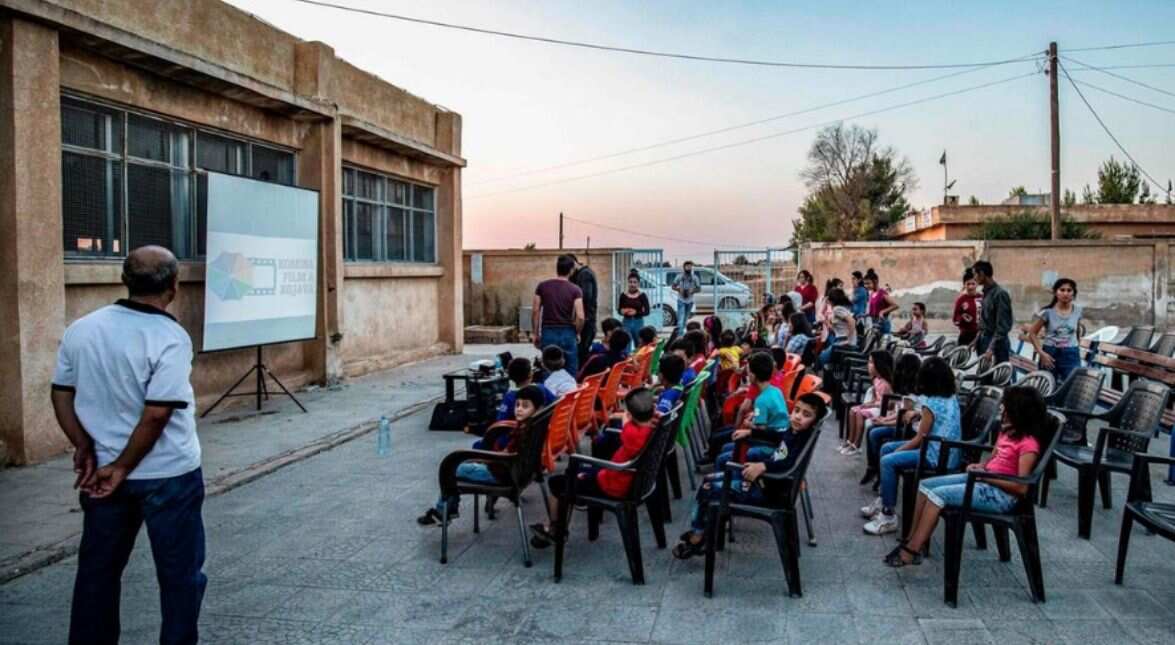
Excitement abuzz; the joy of cinema
The mobile cinema's objective is also to screen "films linked to protecting the environment and personal freedoms", Hinde said.
On another evening in the village of Shaghir Bazar, children rushed in before the film started to grab front-row seats.
Among the audience, Amal Ibrahim said her son Kaddar, seven, and daughter Ayleen, six, were brimming with excitement.
"They could hardly wait to come. They've never been to the cinema before," she said in Kurdish.
Wish for war to end and to open a cinema
Hinde's own credits include "Stories of Destroyed Cities", a feature-length film about three towns in Syria and Iraq on the road to recovery after Kurdish forces expelled the Islamic State group.
Apart from spearheading the defeat of the jihadists, Syria's Kurds have largely stayed out of the country's eight-year war, instead working towards autonomy after decades of marginalisation.
Though Kurdish-led fighters are still battling sleeper cells, Hinde and his team are already looking to the future.
Beyond their roving cinema, they dream of opening a movie theatre at a fixed location.
"But that will depend on the war ending and stability returning to the country," he said
)
)
)
)
)