'Mission Dharavi': Virus battleground in India's biggest slum

'Mission Dharavi'
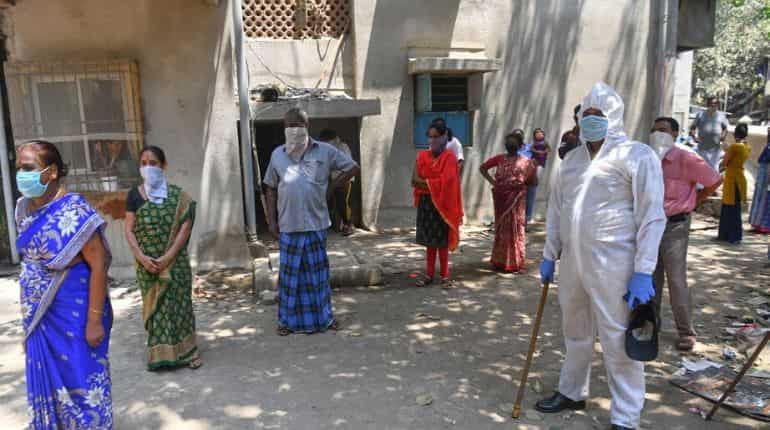
The 125,000 slum-dwellers living under a lockdown so strict that drones monitor their moves and alert police if they attempt to leave home are at the heart of India's push to contain coronavirus.
Amid the outbreak, fears are growing that "Mission Dharavi" -- a term coined by officials working there -- may not prevent the virus from raging across the densely packed neighbourhood.
Home to about one million people
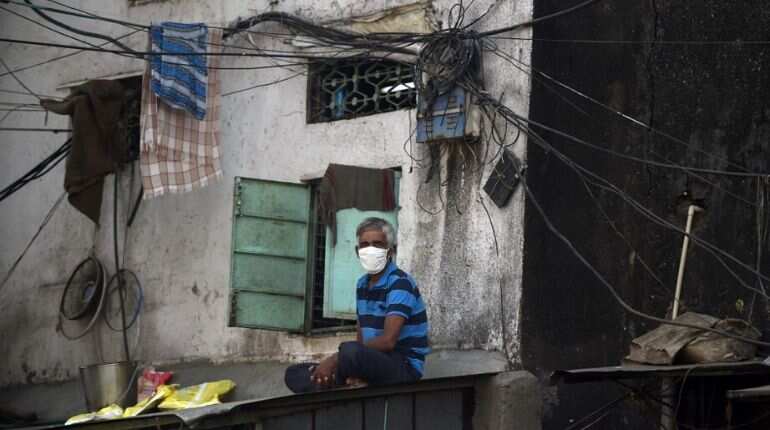
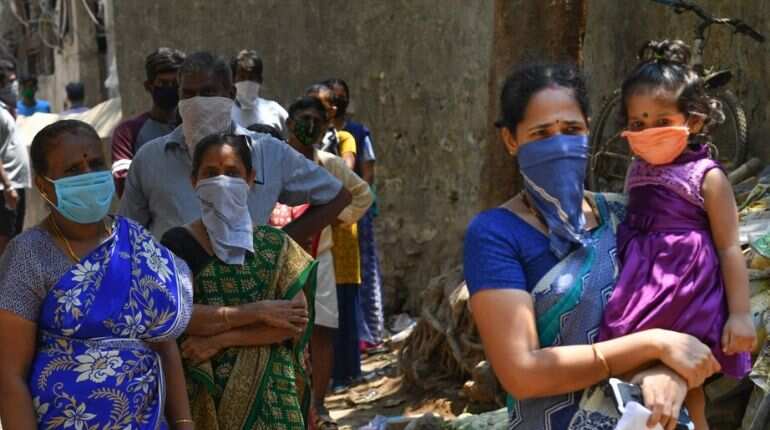
Dharavi is home to an estimated one million people, who eke out a living as factory workers or maids and chauffeurs to the financial capital Mumbai's well-heeled residents. Around an eighth of them live in hotspots where severe containment measures are being enforced.
Its narrow alleys, crowded housing and poor sanitation offer the perfect breeding ground for the virus.
Challenge of social distancing
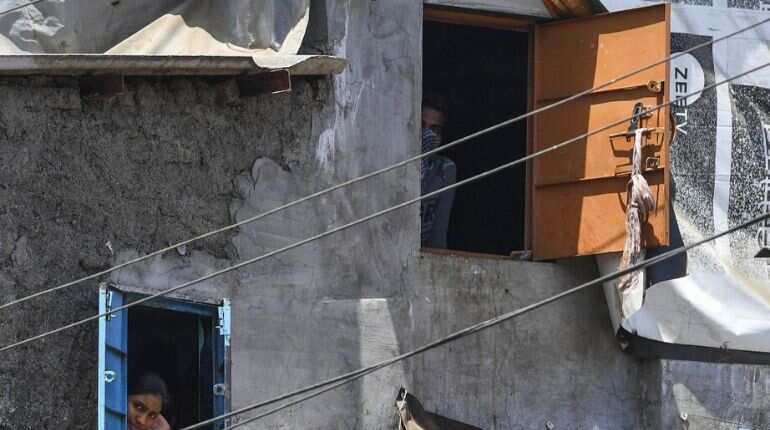
"The biggest challenge is Dharavi itself... 10 to 15 people stay in one room. How is it possible to enforce social distancing?" asked city official Kiran Dighavkar.
He is overseeing an effort involving some 2,500 people, including medical workers, cleaners and volunteers, who are fighting to keep cases -- at nearly 200, with 12 deaths -- from spiralling out of control and overwhelming hospitals.
Surveillance through drones
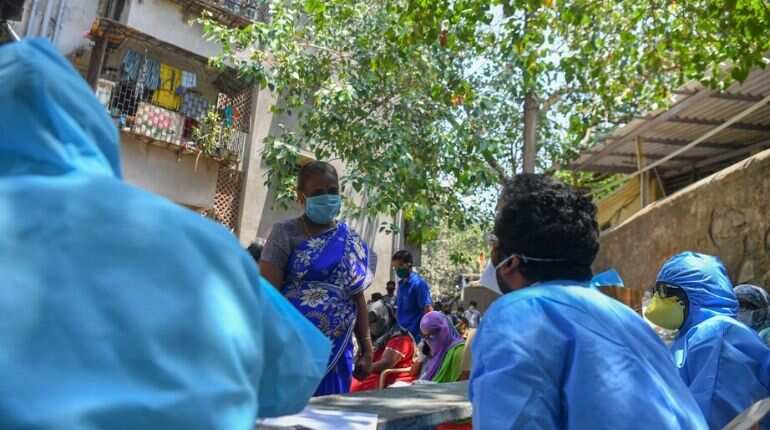
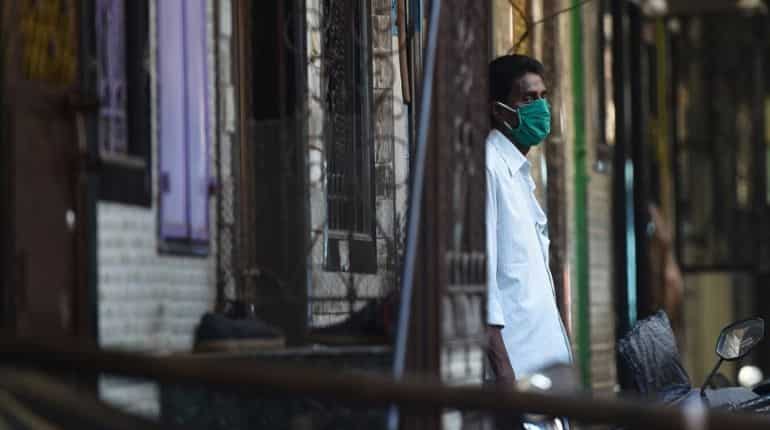
The severe lockdown imposed in five virus hotspots in the slum since the first cases were reported in early April is a key part of that undertaking.
"No-one is allowed to go in or out," Dighavkar told AFP, adding that "everything, including grocery shops, is shut".
"Police are using drones to make sure people obey the rules," he said.
The battleground!
A state-run school, a sports complex and a formerly defunct hospital are being used to house patients and as quarantine facilities.
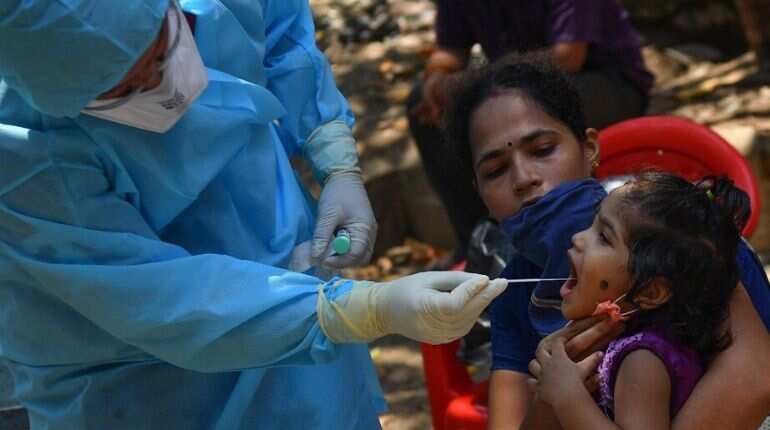
Around 40,000 people have undergone thermal screening over the past week at so-called fever camps.
And Dharavi's 225 public toilets -- a lifeline for its residents -- are disinfected daily, he said.
'In a panic'
Mumbai is even considering handing out hydroxychloroquine -- an anti-malarial drug touted by US President Donald Trump -- "as a preventive measure" to Dharavi residents in quarantine facilities, said Daksha Shah, a senior health official with the city authority.
"Right now the community is in a panic... so we have to be a bit careful," she told AFP, adding that they were awaiting approval from New Delhi.
Support from non-profits
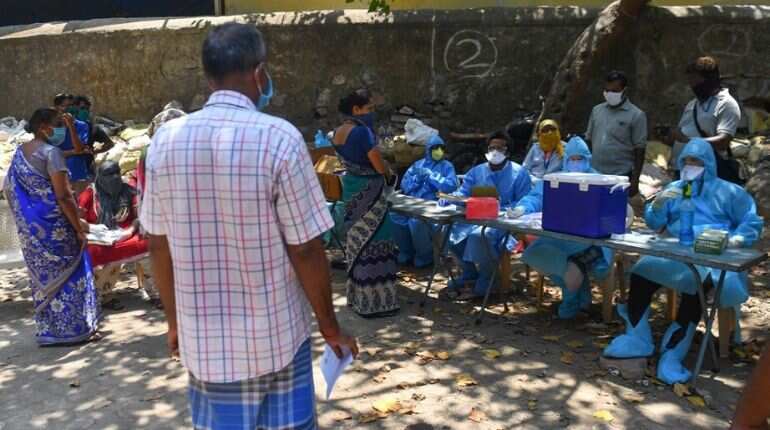
Officials have partnered with non-profits to distribute food and medicine in the area, also home to thousands of migrant workers left jobless by a weeks-long nationwide lockdown.
The Roti Bank Foundation's operations manager Jayandrath Tambe told AFP the non-profit organised 4,500 meals daily for Dharavi's confined residents and was feeding 32,000 people across Mumbai with the help of local hotels.
Social worker Imran Idris Khan turned to YouTube to upload videos explaining relief efforts in Dharavi and used WhatsApp to inform residents about where to find food.
'I feel helpless'
One Dharavi resident receiving treatment for coronavirus said he had no symptoms for three weeks spent almost entirely indoors, before developing a sore throat and fever which refused to subside.
He has now been in hospital for nine days.
"I feel helpless at times and worry about my family and neighbourhood," the 24-year-old told AFP on condition of anonymity as he fears being stigmatised for being sick.
"Looking at so many people losing lives due to infections makes me feel terrible. Will we ever recover from this?"
)
)
)
)
)