Missiles or drones?: How Iran could target ships in the Persian Gulf

Iran uses asymmetric tactics like missile swarms, drones, and mines to threaten Persian Gulf shipping. These capabilities allow them to disrupt vital global oil routes effectively.
The Strait of Hormuz
This narrow waterway handles roughly 20 per cent of the world's oil supply daily. Its geography makes large vessels vulnerable to ambush from the nearby Iranian coastline. Controlling this chokepoint is central to Iran's defensive strategy.
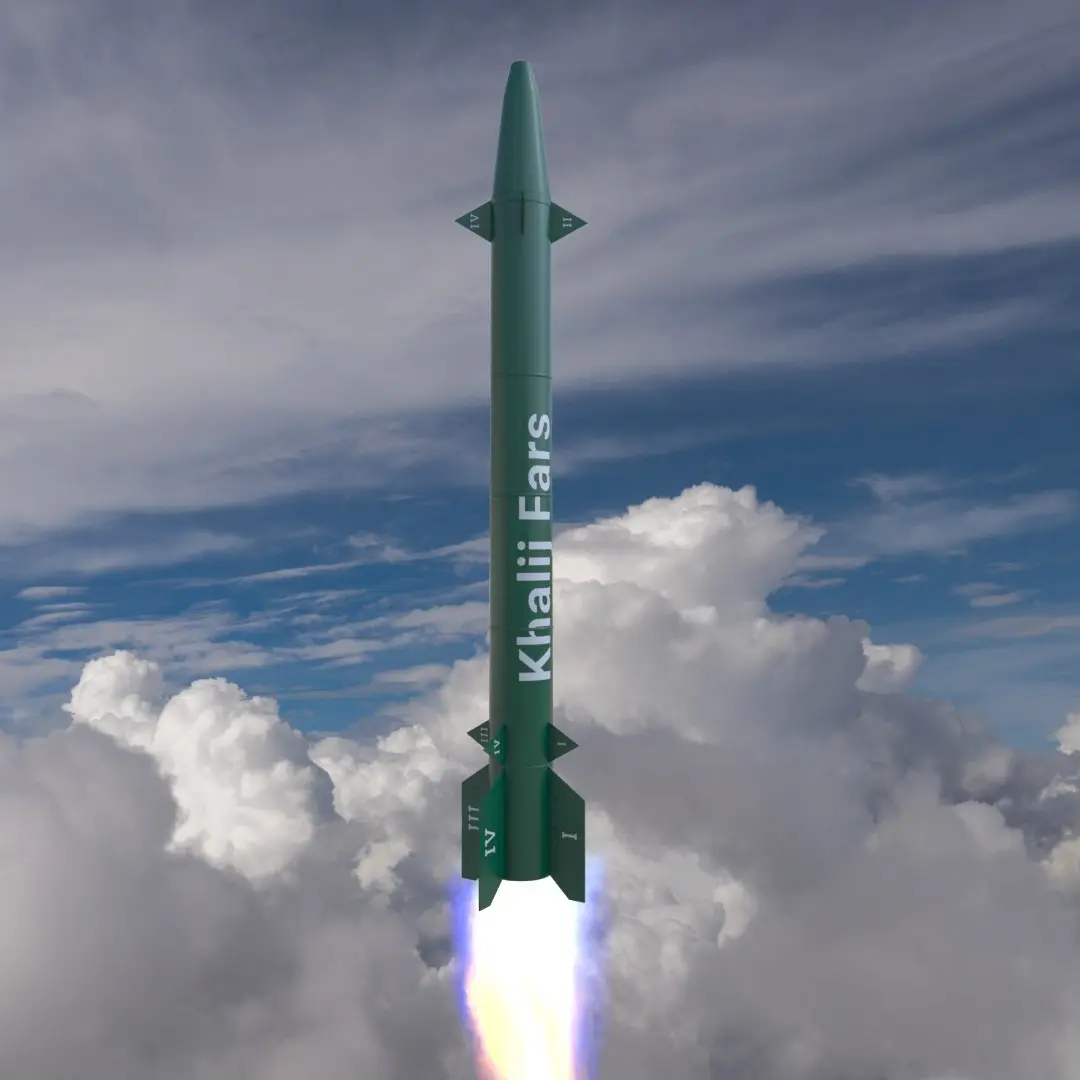
Anti-ship ballistic missiles
Iran operates the Khalij Fars, a supersonic ballistic missile designed specifically to hit ships. It has a range of 300 kilometres and uses a seeker to find moving targets. This weapon poses a significant challenge to standard missile defence systems.
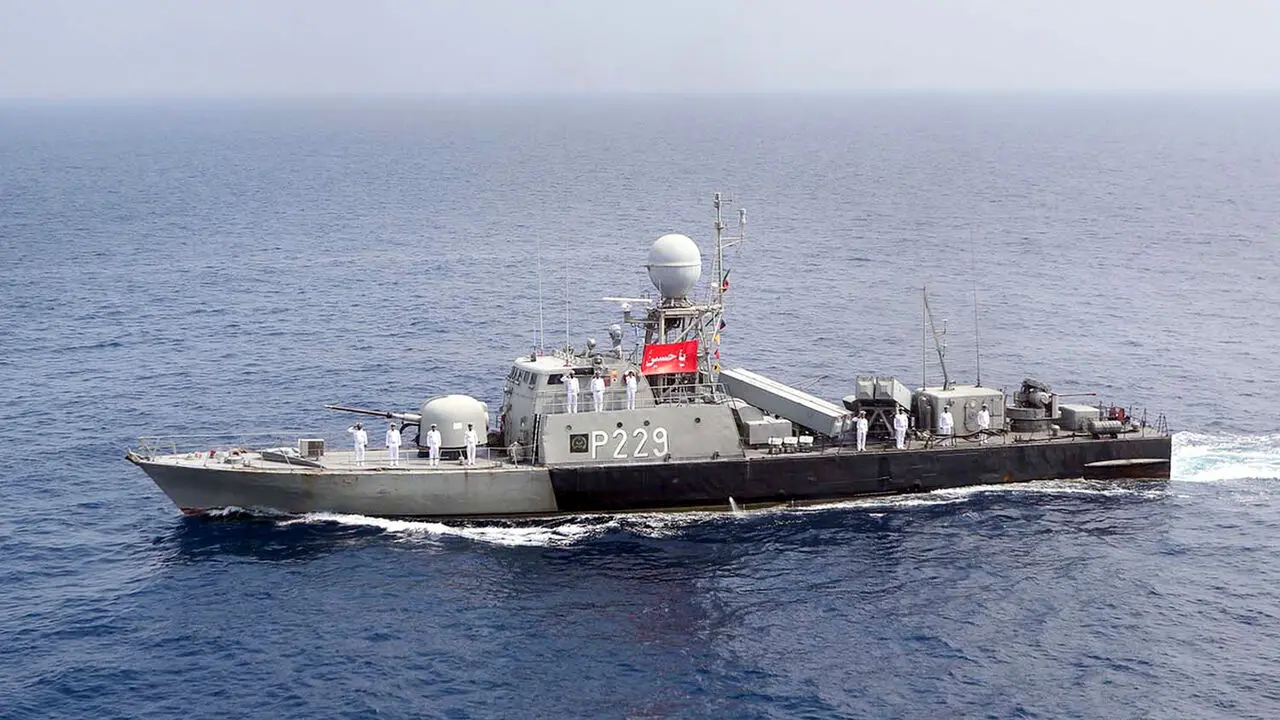
Swarm boat attacks
The IRGC Navy uses hundreds of small, fast attack craft to overwhelm larger warships. These speedboats are often armed with heavy machine guns, rockets, and missiles. Their main tactic is to attack from multiple directions simultaneously to confuse defences.
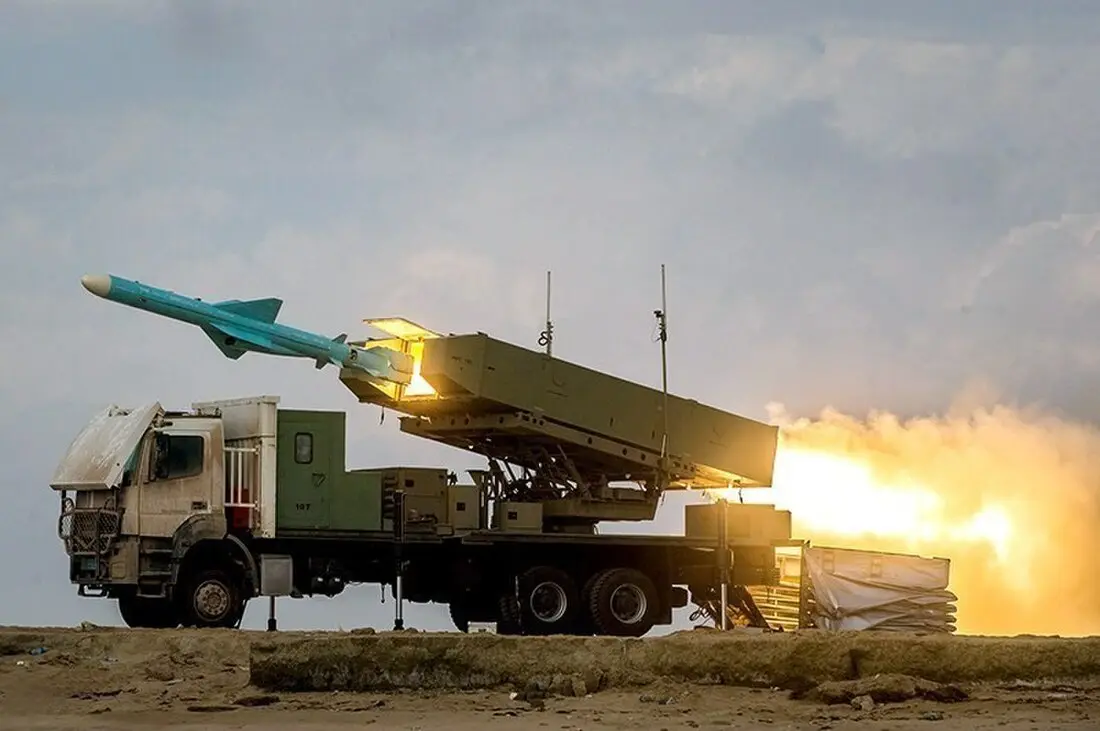
Cruise missile batteries
Mobile coastal defence batteries can fire cruise missiles like the Noor and Qader. These systems are truck-mounted, allowing them to shoot and quickly move to avoid retaliation. They can target vessels across the entire width of the Persian Gulf.
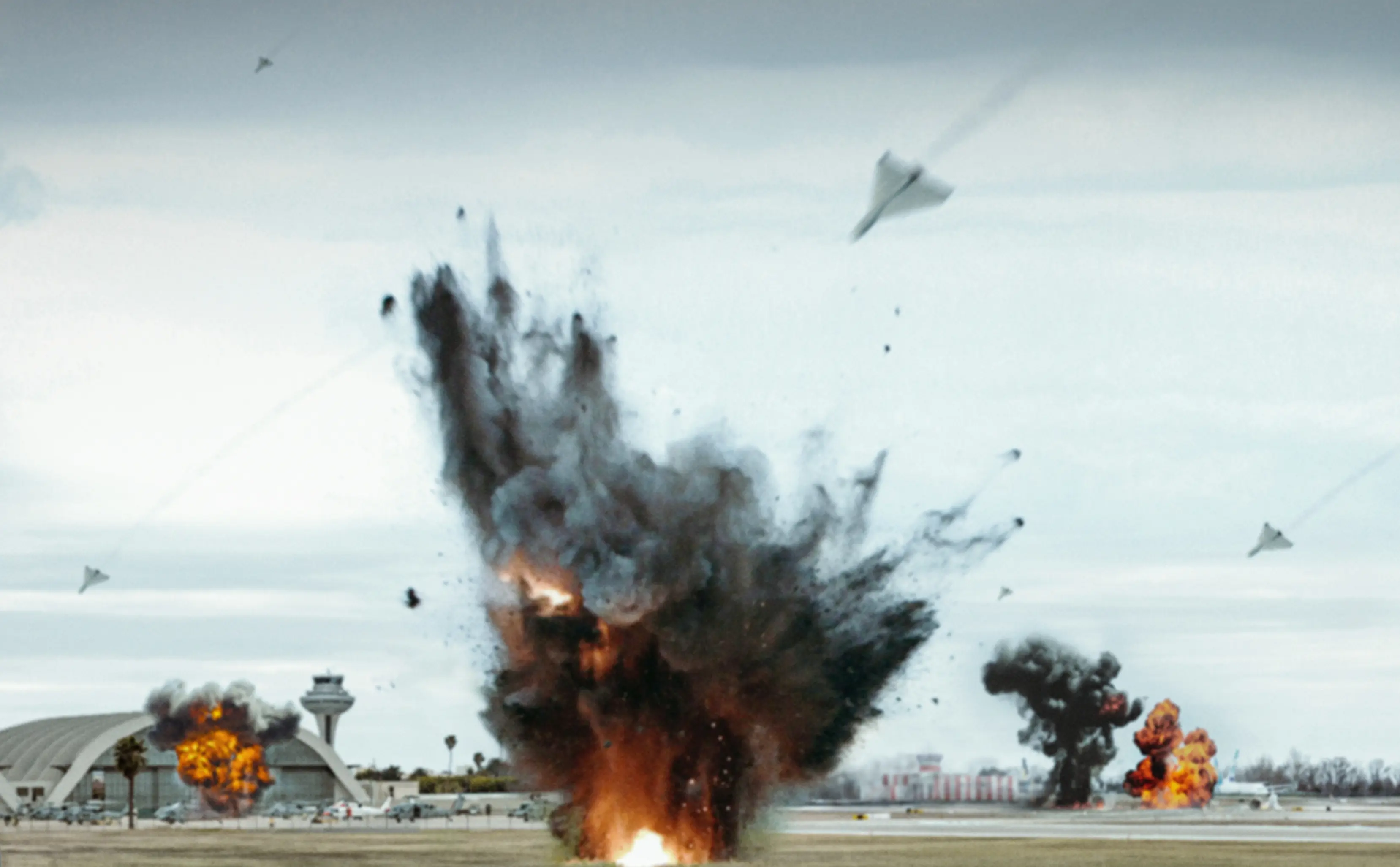
Suicide drone threats
Loitering munitions like the Shahed-136 can be launched in waves against commercial shipping. These cheap, explosive drones crash directly into their targets, causing significant damage. They are difficult to detect due to their small size and low flight path.
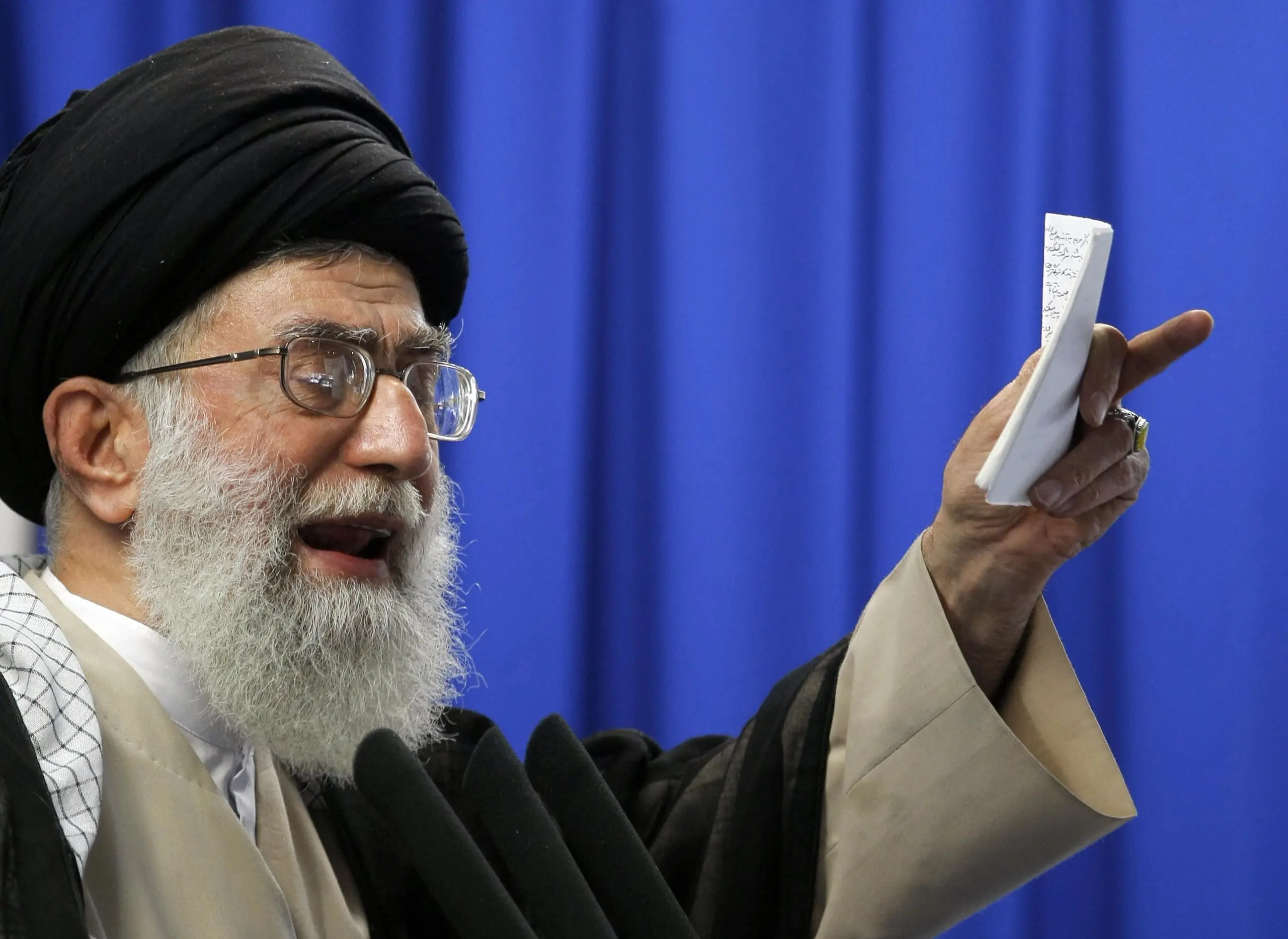
Naval mine warfare
Experts estimate Iran possesses thousands of naval mines that can be deployed quickly. These hidden explosives can severely damage hull structures and block shipping lanes for weeks. Clearing them would require a massive international minesweeping effort.
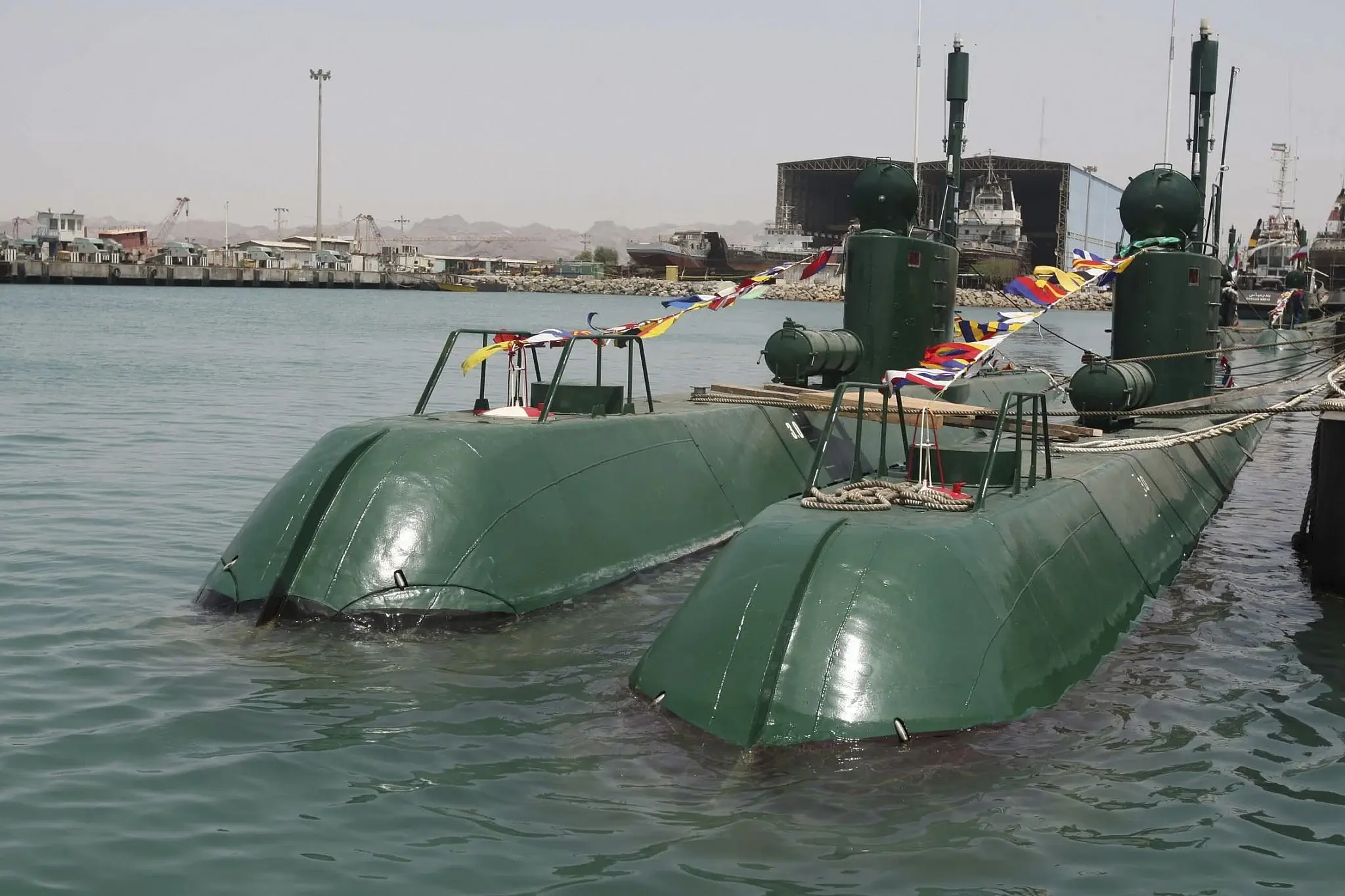
Midget submarine ambushes
Iran’s Ghadir-class midget submarines are designed for the shallow waters of the Gulf. They can lie in wait on the seabed to fire torpedoes at passing tankers. Their small sonar signature makes them incredibly difficult to track.
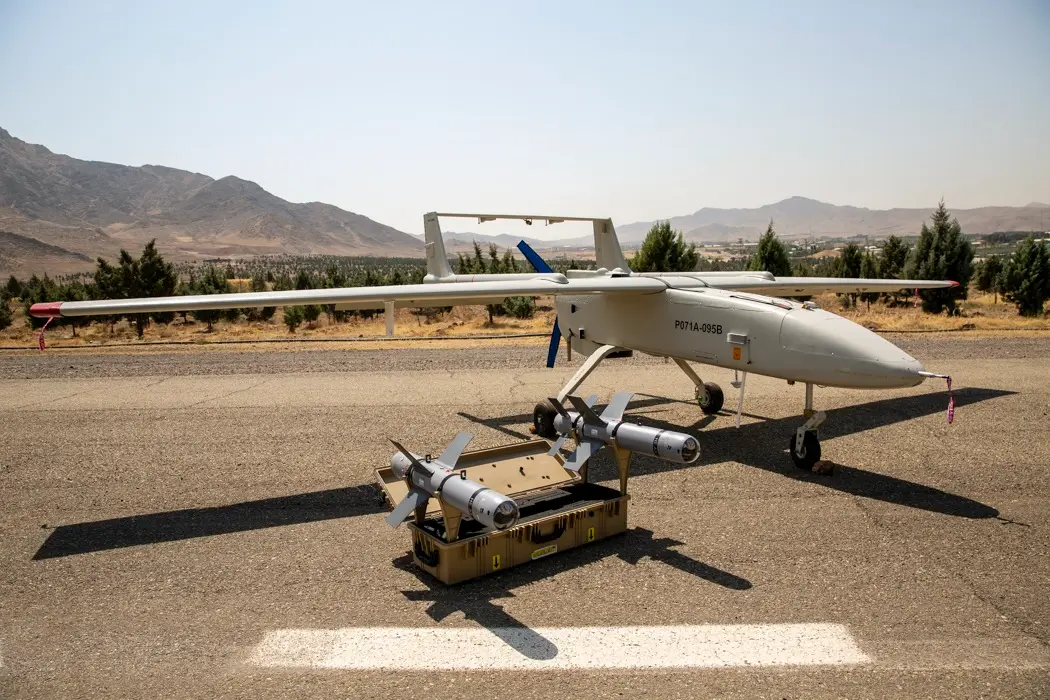
UAV surveillance network
Drones like the Mohajer-6 provide real-time targeting data to missile batteries and boats. This surveillance network ensures that Iran can track ship movements continuously. accurate data allows for precise strikes against moving vessels.

Electronic warfare tactics
Iran has invested in GPS jamming and spoofing technology to disrupt ship navigation. Confusing a ship's sensors can lead it into Iranian waters or dangerous areas. This non-kinetic tactic complicates operations for foreign navies.
Global economic impact
A sustained disruption in the Gulf could send oil prices soaring instantly. Insurance costs for shipping companies would likely become unmanageable. Such a conflict would affect energy markets and economies worldwide.
)
)
)
)
)