'Missile age': Does an old weapon still work safely after 20 years?

Missiles expire as solid propellants degrade and become brittle within 30 years. Upgrades stretch shelf life, keeping weapons like the Minuteman III active for 55 years.
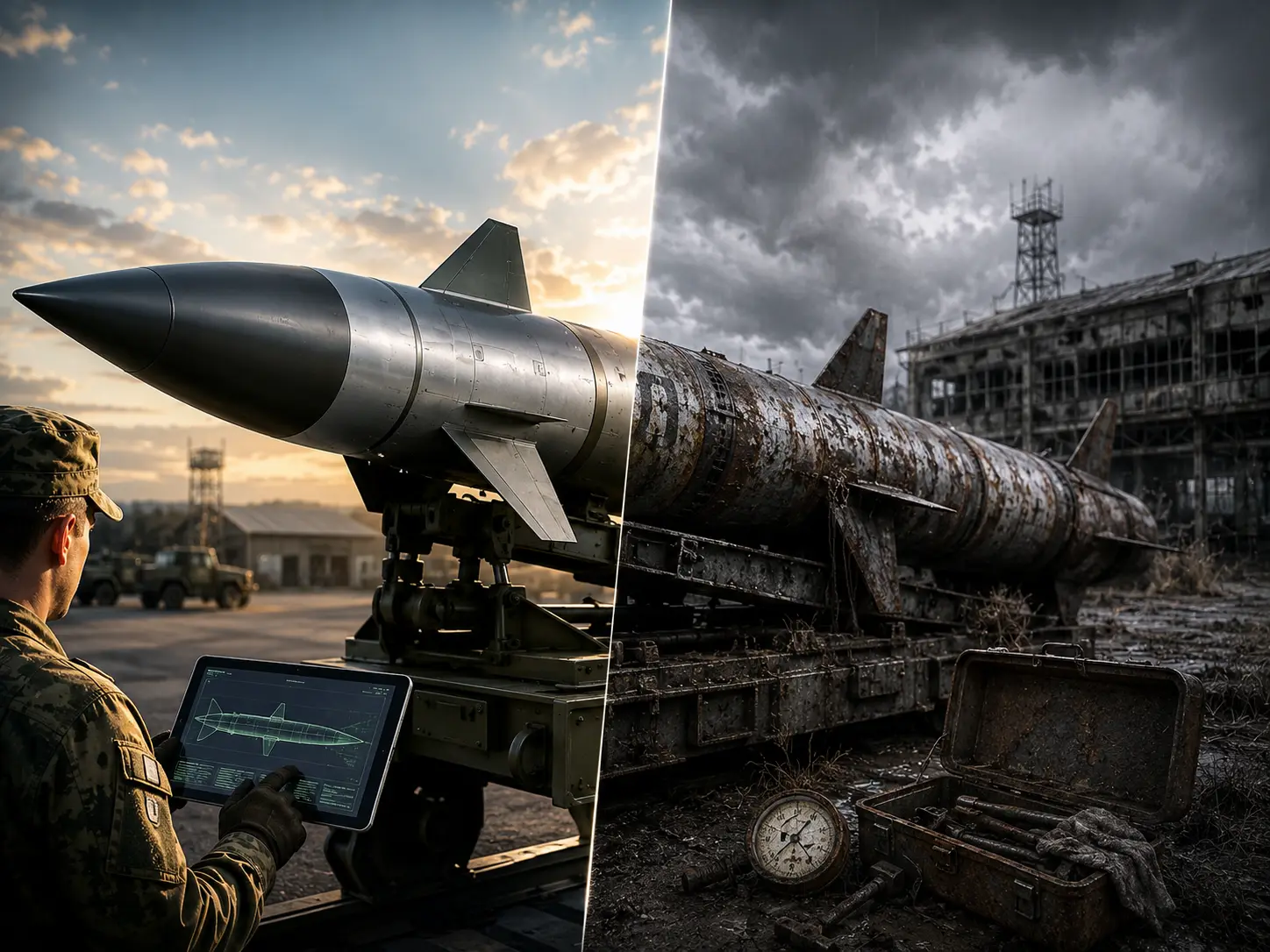
Degrades in 30 years
Solid rocket fuel undergoes severe structural changes and becomes increasingly brittle over time. While military casings look robust from the outside, the internal chemical binders dry out and crack within 20 to 30 years. This unseen structural breakdown dramatically increases the risk of a catastrophic engine explosion during ignition.
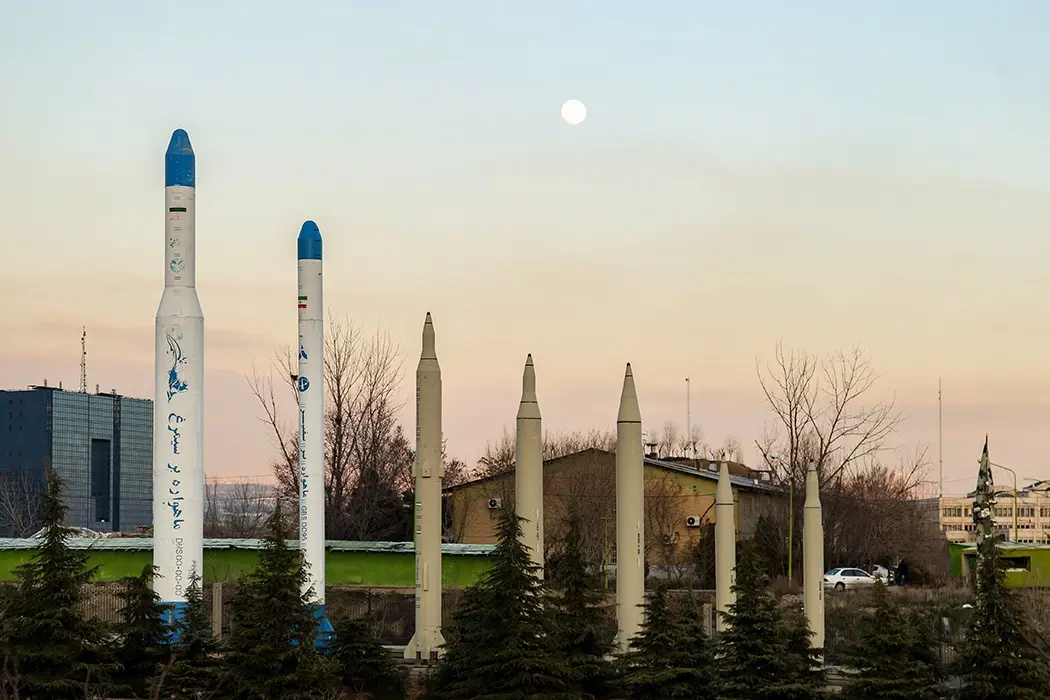
13 to 20 years
Many modern military rockets rely on HTPB-based composite solid propellants for their propulsion. Studies indicate that the safe service life of these highly energetic materials is generally between 13 and 20 years at ambient temperatures. After this period, their chemical and mechanical properties begin to deteriorate.
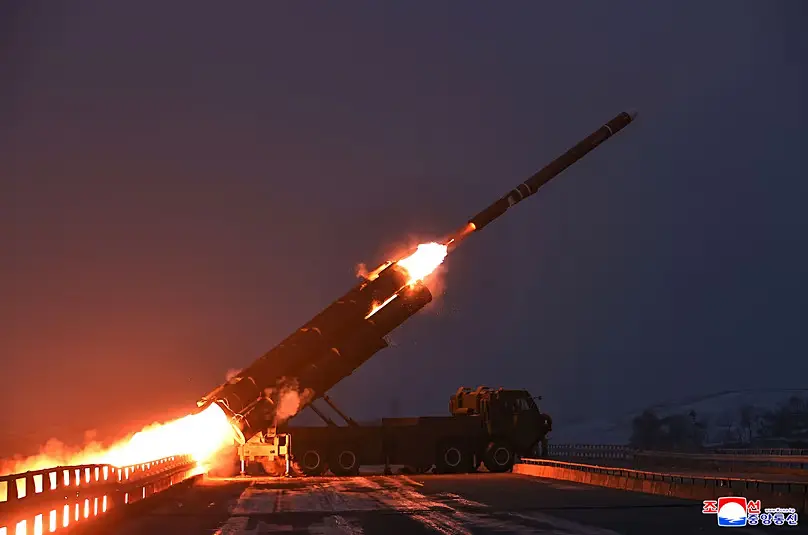
2 major recent failures
Ageing stockpiles can lead to serious ignition issues and misfires on the battlefield. A United States Minuteman III missile experienced flight anomalies and self-destructed in November 2023. A British Navy Trident II also suffered a launch failure just months later in early 2024.
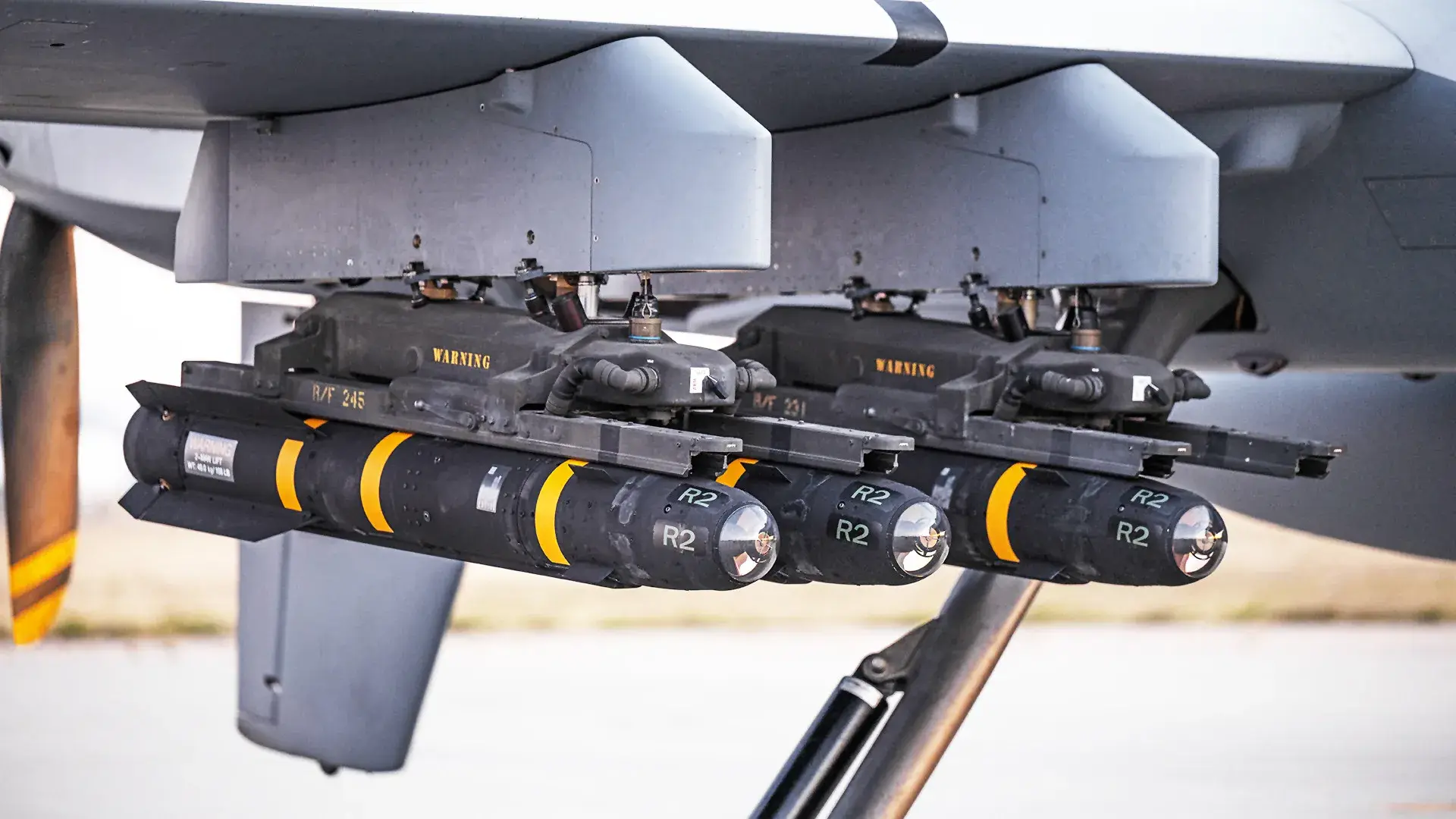
100 per cent degradation
All missiles are bound to physical breakdown due to constant oxidation and trapped moisture. Vital electronic components like electrolytic capacitors fail, explosive squibs degrade, and rubber O-ring seals dry out and crack. Keeping these highly complex weapon systems fully operational becomes significantly harder as the hardware ages.
)
)
)
)
)