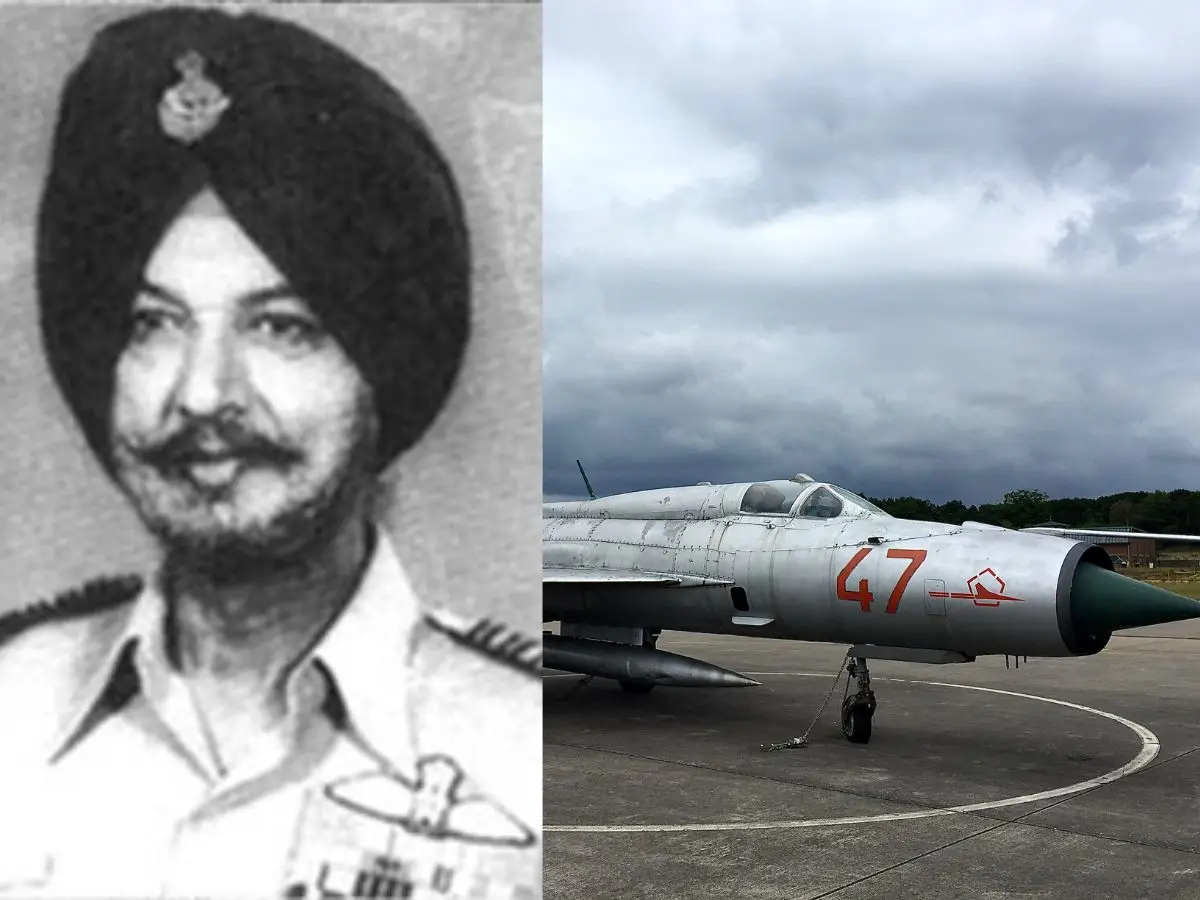
MiG-21 farewell: Remembering Air Chief Marshal Dilbagh Singh, the man who introduced India’s first supersonic jet

The last jets, belonging to No. 23 Squadron 'Panthers', will lead the final formation, bringing to rest a type that once defined India’s air power.
Introduction: The End of a Supersonic Era
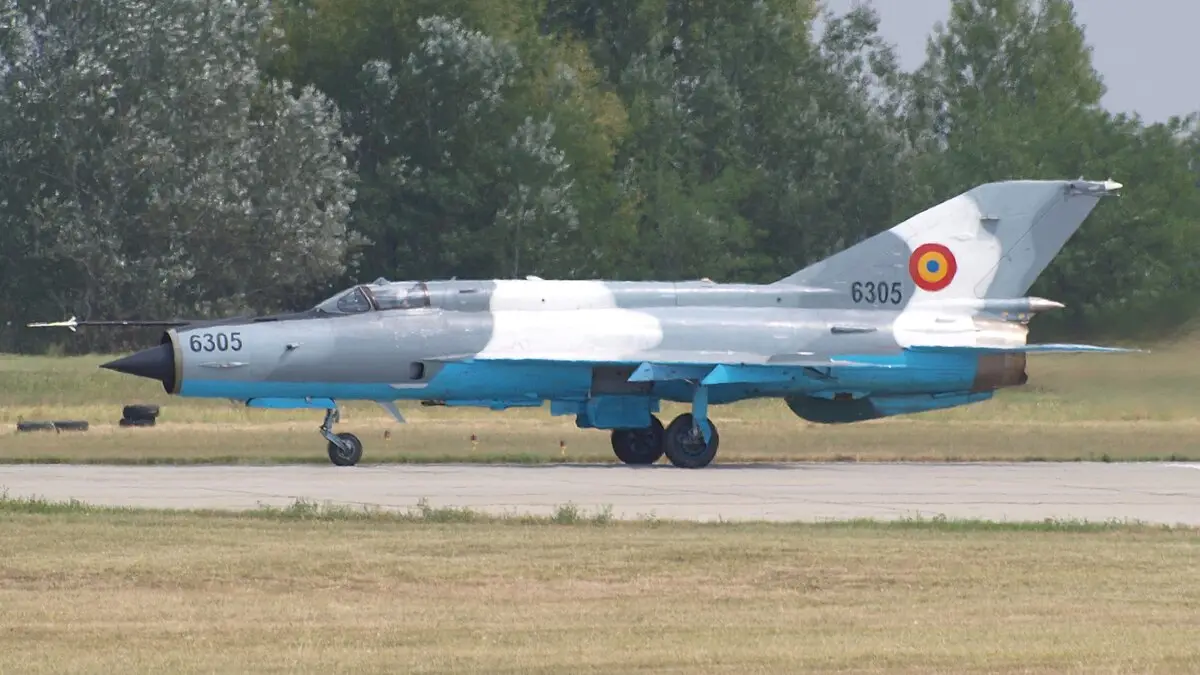
After more than sixty years of service, the Indian Air Force is preparing to retire its iconic MiG-21 jets. On September 26, 2025, a ceremonial flypast, de-induction event and farewell at the Chandigarh Air Force Station will mark the official closure of its operations. The last jets, belonging to No. 23 Squadron 'Panthers', will lead the final formation, bringing to rest a type that once defined India’s air power.
Chandigarh: Where It All Began
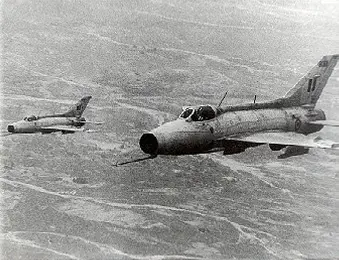
Chandigarh holds special significance: it is where the MiG-21 first entered IAF service in 1963. No. 28 Squadron, nicknamed the ‘First Supersonics’, was raised there under the command of Wing Commander Dilbagh Singh, comprising six MiG-21s delivered in April of that year.
Dilbagh Singh: The Man Who Launched the Jet Age
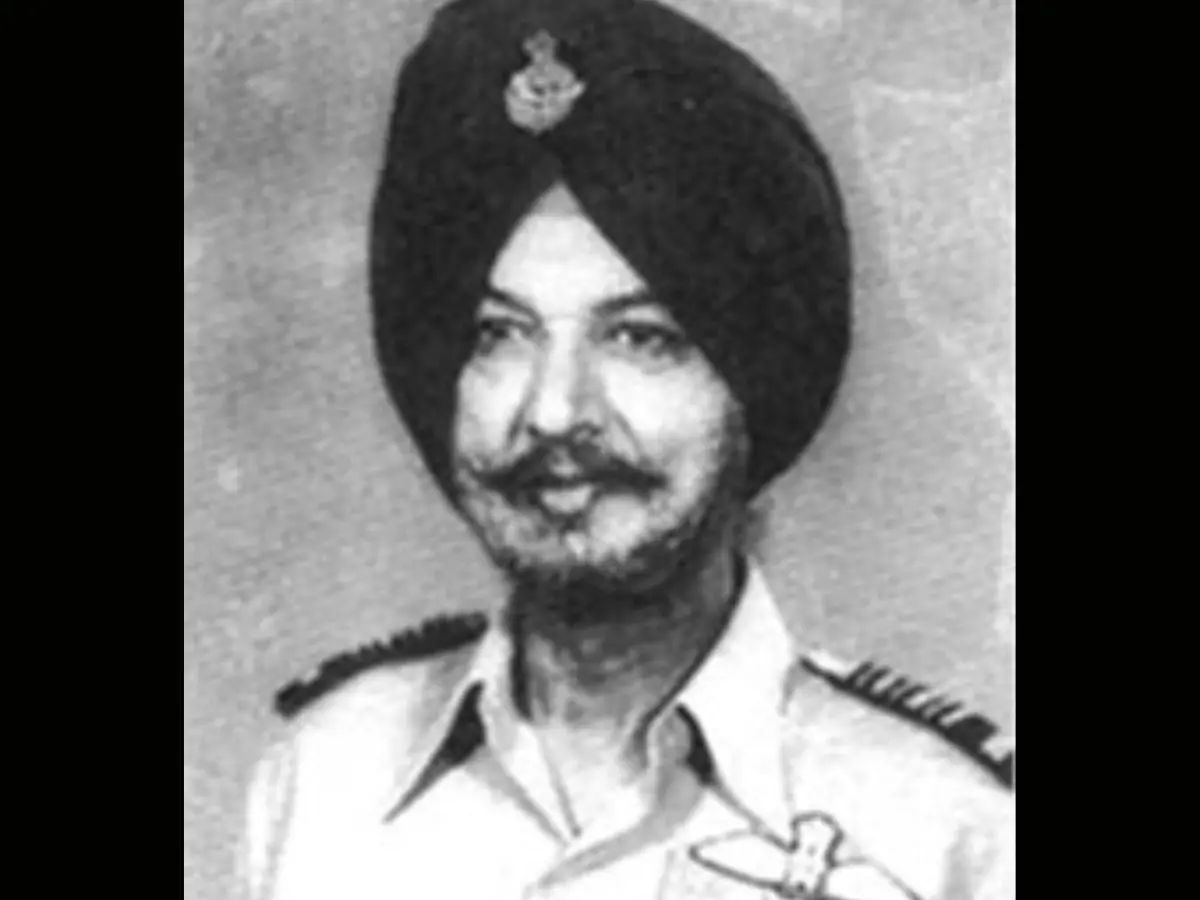
Born on March 10, 1926 in Punjab, Dilbagh Singh was commissioned into the Royal Indian Air Force on September 4, 1944. He rose through operational and instructional roles, flying Hurricanes, Spitfires, Mystère IV and later supersonic jets. As Wing Commander, he led the formation of No. 28 Squadron in early 1963, introducing the supersonic MiG-21s into Indian service.
Operational Legacy: From ’65 & ’71 to Kargil & Beyond
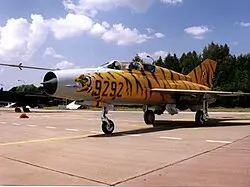
The MiG-21 played critical roles in the Indo-Pak wars of 1965 and 1971, providing air defence, interception and ground attack capabilities. Over its lifespan, it also engaged in later conflicts such as the Kargil war and operations like the Balakot strikes. Though ageing, the aircraft remained in use due to delays in replacement platforms such as the Tejas.
The Final Sortie: A Call Sign and a Farewell
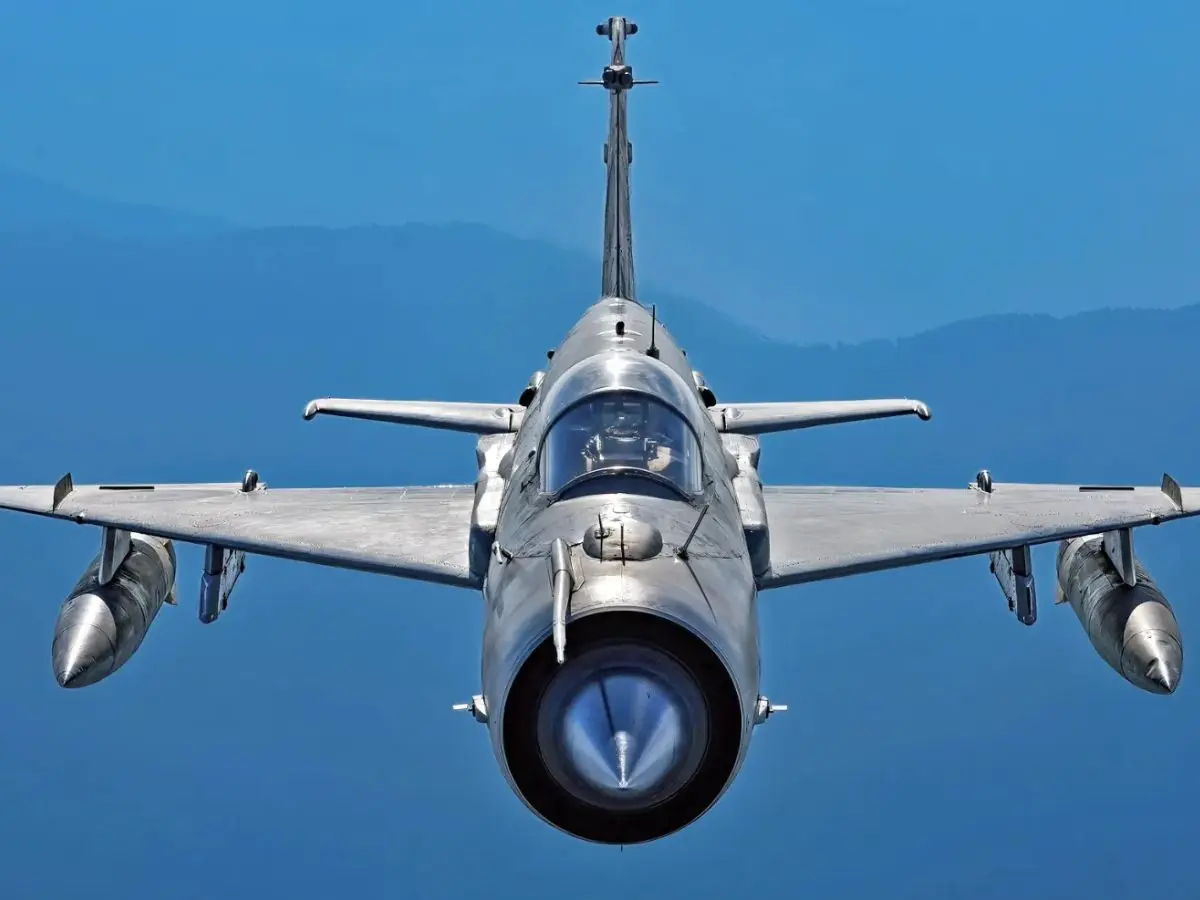
Air Chief Marshal A. P. Singh will fly the final sortie of No. 23 Squadron with the callsign 'Badal 3', marking the symbolic end of active MiG-21 operations. Among the pilots in the last flypast will be Squadron Leader Priya Sharma. Six aircraft belonging to the 'Panthers' will participate, and after landing, they will receive a ceremonial water-cannon salute.
Accidents and Controversy
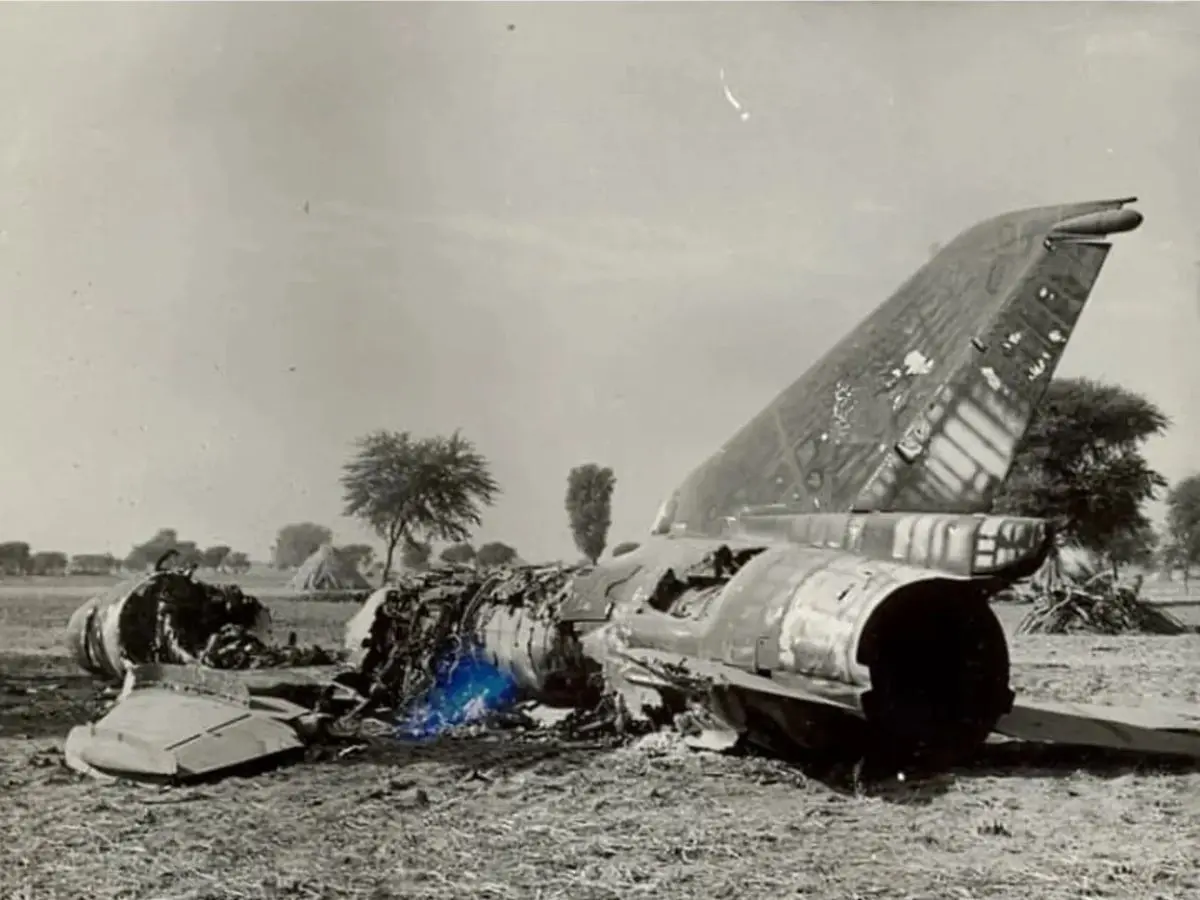
Over the decades, the MiG-21 fleet has been subject to frequent accidents. More than 400 were lost since induction, which led to criticism and the informal nickname 'flying coffin'. These risks, combined with older avionics and high take-off or landing speeds, fuelled debates over flight safety and the urgency of phasing out the fleet.
Dilbagh Singh’s Later Career & Legacy
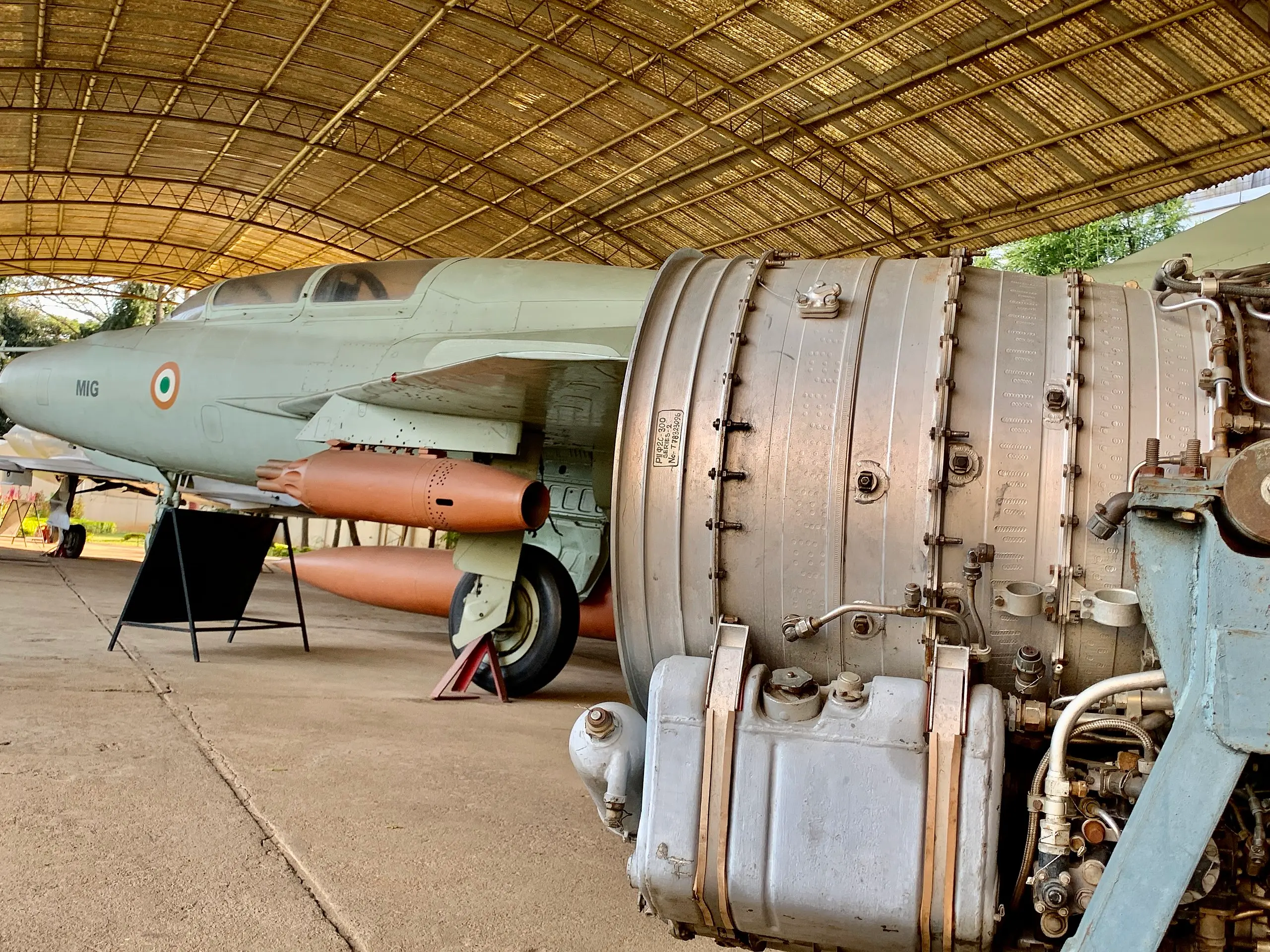
After his command of No. 28 Squadron, he handed over in May 1965 to Wing Commander M S D Wollen—Dilbagh Singh went on to hold senior operational and staff roles. He became Chief of Air Staff in 1981 and served until 1984. Over his four-decade career, he accrued more than 5,000 flying hours on a wide variety of aircraft. His leadership facilitated the IAF’s transition into the supersonic age and set high standards for training and doctrine.
Aftermath: What Comes Next for the IAF
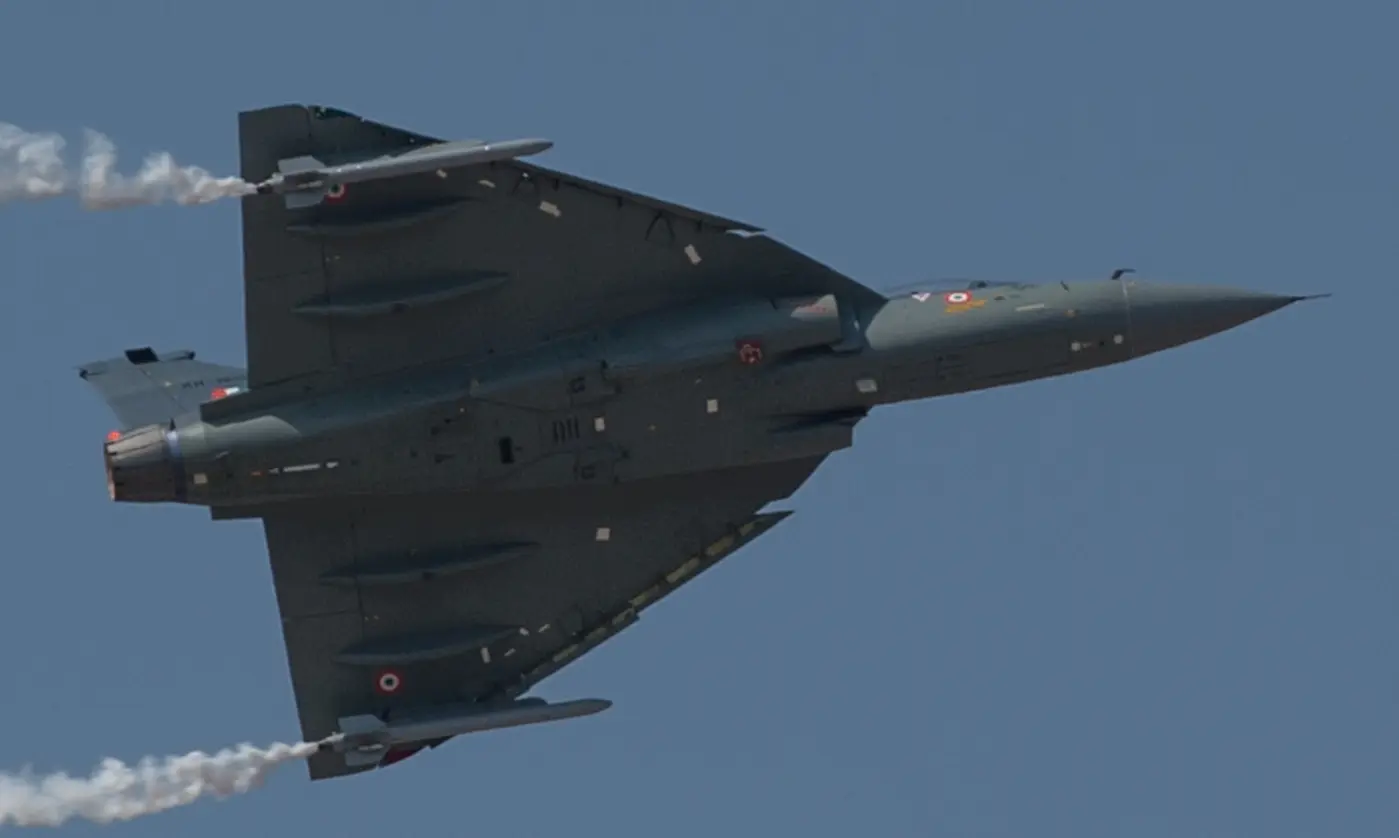
With the retirement of the MiG-21, the IAF will be down to two squadrons flying the Bison variant. The move necessitates ramping up induction of newer platforms, Tejas Mk-1A and future multi-role fighters, to maintain operational strength. The formal ceremony will include a flypast by Jaguars, a display by the Surya Kiran aerobatic team, participation of Tejas fighters, and attendance by senior defence leadership.
Conclusion: Bridging Generations
The MiG-21’s decommissioning closes a monumental chapter in Indian aviation history. From the early days under Dilbagh Singh’s command in Chandigarh, to its dominance in wars and its evolving role over decades, it has shaped pilots, strategy, and public imagination alike. As the ‘First Supersonics’ fade from active duty, their legacy endures in the men and women who flew them, maintained them, and trained on them, and in those who will carry forward India’s airborne frontline into the next generation.
)
)
)
)
)