MiG-15, F-4 Phantom and more: 5 fighter jets that changed the course of modern warfare

Entering service in the late 1940s, the MiG-15 played a decisive role in the Korean War. Its swept-wing design and jet performance challenged Western aircraft like the F-86 Sabre, establishing the Soviet Union as a key player in jet fighter technology.
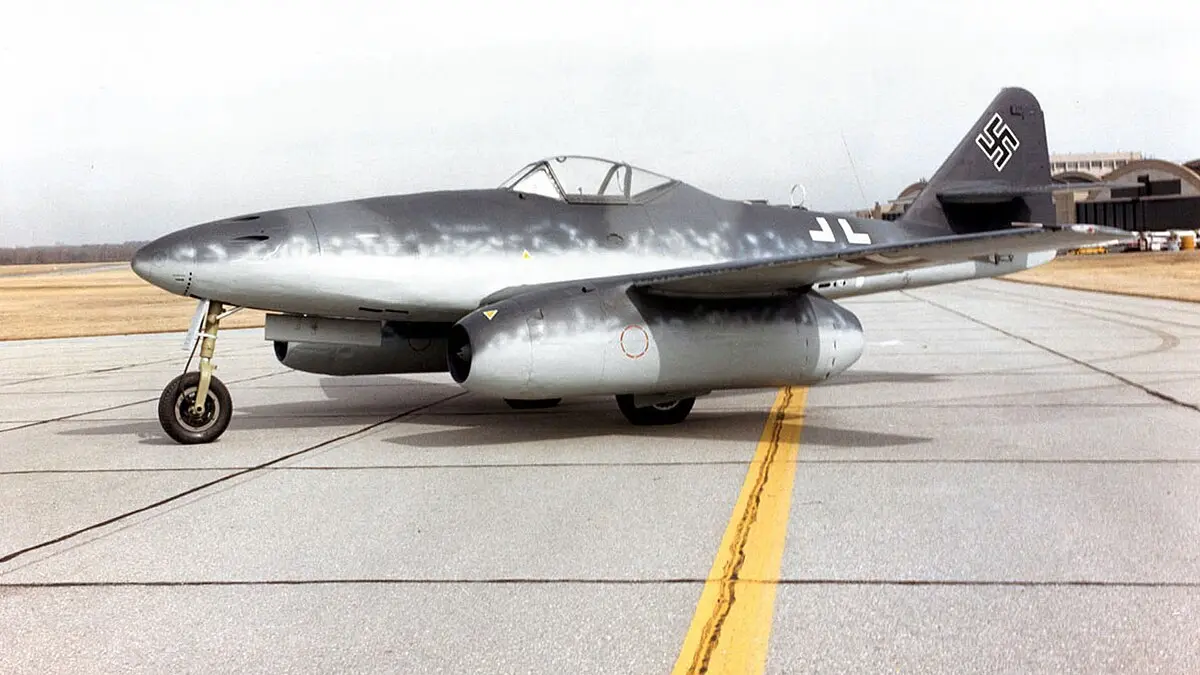
Messerschmitt Me 262 (Germany, World War II)
The Me 262 was the world’s first operational jet-powered fighter, introduced by Germany in 1944. Although deployed late in the war, it demonstrated the speed and firepower advantages of jet propulsion, shaping post-war fighter development globally.
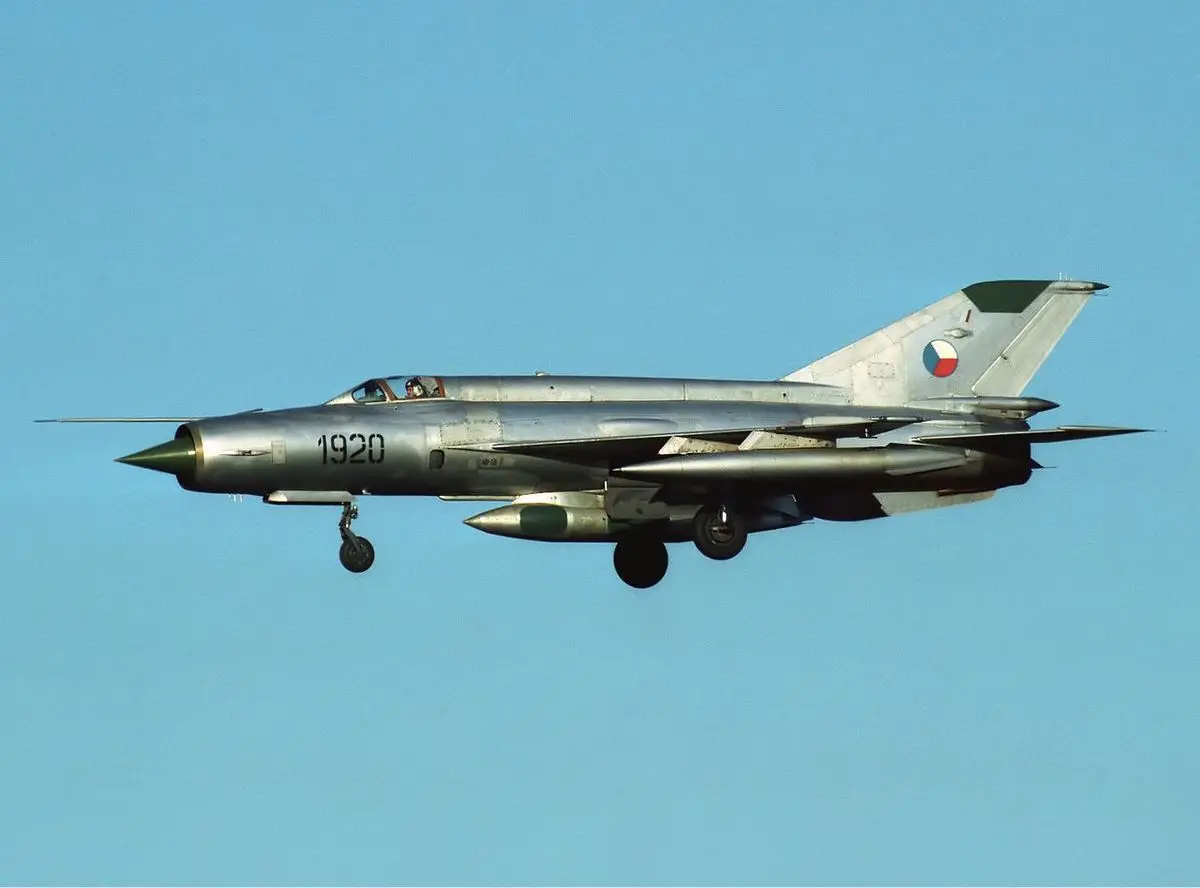
MiG-15 (Soviet Union, Korean War)
Entering service in the late 1940s, the MiG-15 played a decisive role in the Korean War. Its swept-wing design and jet performance challenged Western aircraft like the F-86 Sabre, establishing the Soviet Union as a key player in jet fighter technology.
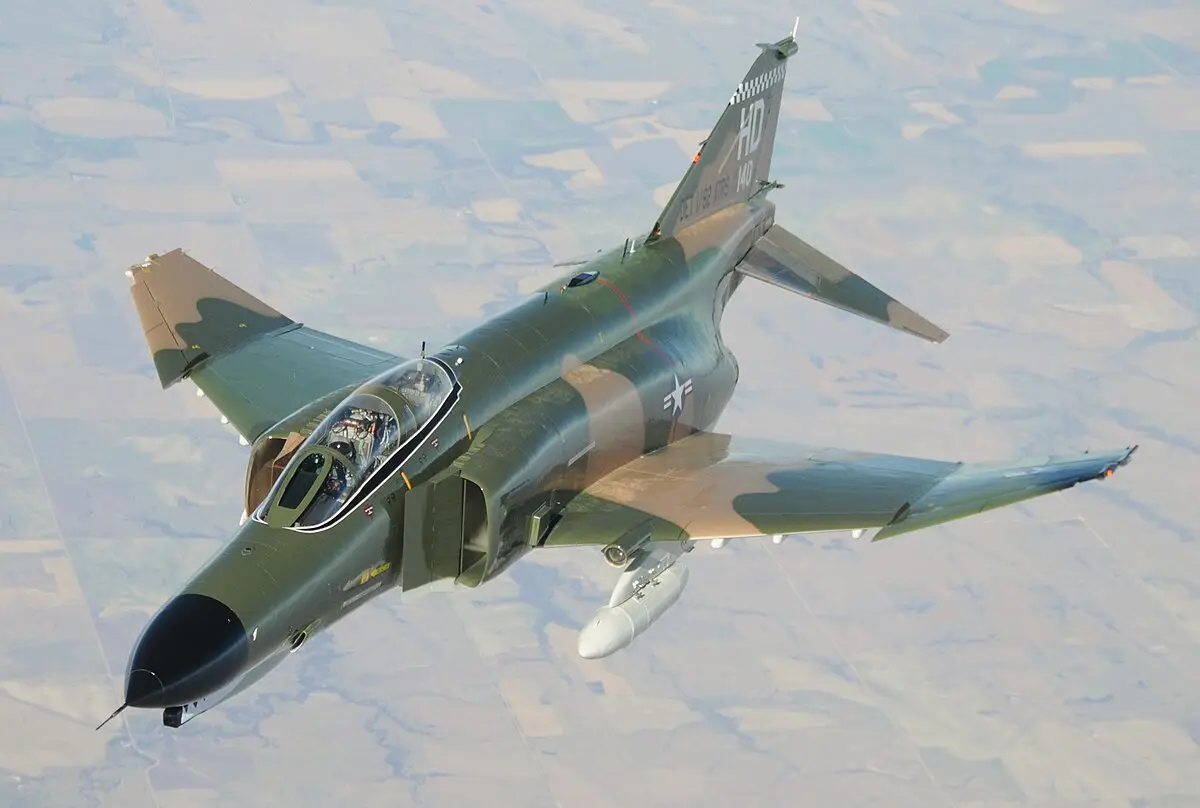
F-4 Phantom II (United States, Cold War Era)
The F-4 Phantom II became a versatile platform for the United States and allied nations. Serving in roles from air superiority to ground attack, it highlighted the importance of multirole design and was widely used in the Vietnam War and Middle Eastern conflicts.
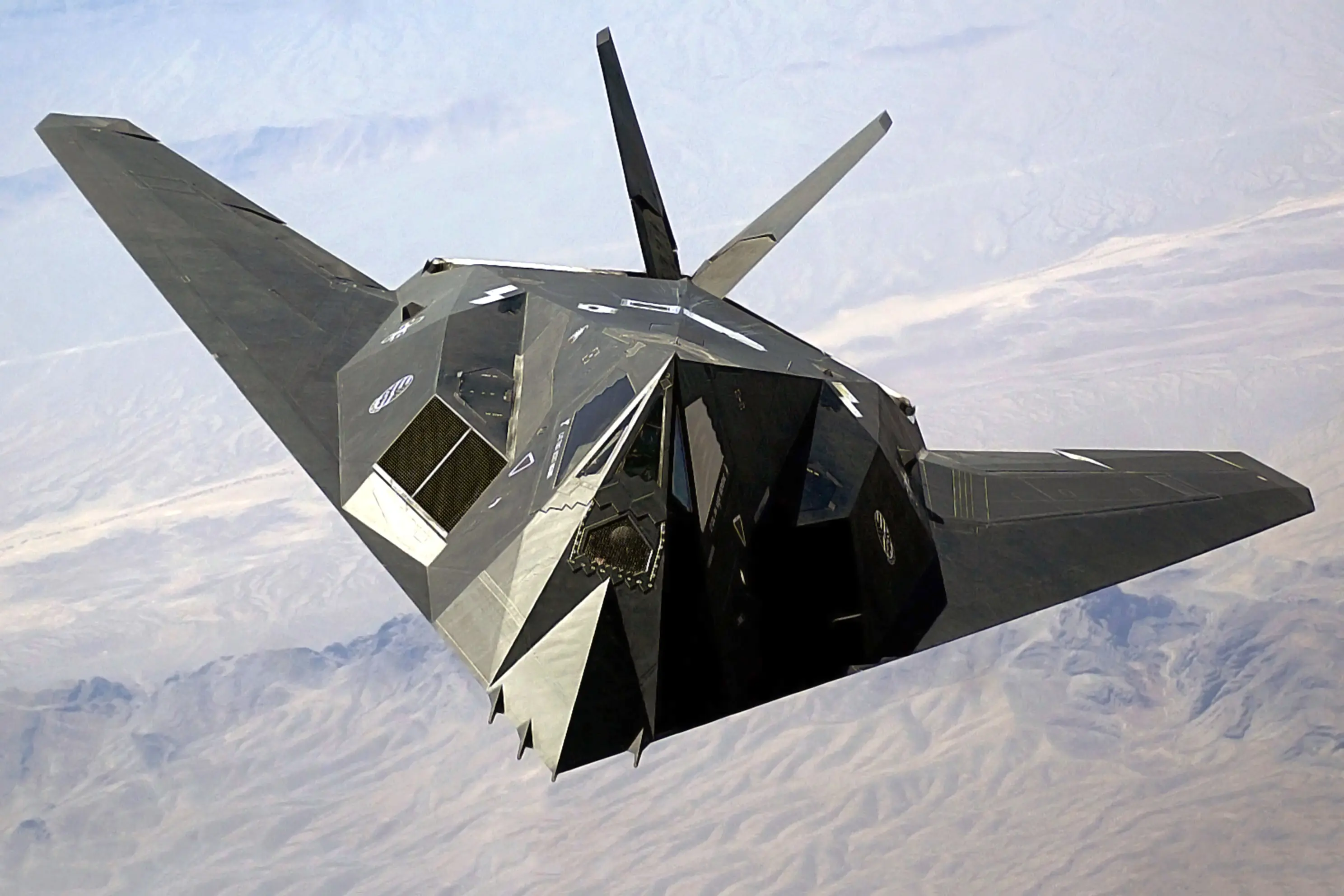
F-117 Nighthawk (United States, 1980s)
The F-117 was the first operational aircraft to use stealth technology, entering service in 1983. Its ability to evade radar transformed aerial strategy, influencing the design of all subsequent fifth-generation fighters. It was notably employed in the Gulf War.
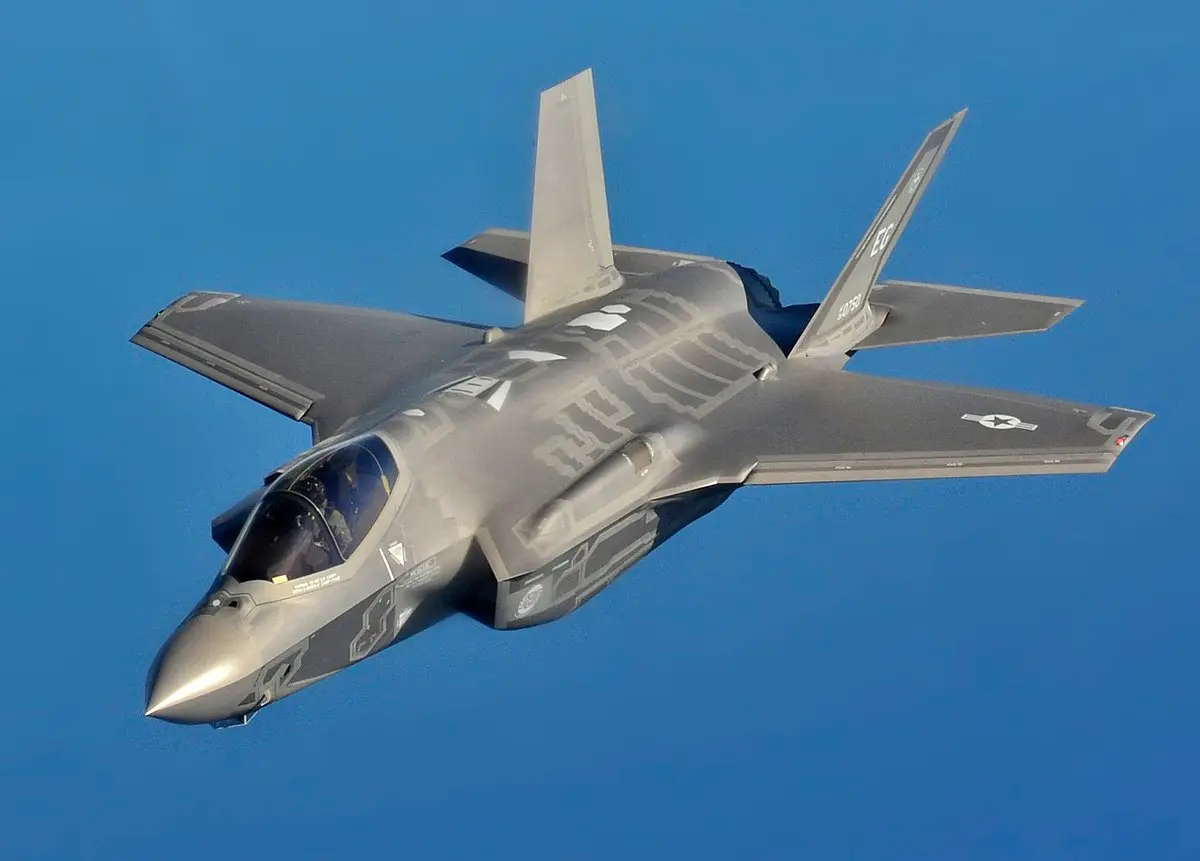
F-35 Lightning II (United States, Present Day)
The F-35 represents the current generation of multirole stealth fighters, designed for networked warfare. With variants for the Air Force, Navy, and Marine Corps, and widespread adoption by allied nations, it reflects how modern air combat relies on sensors, data-sharing, and interoperability.
Key Shifts in Air Combat Doctrine
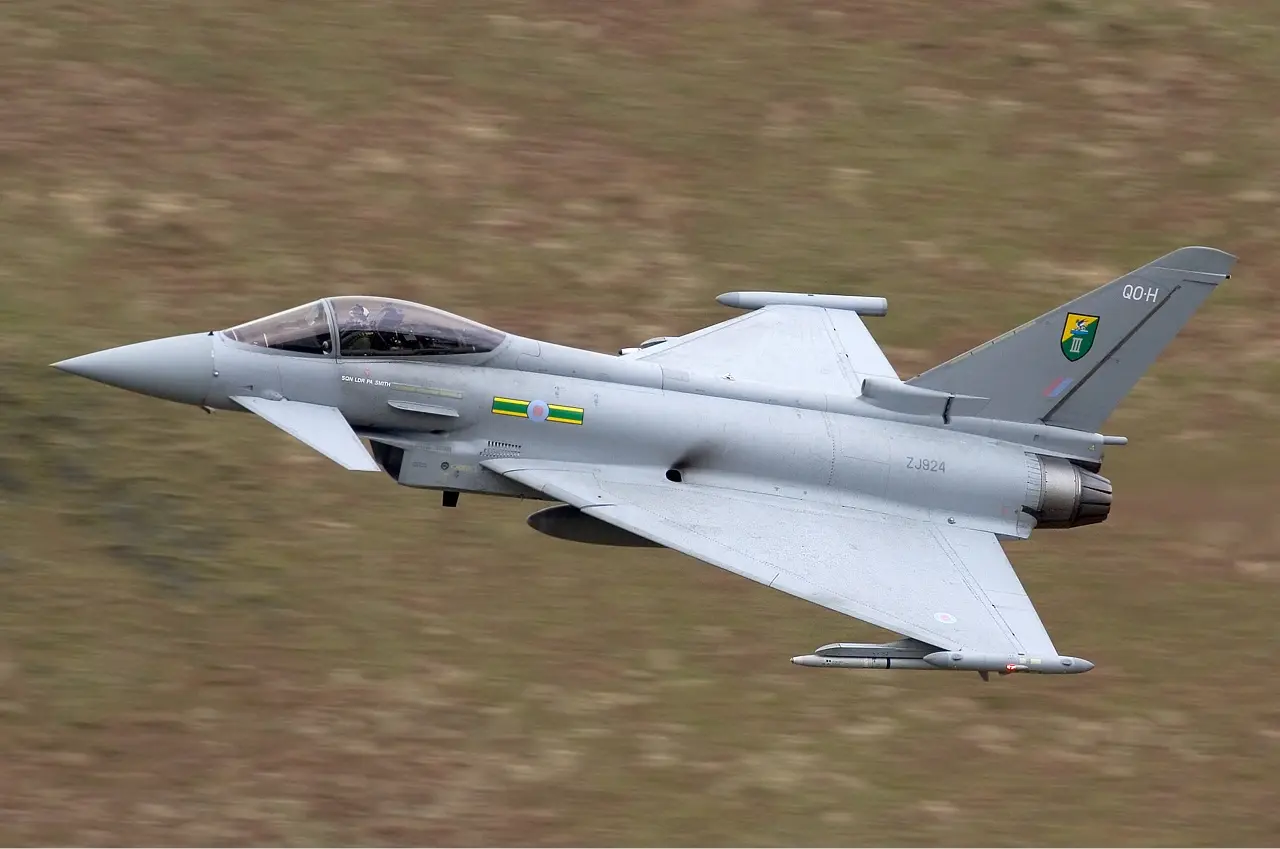
Each of these jets introduced a shift in how wars were fought: from speed (Me 262), to manoeuvrability (MiG-15), multirole versatility (F-4 Phantom II), stealth (F-117), and integrated network warfare (F-35). Together, they mark the evolution of air power across 80 years.
)
)
)
)
)