Midair lifeline: Do B-52 bombers get refueled in the air?

The B-52 bomber relies on mid-air refuelling from KC-135 and KC-46 tankers to achieve unlimited global reach. Transferring fuel at 1,000 gallons per minute via a flying boom, this process unlocks historic non-stop combat operations.
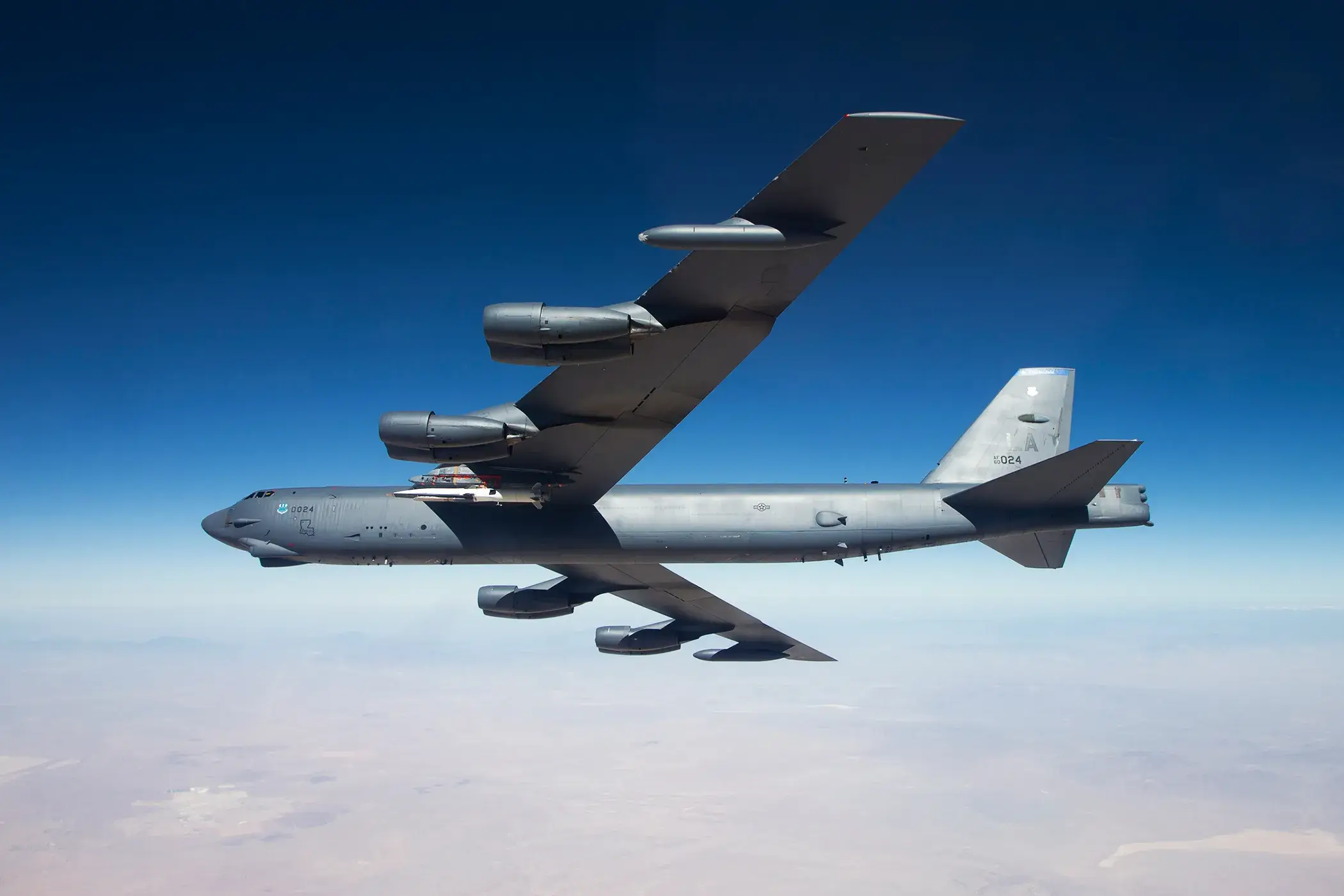
The Unlimited Reach
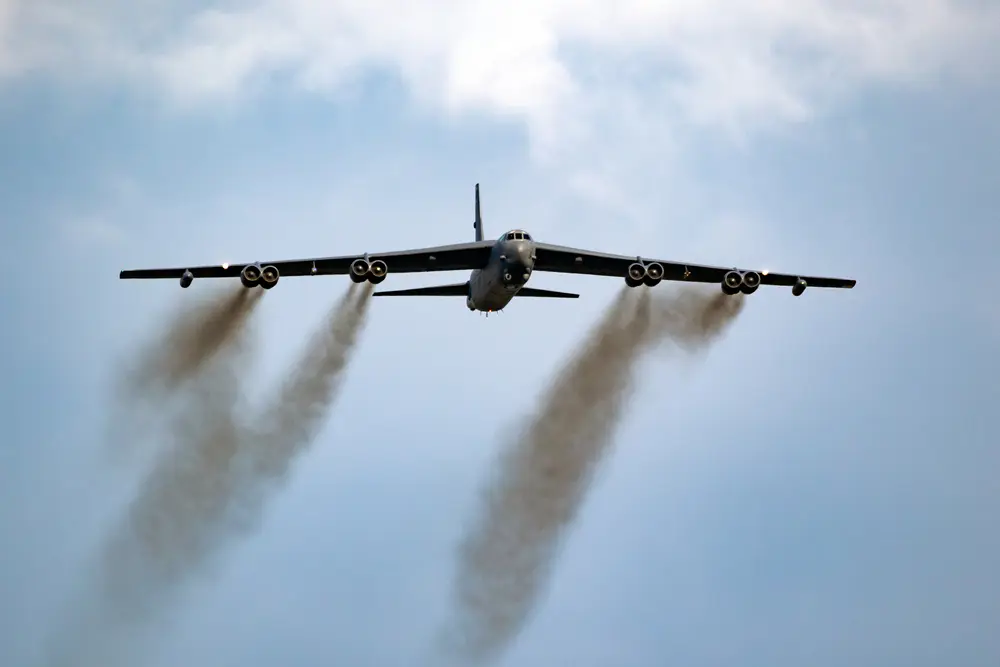
The short answer is yes; the Boeing B-52 Stratofortress relies heavily on mid-air refuelling to execute its global strike missions. While its internal tanks offer a massive 8,800-mile baseline range, hooking up to aerial tankers unlocks virtually limitless operational endurance.
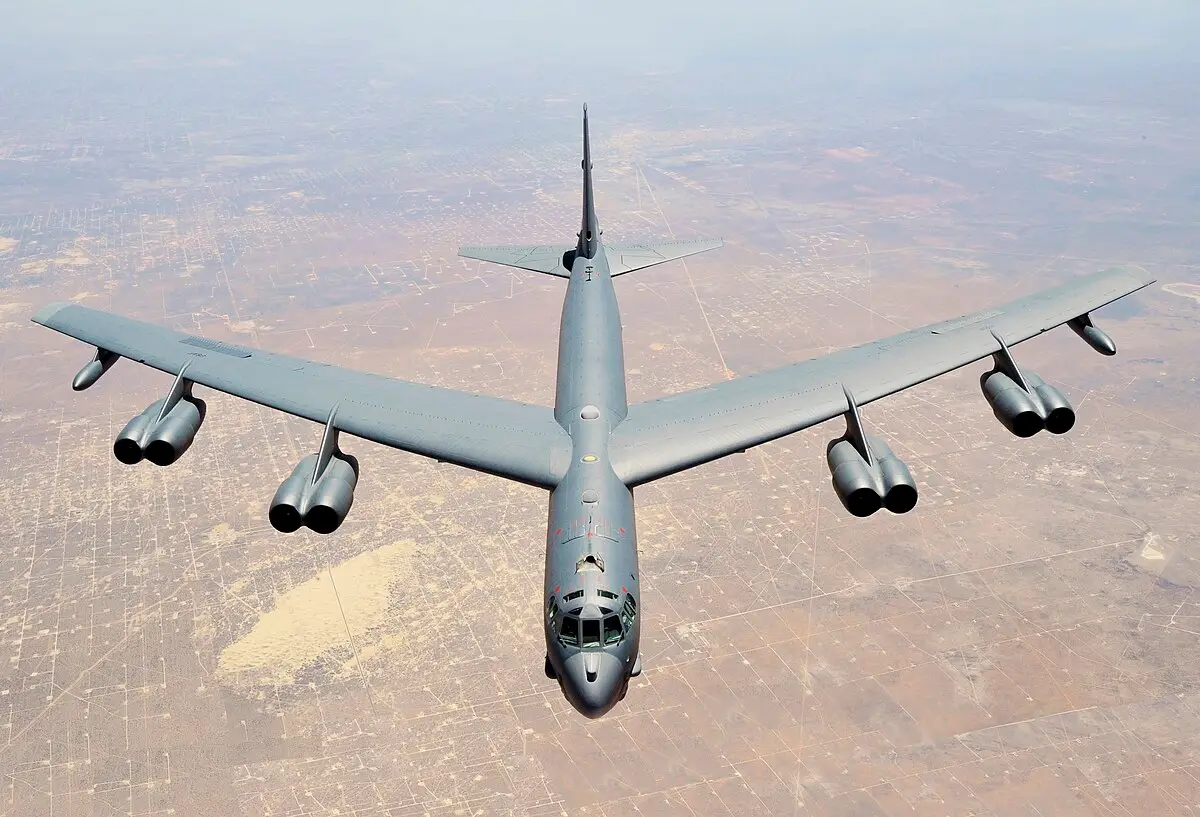
The Flying Gas Stations
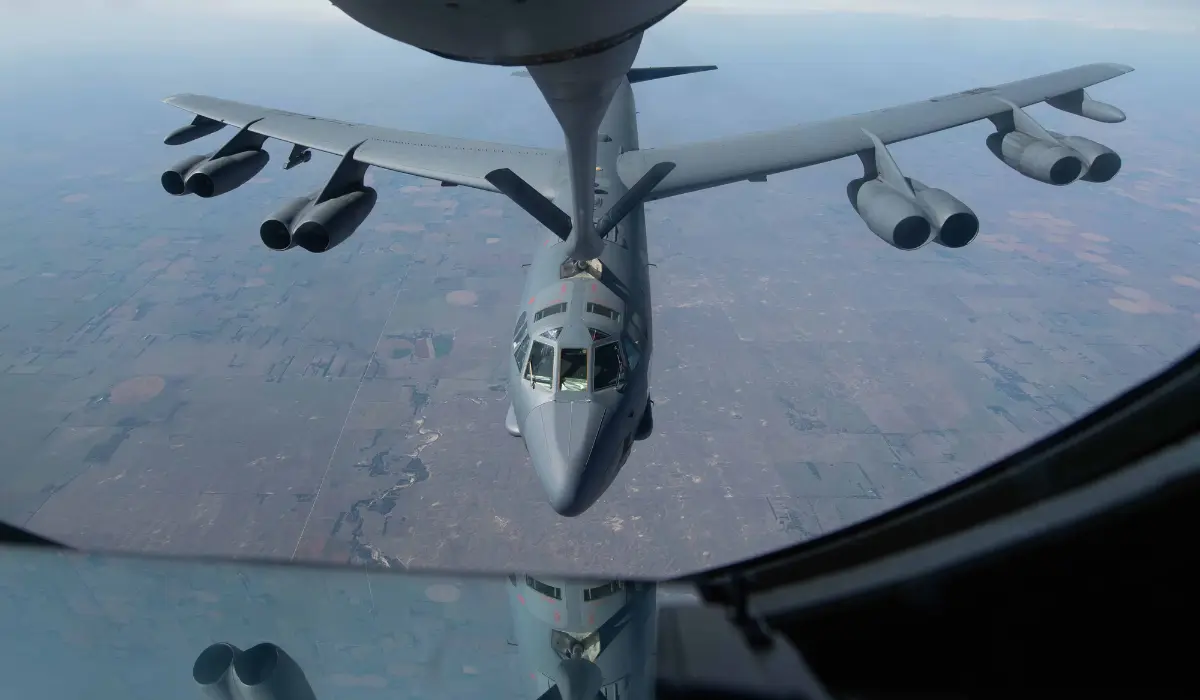
To top up its massive tanks mid-flight, the heavy bomber integrates with specialized US Air Force tankers like the KC-135 Stratotanker and the modern KC-46 Pegasus. These airborne fuel depots safely pump thousands of gallons of highly refined aviation fuel at 400 miles per hour.
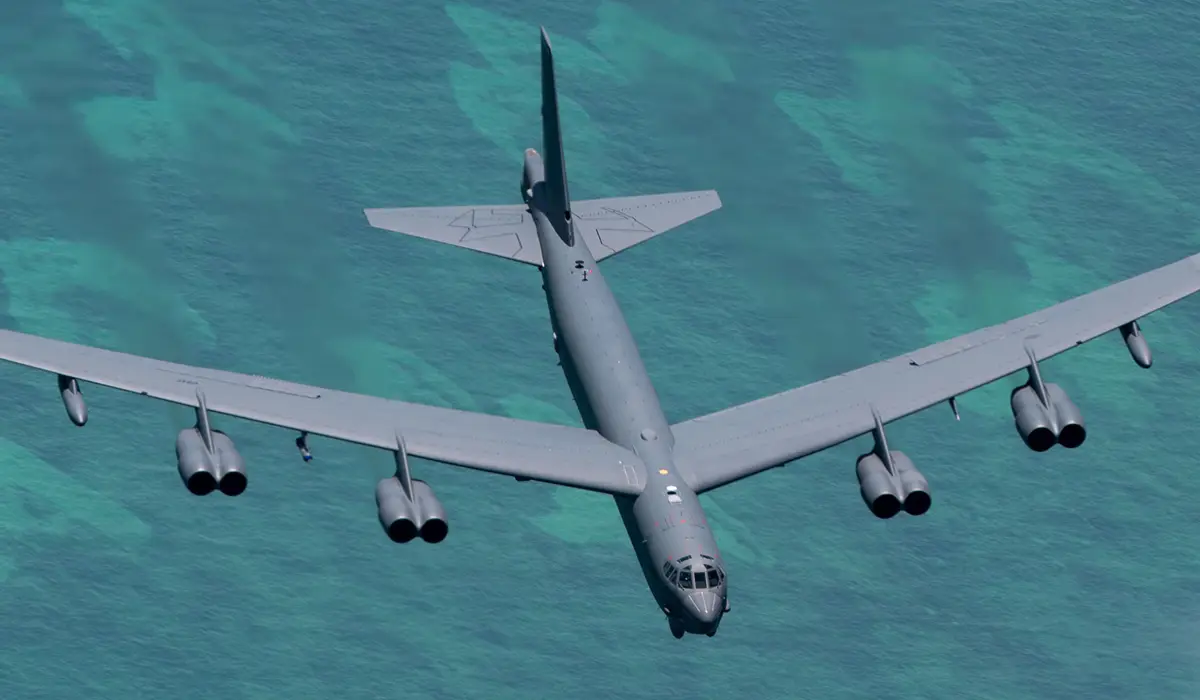
The Flying Boom Method
Refuelling a 390,000-pound bomber requires the rigid ‘flying boom’ method rather than a flexible hose. A boom operator stationed inside the tanker aircraft uses a joystick to manually steer a telescopic fuel pipe directly into the B-52's receptacle.
The Windshield Receptacle
The B-52's fuel receptacle is uniquely positioned on top of the fuselage, directly behind the cockpit windshield. This specific layout allows the pilots to closely monitor the tanker's boom as it locks into place just feet above their heads.
Massive Fuel Transfer Rates
During a mid-air hookup, time is a critical vulnerability. The high-pressure boom system transfers fuel at an incredible rate of roughly 1,000 gallons per minute, filling the bomber's cavernous 312,000-pound capacity tanks in a matter of minutes.
The 35-Hour Combat Proof
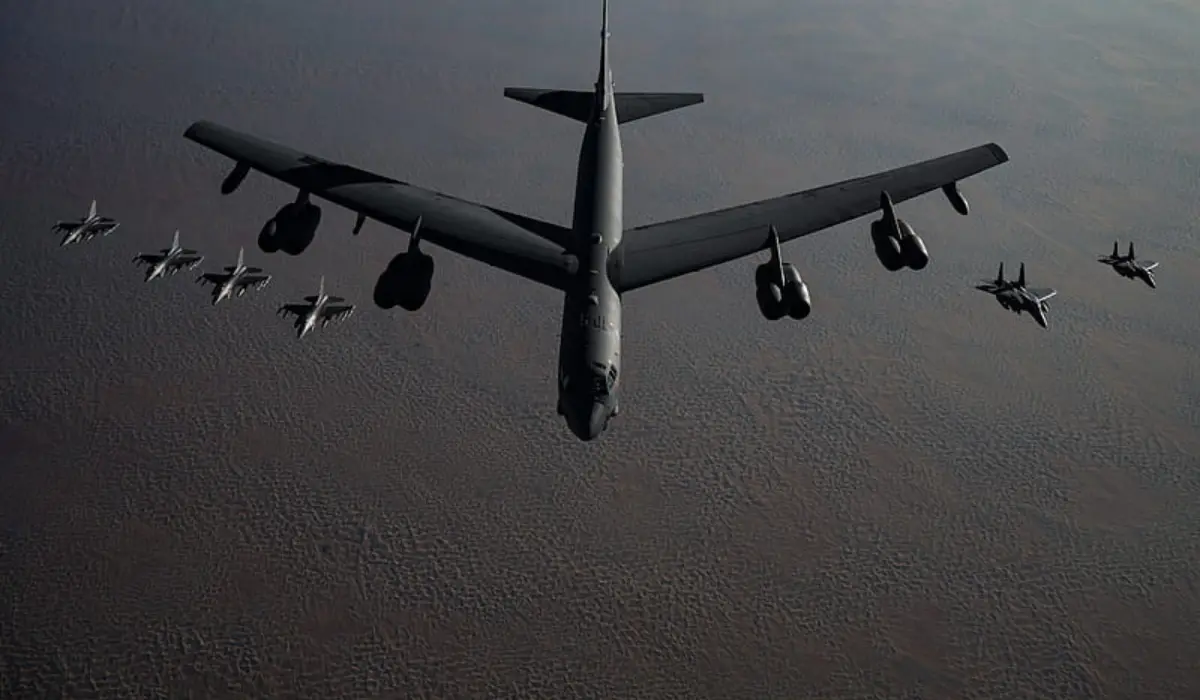
The lethal necessity of mid-air refuelling was proven during Operation Secret Squirrel in 1991. Seven B-52s executed a record-breaking 35-hour, 14,000-mile non-stop combat mission from Louisiana to Iraq, requiring multiple complex refuelling link-ups along the way.
Fewer Tankers Needed
The ongoing USD 48.6 billion B-52J modernisation programme will make the bomber slightly less dependent on these aerial lifelines. Swapping to eight modern Rolls-Royce F130 engines slashes fuel consumption by 30 per cent, reducing the frequency of risky mid-air connections.
)
)
)
)
)