Metro vs Auto: Which is cheaper for daily office travel in India?

Metro travel in India tends to be cheaper and faster than autos for longer office commutes, despite recent fare hikes. Autos offer flexibility and door-to-door service but often cost more and take longer in traffic. Commuter choice depends on distance, convenience, and cost.
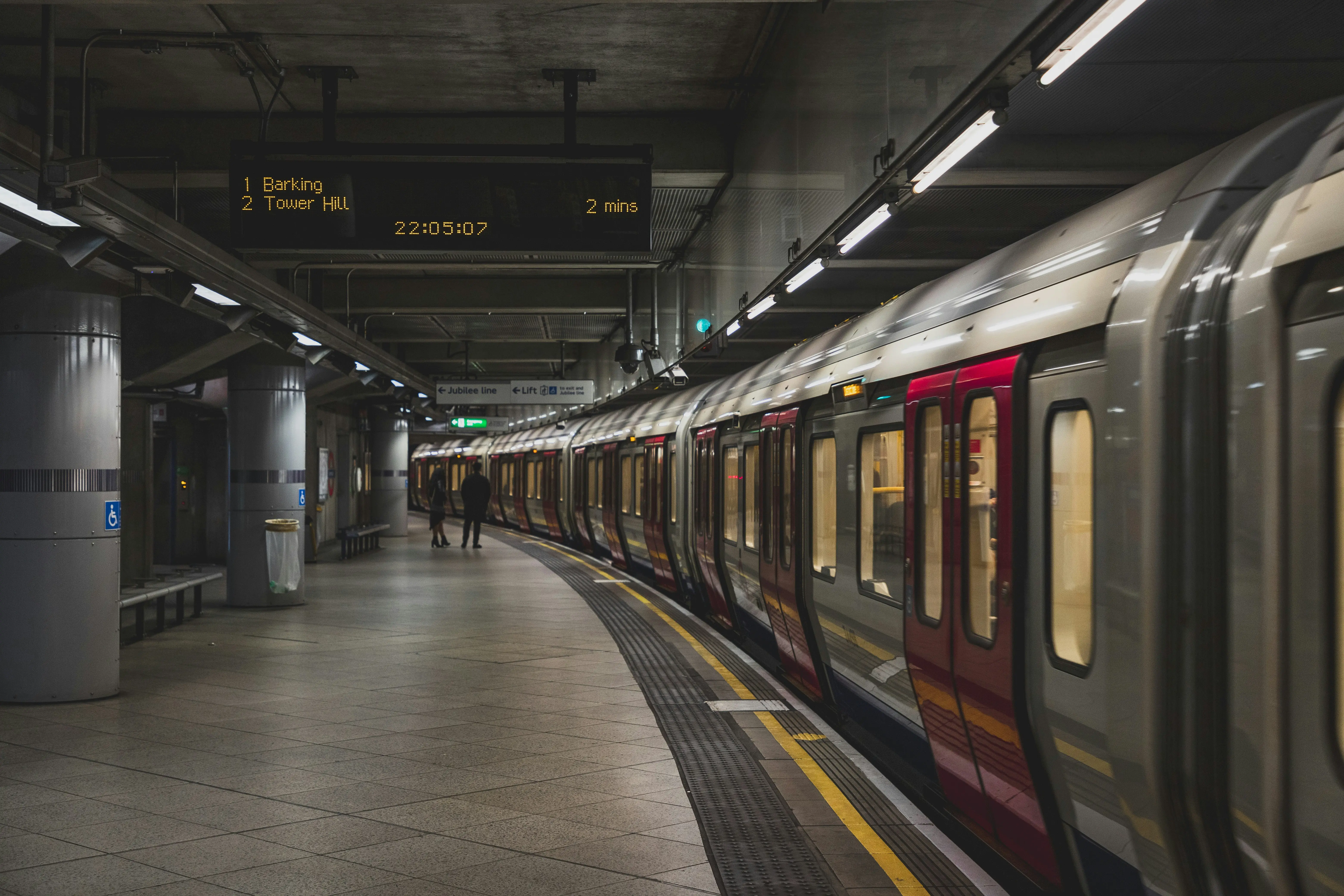
Metro Often Cheaper for Longer Distances
A viral Bengaluru case showed a trip for three people cost ₹180 on metro and ₹210 by auto on the same route, indicating metro can be cheaper especially with multiple passengers.
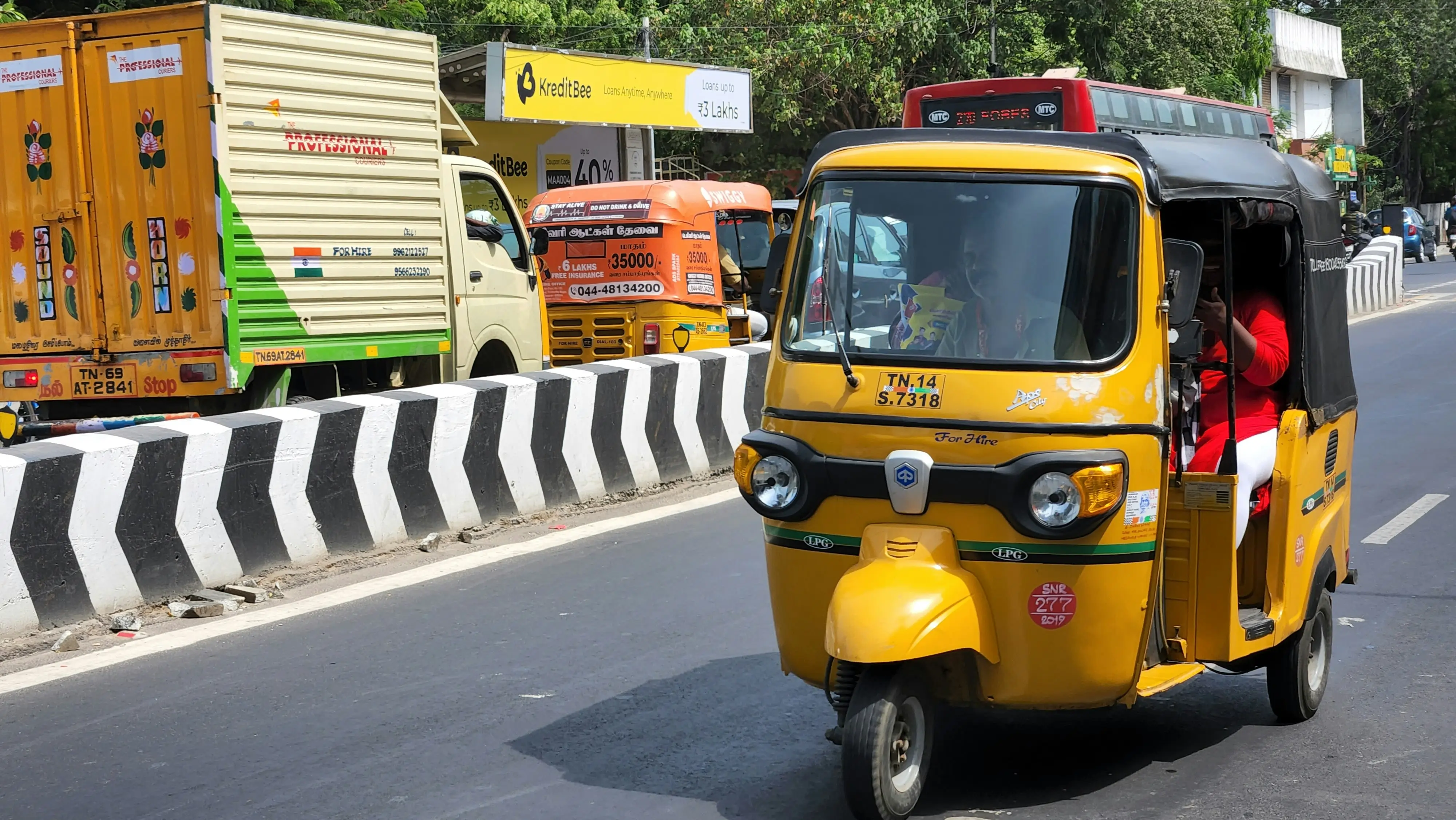
Auto Rickshaws Are Convenient but Cost More
Auto fares fluctuate with traffic and distance, often costing up to twice the metro fare for long routes. Autos provide door-to-door service but can take longer due to congestion.

Recent Metro Fare Hikes Affect Cost Advantage
Bengaluru metro fares doubled recently, leading to a 13% drop in ridership. Despite hikes, metro remains cheaper than autos and taxis on many routes.

Time Factor Favors Metro Travel
Metros typically take 20-25 minutes for routes where autos can take double or longer, especially during peak hours, making metros faster though some consider it less flexible.
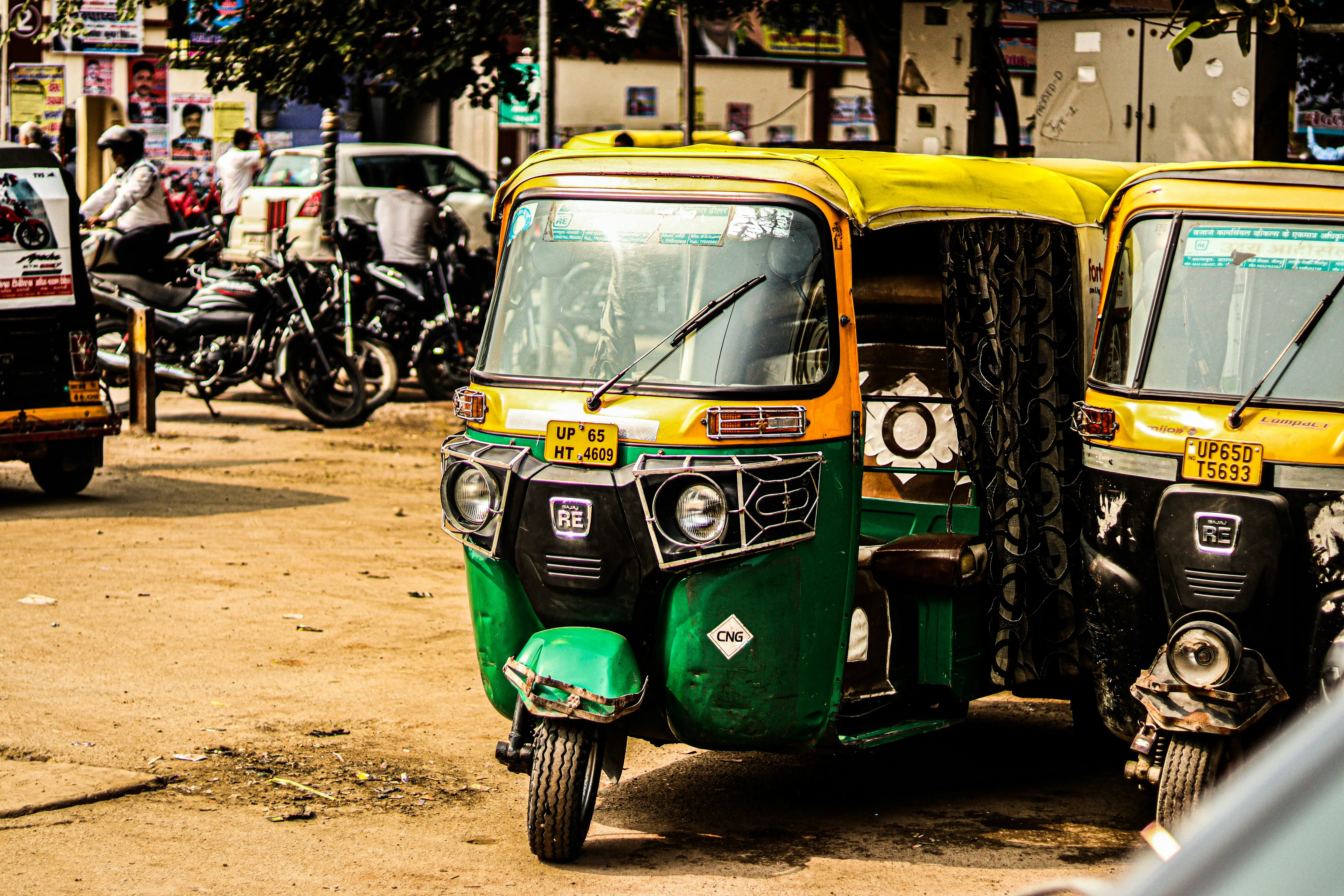
Last-Mile Connectivity Adds to Metro Costs
Commuters often spend extra on last-mile travel (buses, autos), which can reduce metro’s cost advantage, sometimes making total metro commute cost similar to autos.
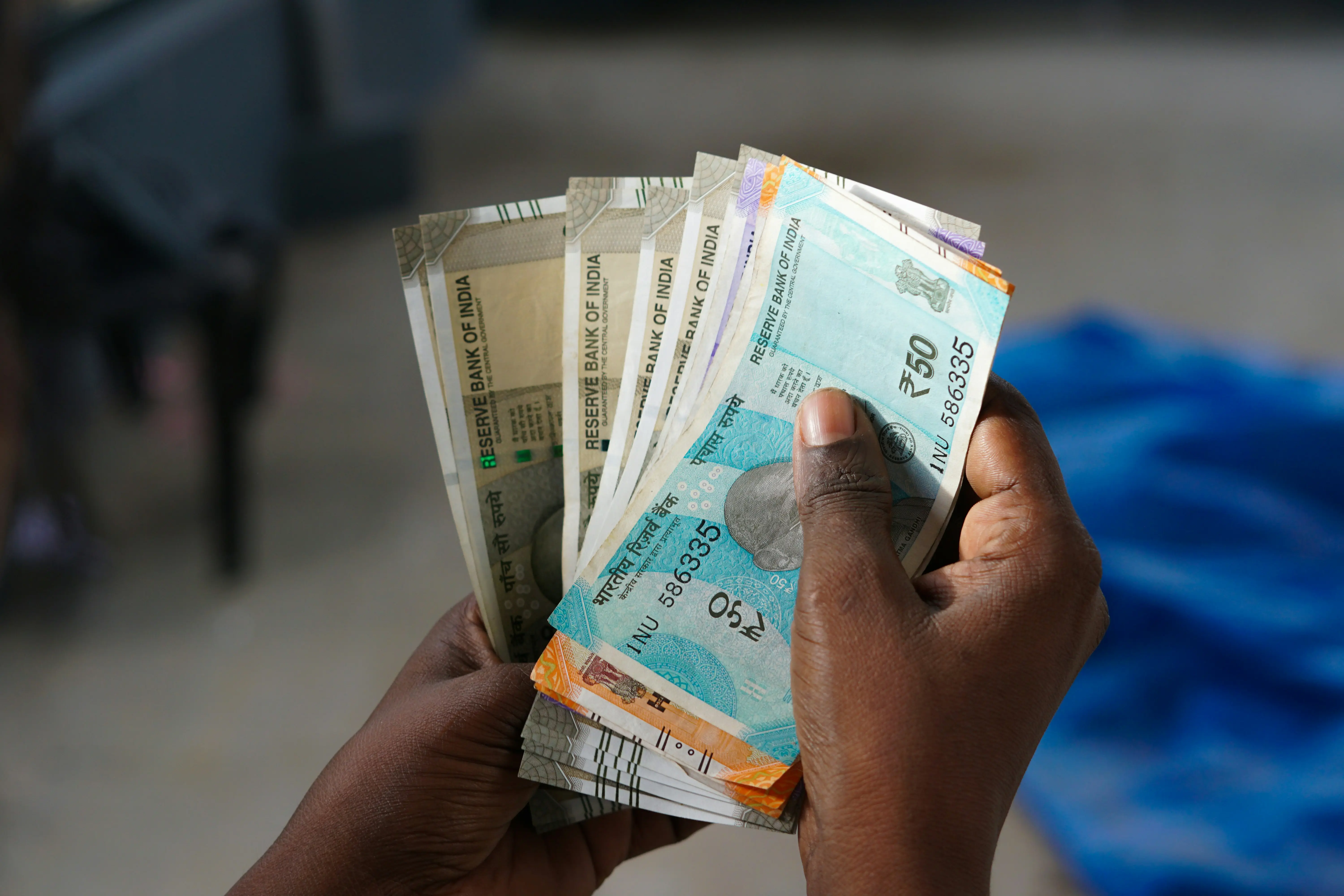
Metro Offers Comfort and Safety Benefits
Metro travel provides air conditioning and safer rides. Many commuters prefer it for comfort despite slightly higher costs compared to autos on short distances
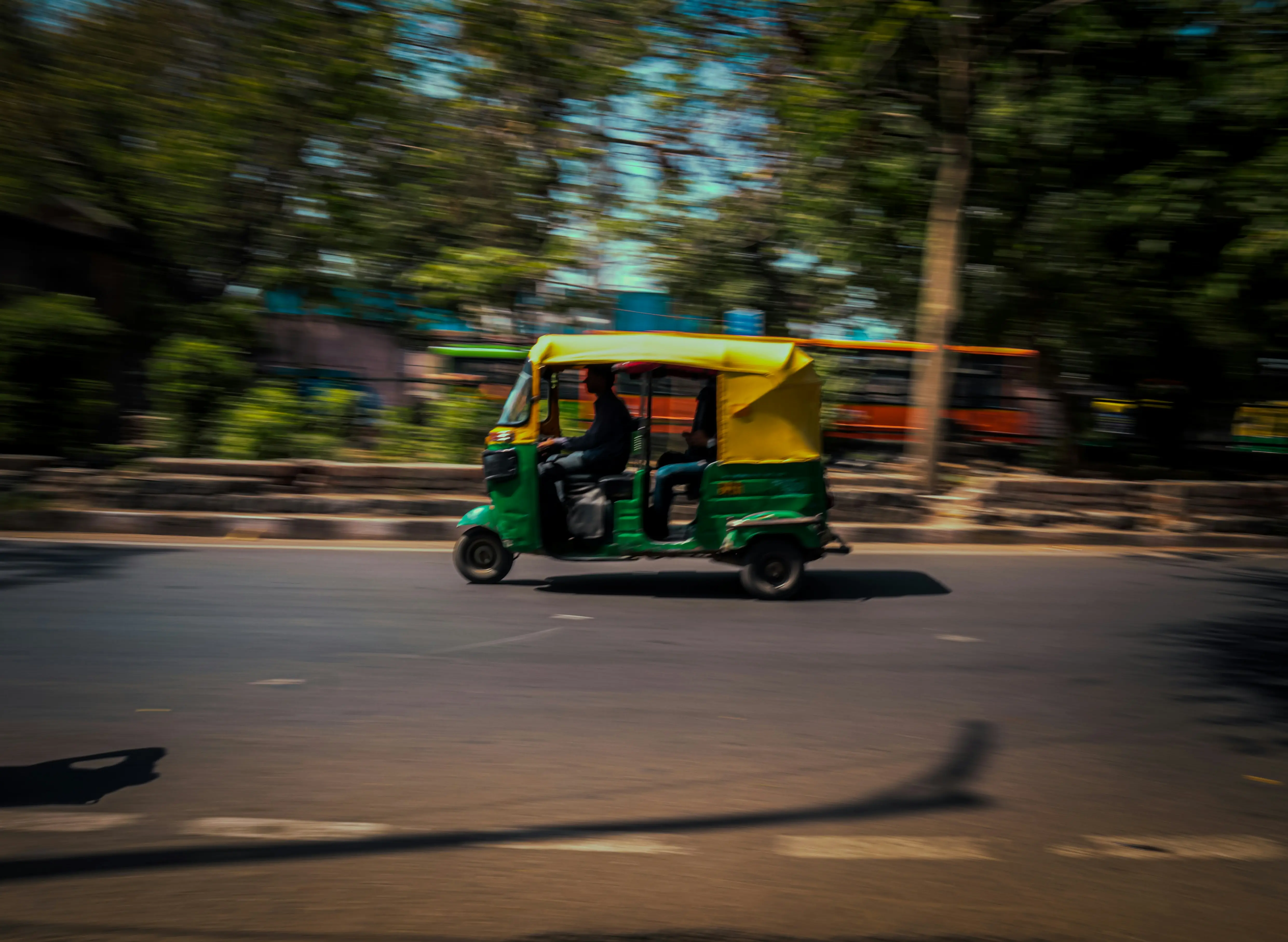
Auto Remains Popular for Short Distances and Flexibility
Autos dominate short-distance travel due to easy availability and flexibility despite often higher fares. Metro suits longer distances and bulk commuters, balancing cost and convenience.
)
)
)
)
)