Memory lost at 70,000 feet: The day a U-2 spy jet pilot forgot how to fly mid-flight

With his cognitive functions impaired, Henry momentarily lost the ability to understand how to control the aircraft, a situation as dangerous as it sounds.
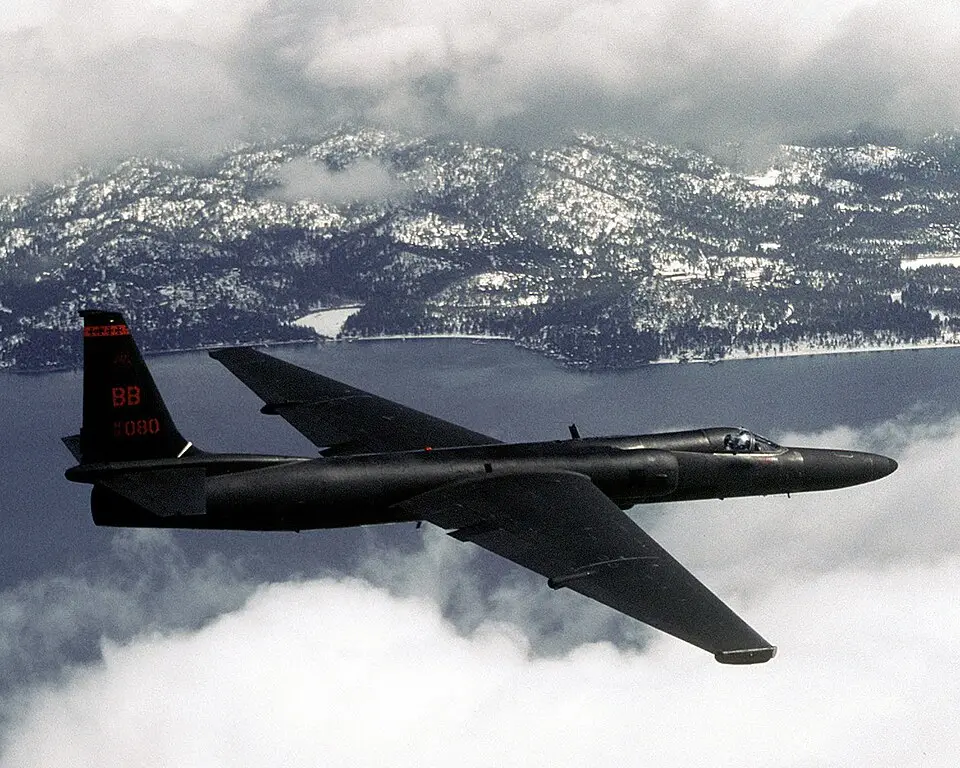
The Enigma of the U-2 Spy Plane
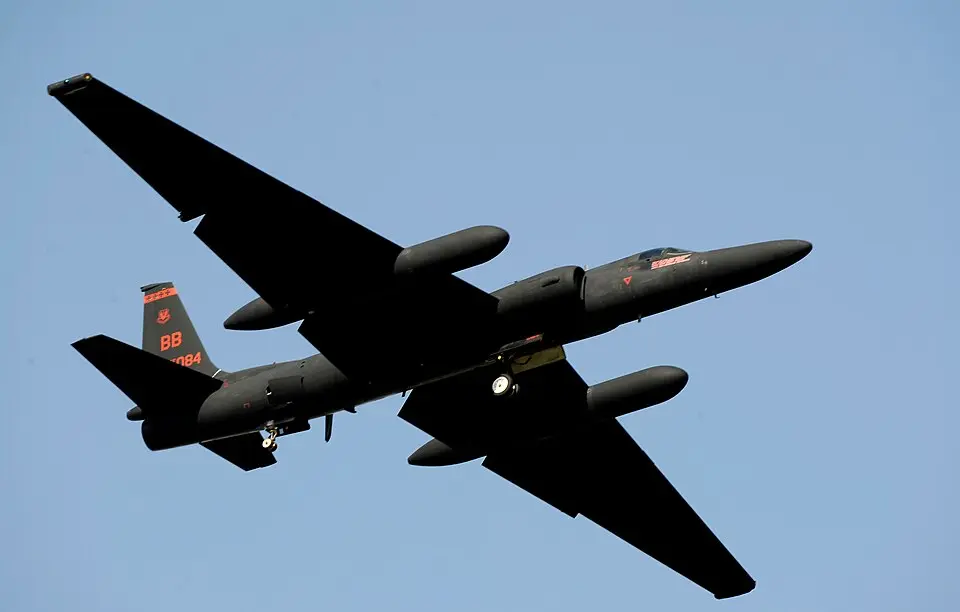
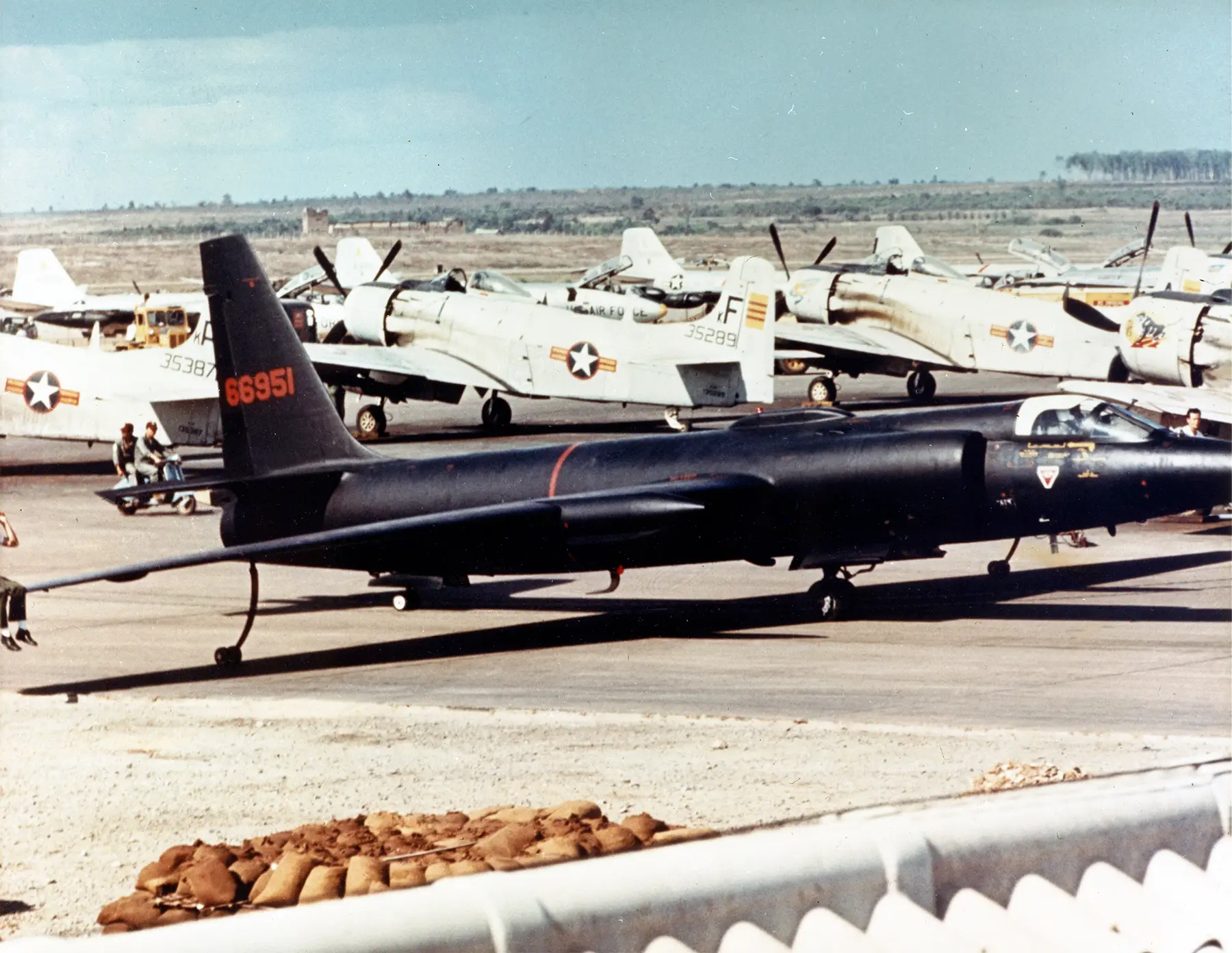
Developed in the 1950s by Lockheed's Skunk Works, the US Air force's U-2 Dragon Lady was built for covert surveillance at altitudes above 70,000 feet (21 km). At this height, the thin air let it fly beyond the reach of enemy missiles and aircraft. Its cameras captured details as fine as two-and-a-half feet from the edge of space. Despite its strategic value, the aircraft’s design posed enormous challenges. It was notoriously hard to fly, with fragile wings and an extremely narrow speed margin at high altitude.
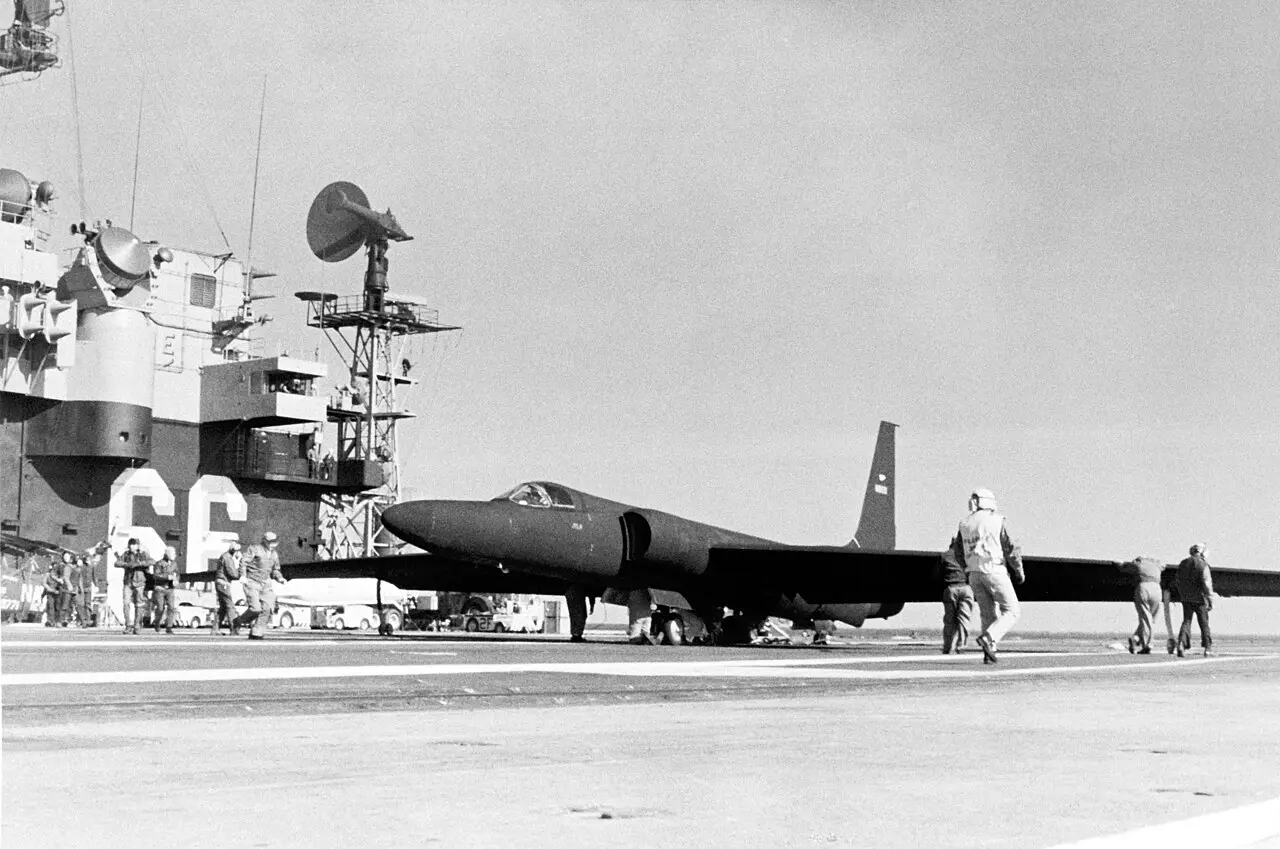
A Routine Mission Turns Perilous
In one such bizarre incidents, a US Air Force U-2 pilot, Lt. Col. Kevin Henry, was two hours into a surveillance flight over Afghanistan when he suffered decompression sickness at around 70,000 feet. Nitrogen bubbles formed in his brain, triggering hallucinations, vomiting, and profound disorientation. With his cognitive functions impaired, Henry momentarily lost the ability to understand how to control the aircraft, a situation as dangerous as it sounds.
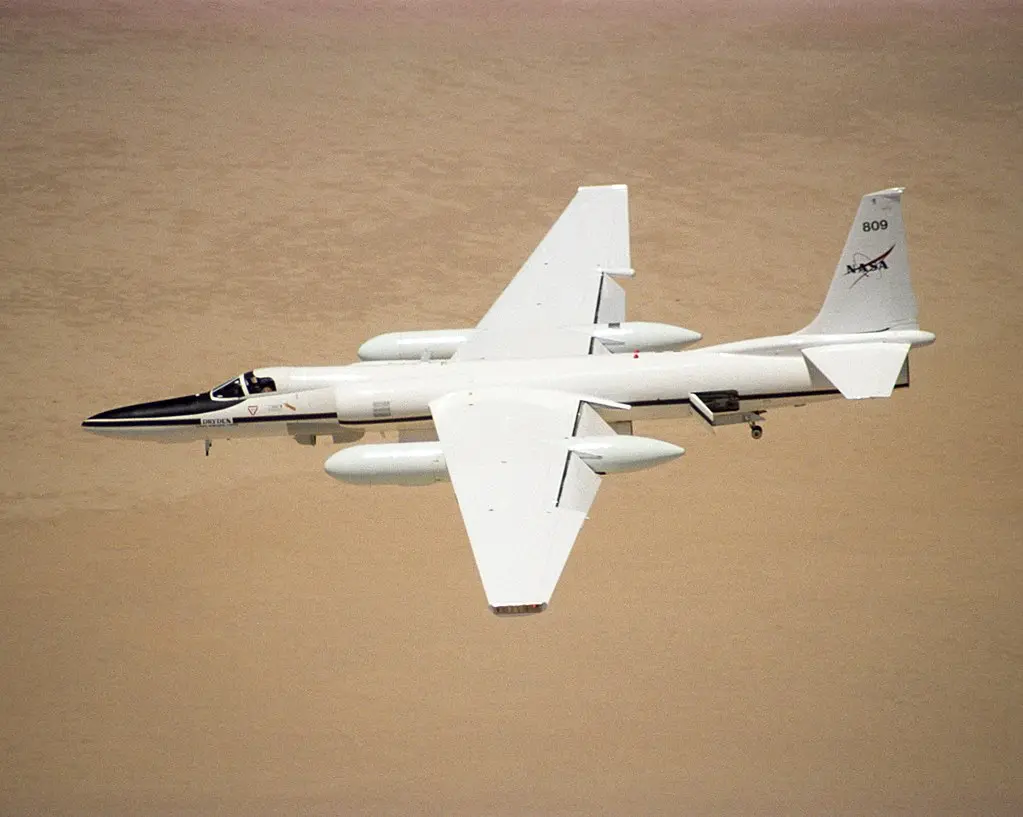
Fighting to Stay Conscious
Henry’s squadron commander, Lt. Col. Dave 'Super Dave' Russell, guided him remotely over radio from Beale Air Force Base in California. At risk of straying into hostile airspace, Henry was urged to correct course, despite barely knowing east from west. Disoriented, Henry banked the U-2 in the wrong direction, forcing Russell to coach him through multiple turns to avoid danger.
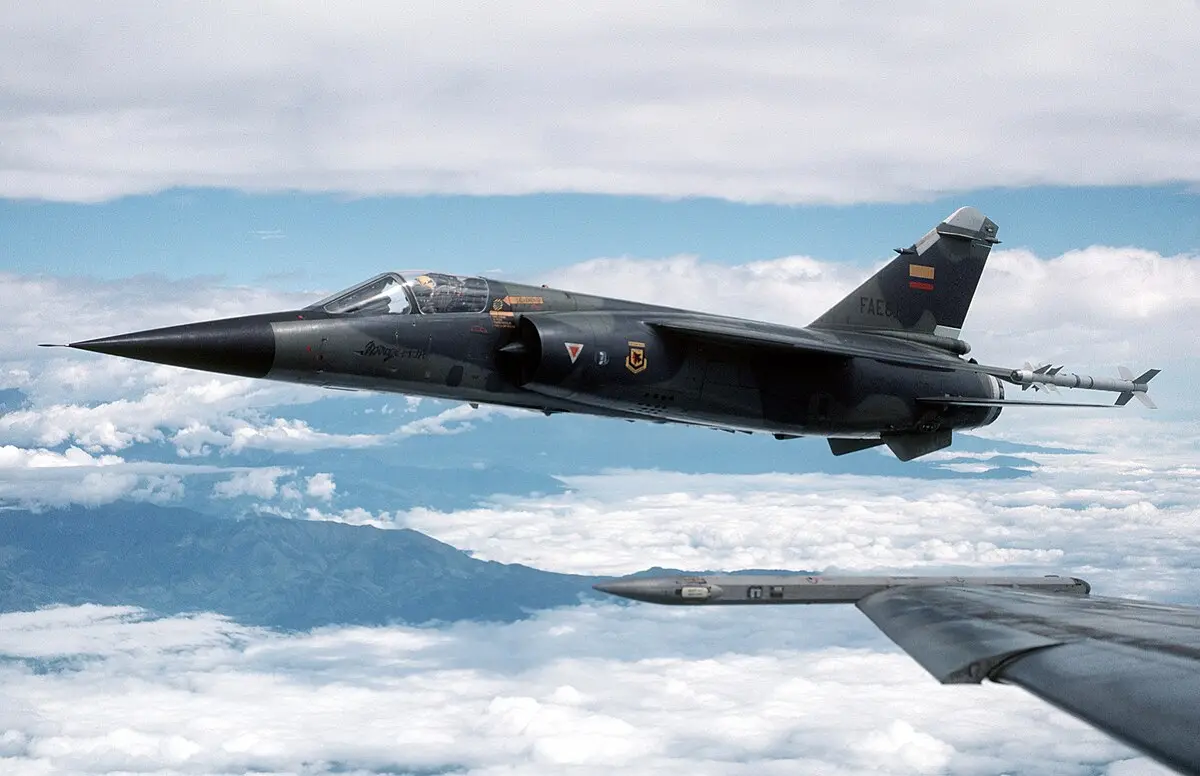
The Mirage Escort
Fighter jets from a nearby allied nation, flying Dassault Mirages, intercepted Henry’s U-2. The Mirage pilots risked their own safety by flying at dangerously slow speeds alongside the U-2, a move known as a 'sabre dance'. Their goal was to physically guide Henry to the runway by flying just ahead of him, despite the risk of stalling.
A Battle with the Aircraft
Amid hallucinations, Henry struggled to lower the landing gear and lost sight of instruments. At one point, the U-2 entered a full stall spiral towards the ground. Hearing the stall warning, Russell instructed the Mirages to fly close enough that the turbulence jolted Henry back to awareness. Henry recovered, though he still had no memory of the critical minutes that followed.
Landing Against the Odds
For nearly 45 minutes, Henry circled the airfield, skimming hangars and buildings. Photographs captured the aircraft flying so low it could be seen through open hangar doors. Despite blackouts and vomiting that shorted his microphone, Henry finally aligned with the runway and landed with the wings level, a feat his colleagues described as nothing short of miraculous.
The Legacy of the U-2
The U-2 remains in service decades later, proving its enduring value in reconnaissance. Yet, its unique design and extreme operating altitude demand absolute physical and mental resilience from pilots. Henry’s survival is often cited as one of aviation’s most remarkable saves.
)
)
)
)
)