Meet the world’s largest submarine: A 48,000-ton Soviet giant with nukes and a swimming pool

Commissioned in the early 1980s, the Typhoon-class, known in Russia as Project 941 Akula, emerged directly from Cold War nuclear rivalry.
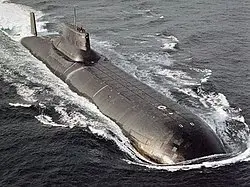
Russia’s 48,000 Ton Typhoon-Class Submarine
At over 48,000 tons, the Soviet Union’s Typhoon-class submarines stunned the world not just with sheer size, but with their secretive missions beneath Arctic ice. Built to outlast a nuclear first strike and shadow enemy waters for months, they blurred the line between fortress and weapon. With unheard-of onboard comforts and enough missiles to threaten entire continents, these cold war leviathans remain among naval history’s most ambitious and mysterious feats, relics of a time when silent giants prowled the depths, unseen yet ever ready.
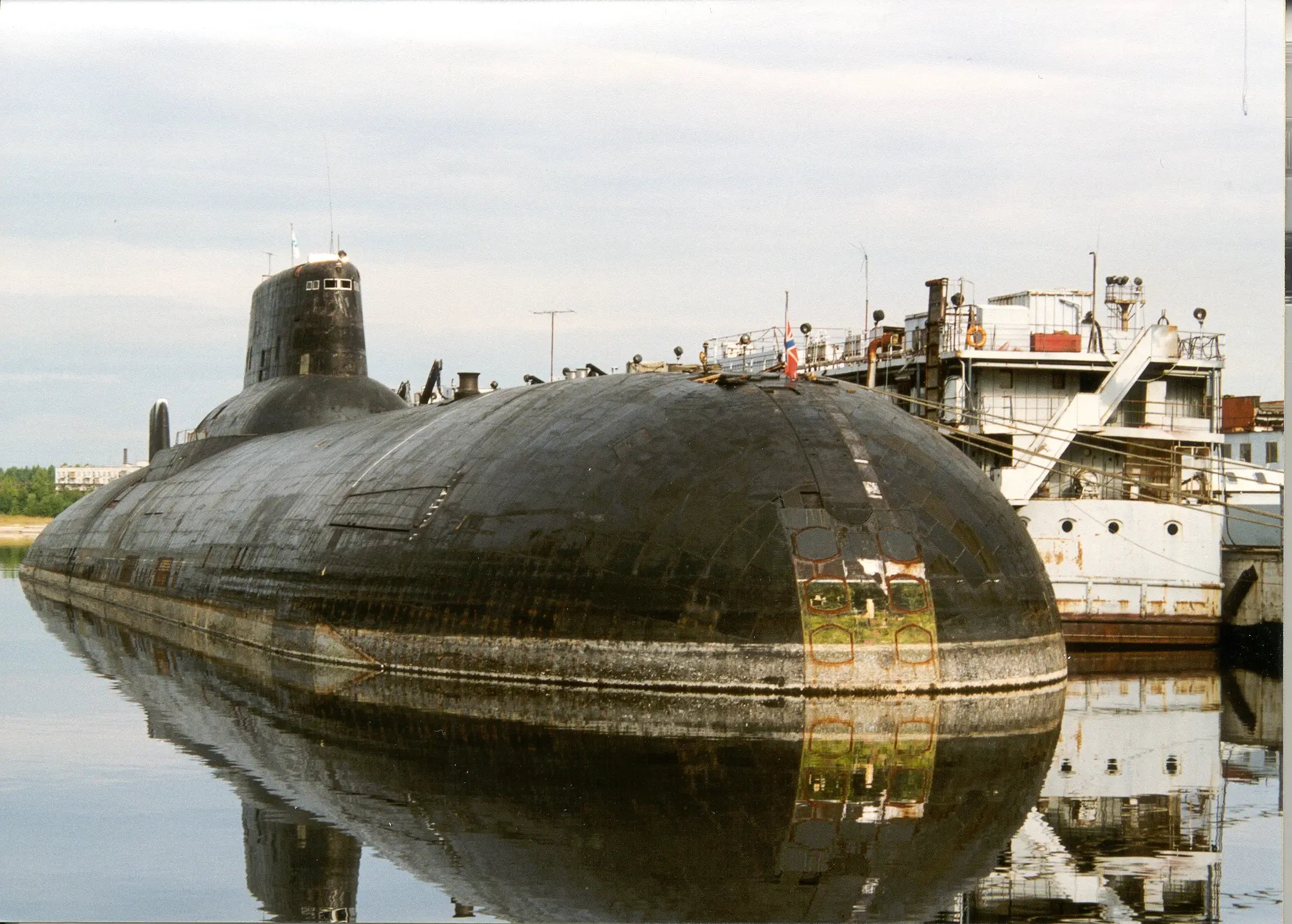
Cold War giants: why they were built
Commissioned in the early 1980s, the Typhoon-class, known in Russia as Project 941 Akula, emerged directly from Cold War nuclear rivalry. Designed to counter the United States’ Ohio-class submarines, their primary purpose was to ensure that Soviet nuclear forces could survive a first strike and retaliate. This concept, called second-strike capability, drove the need for vessels that could remain hidden under Arctic ice for months.
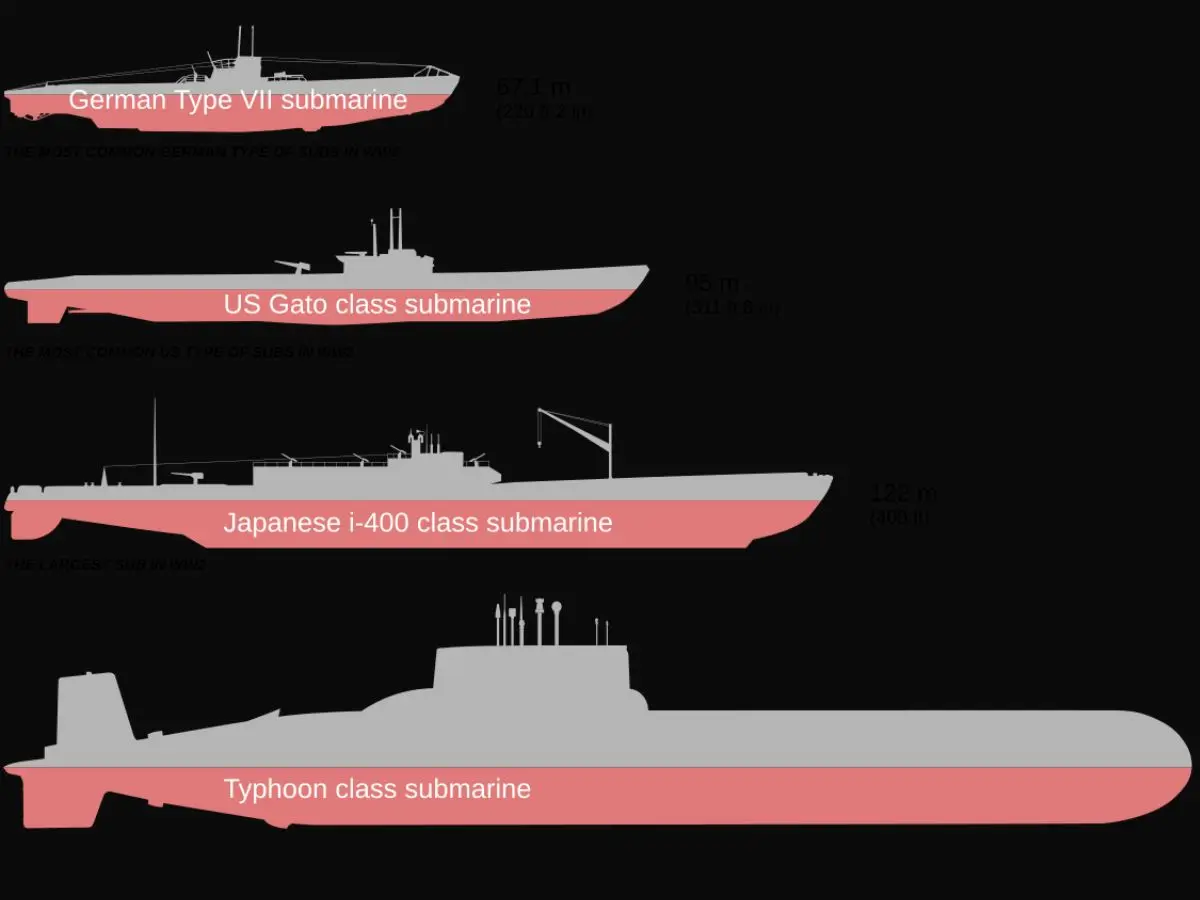
Engineering feats: sheer size and surprising comfort
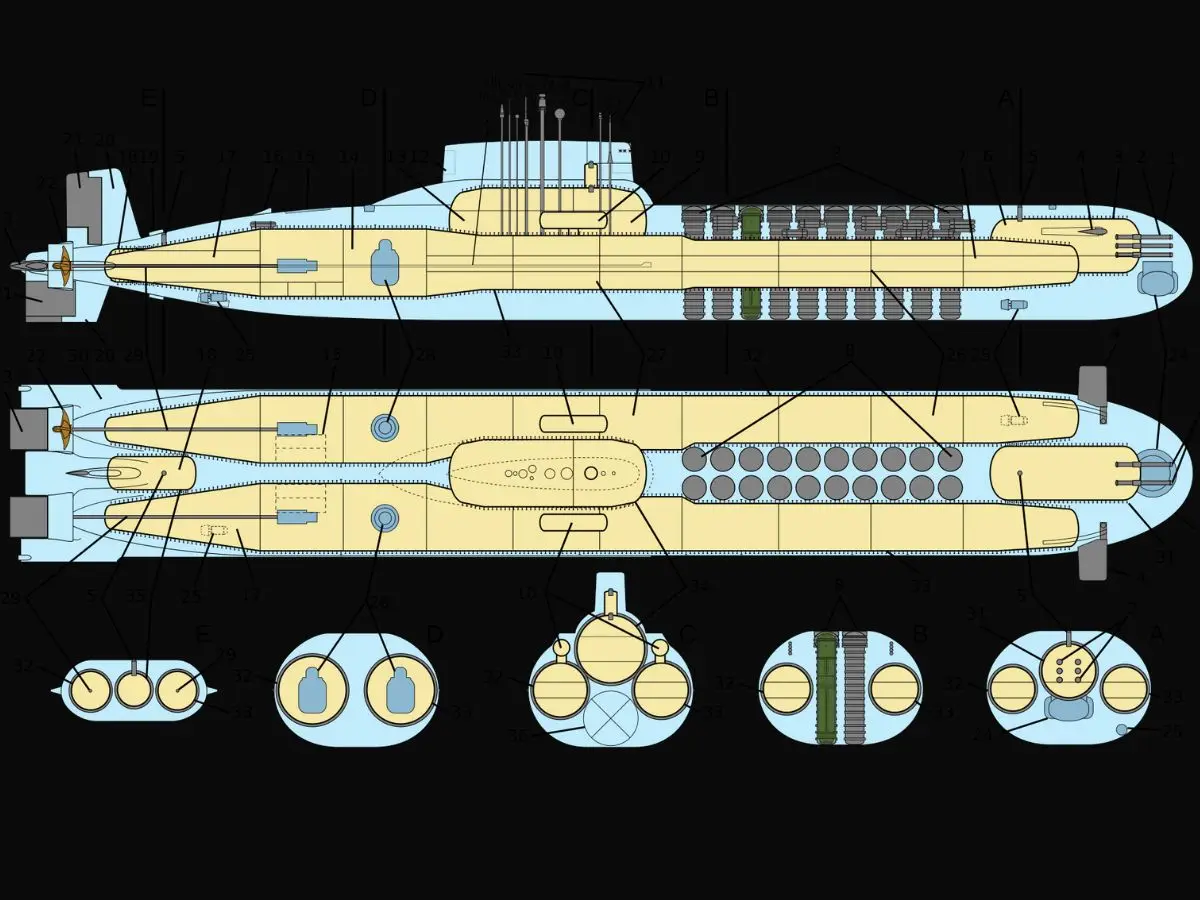
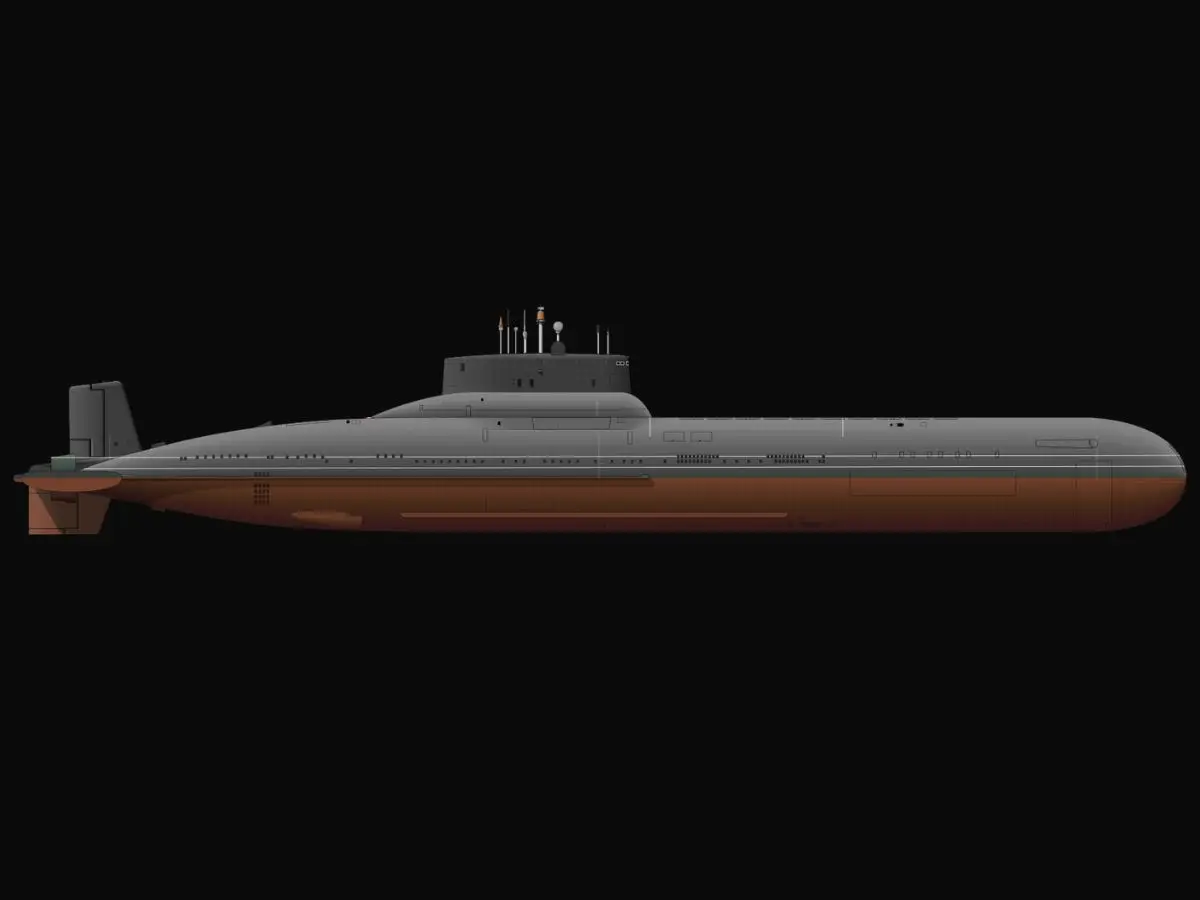
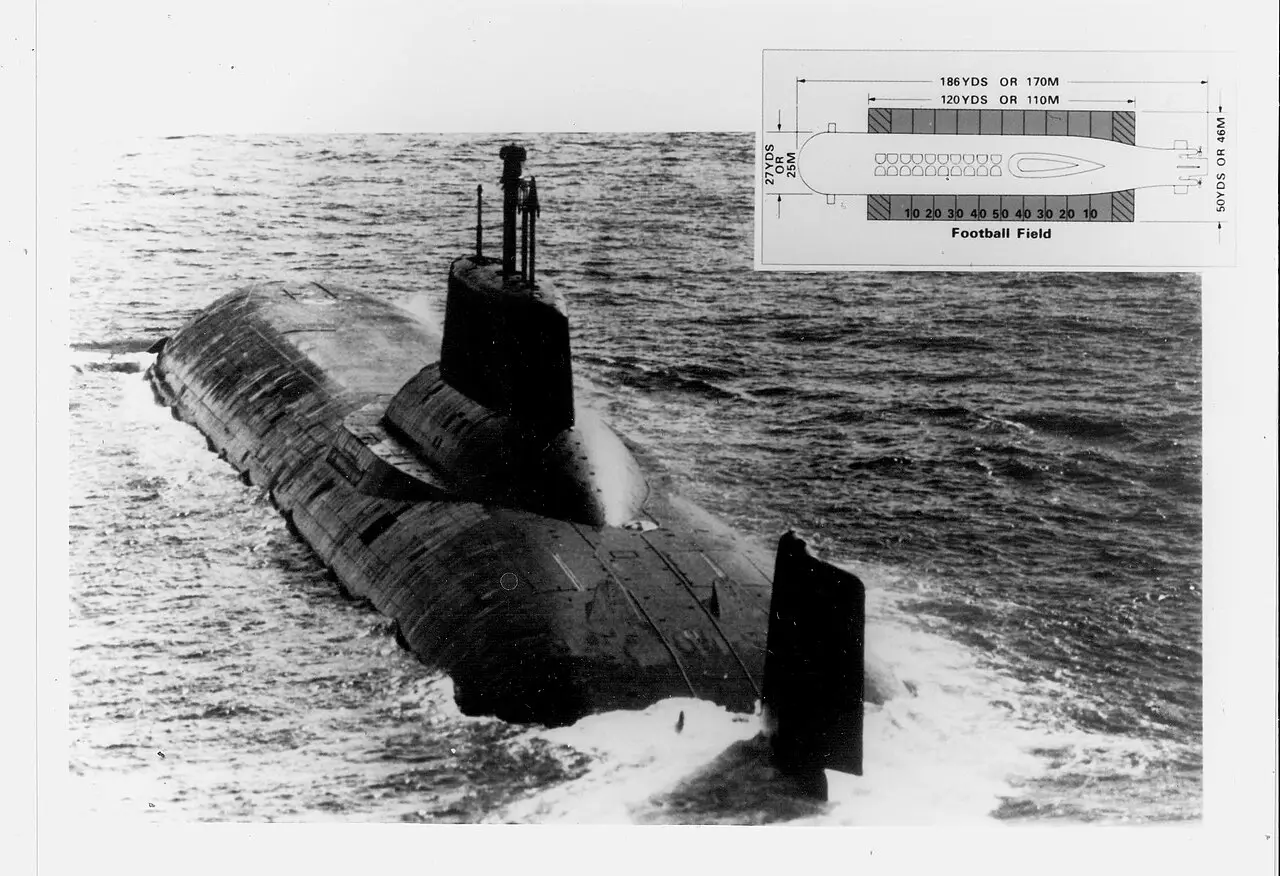
Each Typhoon measured roughly 175 metres in length and 23 metres across the beam, with a double-hull design that made them incredibly robust. Powered by two nuclear reactors, these submarines could stay submerged for up to 120 days. What set them apart, however, was their sheer scale and the amenities on board. Crews of around 160 sailors had access to a swimming pool, sauna and even a gym, rare luxuries intended to maintain morale during long polar deployments.
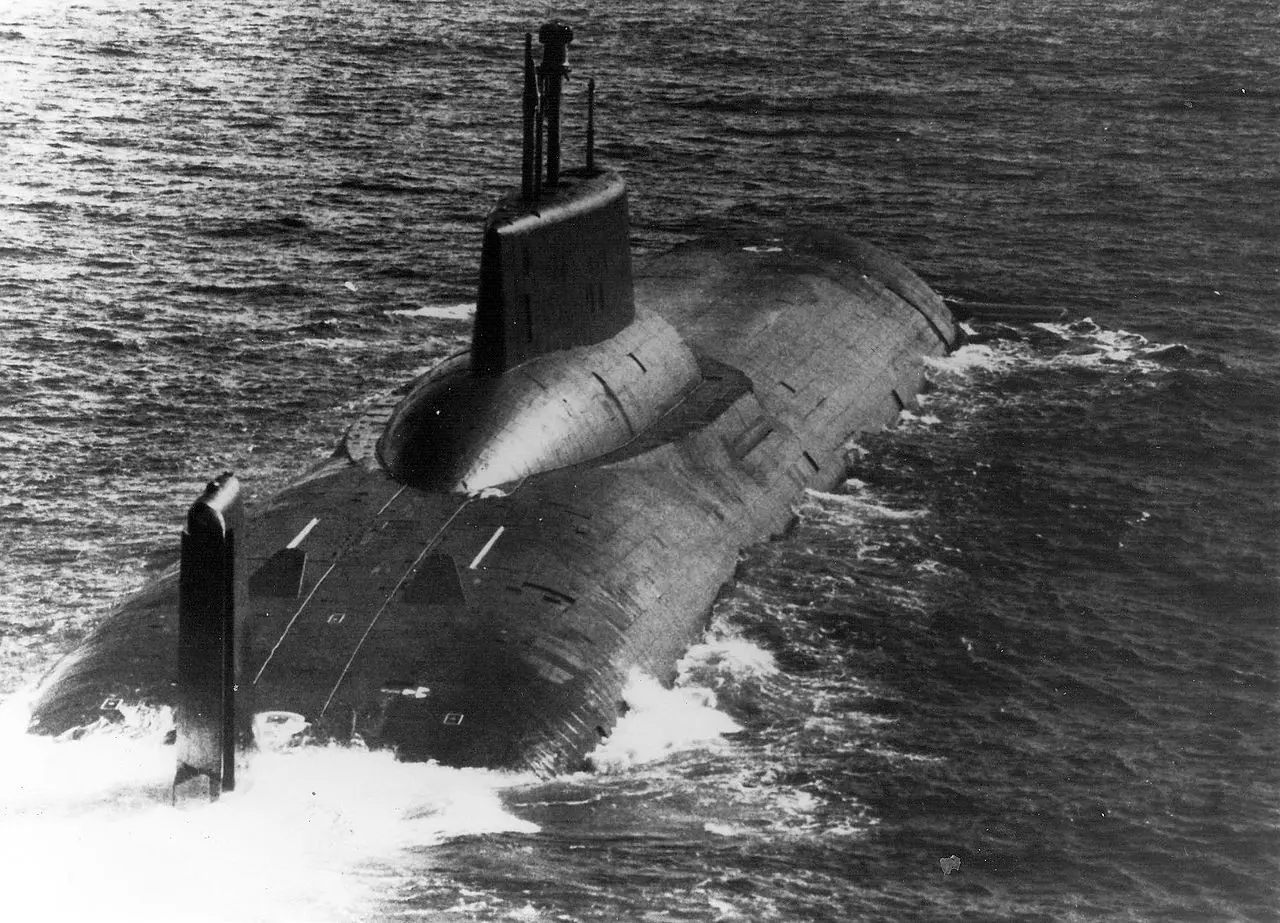
Nuclear payload: the real power below the ice
The Typhoons carried 20 R-39 Rif submarine-launched ballistic missiles, each missile around 16 metres long and weighing over 90 tons. With multiple independently targetable re-entry vehicles (MIRVs), a single submarine could theoretically strike dozens of targets. Together with advanced torpedo systems, the Typhoon-class embodied the Soviet Navy’s ambition to match or exceed Western nuclear deterrent power.
Operations and secrecy: rarely seen but never forgotten
Despite their formidable design, Typhoon-class submarines were never used in direct combat. Instead, they silently patrolled under ice, a presence meant to be felt rather than seen. Details about their operations were kept highly classified, but occasional footage and Western intelligence confirmed their existence. Their enormous size and distinctive twin conning towers made them a subject of fascination and speculation.
Hidden facts and legacy
Only six Typhoon-class subs were completed, starting with the lead boat Dmitry Donskoy in 1980. The cost of building and operating them was enormous, contributing to the economic pressures that strained the Soviet Union in its final decade. By the early 21st century, most were retired or scrapped under arms reduction treaties. The Dmitry Donskoy remained in service the longest, used mainly for testing new missile systems until 2021.
Icons of a nuclear era
The Typhoon-class submarines remain unmatched in scale and ambition. Built for a world that feared sudden nuclear annihilation, they never launched a missile in anger. Yet they stand as a testament to the extremes of Cold War engineering, combining raw military power with unexpected human comforts beneath the ice.
)
)
)
)
)