Meet the SR-71 Blackbird: The world’s fastest jet ever built, reaching speeds of up to 3,500 kmph

Authored By Subhadra Srivastava
Published: May 12, 2025, 09:00 IST | Updated: May 12, 2025, 09:00 IST
First flown in 1964, its top speed of 3530 kmph (Mach 3.2) and operational ceiling of 85,000 feet made it a technological marvel. It officially entered service in 1966.
1 / 16
Introduction
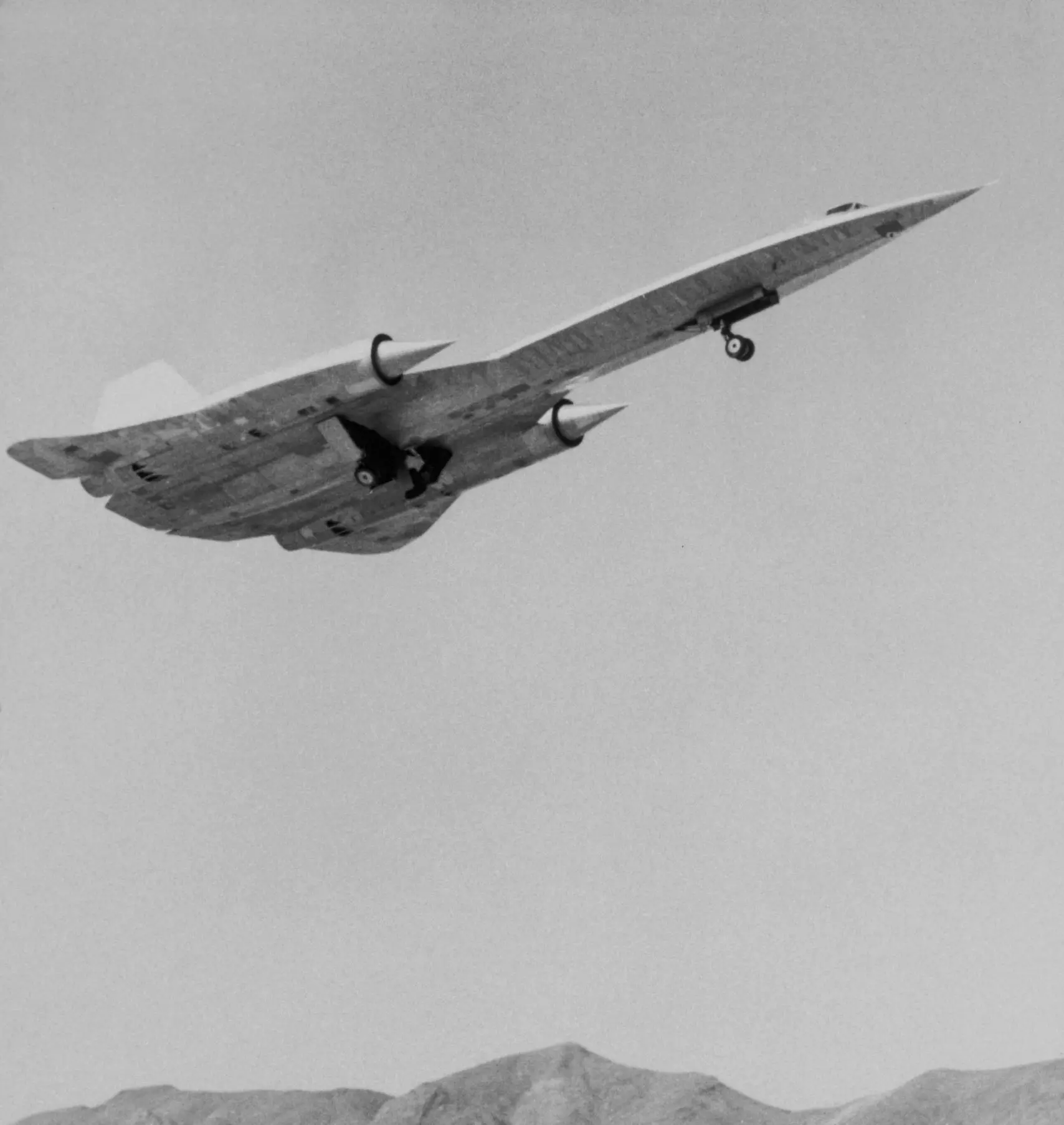
The Lockheed SR-71 Blackbird, developed during the Cold War, remains the fastest manned air-breathing aircraft in history, setting records that have yet to be surpassed. It was a long-range, high-altitude, strategic reconnaissance aircraft designed and manufactured by Lockheed. First flown in 1964, its top speed of 3530 kmph (Mach 3.2) and operational ceiling of 85,000 feet made it a technological marvel.
2 / 16
Cold War superweapon
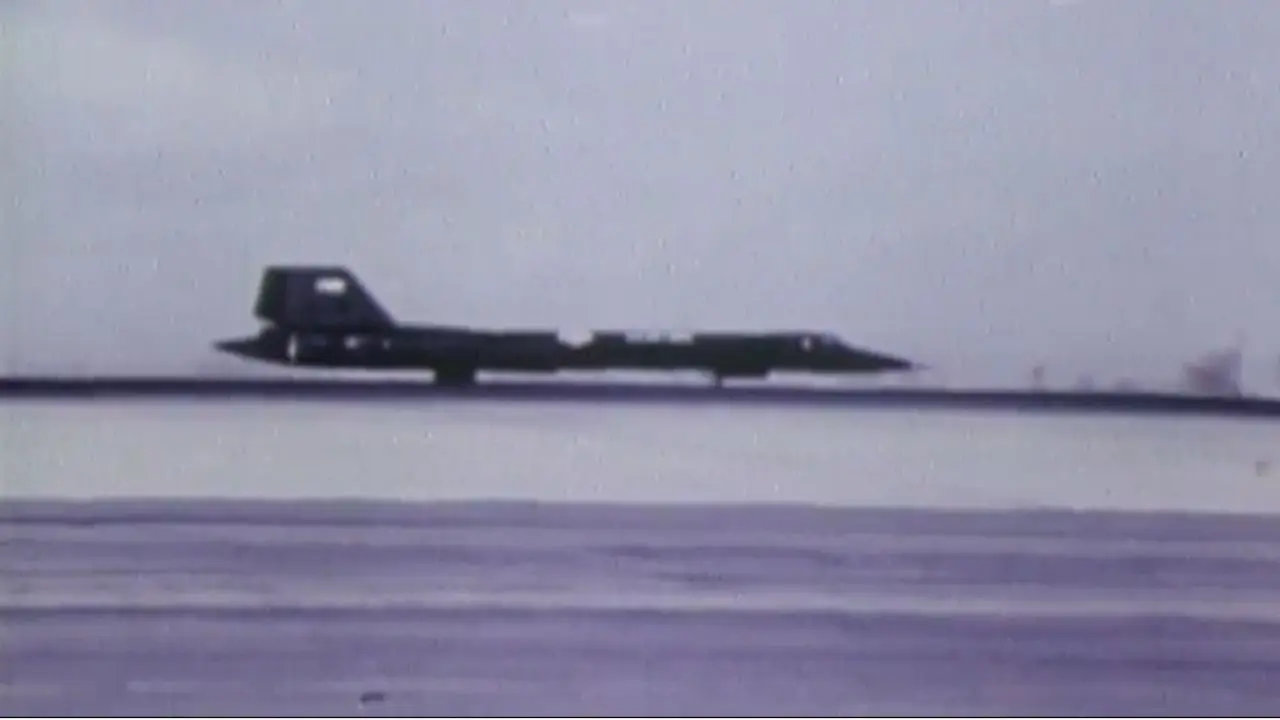
Designed by Clarence 'Kelly' Johnson at Lockheed’s Skunk Works, the SR-71 was the United States’ answer to escalating threats of Soviet air defence. It was used to gather intelligence over enemy territory. It officially entered service in 1966, operating primarily as a strategic reconnaissance aircraft with unbeatable speed and stealth.
3 / 16
Speed beyond reach
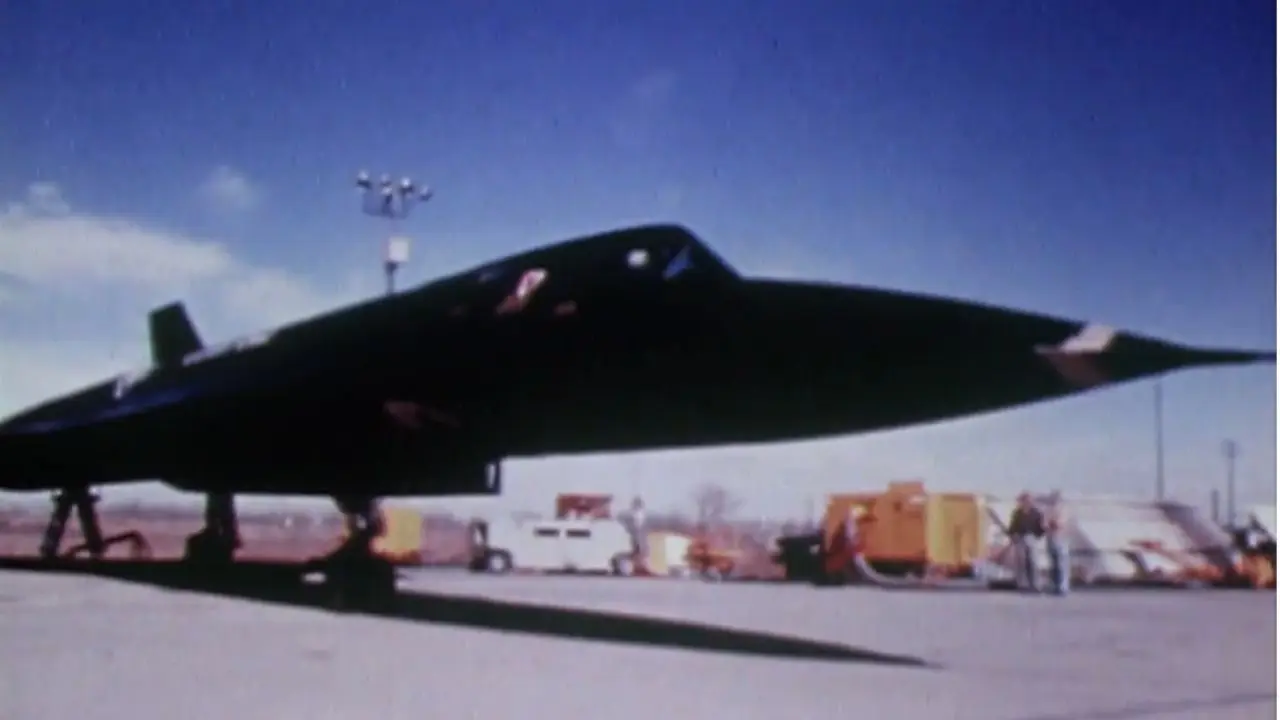
The SR-71 wasn’t just fast, but it was consistently fast. no real analogue, the closest counterpart being the far more conventional Soviet MiG-25R. But, unlike the Soviet MiG-25, which could reach Mach 3.2 only in short bursts risking engine damage, the Blackbird could cruise at Mach 3+ for hours, powered by two Pratt & Whitney J58 turbojet engines that operated partly as turboramjets.
4 / 16
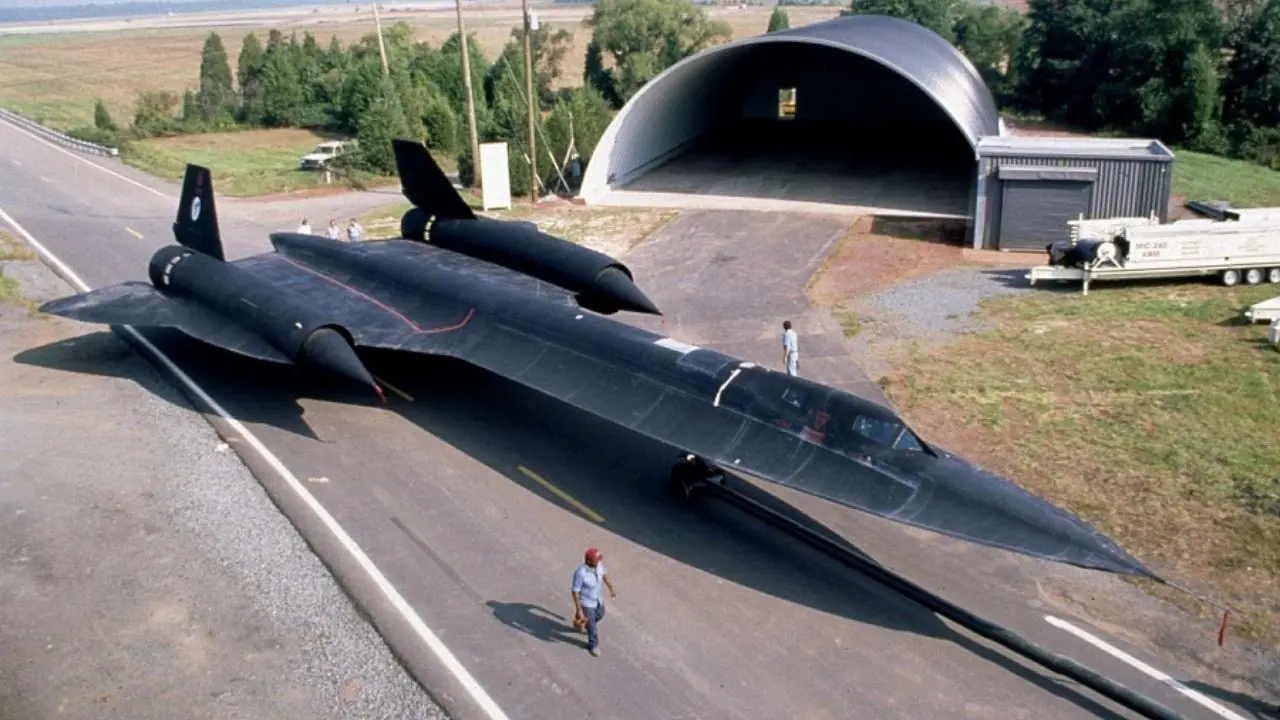
Stealth before stealth
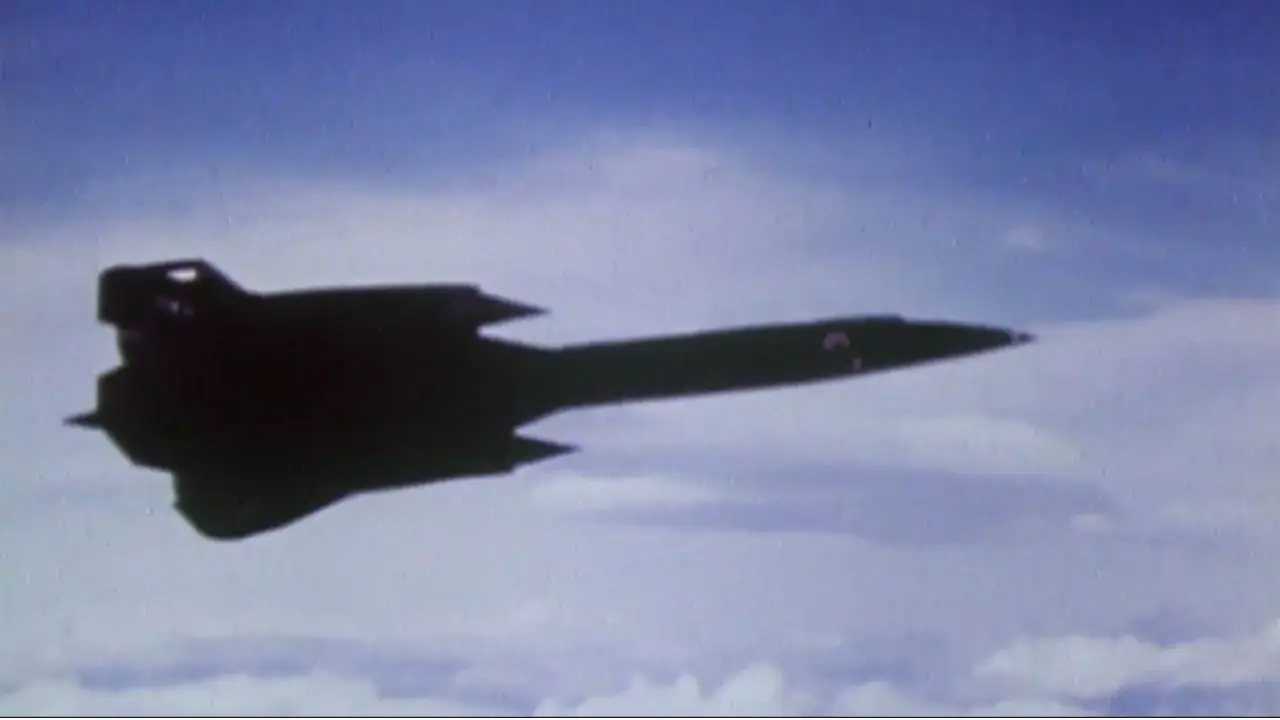
Though not invisible, the Blackbird was the first that incorporated early radar-evading design. With a radar cross-section of just 0.1 m², its shape and black radar-absorbent paint earned it the nickname 'Blackbird'. One official noted, 'By the time enemy radars saw it, it was already gone.'
5 / 16
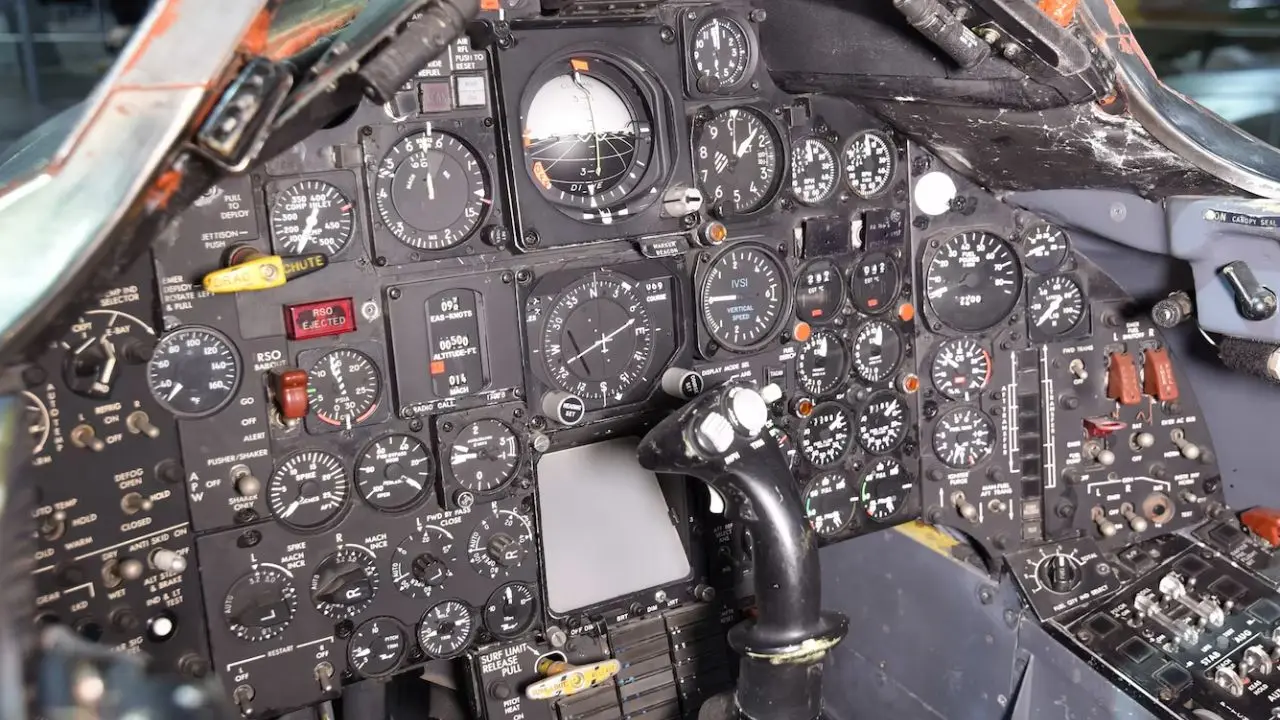
Dodging 4,000 missiles
Over its career, the aircraft had more than 4,000 missiles fired at it—and not one ever hit. Its combination of velocity, altitude, and planning made it nearly untouchable.
6 / 16
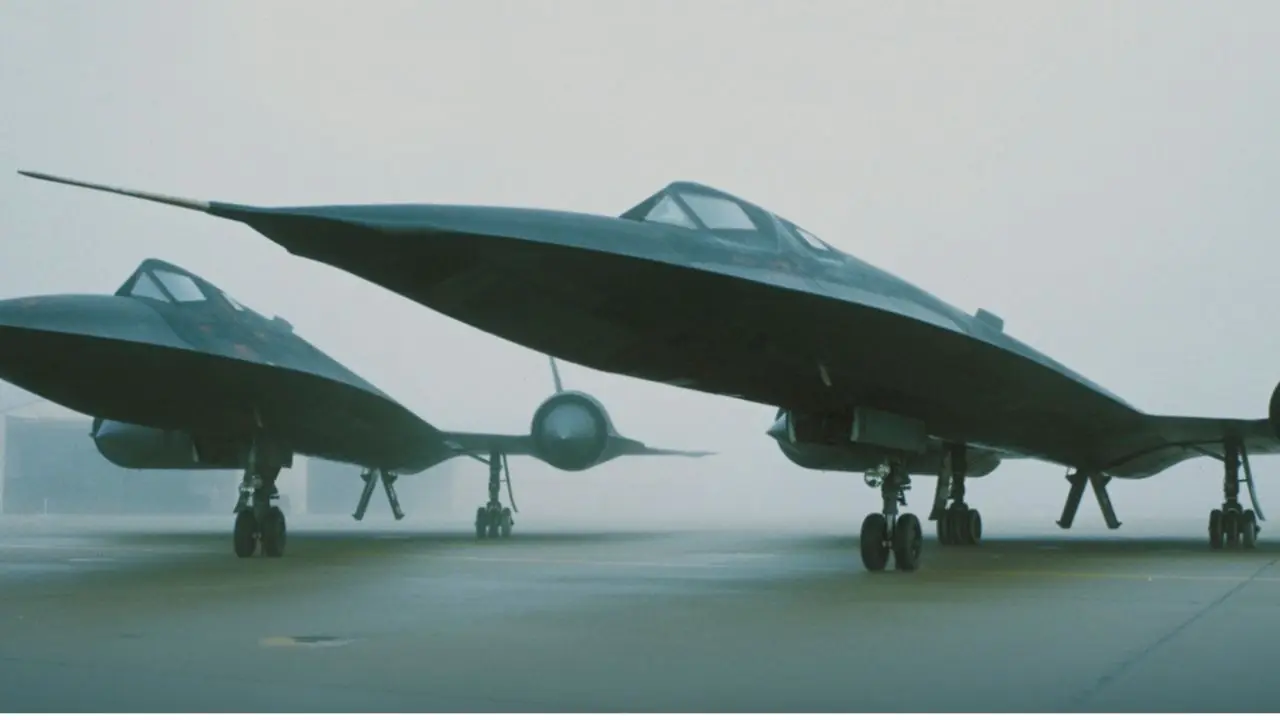
Losses and legacy
Of the 32 aircraft built, 12 were lost, but none to enemy fire. The only known fatality was of Lockheed engineer Jim Zwayer. The Blackbird was retired by the USAF in 1998, citing high operational costs and the rise in the numbers of satellites and UAVs.
7 / 16
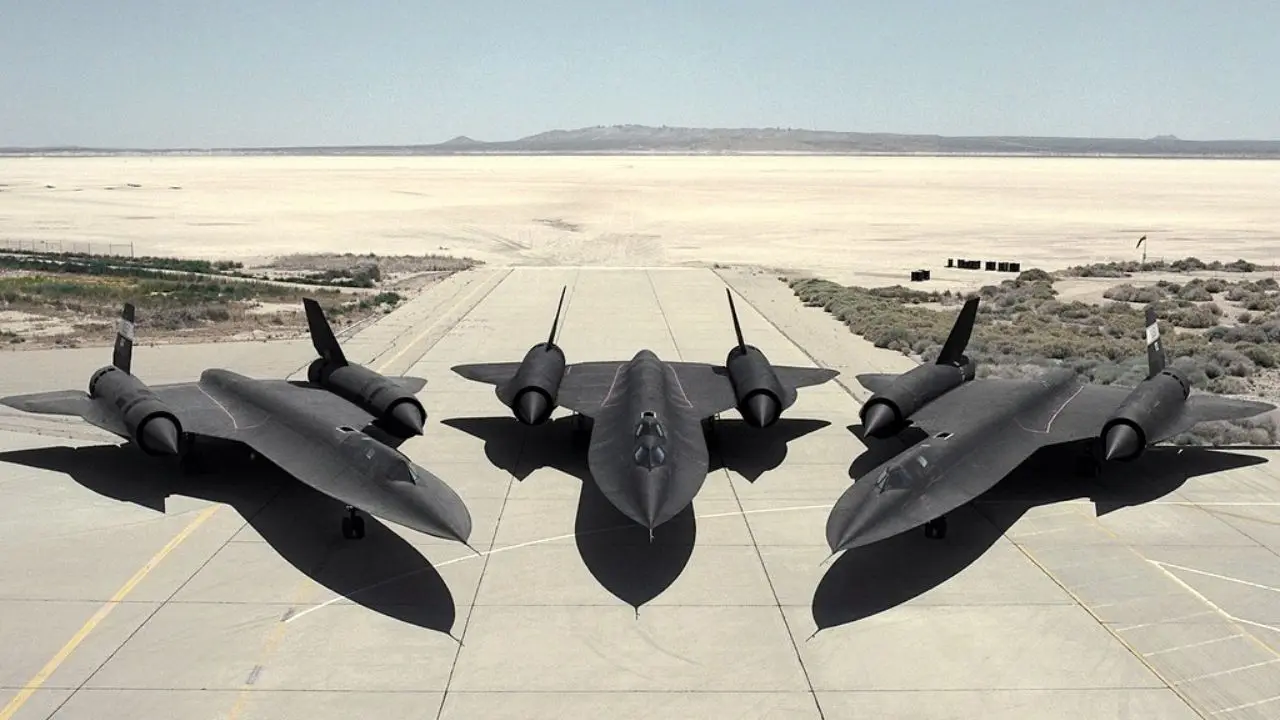
Where are they now?
Today, 20 SR-71s survive, that are housed in museums. Notable locations include the Smithsonian Udvar-Hazy Center in USA, the National Museum of the USAF, and the Europe’s American Air Museum at Duxford in England.
8 / 16
A true icon
Though long retired, the aircraft remains unmatched in speed and mystique. Its performance was 'like a bullet with wings', and till date, it captures the imagination as a symbol of Cold War ingenuity and aerospace excellence.
9 / 16
Introduction
The Lockheed SR-71 Blackbird, developed during the Cold War, remains the fastest manned air-breathing aircraft in history, setting records that have yet to be surpassed. It was a long-range, high-altitude, strategic reconnaissance aircraft designed and manufactured by Lockheed. First flown in 1964, its top speed of 3530 kmph (Mach 3.2) and operational ceiling of 85,000 feet made it a technological marvel.
10 / 16
Cold War superweapon
Designed by Clarence 'Kelly' Johnson at Lockheed’s Skunk Works, the SR-71 was the United States’ answer to escalating threats of Soviet air defence. It was used to gather intelligence over enemy territory. It officially entered service in 1966, operating primarily as a strategic reconnaissance aircraft with unbeatable speed and stealth.
11 / 16
Speed beyond reach
The SR-71 wasn’t just fast, but it was consistently fast. no real analogue, the closest counterpart being the far more conventional Soviet MiG-25R. But, unlike the Soviet MiG-25, which could reach Mach 3.2 only in short bursts risking engine damage, the Blackbird could cruise at Mach 3+ for hours, powered by two Pratt & Whitney J58 turbojet engines that operated partly as turboramjets.
12 / 16
Stealth before stealth
Though not invisible, the Blackbird was the first that incorporated early radar-evading design. With a radar cross-section of just 0.1 m², its shape and black radar-absorbent paint earned it the nickname 'Blackbird'. One official noted, 'By the time enemy radars saw it, it was already gone.'
13 / 16
Dodging 4,000 missiles
Over its career, the aircraft had more than 4,000 missiles fired at it—and not one ever hit. Its combination of velocity, altitude, and planning made it nearly untouchable.
14 / 16
Losses and legacy
Of the 32 aircraft built, 12 were lost, but none to enemy fire. The only known fatality was of Lockheed engineer Jim Zwayer. The Blackbird was retired by the USAF in 1998, citing high operational costs and the rise in the numbers of satellites and UAVs.
15 / 16
Where are they now?
Today, 20 SR-71s survive, that are housed in museums. Notable locations include the Smithsonian Udvar-Hazy Center in USA, the National Museum of the USAF, and the Europe’s American Air Museum at Duxford in England.
16 / 16
A true icon
Though long retired, the aircraft remains unmatched in speed and mystique. Its performance was 'like a bullet with wings', and till date, it captures the imagination as a symbol of Cold War ingenuity and aerospace excellence.
)

)
)
)