Meet India’s HF-24 Marut: A fighter jet designed by a former Nazi scientist, meant to go supersonic

Despite its limits, the HF-24 saw action in the 1971 Indo-Pak war, flying ground-attack missions in Rajasthan and the western sector.
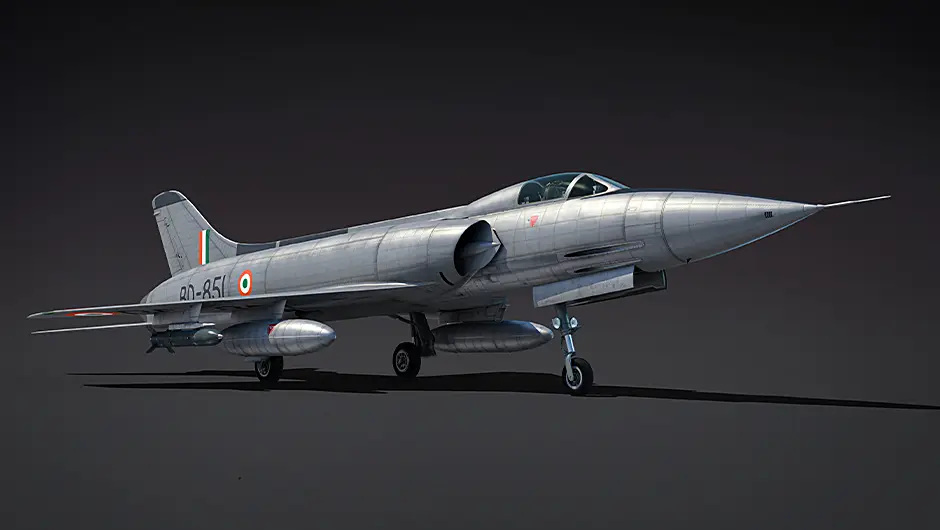
What Was the HF-24 Marut?
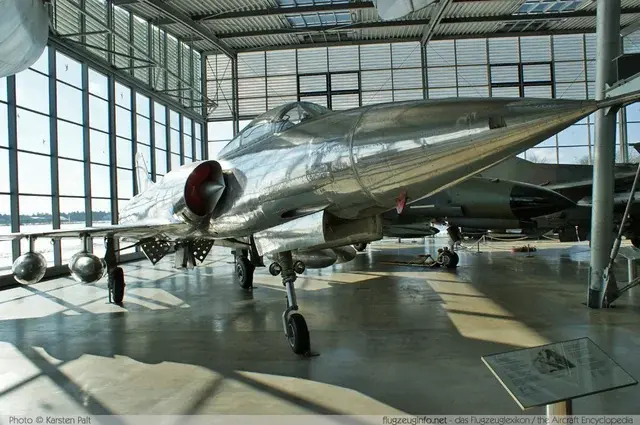
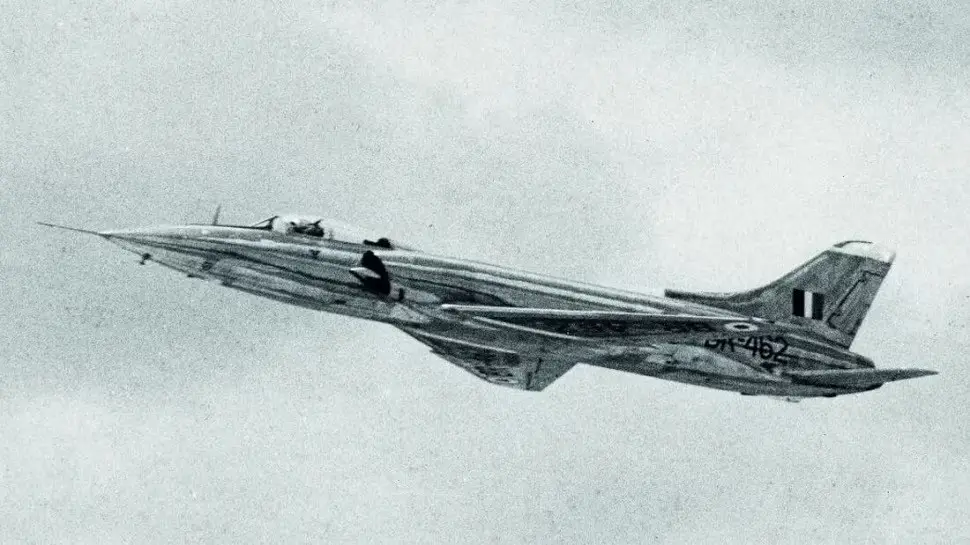
The Hindustan Fighter-24 “Marut” was India’s first indigenously built fighter jet, developed in the 1960s by Hindustan Aeronautics Limited (HAL). “Marut” means “spirit of the storm” in Sanskrit and the aircraft symbolised a bold leap forward for a newly independent India looking to shed colonial military dependence.
Designed as a supersonic, ground-attack fighter, the HF-24 had swept wings, twin engines, and a rugged airframe suitable for India’s diverse terrains. It marked a turning point—India wasn’t just importing jets anymore; it was building its own.
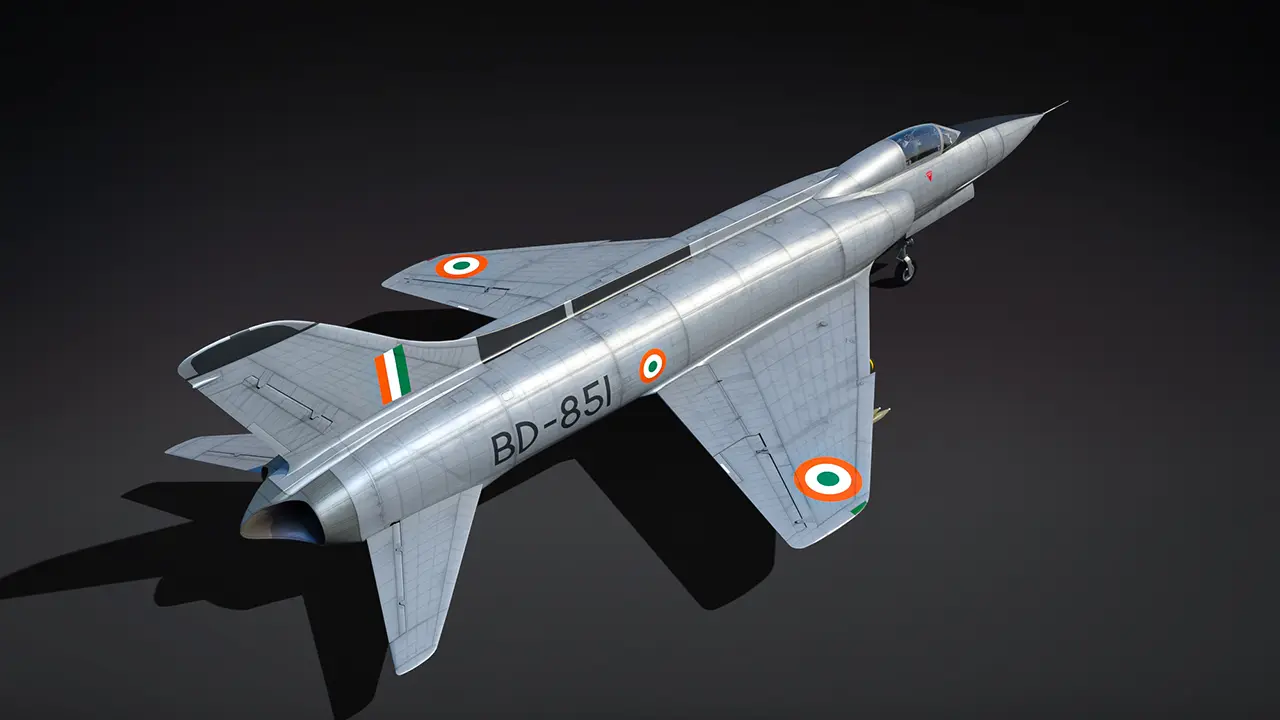
Designed by a German WWII Legend
Here’s a twist: the man behind Marut was Kurt Tank, a legendary German aircraft designer who once worked for the Nazi Luftwaffe. After World War II, he was invited to India to help design the aircraft. The result? A solid, stable jet, very advanced for India’s post-colonial aerospace industry. Tank envisioned the Marut as a Mach 2+ supersonic jet, comparable to global fighters at the time. India had the design brains—but not the engine technology.
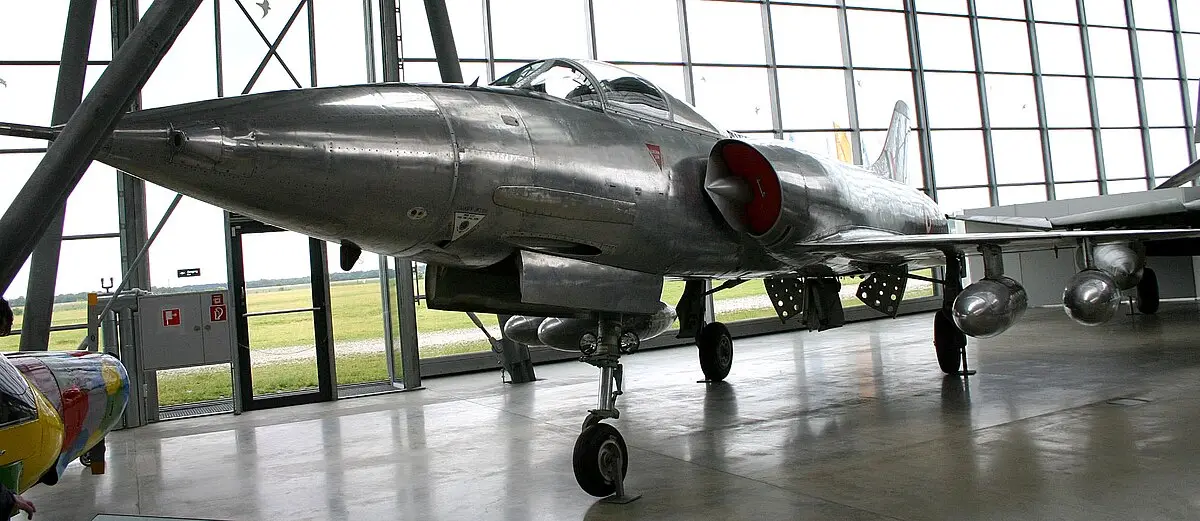
The Engine That Held It Back
The biggest problem? India couldn’t source a powerful enough engine. HAL had to settle for underpowered Rolls-Royce Orpheus turbojets, originally meant for subsonic aircraft. These engines couldn’t push the Marut past the speed of sound, keeping it limited to around Mach 0.93.
This turned a potentially groundbreaking supersonic fighter into a subsonic ground-attack jet, killing its original ambition before takeoff. Worse, global suppliers weren’t willing to export advanced engines to India during the Cold War.
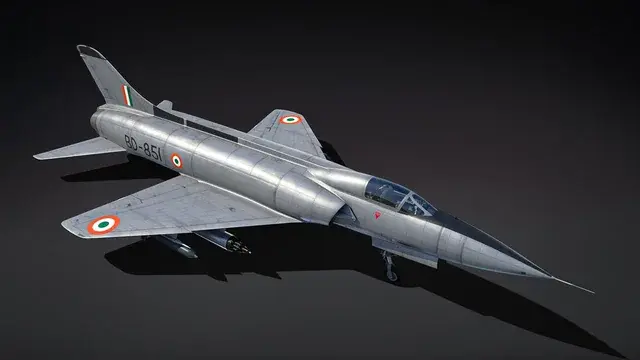
The Marut in Combat
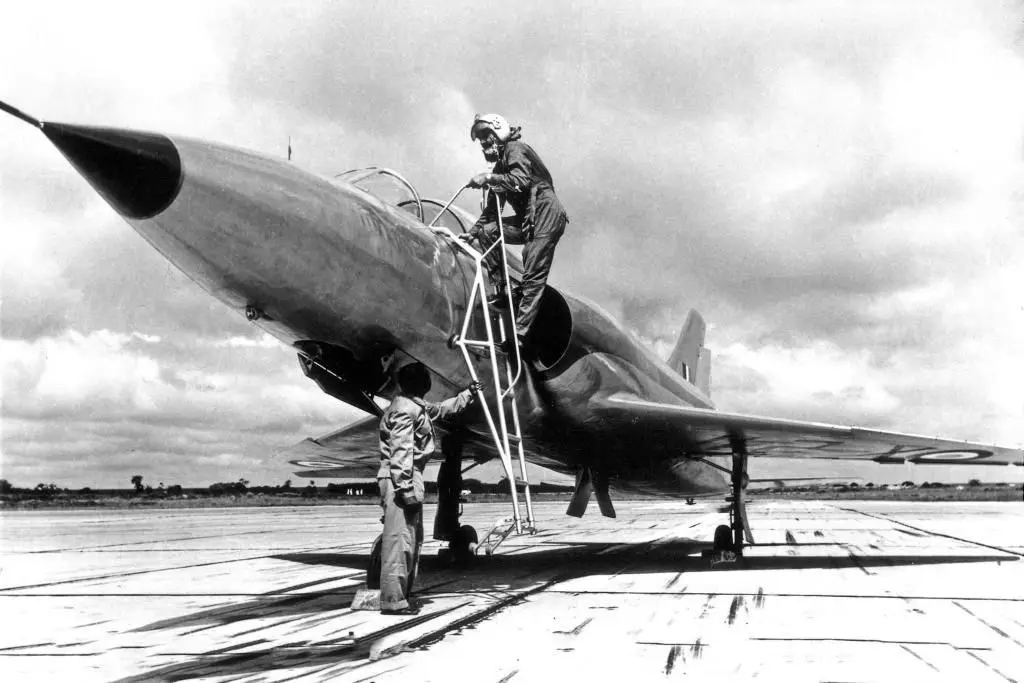
Despite its limits, the HF-24 wasn’t useless. It saw action in the 1971 Indo-Pak war, flying ground-attack missions in Rajasthan and the western sector. Its durable airframe, low maintenance needs, and twin engines made it reliable, even if it wasn’t flashy. Pilots appreciated its stability and survivability under fire.
However, by the late '70s, newer jets like the MiG-21 (faster, more agile, and widely available) made the Marut obsolete.
Why Was It Forgotten?
There are 5 key reasons why the Marut faded into history:
- Underpowered Engines: Its biggest handicap. The aircraft never reacLegacy of the HF-24 Maruthed its full design potential.
- No Export Success: Without performance superiority, it never found international buyers.
- Rapid Obsolescence: Jet fighter technology evolved fast; the Marut couldn't keep up.
- Policy Gaps: India lacked a long-term ecosystem for engine R&D and aerospace innovation.
- Poor PR: India didn’t build a national myth around it like the Americans did with F-16s or the French with Mirages.
It was a product of ambition clashing with limitations—brilliant design, poor timing.
Legacy of the HF-24 Marut
While it was retired by 1990, the HF-24 paved the way for Tejas, India’s current homegrown fighter jet. Many technologies, testing frameworks, and institutional knowledge created during Marut’s time still benefit Indian aerospace programs today. Also, it was a message to the world: India could build complex machines and dream bigger.
Final Thought
The HF-24 Marut is often seen as a failure, but it was actually India’s aerospace seed. It flew in a time when engine tech was tightly guarded, and India had barely a decade of independence. Even without breaking the sound barrier, it broke a psychological barrier: that India could build, fight, and fly on its own terms.
)
)
)
)
)