Meet Chrysalis! A spaceship that could take 1,500 humans on a journey to the stars

The journey is expected to last around 400 years, meaning countless generations would be born and pass away aboard the Chrysalis, never knowing life on Earth. This transforms the vessel from merely a mission into a completely new way of life for its residents.
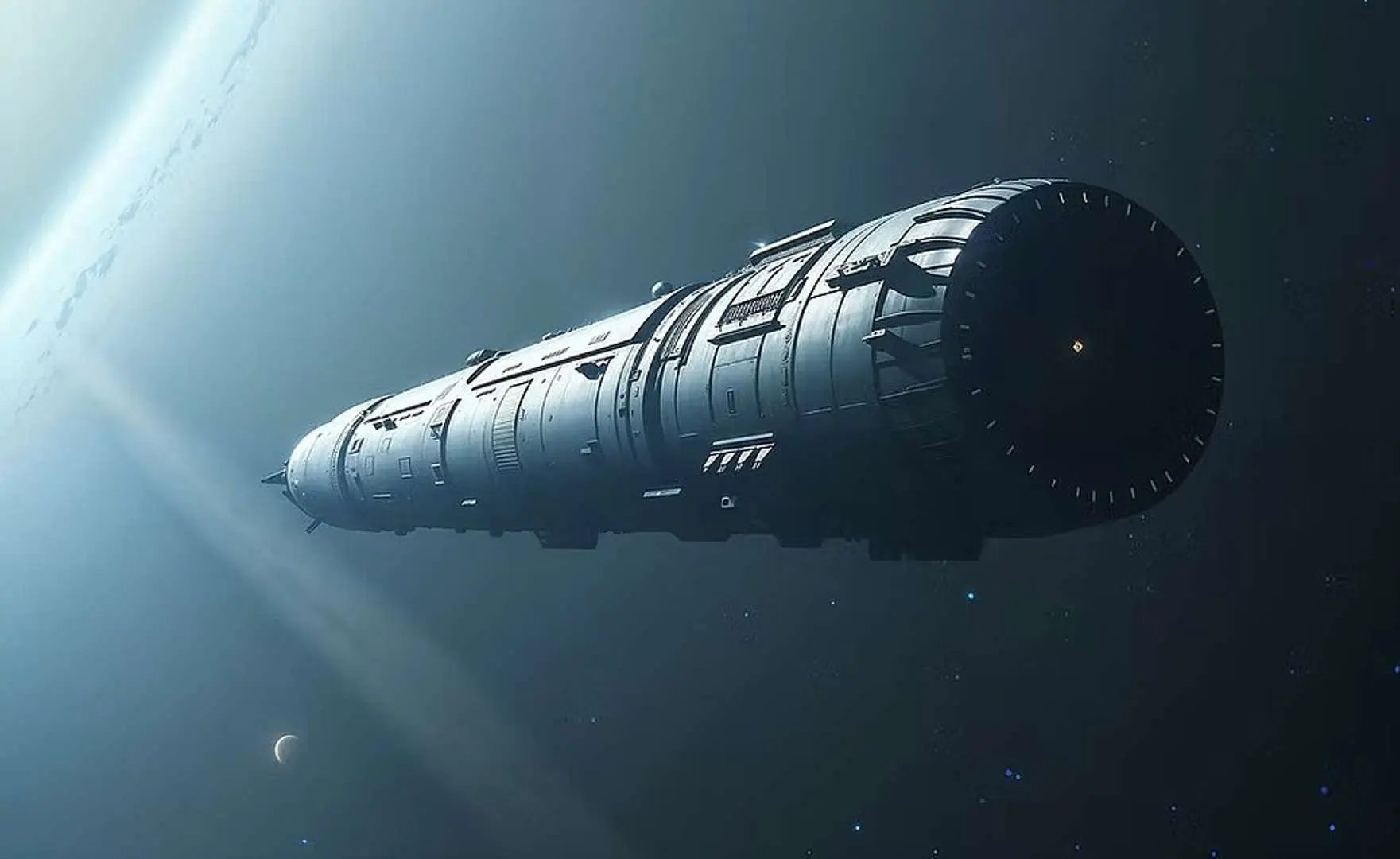
A Starship Bound for Another Sun
The Chrysalis Project is an award-winning concept for a colossal multi-generational spacecraft designed to carry up to 1500 people to Alpha Centauri, our nearest star system. Its ultimate target is Proxima Centauri b, a potentially habitable exoplanet.
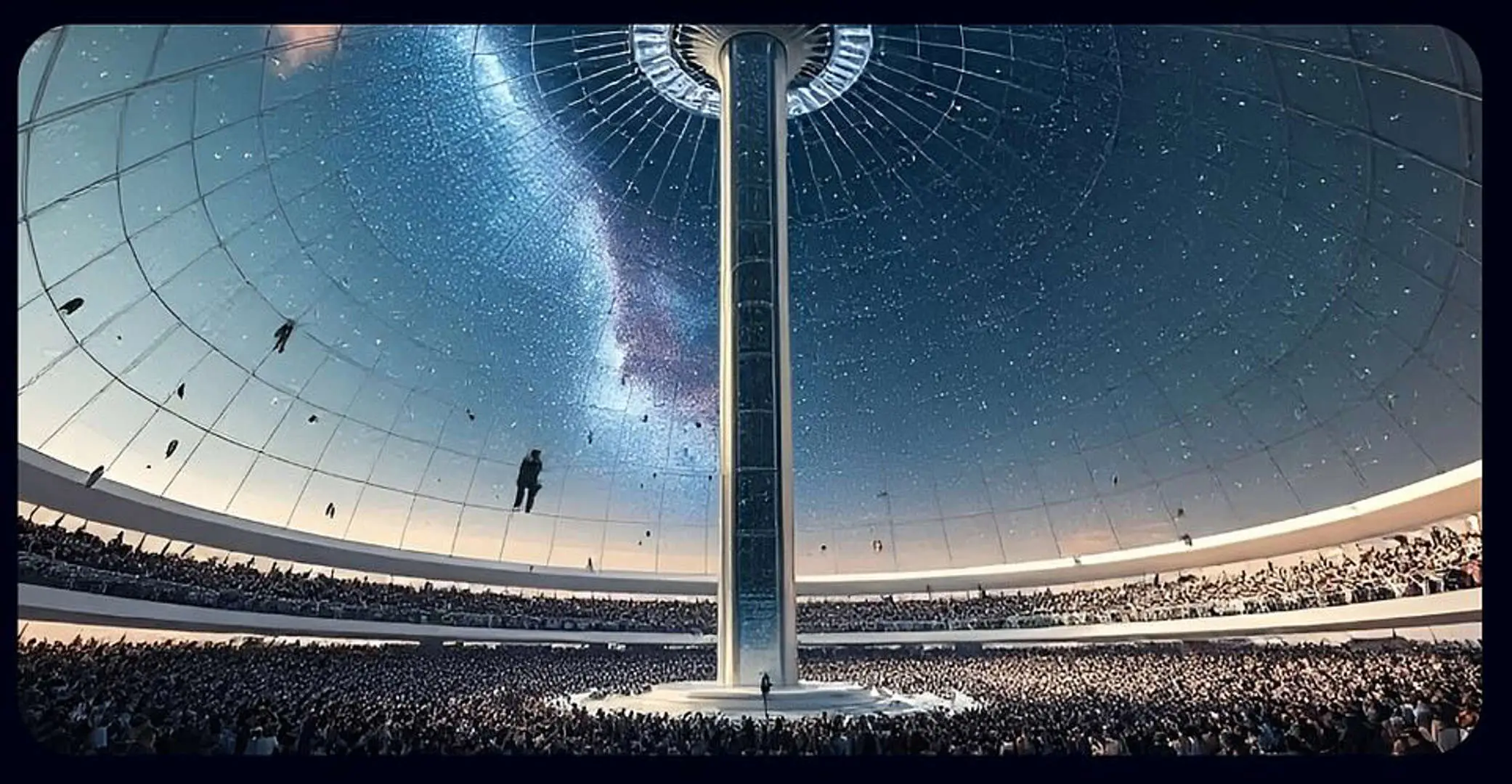
A Journey Across Centuries
The voyage would take roughly 400 years, meaning several generations would live and die on board without ever experiencing life on Earth. This reality makes Chrysalis not just a mission, but an entirely new way of life for its inhabitants.
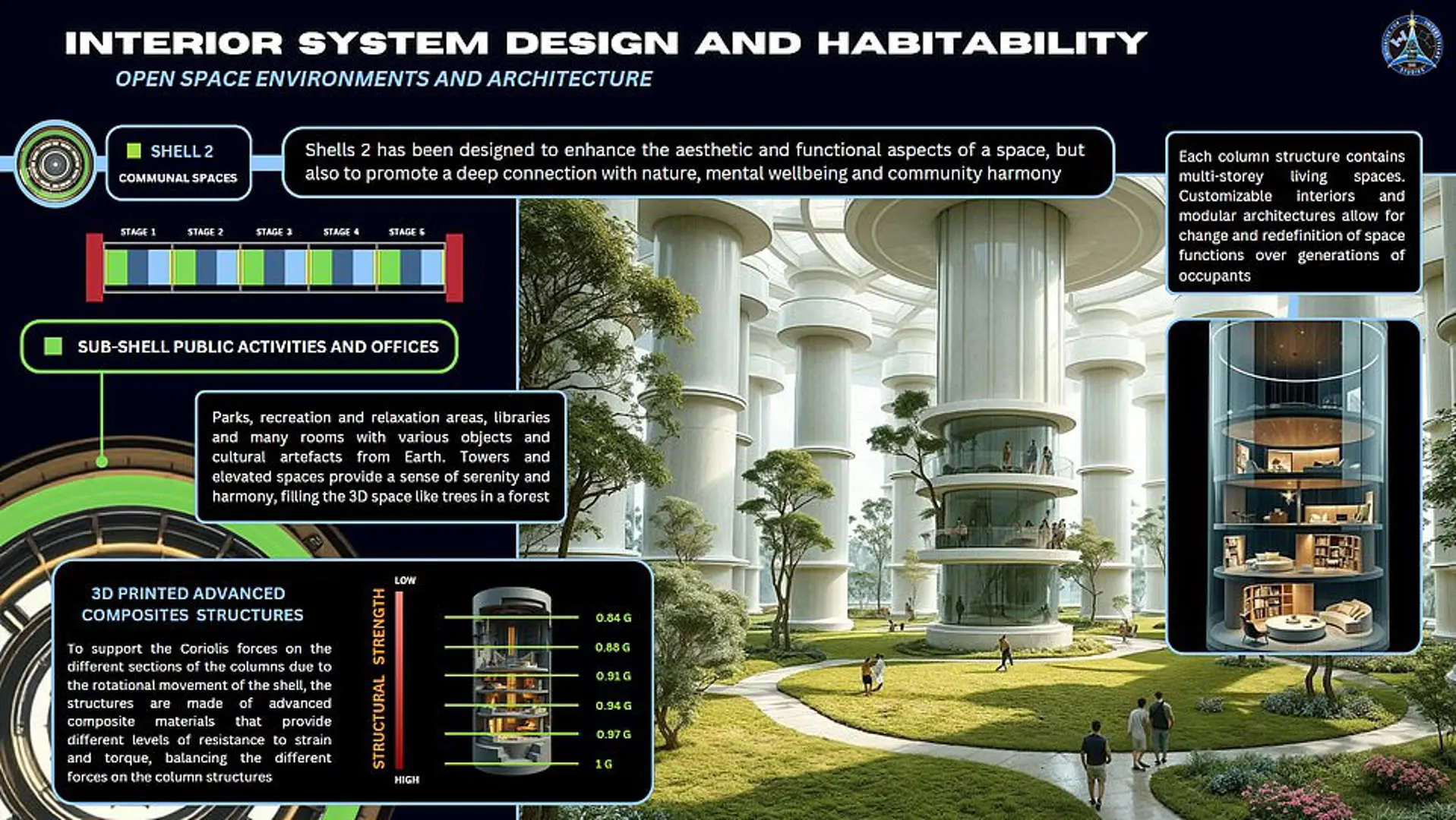
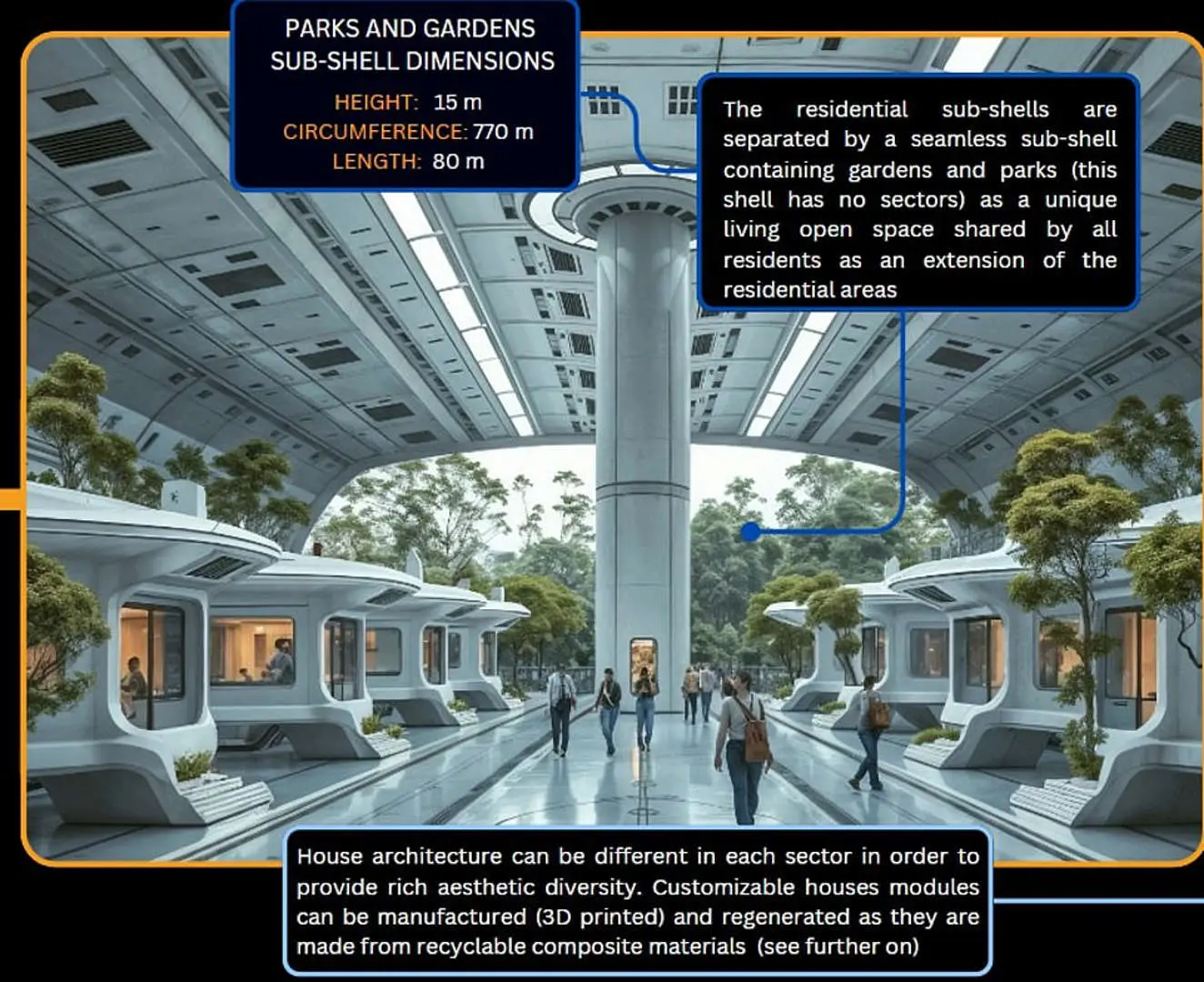
A Floating City in Space
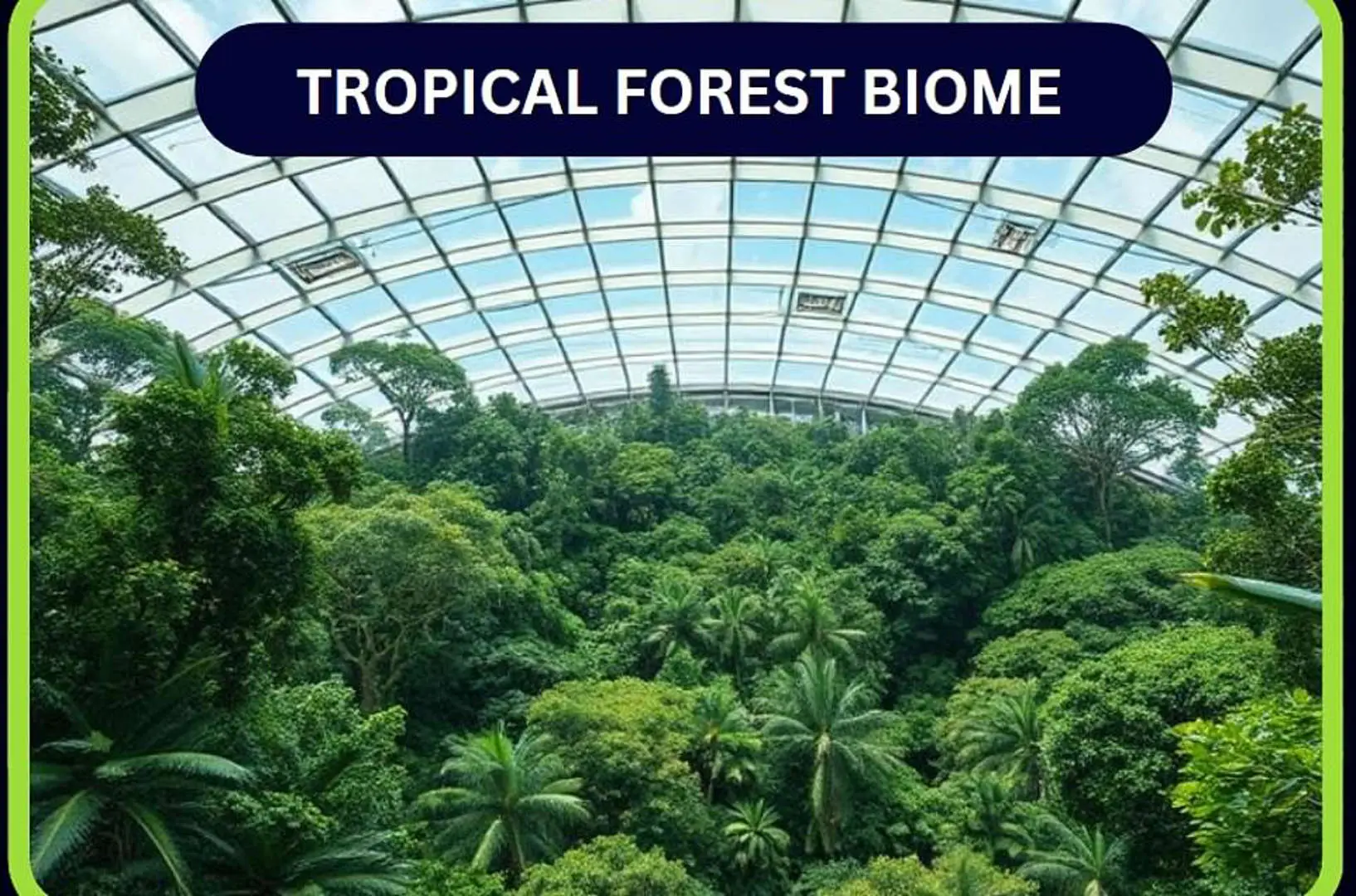
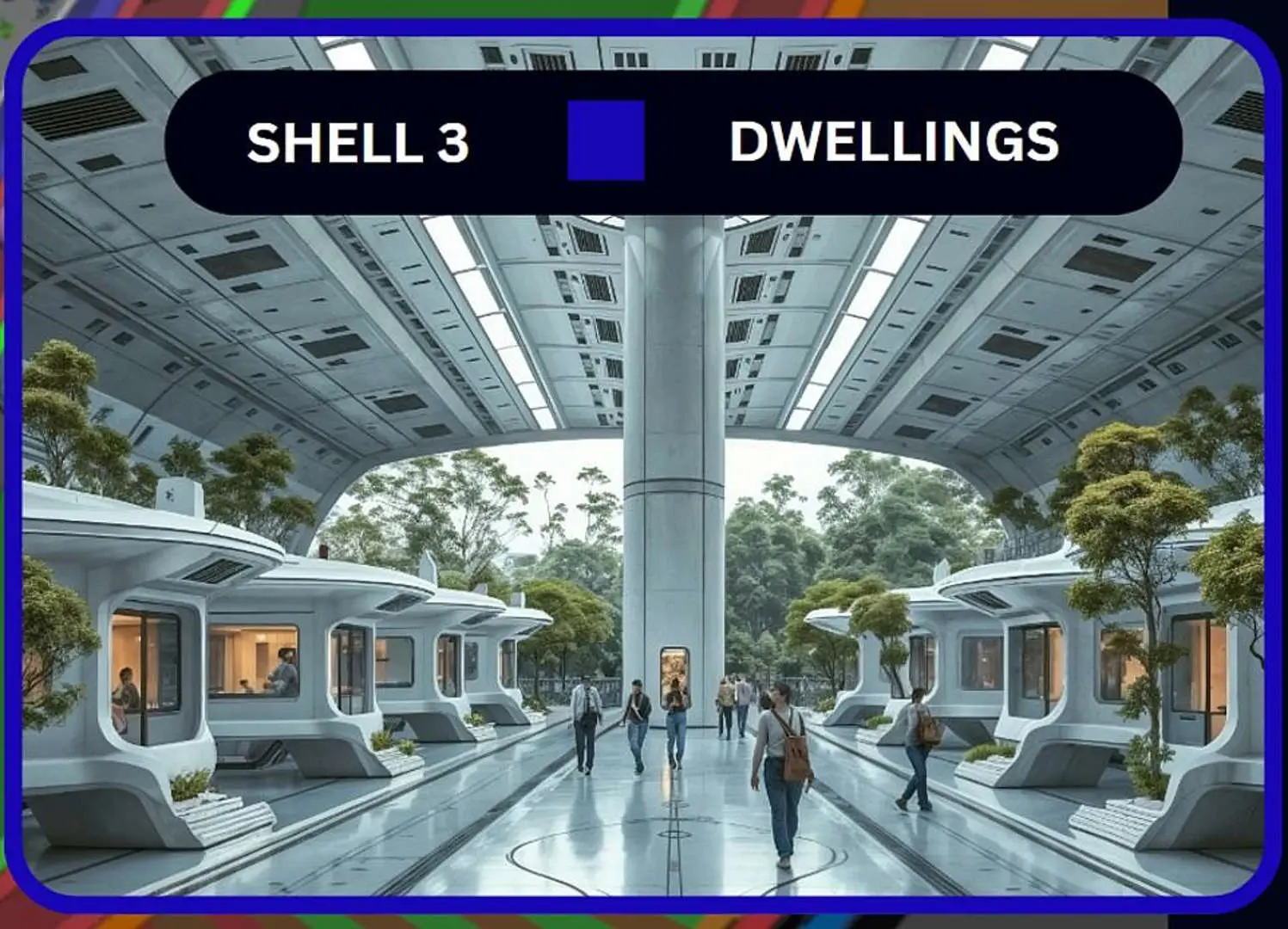
Measuring around 36 miles (58 km) long, the “cigar-shaped” ship would spin to generate artificial gravity. Designed like a Russian nesting doll, its layers would include agricultural zones, forests, community hubs, living spaces, and industrial facilities, all powered by nuclear fusion.
Built at a Cosmic Crossroads
Construction is proposed at the L1 Lagrange point between Earth and the Moon, a location ideal for accessing both lunar and terrestrial resources while avoiding damaging gravitational stresses during assembly.
Preparing Generations Before Launch
Before setting off, the first settlers would train in Antarctica for 70–80 years, adapting to an isolated, self-contained environment similar to the spacecraft’s conditions.
A Controlled Population
To ensure resources last throughout the centuries-long trip, births would be carefully managed to keep the population stable at around 1,500 people at any given time.
Humans and AI Working Together
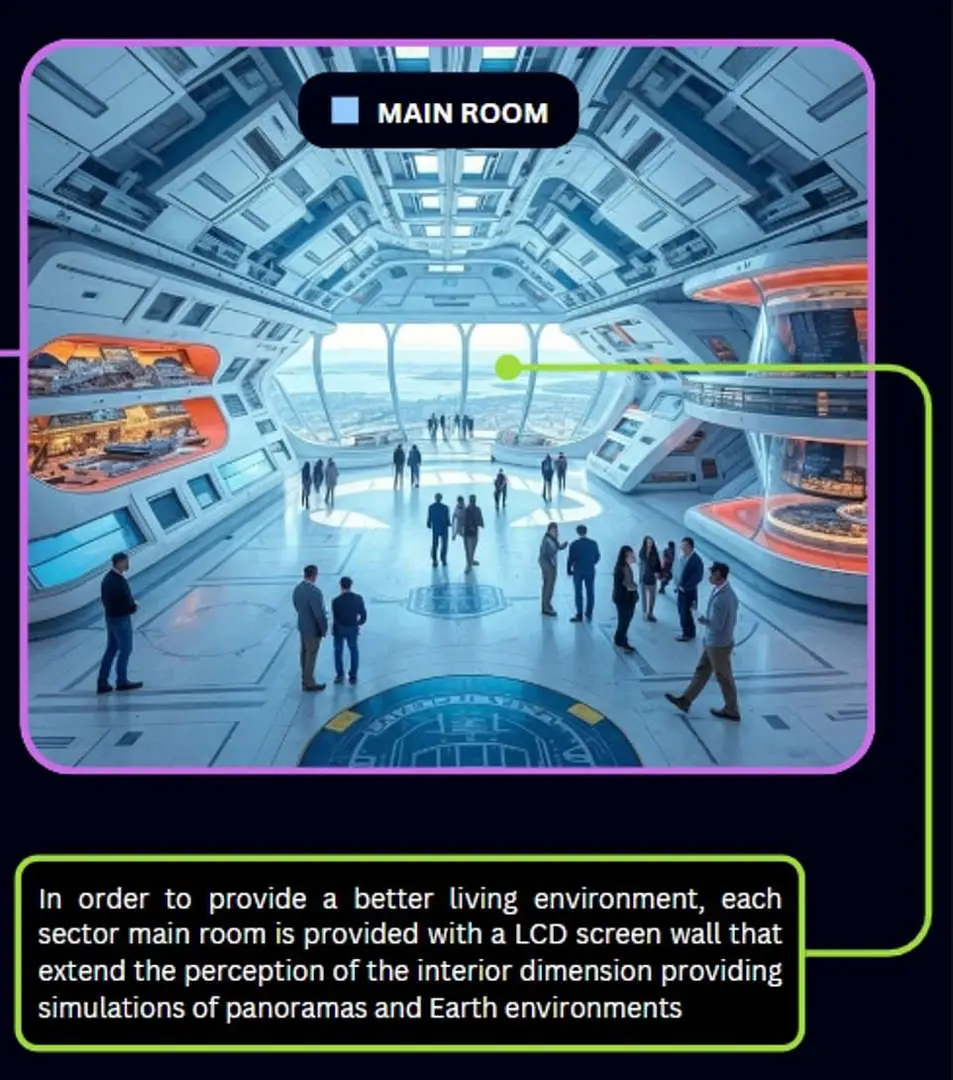
Governance would be shared between humans and advanced artificial intelligence, maintaining social stability, managing resources, and passing on crucial knowledge between generations.
)
)
)
)
)