Meet Black Hornet! A spy helicopter that can fit in the palm of your hand

The Black Hornet is a 33-gram Norwegian nano-drone costing $40,000 that transmits live video and thermal images from 2 kilometres away. Silent and nearly invisible, it's transforming reconnaissance across NATO and Ukrainian forces.
What is the Black Hornet?
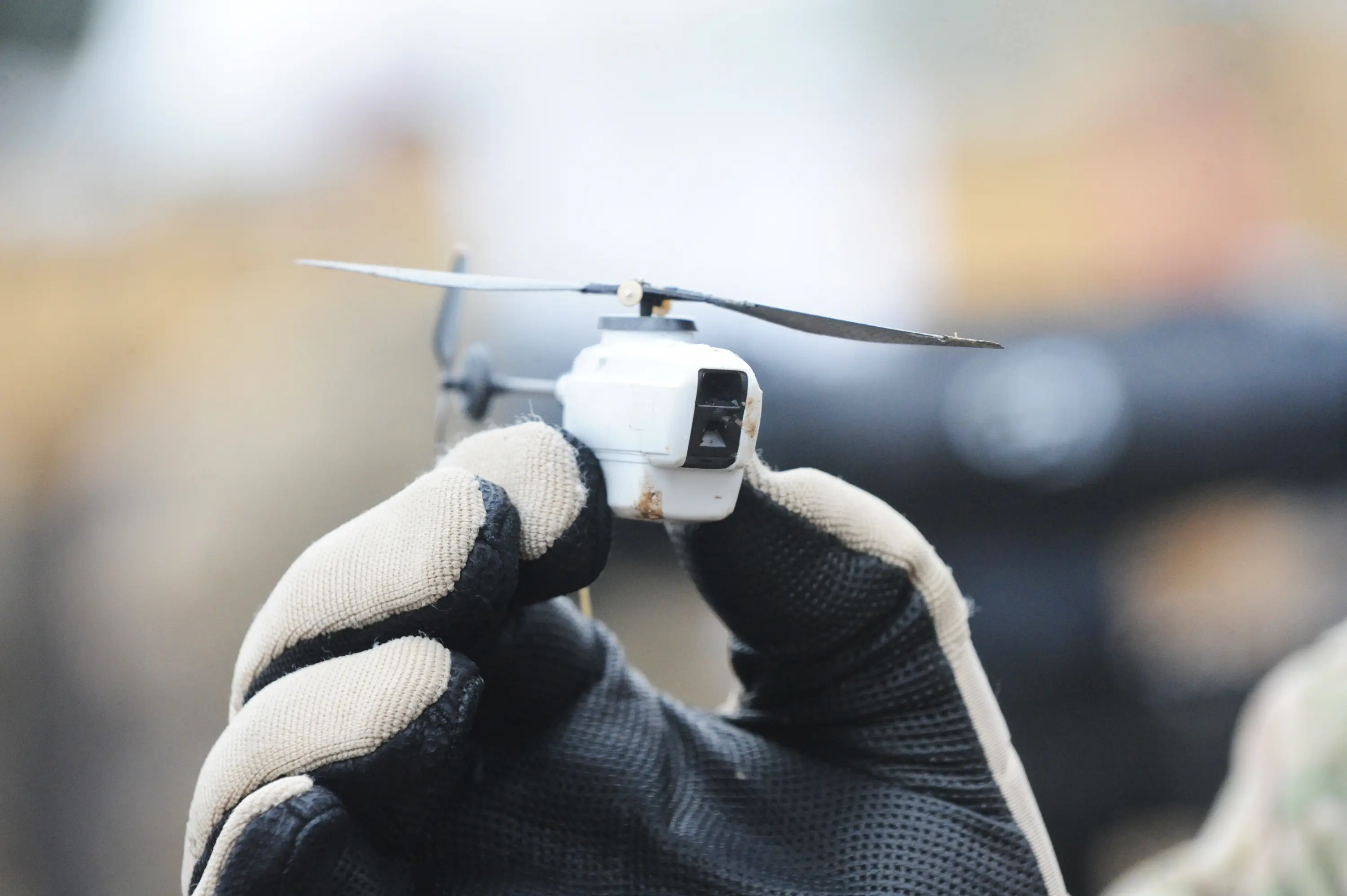
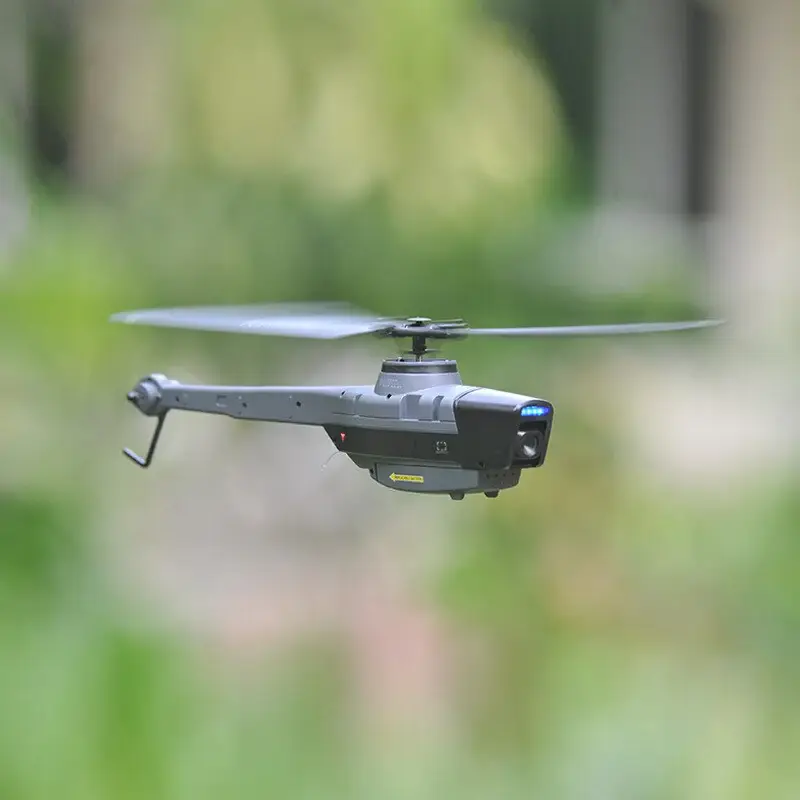
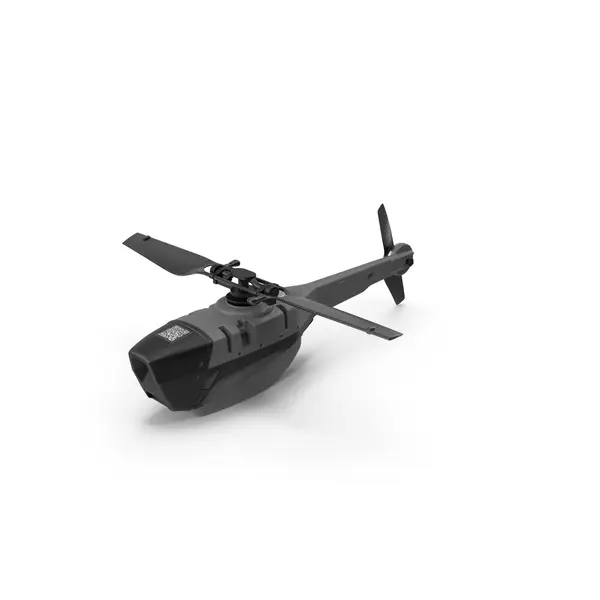
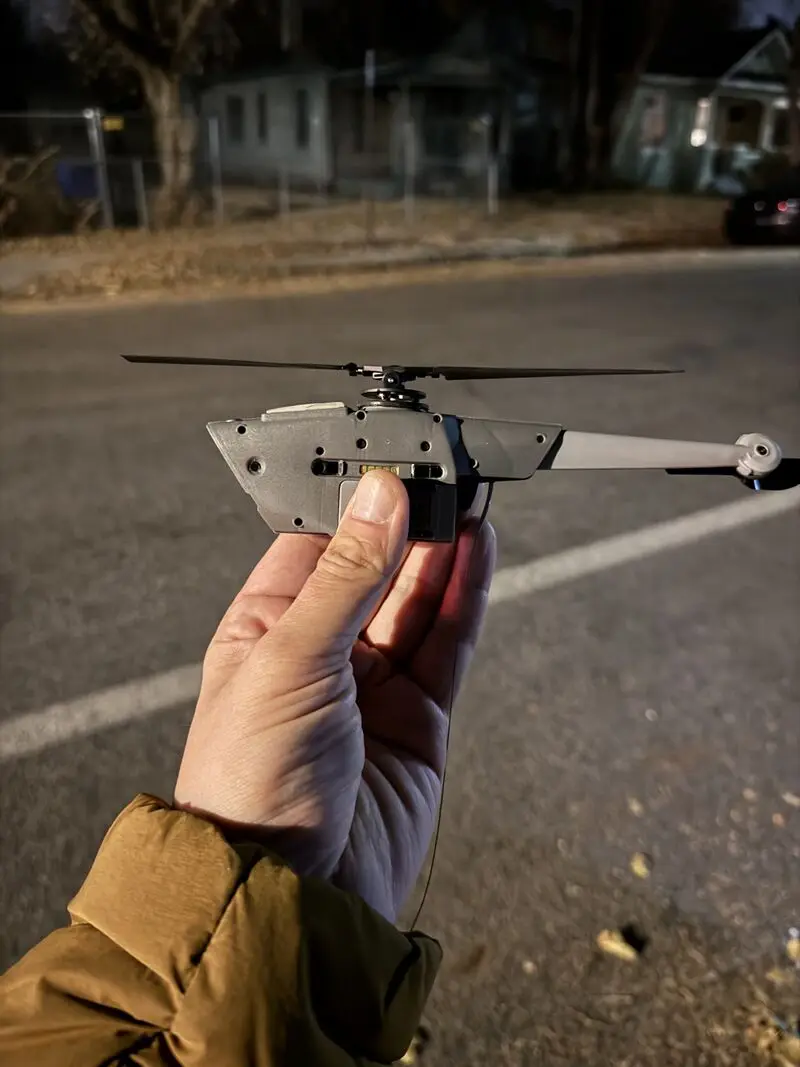
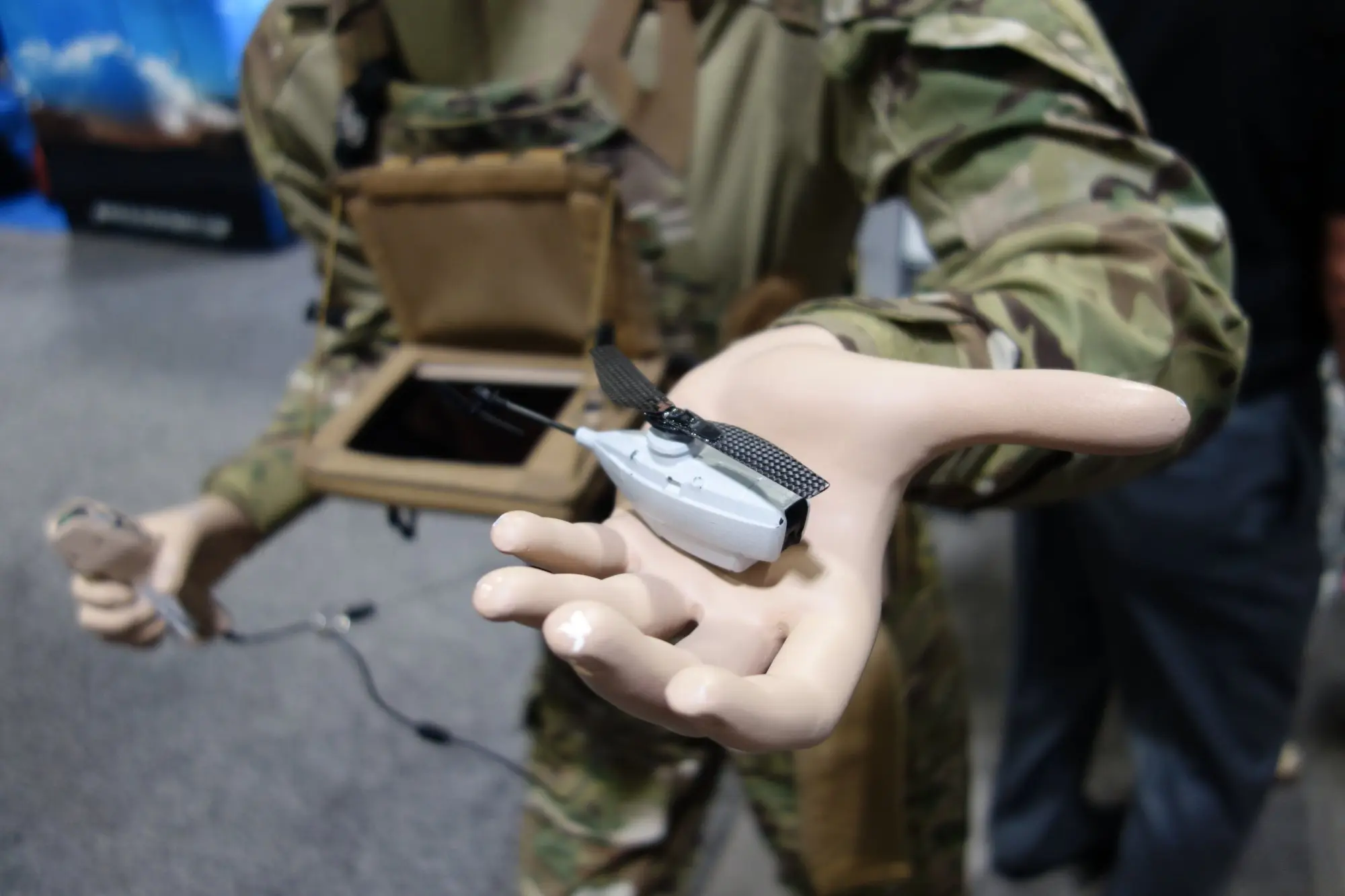
The Black Hornet is a pocket-sized reconnaissance helicopter developed in Norway. It weighs less than 33 grammes - lighter than a slice of bread - and fits entirely in the palm of your hand. Despite its tiny size, this unmanned aerial vehicle captures high-resolution video and thermal images, providing real-time intelligence to troops on the ground without exposing soldiers to danger.
Specifications and Size
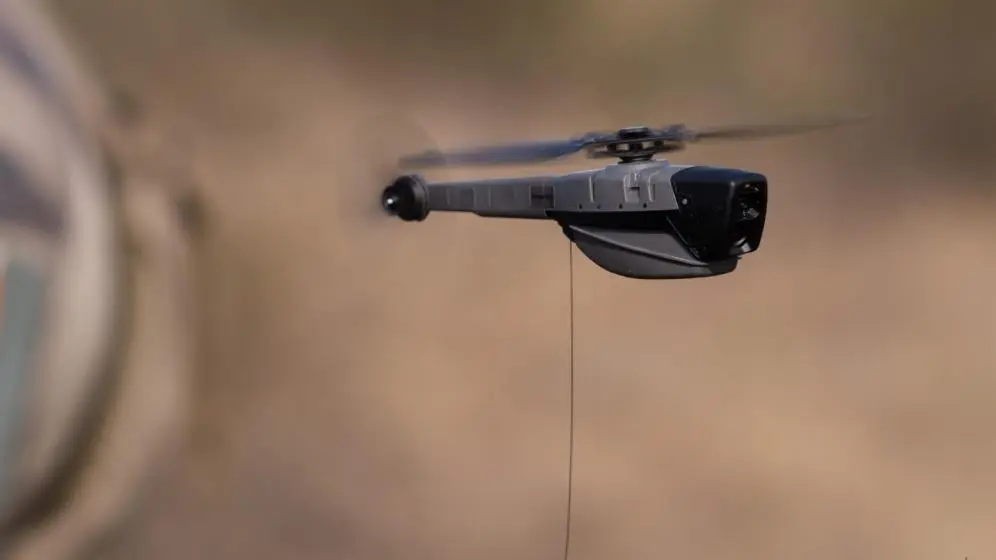
The drone measures 16.8 centimetres in length with a rotor diameter of 12.3 centimetres. It can fly at speeds up to 21 kilometres per hour and transmits live video to a handheld controller from distances up to 2 kilometres. The system includes two drones, a docking station, touchscreen controller, and spare batteries - all designed for rapid deployment by infantry squads without extensive training.
Flight Time and Battery
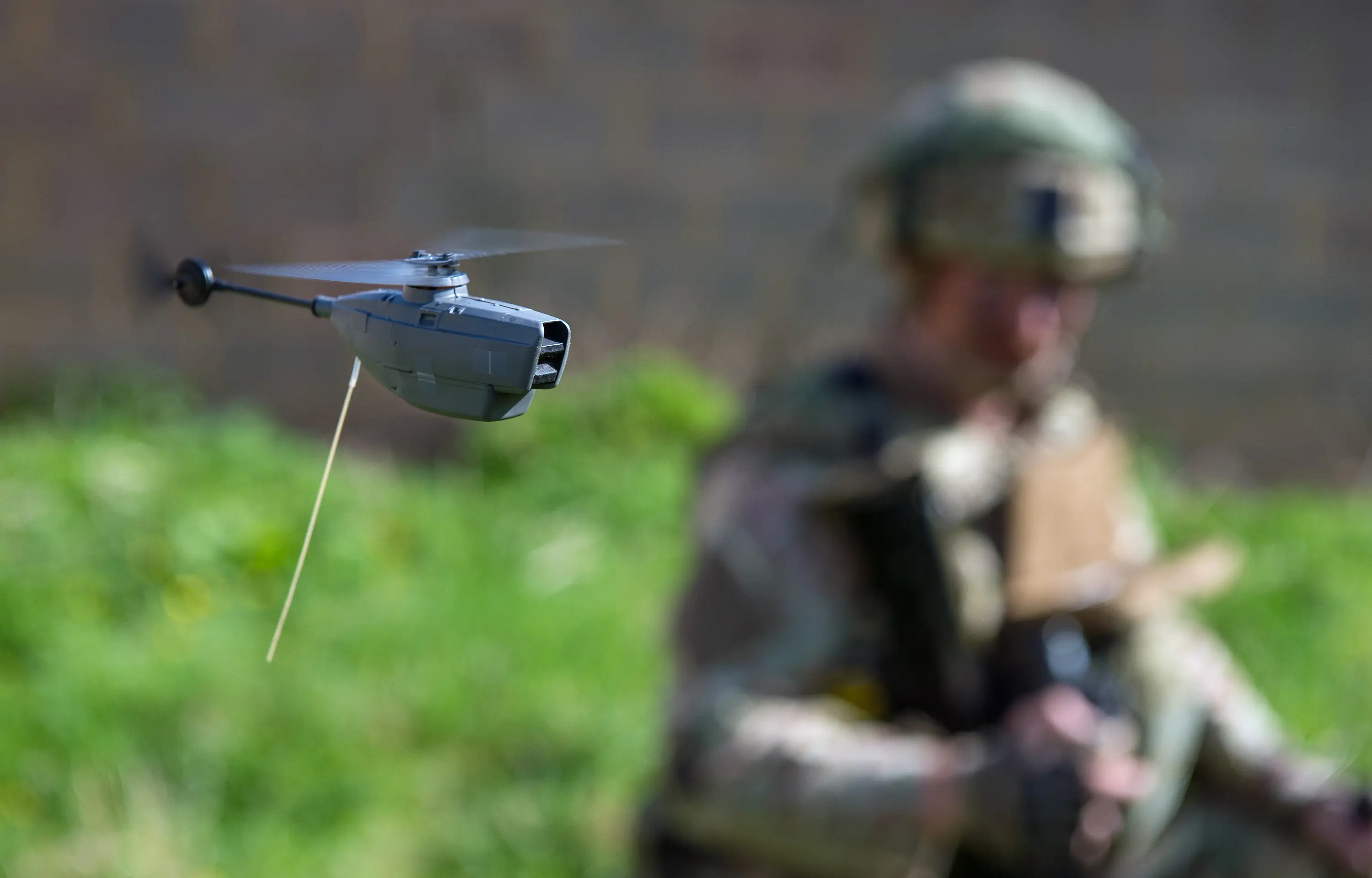
The Black Hornet can remain airborne for up to 25 minutes on a single battery charge. Operators can rapidly switch to the second drone in the system for continuous reconnaissance missions. The battery-powered electric motor runs almost silently, allowing troops to conduct covert surveillance without alerting enemy forces nearby.
The Silent Advantage
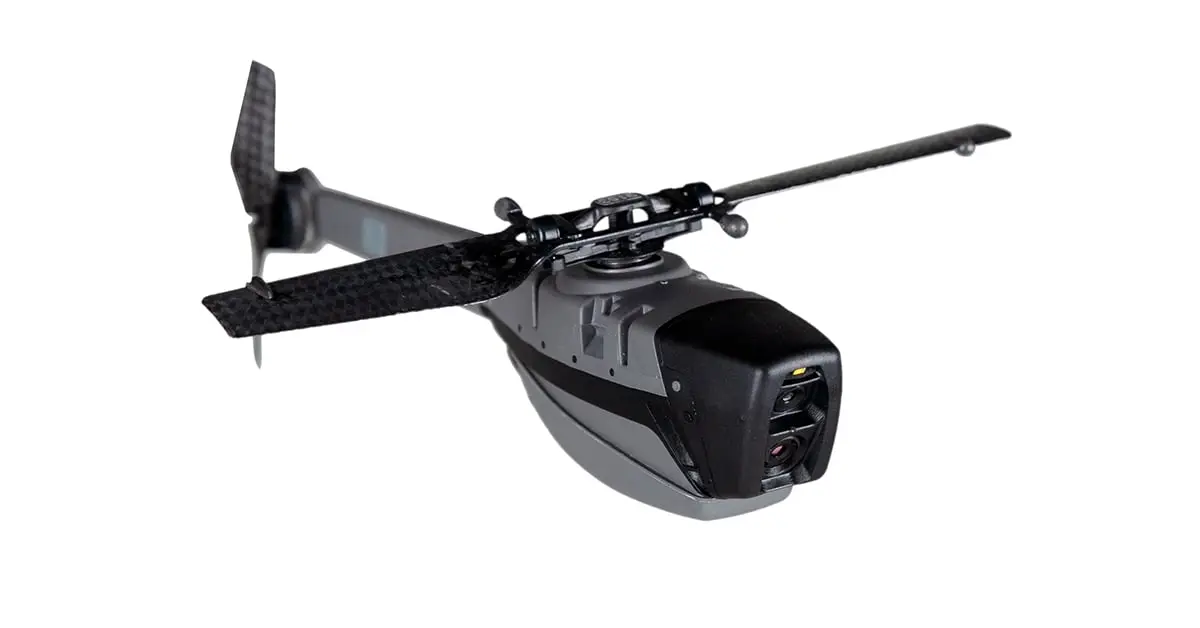
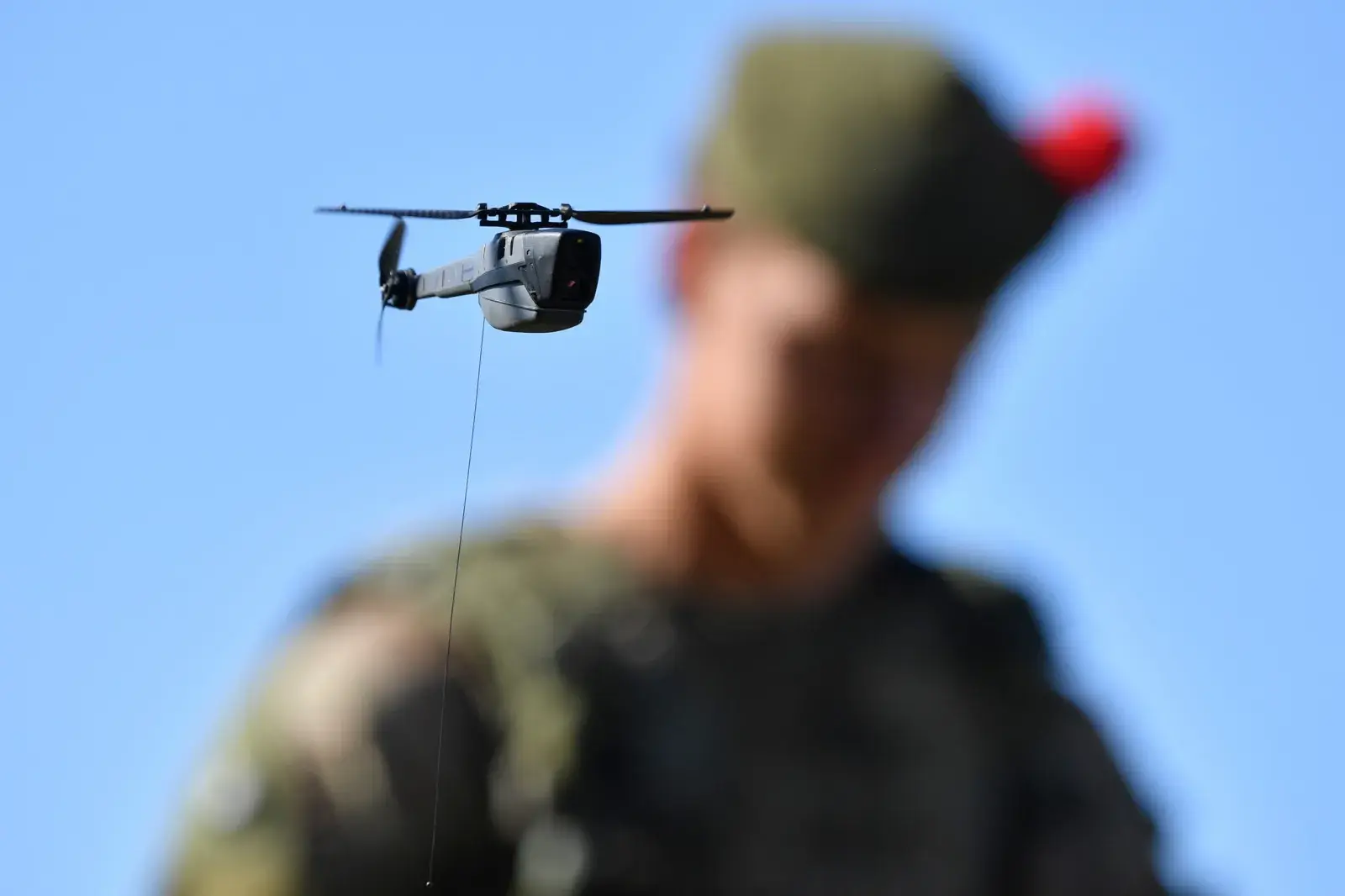
Field operators report that the Black Hornet can be flown just 10 metres from troops without being heard. While the drone can be spotted 50 metres away in open sky, it becomes nearly invisible against buildings and vegetation at 20 metres distance. This stealth capability makes it invaluable for close-range reconnaissance before assaults or in urban combat situations.
Thermal and Night Vision
The drone carries both high-definition optical cameras and thermal imaging sensors. These capabilities allow troops to conduct surveillance during night operations and in low-visibility conditions, such as fog or smoke. Special forces can track enemy movements inside buildings or identify heat signatures in dark spaces, providing critical intelligence before operations commence.
Cost and Deployment
Each Black Hornet system costs approximately $40,000. The United States Army has awarded contracts worth over $94 million to date, with total Army spending on the program expected to exceed $225 million by 2028. Military leaders consider this investment justified, as the drone provides critical situational awareness that prevents ambushes and saves soldiers' lives during dangerous reconnaissance missions.
Ukraine's Use in Combat
Ukraine has received approximately 1,300 Black Hornet systems through funding from Norway, the United Kingdom, and the United States. Ukrainian Special Operations Forces actively use the nano-drones for close-range reconnaissance in the Kursk region and other frontline areas. Field reports confirm the drones help reduce casualties by identifying enemy positions and threats before troops move into dangerous territory.
Advantages Over Larger Drones
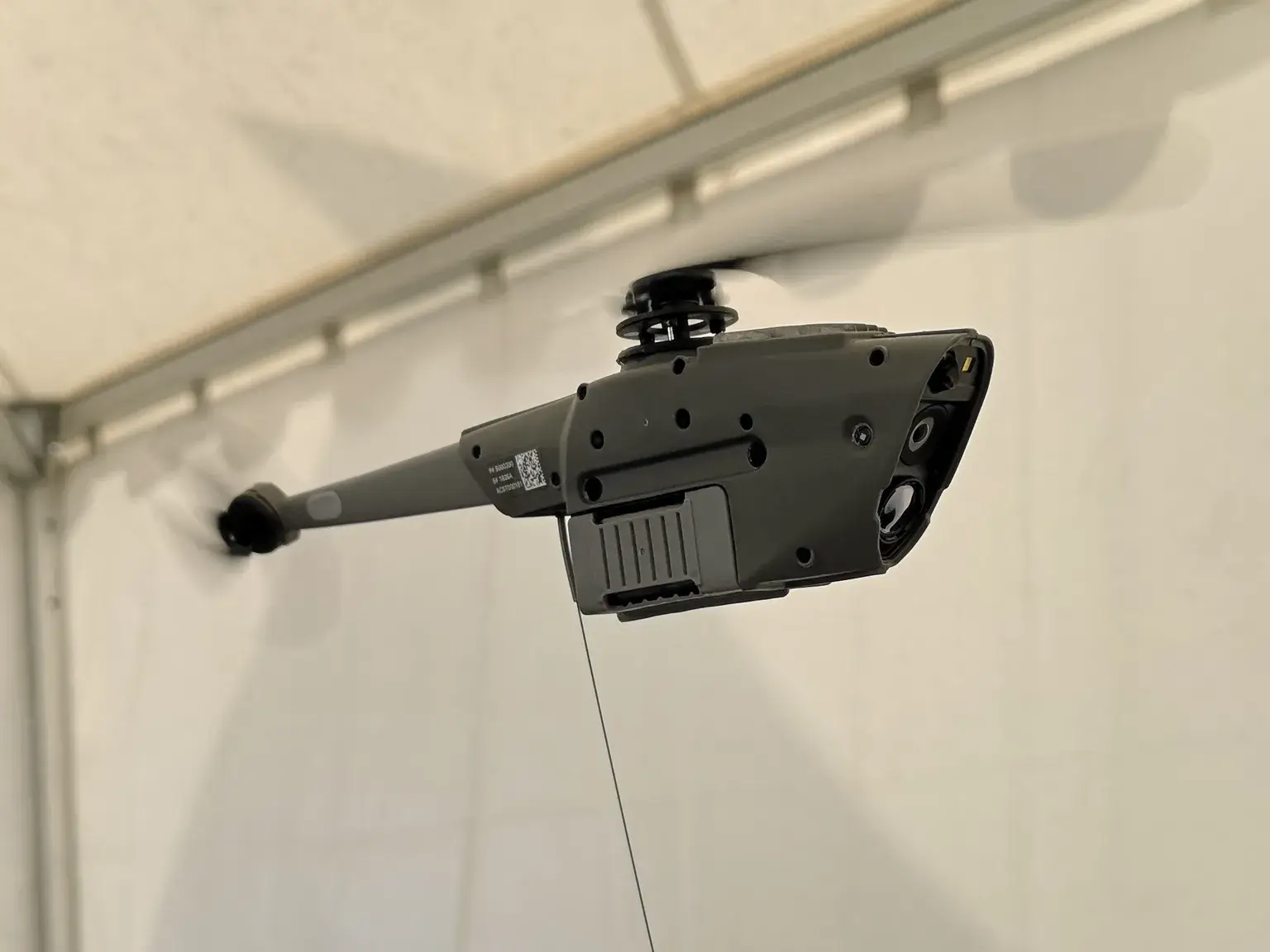
Unlike larger reconnaissance drones, the Black Hornet specializes in close-range operations unsuitable for bigger unmanned systems. It scouts interior spaces, looks into trenches, and moves through urban environments where larger drones cannot operate. Ukrainian operators confirm it does not replace larger systems but fills a completely different tactical role - providing hyper-local intelligence gathering.
Technical Specifications Summary
Weight: under 33 grammes, Length: 16.8 centimetres, Rotor diameter: 12.3 centimetres, Maximum speed: 21 kilometres per hour | Flight range: 2 kilometres, Maximum endurance: 25 minutes, Wind tolerance: up to 20 knots. The drone operates at ground speeds up to 6 metres per second and handles moderate weather conditions, though strong winds and heavy rain limit effectiveness.
The Future of Nano-Drones
Military analysts view the Black Hornet as a revolutionary tool that fundamentally changes how small units gather intelligence. The Norwegian-made technology demonstrates that innovation in size and stealth often outweighs raw power in modern warfare. Future generations may include autonomous navigation, artificial intelligence-powered obstacle avoidance, and extended capabilities, making nano-drones increasingly central to military strategy.
)
)

)
)