'Mathematical impossibility of breakfast': 25,000 eggs a week aboard the USS Abraham Lincoln

Step inside the ‘Abe’s' galley, where feeding 5,000 sailors 18,000 meals a day is a high-stakes supply chain miracle that never sleeps.
The 18,000-Meal Daily Sprint
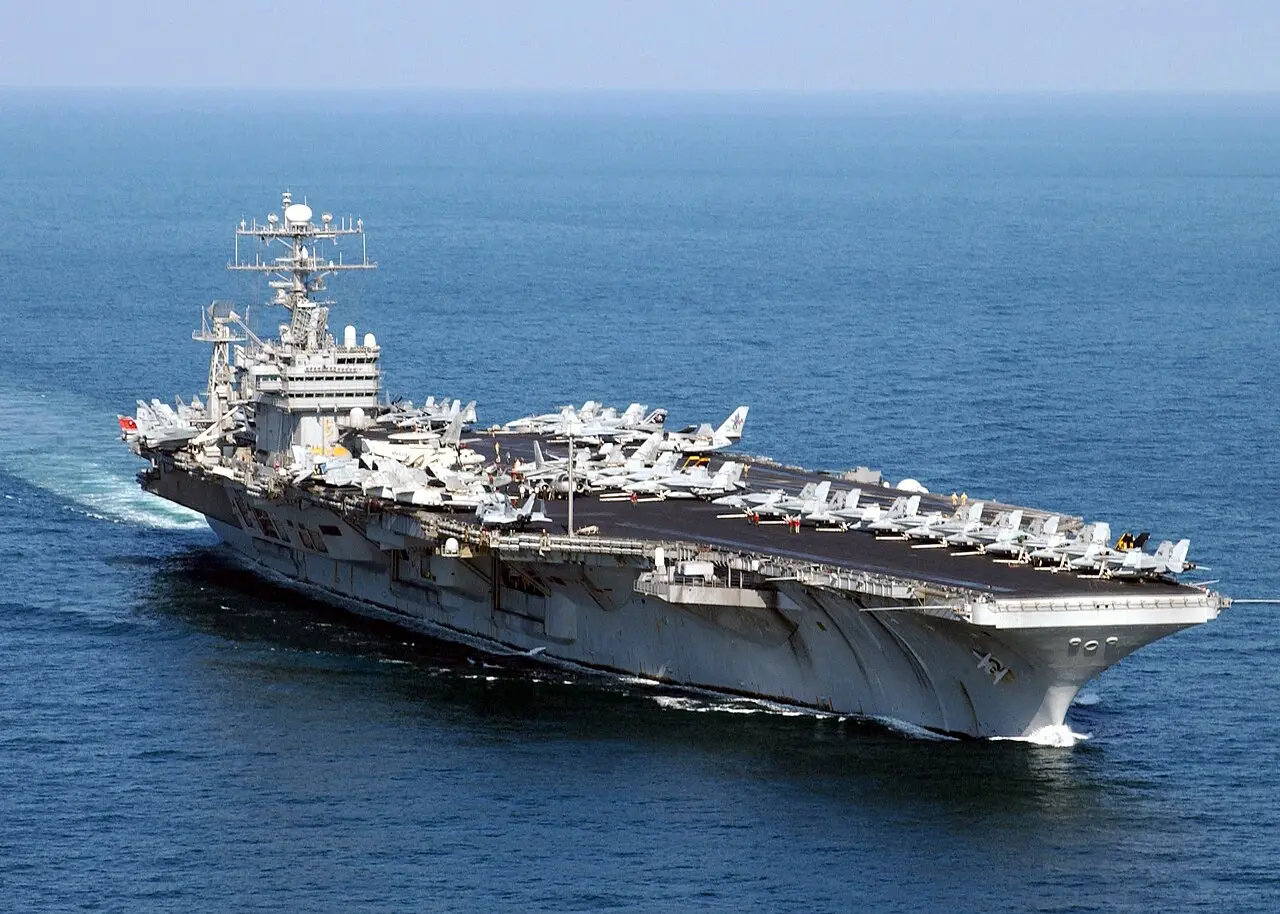
Feeding a crew of 5,000 is a relentless 24-hour operation. The ship serves four distinct meals every day: breakfast, lunch, dinner, and ‘Midrats’ (midnight rations) for those on the night watch. In total, the culinary teams prepare nearly 18,000 meals every single day, ensuring the ‘floating city’ has the caloric fuel to maintain a high-tempo combat environment.
The 25,000-Egg Weekly Supply
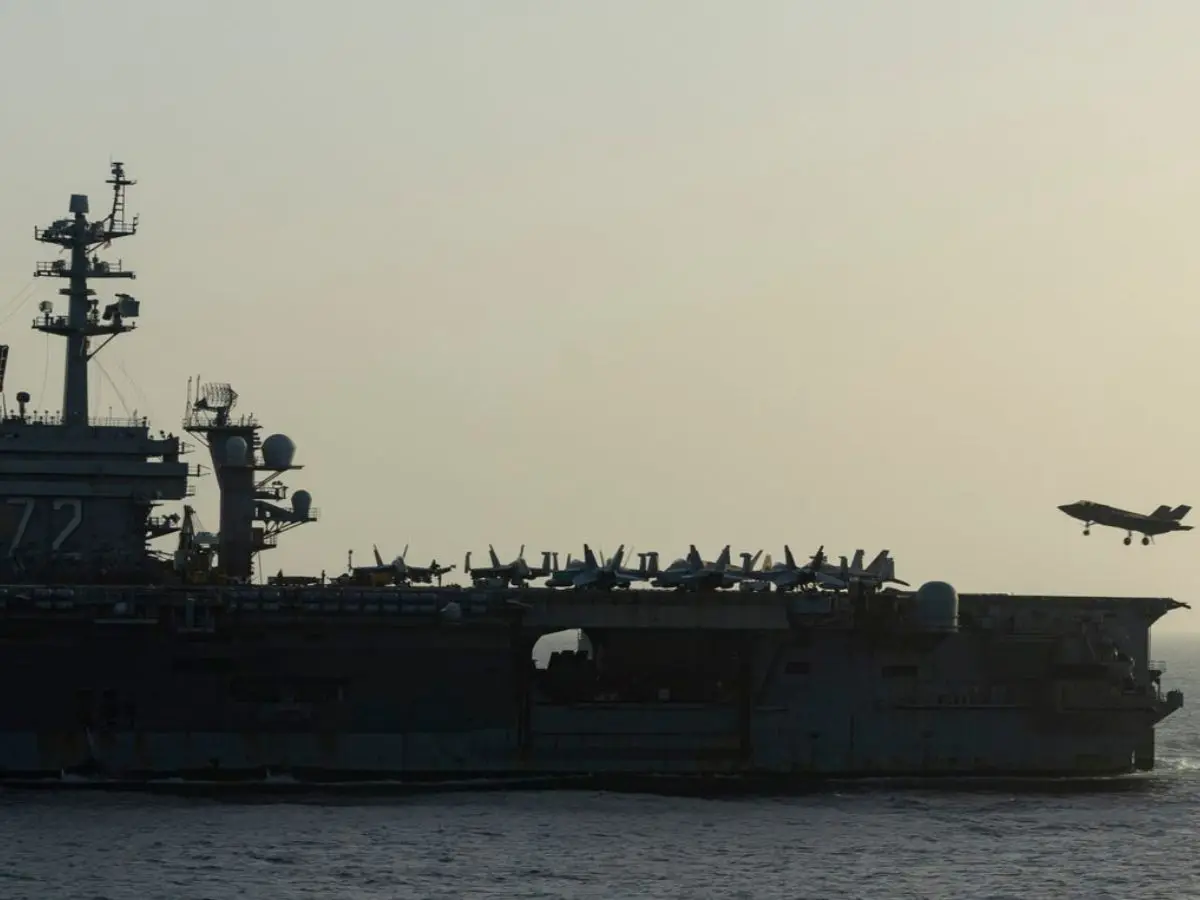
Breakfast is the most logistically demanding meal of the day. To keep the crew fed, the ship's storekeepers manage an inventory that includes roughly 2,100 dozen eggs every week. That's over 25,000 eggs cracked, scrambled, or fried every seven days—a volume that would require a small commercial farm just to sustain one ship.
The 24/7 'Floating Bakery'
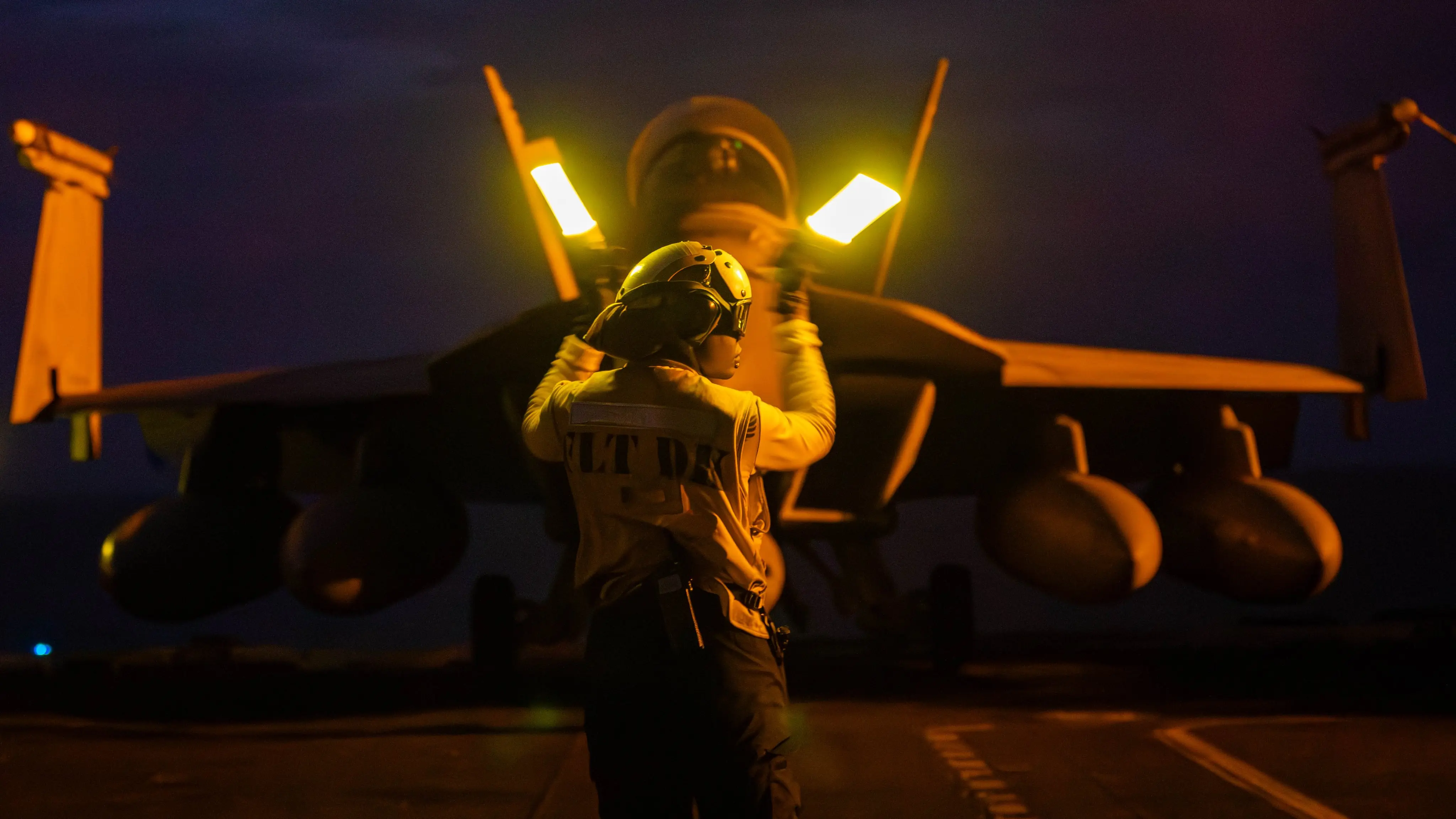
The scent of fresh bread is one of the few comforts available in the middle of the ocean. The ship's bakery never shuts down, producing over 800 loaves of bread every day from scratch. Beyond bread, the team churns out hundreds of pies, cakes, and thousands of cookies to maintain crew morale during long stretches between port visits.
The Freezer Labyrinth: A Strategic Reserve
Deep within the hull, below the waterline, lies a massive complex of refrigerated and dry storerooms. These ‘reefers’ hold enough food to sustain the entire crew for up to 90 days without replenishment. Managing this inventory is a tactical necessity; if the ‘cold chain’ fails, the ship's combat effectiveness drops as quickly as its morale.
Underway Replenishment: The Mid-Ocean Lifeline
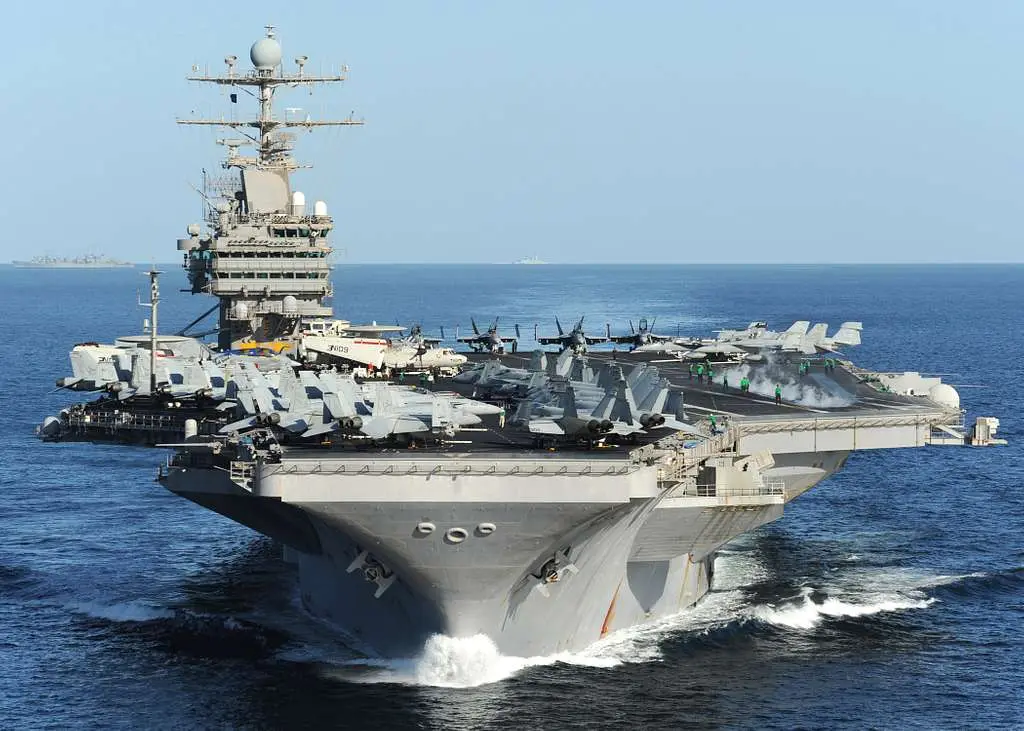
Because the ship cannot simply pull over for groceries, it relies on Underway Replenishment (UNREP). During these maneuvers, a supply ship sails alongside the Lincoln at 15 knots, just 100 feet away. Thousands of pallets of fresh fruit, vegetables, and meat are transferred via high-tension wires or ‘vertical replenishment’ using MH-60S Seahawk helicopters.
Eliminating the Evidence: The Plasma Arc
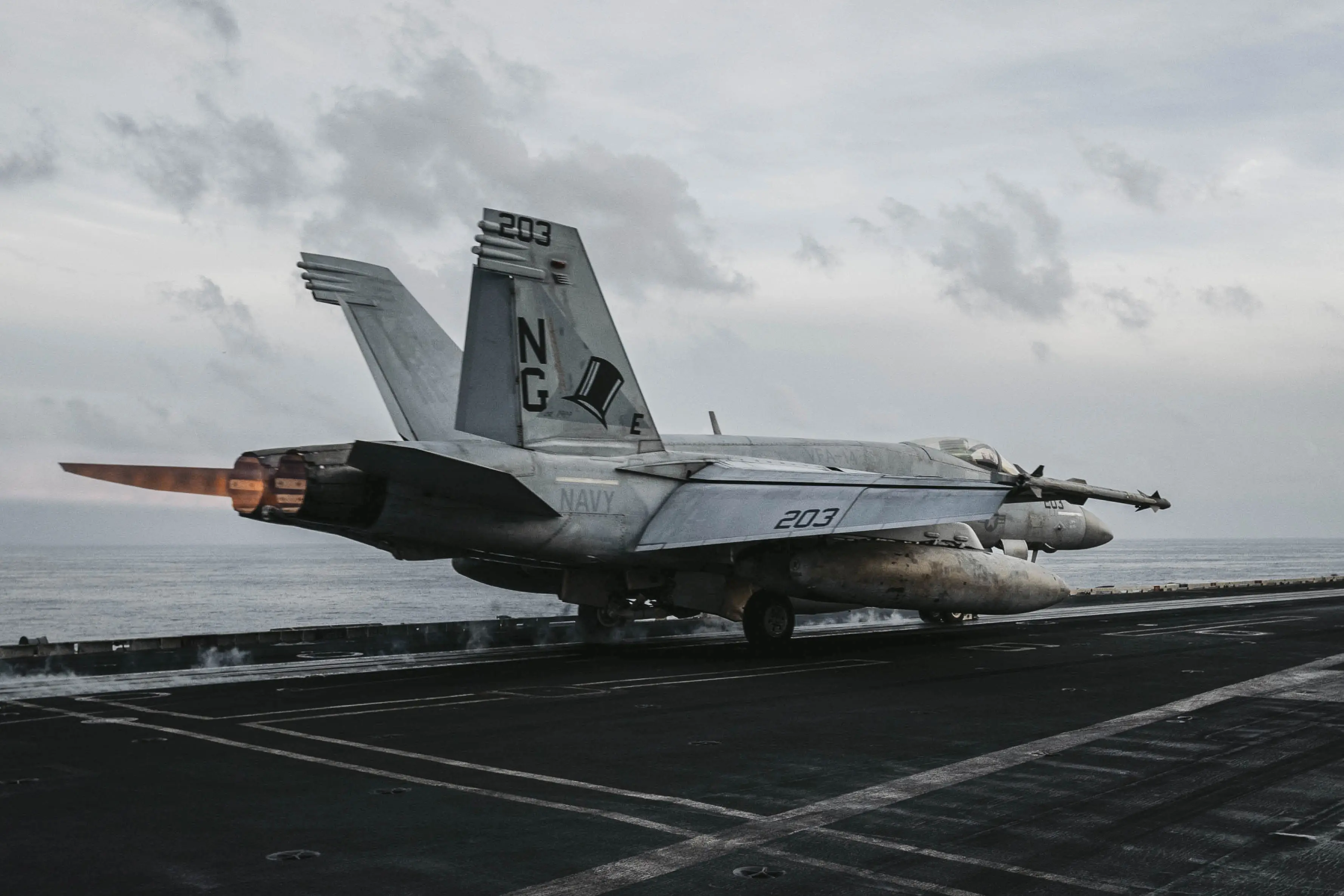
A city of 5,000 produces an incredible amount of trash, which can't simply be tossed overboard. The Lincoln utilizes a Plasma Arc Waste Destruction System (PAWDS). This sci-fi tech uses a plasma torch hotter than the sun to vaporize food waste and trash into elemental gas and a small amount of inert, glass-like slag, keeping the ship's environmental footprint nearly zero.
Galley Morale: The Heart of the Ship
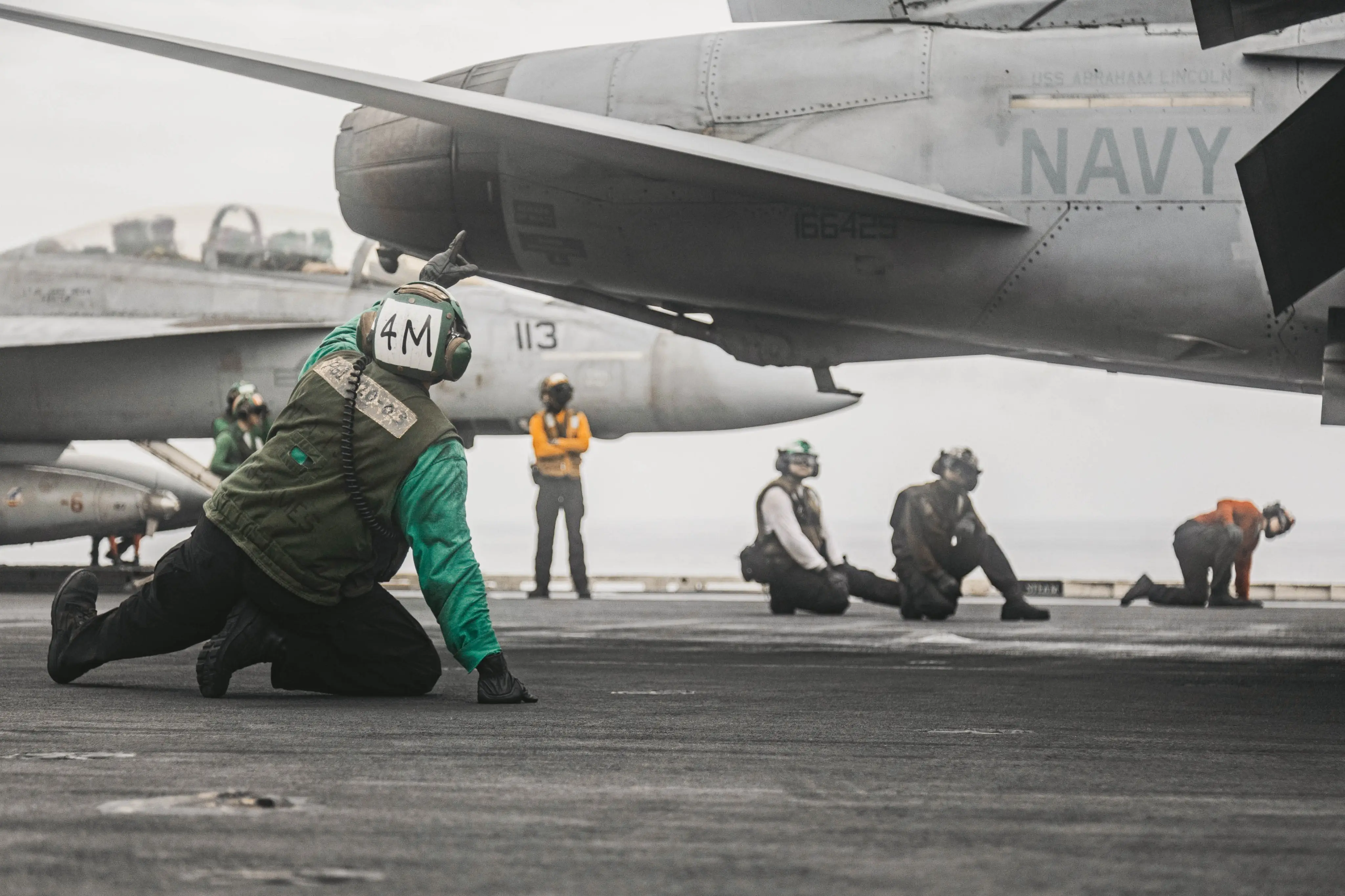
In the high-stress world of naval aviation, the galley is the only place where rank fades and the crew can decompress. ‘Burger Day’ or ‘Steak and Lobster Night’ (often served before high-intensity operations) aren't just meals—they are calculated leadership tools used to boost psychological resilience during record-breaking deployments.
)
)
)
)
)