Mass 'black death' graves discovered in UK

Deadliest medieval outbreak
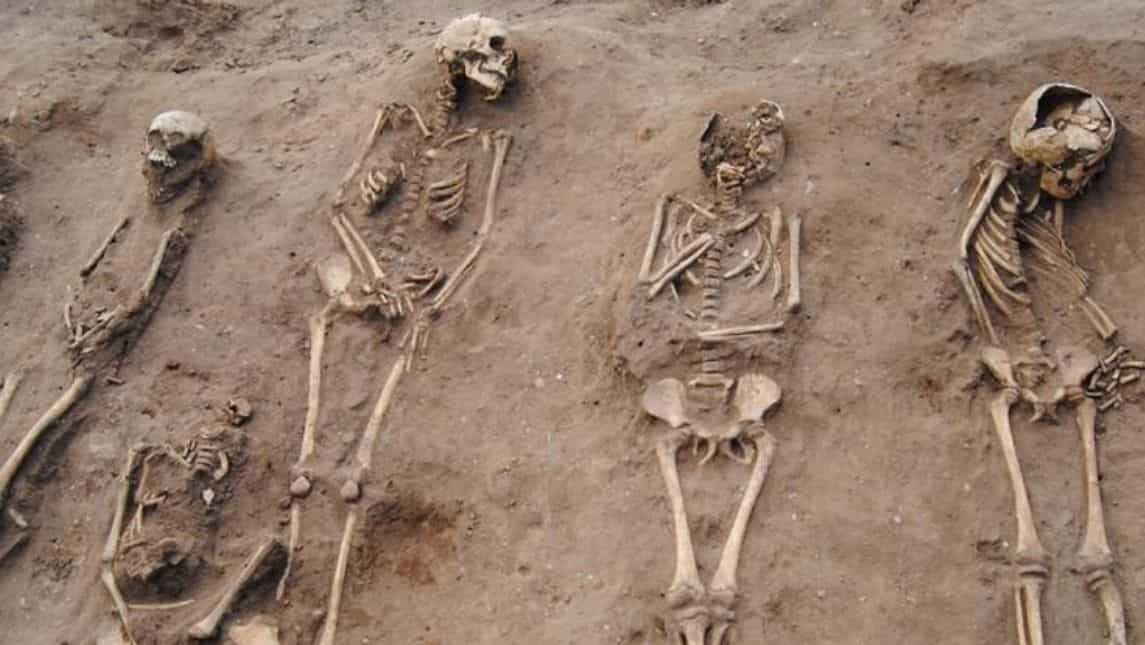
The grave has been dated back to the 14th century, almost certainly to the earliest and deadliest medieval outbreak in 1348-49.
The researchers who discovered the mass graves believe that the Black Death is the ''most probable cause of death'' of the victims.
It contained the bodies of at least 48 men, women and children who were laid in a sandy pit within days of each other.
Bubonic plague
Documented evidence indicates the bubonic plague had hit Lincolnshire, UK by the spring of 1349.
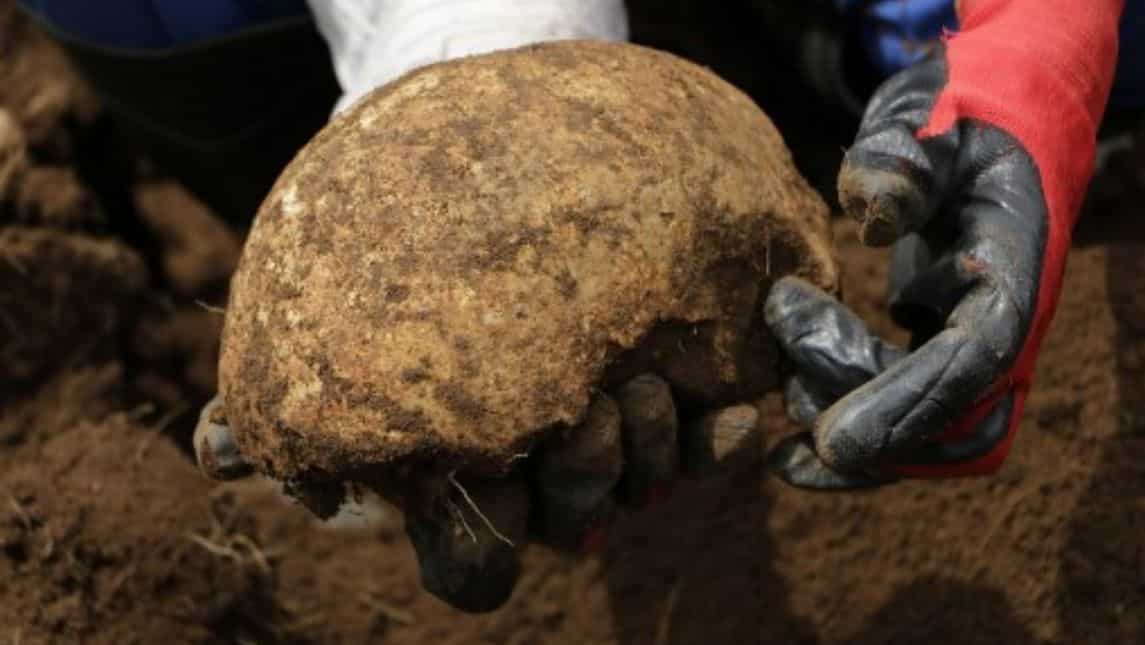
The centuries-old DNA extracted from the teeth of 16 individuals buried at the site revealed the presence of Yersinia pestis, the bacterium that causes the disease.

First excavated in 2013
The grave, located on the grounds of the historic Thornton Abbey in North Lincolnshire, was first excavated in 2013.
Radiocarbon dating
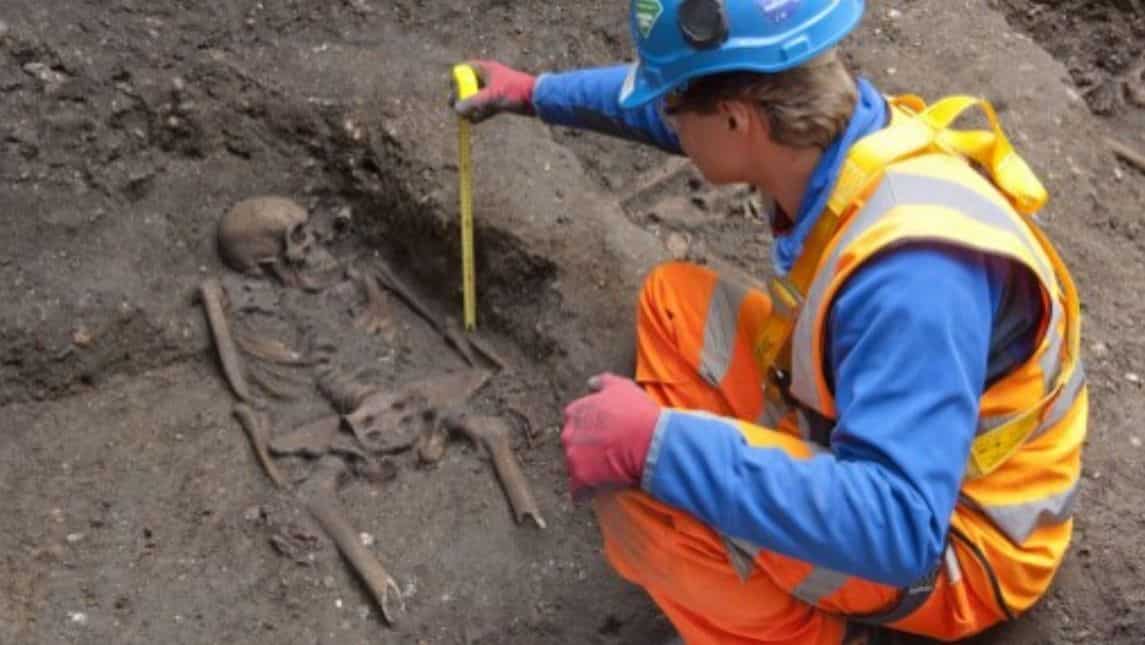
Radiocarbon dating of two skeletons indicated the victims died sometime between 1295 and 1400, while ceramics and two silver pennies found in the grave helped experts narrow the date range down to the mid-14th century.

Catastrophic failure
This is the first Black Death mass grave found in Britain in a rural area.
It suggests that not just urban dwellers but country dwellers were overwhelmed by the Black Death’s toll.
According to researchers, the Lincolnshire grave seems to represent a “catastrophic failure of the established system of dealing with the dead”.
)
)
)
)
)