French election 2022: Even with a 'changed' image, Marine Le Pen loses her final presidential race

A crushing defeat
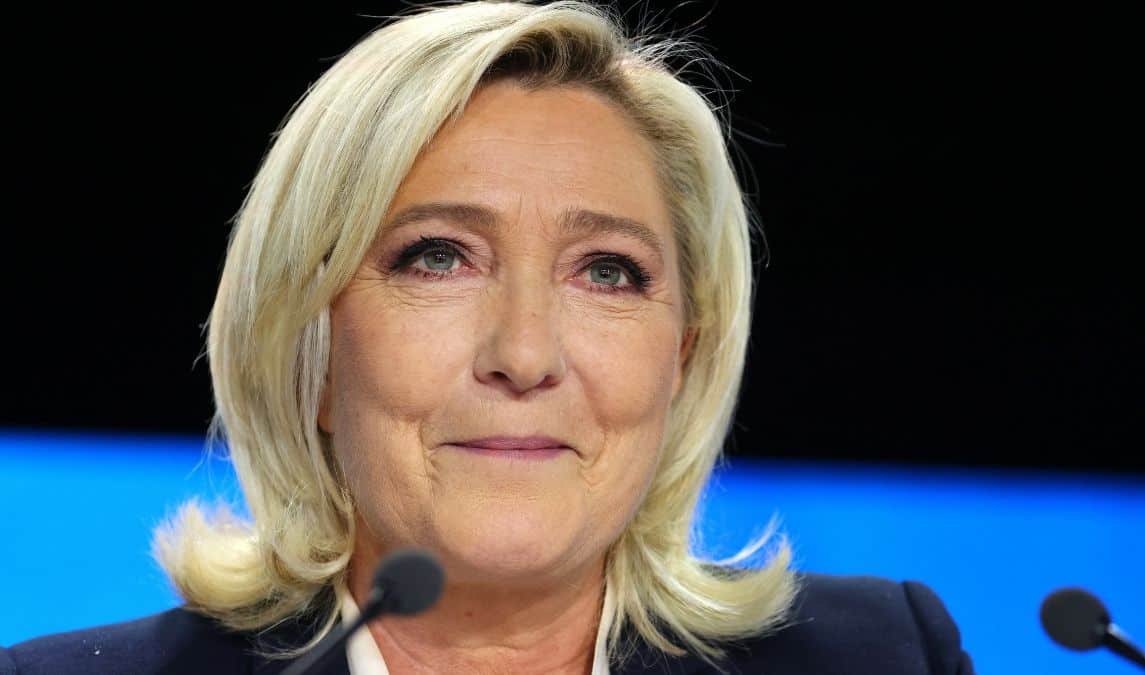
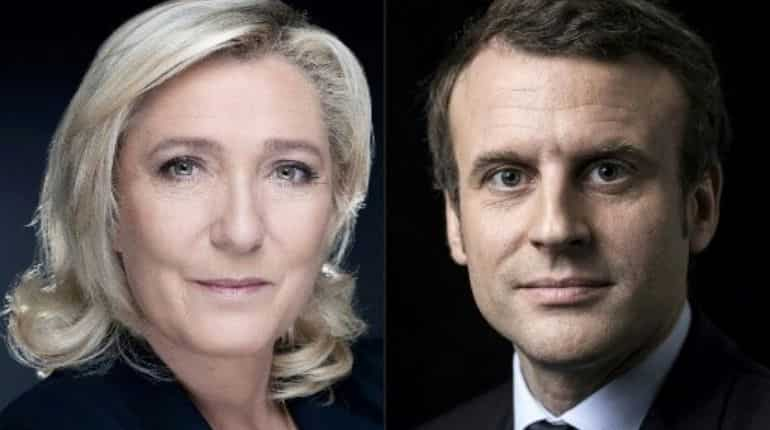
The people have spoken, evena fter all her attempts to change her image, Marine Le Pen lost the presidential race to Emmanuel Macron.
As per France’s Ministry of Interior website Macron received 58.5 per cent, with 18.8 million votes, while Le Pen stood at 41.5 per cent with 13.3 million votes.
The last run
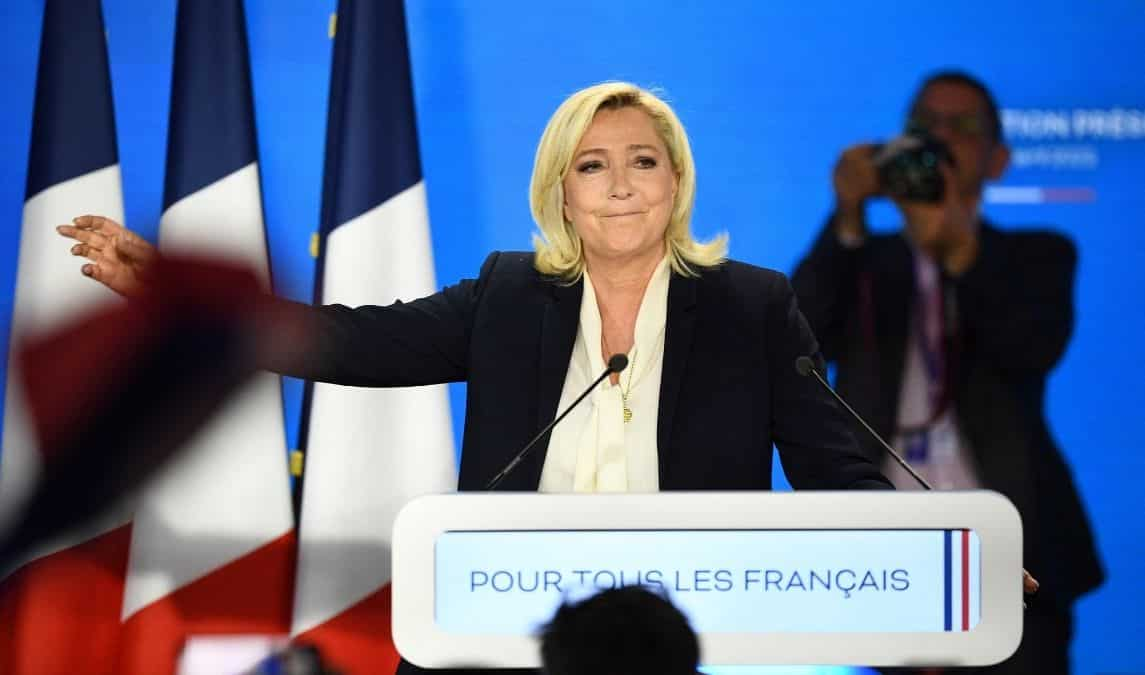
The 2022 French Presidential election was the last run for Marine Le Pen. The far-right candidate had previously said that this, the third presidential bid would be her last.
She had earlier contested in 2012 and 2017. This year's results are the closest a far-right candidate has come to winning the election race in France.
In the 2017 polls, Le pen stood at 33.9 per cent with 10.6 million votes while Emmanuel Macron, the winner garnered 66.1 per cent with 20.7 million votes.
A ‘changed’ image
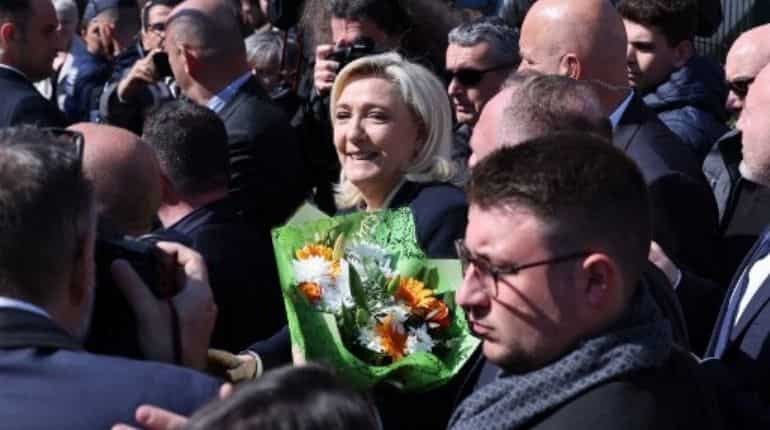
The far-right presidential candidate in France is said to be a different politician than she was five years ago: more confident, less prone to errors and more tune in to the country according to her fans.
Le Pen has admitted to making mistakes in her failed 2017 campaign to defeat Emmanuel Macron who won the run-off by a margin of 66 per cent to 34 per cent, AFP reported.
Fundamentals remain unchanged
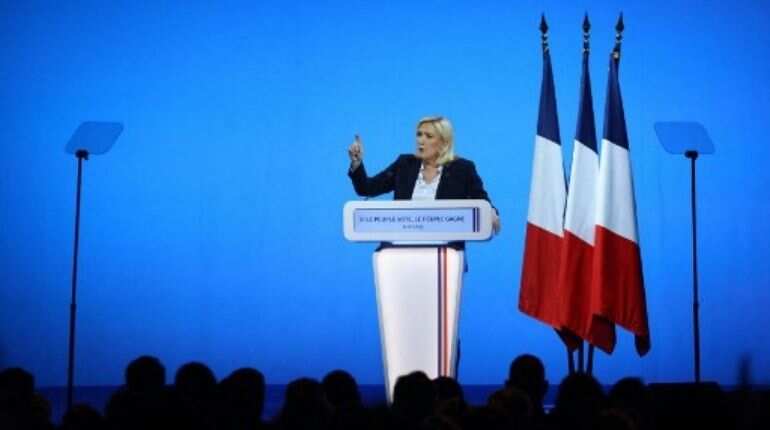
Marine Le Pen’s campaign focused more on the rural and small towns of France as well as addressing one of her biggest political flaws: her affiliation with racism.
During her campaigns, she focused her energies on rural areas, warning about “Islamist totalitarianism”, and focused on rising prices and the expense of living.
She worked for a decade to detoxify her party’s reputation, even changing the name of the party from National Front to the National Rally in 2018.
A clash with Macron over Islamic Hijab ban
According to analysts, Le Pen is skilled in crafting her moderate image and positioning herself as an appropriate candidate best suited to deal with the rising prices. However, she failed to abandon her hostility toward the Islamic headscarf, declaring that if she gains power, she, women who wear the hijab in public will be fined, AFP reported.
Her rival Macron used this for his gain, demonstrating that Le Pen’s ideas were no different from her father's. He portrayed himself as a supporter of religious liberty, claiming that any ban on the veil would imply that all religious signs would be required to be covered.
Le Pen’s promises
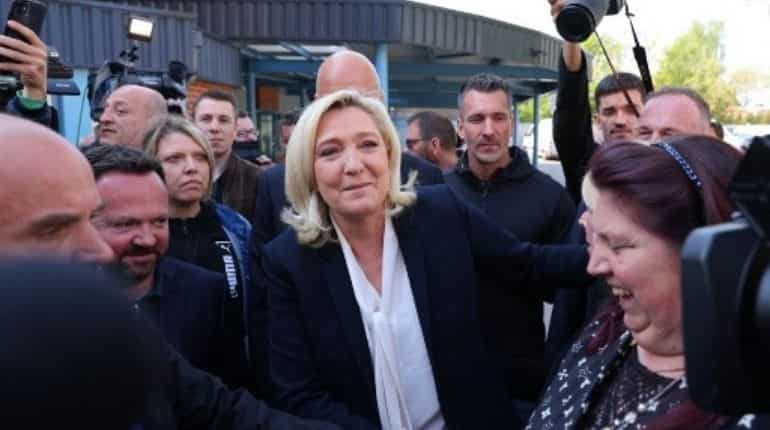
The far-right leader attempted to combine her typical hard position on immigration and protecting the traditional French identity with a scheme to support low-income families in France.
She promised to organise a referendum on tightening immigration regulations, including requiring residency applications to be submitted solely outside of the country.
Housing and other social services were to be prioritised for French citizens over foreigners under a “national priority” policy. She had also promised 25,000 new prisons beds and more police.
Le Pen's personal life
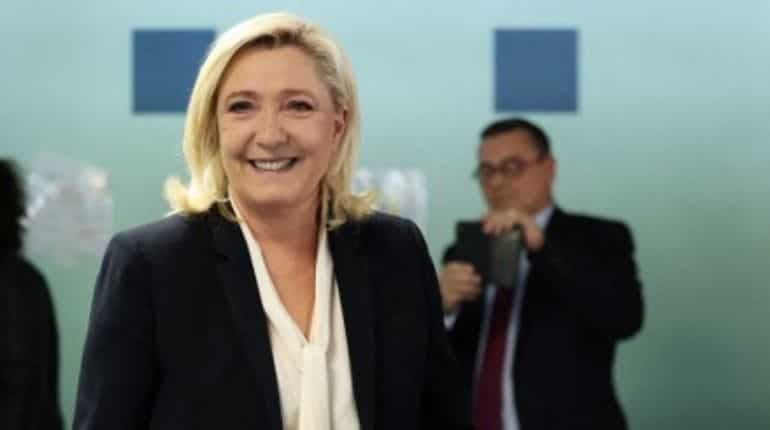
During the campaign, Le Pen talked about her personal life. She spoke about the anguish of having her family home bombed in 1976, as well as the difficulty of living in the shadow of her father, far-right leader Jean-Marie.
Her openly racist father was a veteran of the protracted battle in Algeria that eventually led to the former French colony's independence. He has left an indelible effect on Le Pen’s life.
The descendants of French people who were forced to escape Algeria known as ‘pieds noirs,” are a vital source of support for the party in the south area.
The twice-divorced mother of three has been trained as a lawyer and began her career defending the illegal immigrants awaiting deportation but she later returned to her family and her father's party.
)
)
)
)
)