Mamdani urges return of Koh-i-Noor, puts spotlight on British spoils

Zohran Mamdani’s remark about the Koh-i-Noor has resurfaced the debates over the return of colonial-era artefacts. A number of gems in the Crown Jewels have contested histories linked to the empire.
Mamdani asks for the Koh-i-Noor
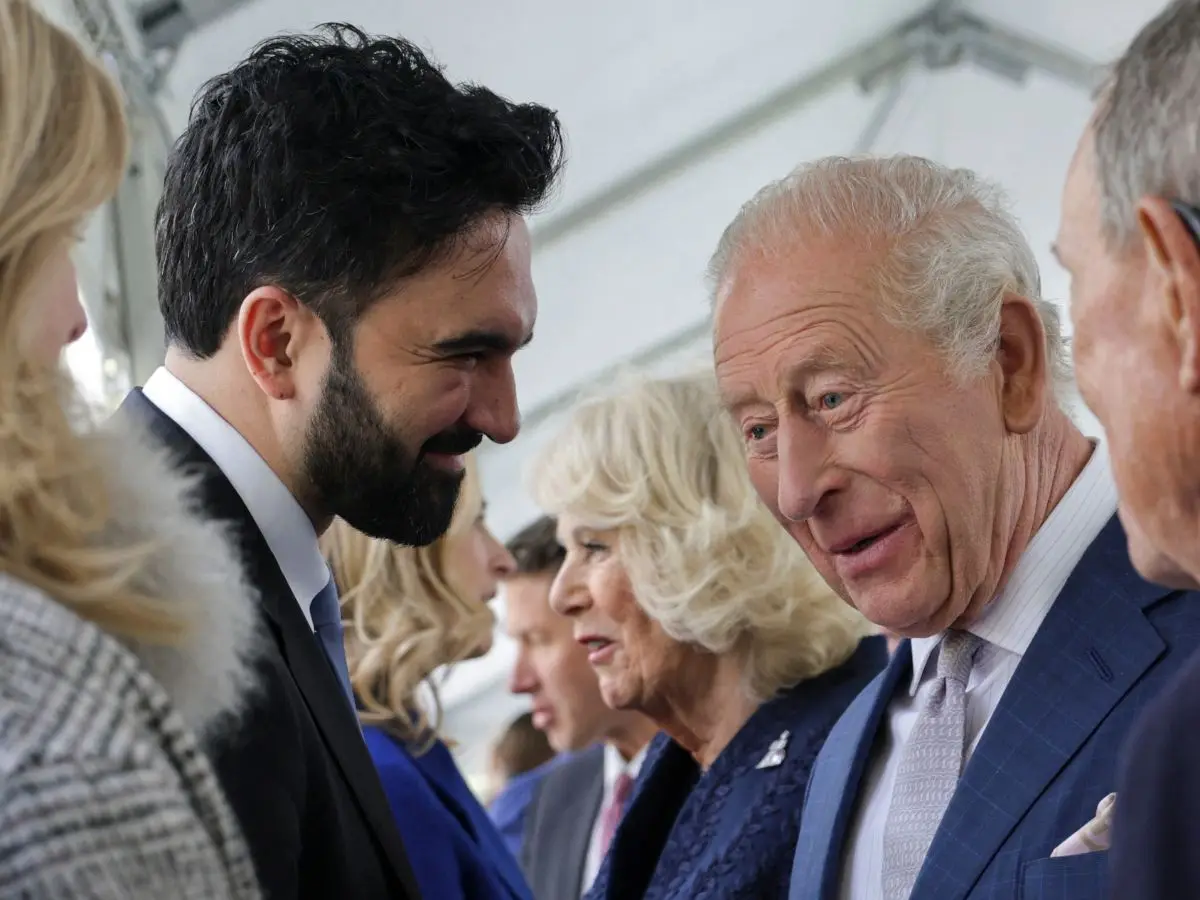
New York City Mayor Zohran Mamdani said that he would encourage King Charles to return the Koh-i-Noor diamond if he were to meet him privately. The remark, which came ahead of the King’s visit to the Big Apple, adds to the longstanding debate surrounding repatriation by the British.
Demands for repatriation
Governments and individuals of former colonies frequently call for the return of cultural artefacts held in British institutions to their origin countries as part of reparation. The British Crown Jewels feature a number of ceremonial objects and gemstones with imperial origins.
What are the Crown Jewels?
The Crown Jewels of the United Kingdom are made up of over 100 objects and 23,000 gemstones acquired over centuries by kings and queens. The collection of royal ceremonial objects is kept in the Jewel House at the Tower of London. Some of the significant gemstones have a controversial history, linking them to colonial exploitation.
The Koh-i-Noor
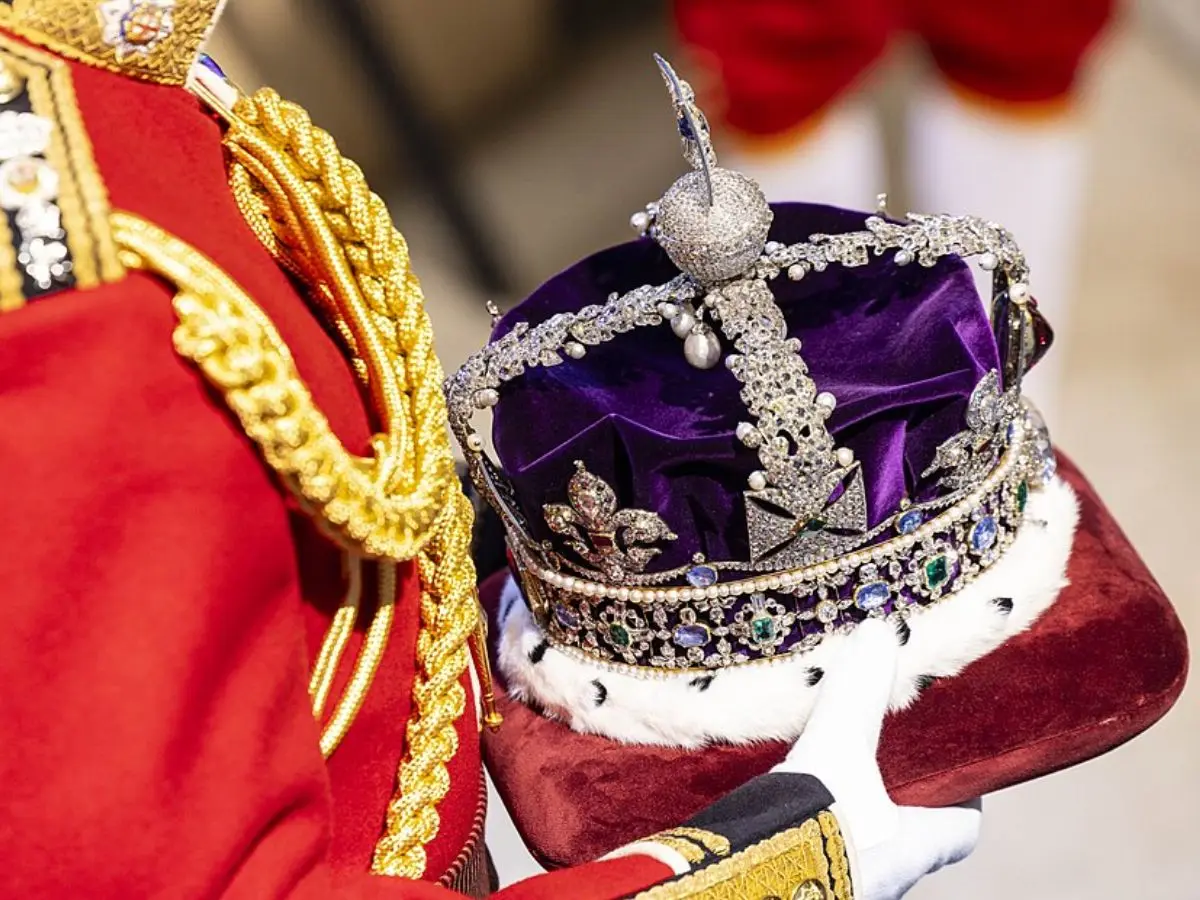
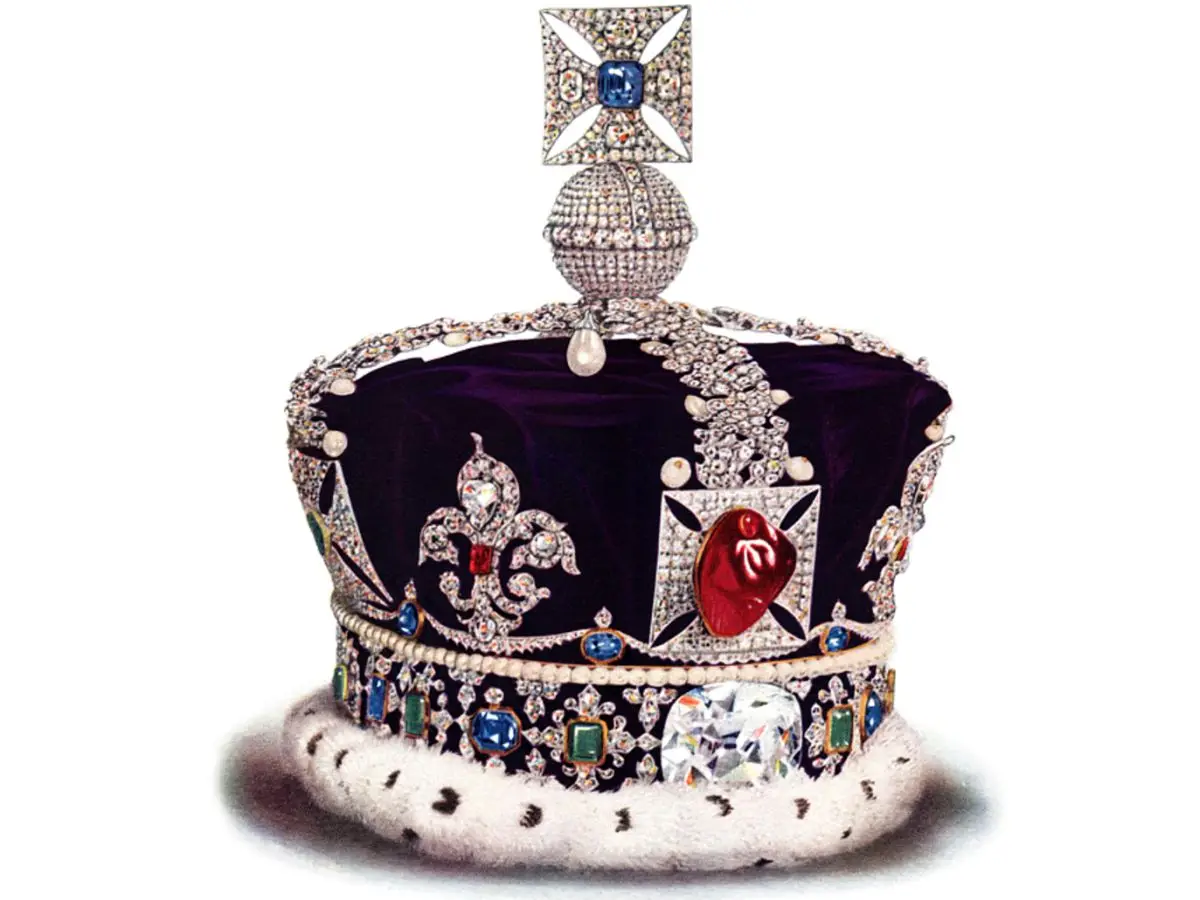
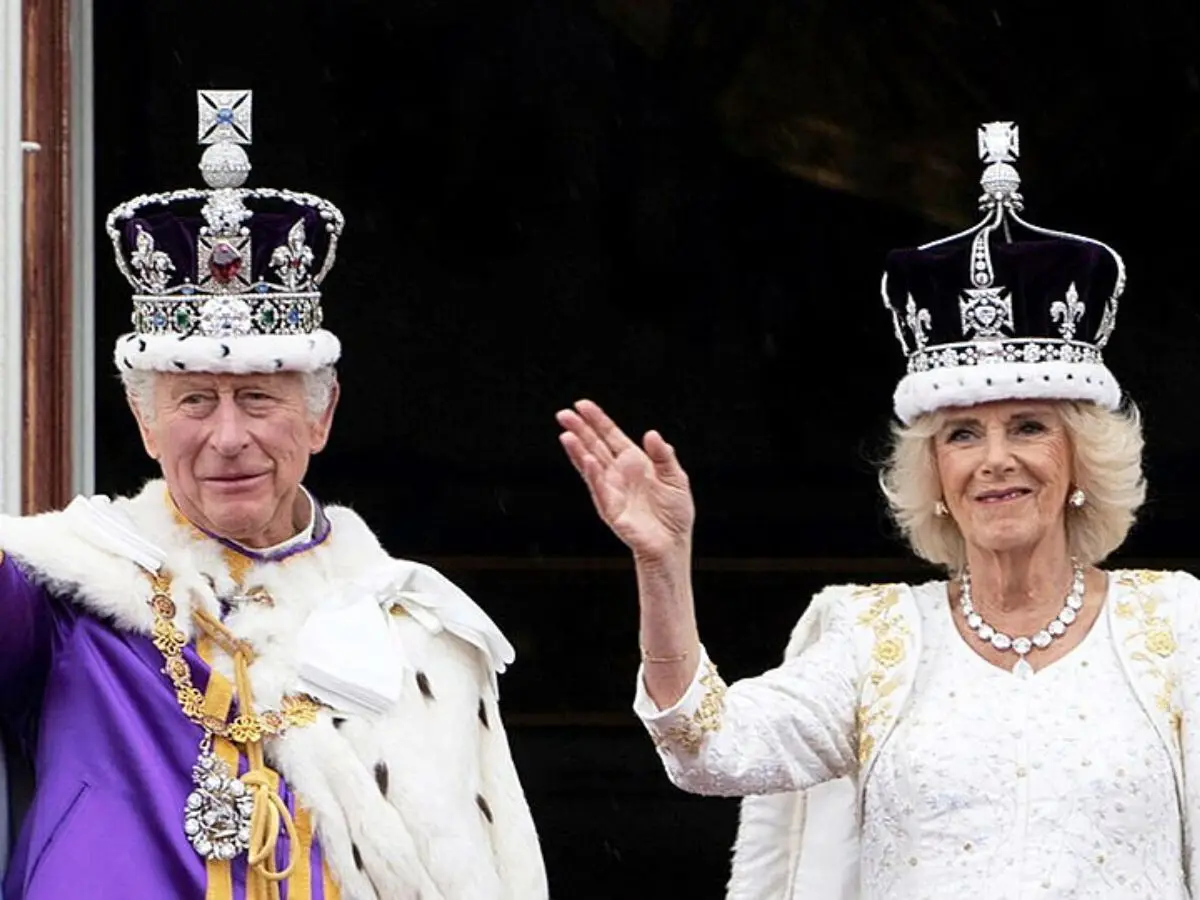
Set in the Crown of Queen Elizabeth, the Koh-i-Noor diamond is one of the largest cut diamonds in the world, weighing 105.6 carats. The diamond was seized by the British East India Company after they annexed the Kingdom of Punjab, allegedly forcing the nearly 11-year- old Raja Duleep Singh to “gift” it to Queen Victoria.
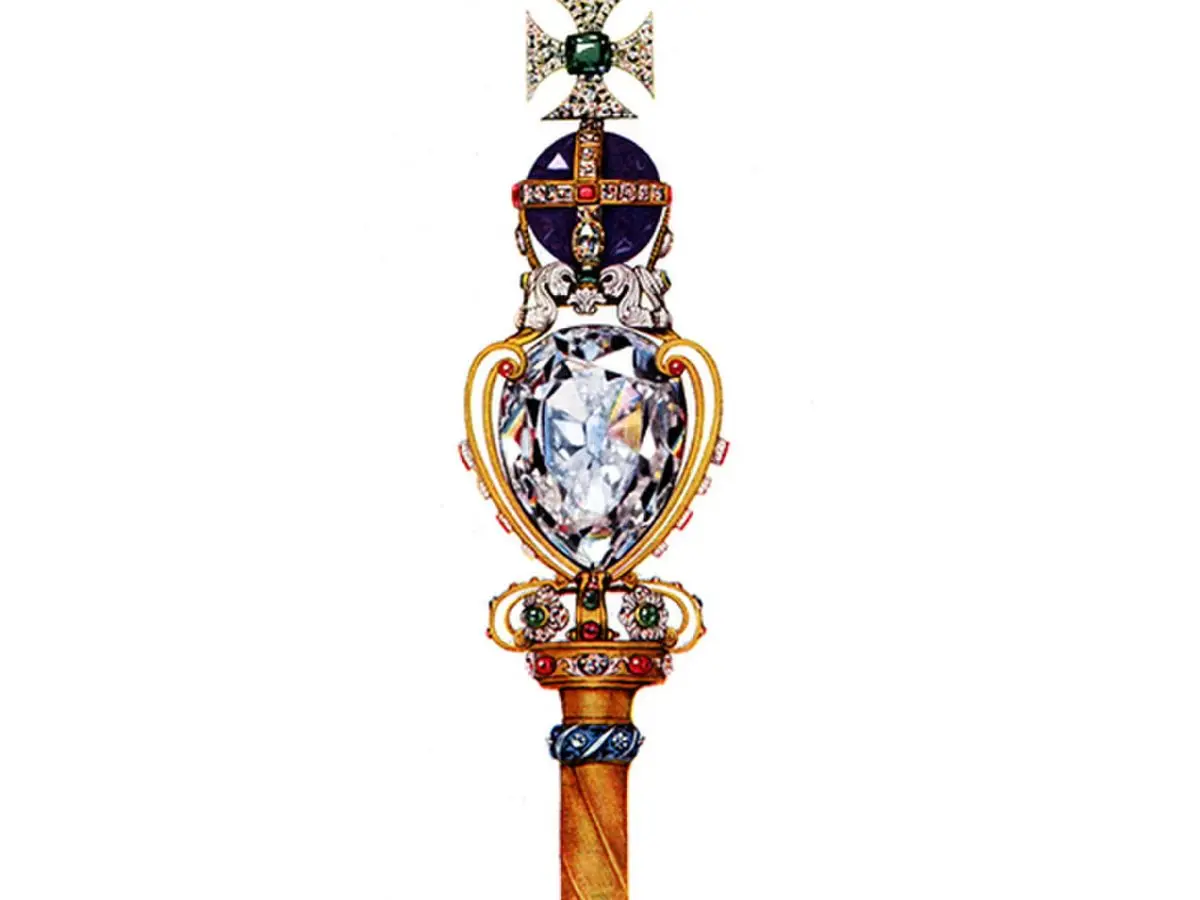
The Star of Africa
The Cullinan is the largest gem-quality rough diamond ever found, weighing 3,106 carats. The stone was cut into nine principal diamonds and a number of smaller stones. Today, Cullinan I & II form part of the British Crown Jewels. The diamond was “gifted” to King Edward VII in 1907 by the government of Transvaal, which operated as a British Colony. Many argue that the “gift” was coerced by the political colonial environment.
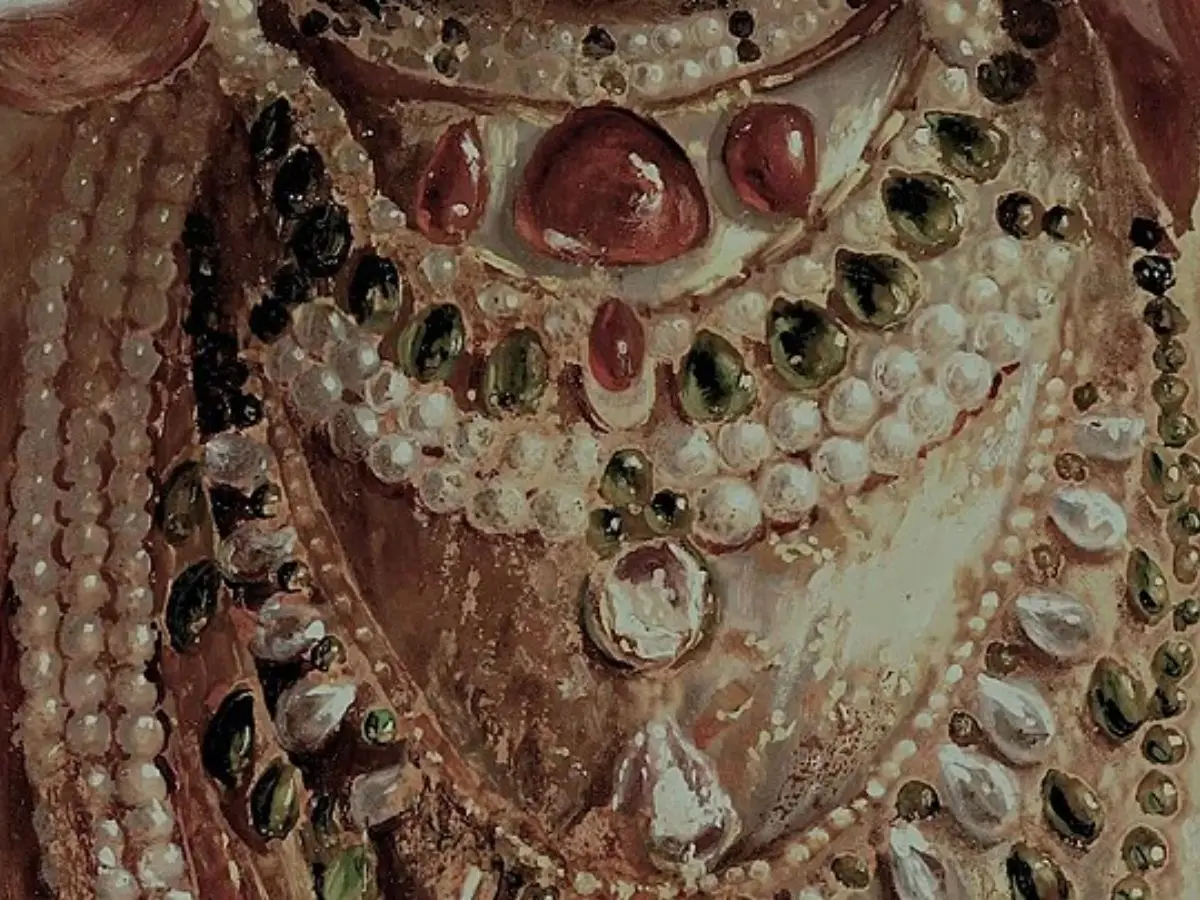
Timur Ruby
The Timur Ruby is one of the world’s largest stones, an unfaceted 352.5-carat gem. Contrary to its name, it is not a ruby but a red spinel, and is inscribed with the names of its five legendary owners, including Shah Jahan and Jahangir. It was also presented to the Queen as a “gift” after the capture of the Sikh Empire of Punjab and incorporated into the Crown Jewels.
Reminders of plunder
The precious jewels, sitting in the UK treasury and some even on the Royal Crowns, serve as a painful reminder of the atrocious crimes committed by the Empire but continue to adorn the Royal family’s treasures. Zohran Mamdani is one of the many who have demanded the return of such prized items linked to a bloody past.
)
)
)
)
)