Mad Max to The Raid: 6 adrenaline-fueled films to watch before Edgar Wright’s The Running Man hits theatres

The countdown is on. Edgar Wright’s The Running Man is one of the most anticipated action releases of the year, hitting theaters on November 14th. This new version, starring Glen Powell, is a re-adaptation of Stephen King’s dystopian novel.

Edgar Wright's The Running Man
Forget the 1987 Arnold Schwarzenegger satire. This Running Man is expected to be more grounded, more physically brutal, and driven by movement-as-story. It's a film where every escape, every punch, and every step matters.
These six films are your cinematic warm-up—a dose of pure, visceral action to tune your eyes and body before you enter the arena.

The Raid (2011)
The gold standard for narrative-through-movement. Gareth Evans’ The Raid starring Iko Uwais is arguably the single most influential modern martial action film of the last fifteen years. Every punch and every strike is narrative information; the choreography is not cool spectacle—it is story logic delivered through pure movement and technique. This is essential viewing to appreciate brutal, efficient, and physics-driven combat.
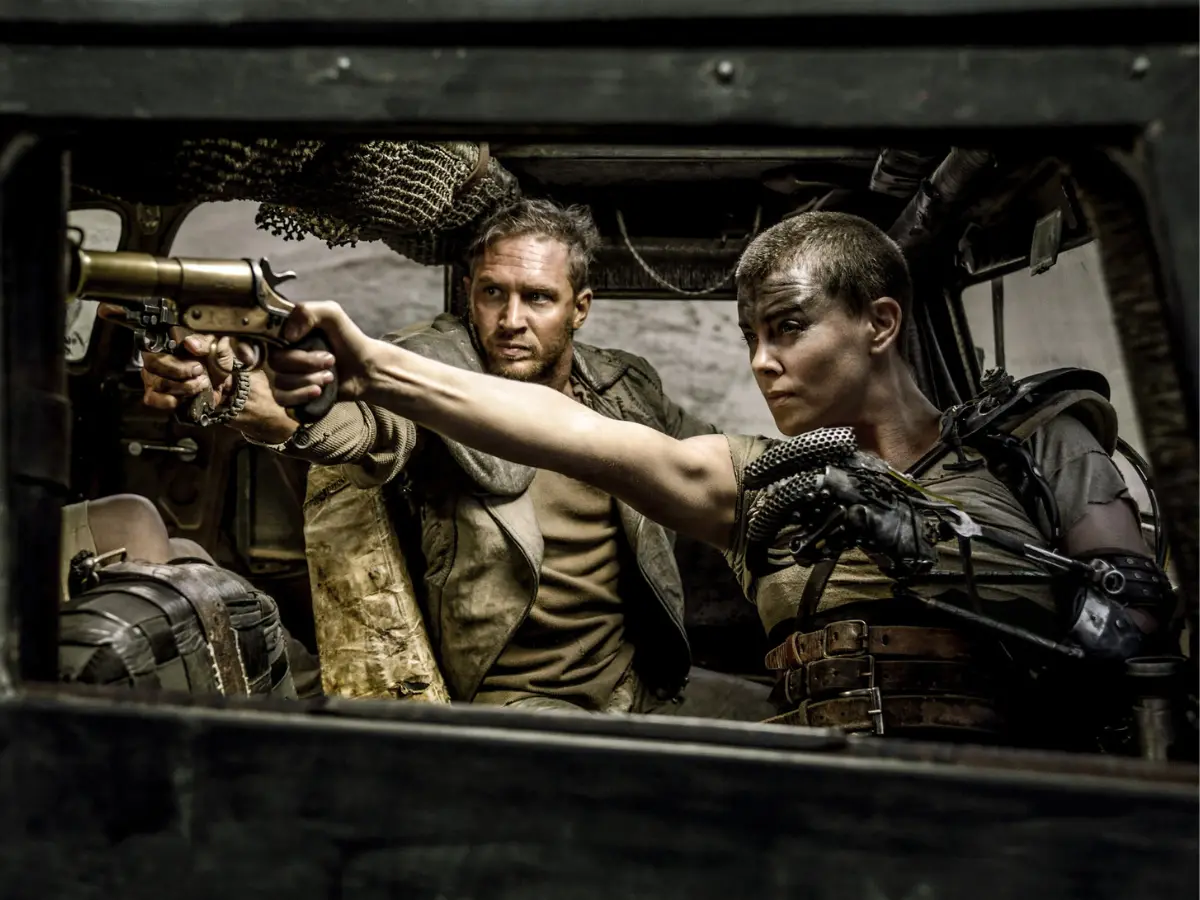
Mad Max: Fury Road (2015)
Non-stop propulsion and escalation. George Miller’s Mad Max: Fury Road starring Tom Hardy and Charlize Theron is the definitive modern benchmark for propulsion cinema. The story exists entirely in a state of constant, forward escalation. There is no time to breathe, no pause; it trains your brain to read stakes and emotional architecture inside pure, high-velocity speed.

John Wick: Chapter 4 (2023)
Clean spatial geography and technical violence. While the whole franchise matters, Chad Stahelski’s Chapter 4 is the pinnacle of teaching mainstream viewers how to read clean choreography, proper spatial geography, and technique-forward combat. It’s a masterclass in seeing the full scope of a fight, which is vital for appreciating grounded, high-stakes action.
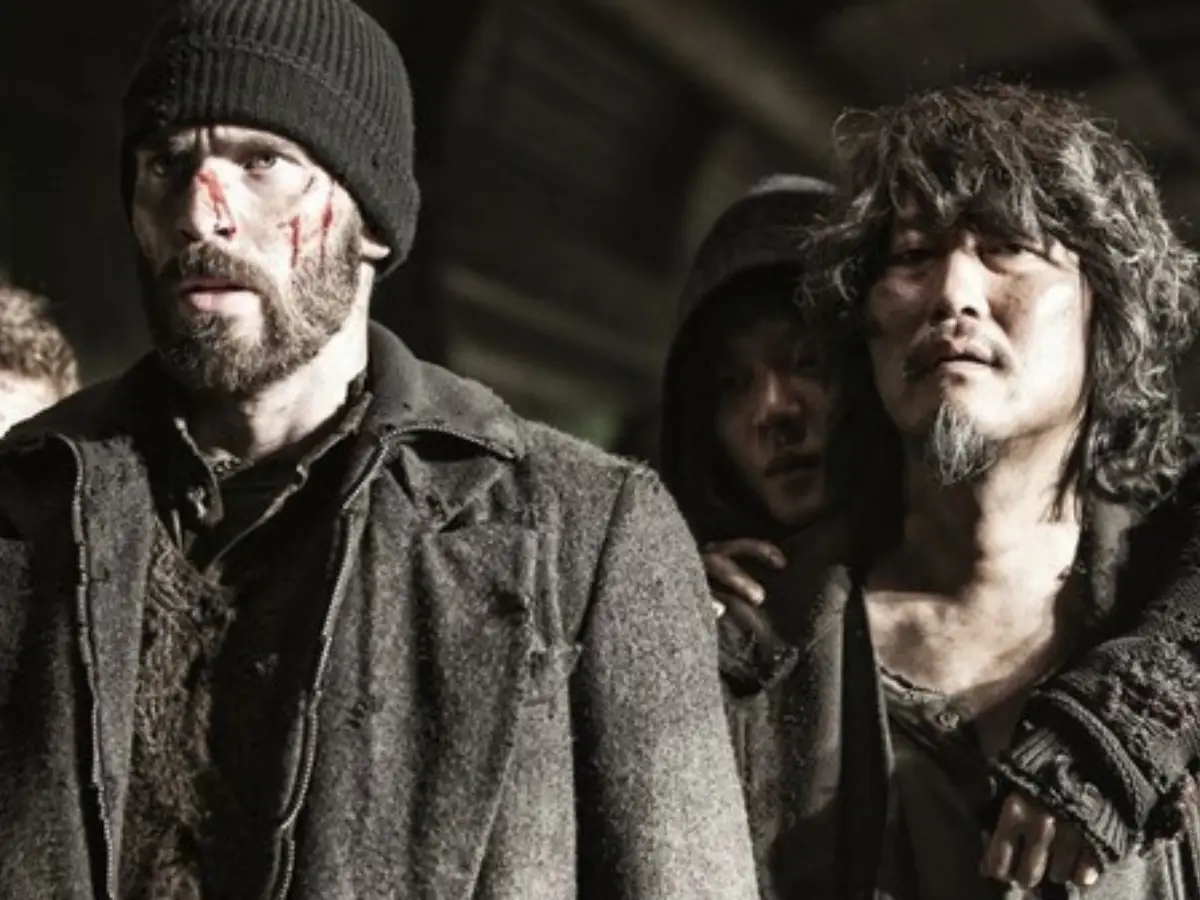
Snowpiercer (2013)
Single-axis, closed-system survival. Bong Joon-ho’s Snowpiercer is the pure example of a single-axis, forward narrative through a closed, contained system. Class, power, and violence all compress into an inescapable inevitability as the hero moves one direction. It perfectly mirrors the psychological and physical pressure of being trapped in The Running Man's lethal environment.

Hardcore Henry (2015)
First-person nervous system priming. Ilya Naishuller’s Hardcore Henry functions as direct nervous system priming. The full First-Person-View (POV) design is a jarring experience that forces you to experience action and violence from the inside, rather than as a detached observer. It's the closest you can get to being hunted.
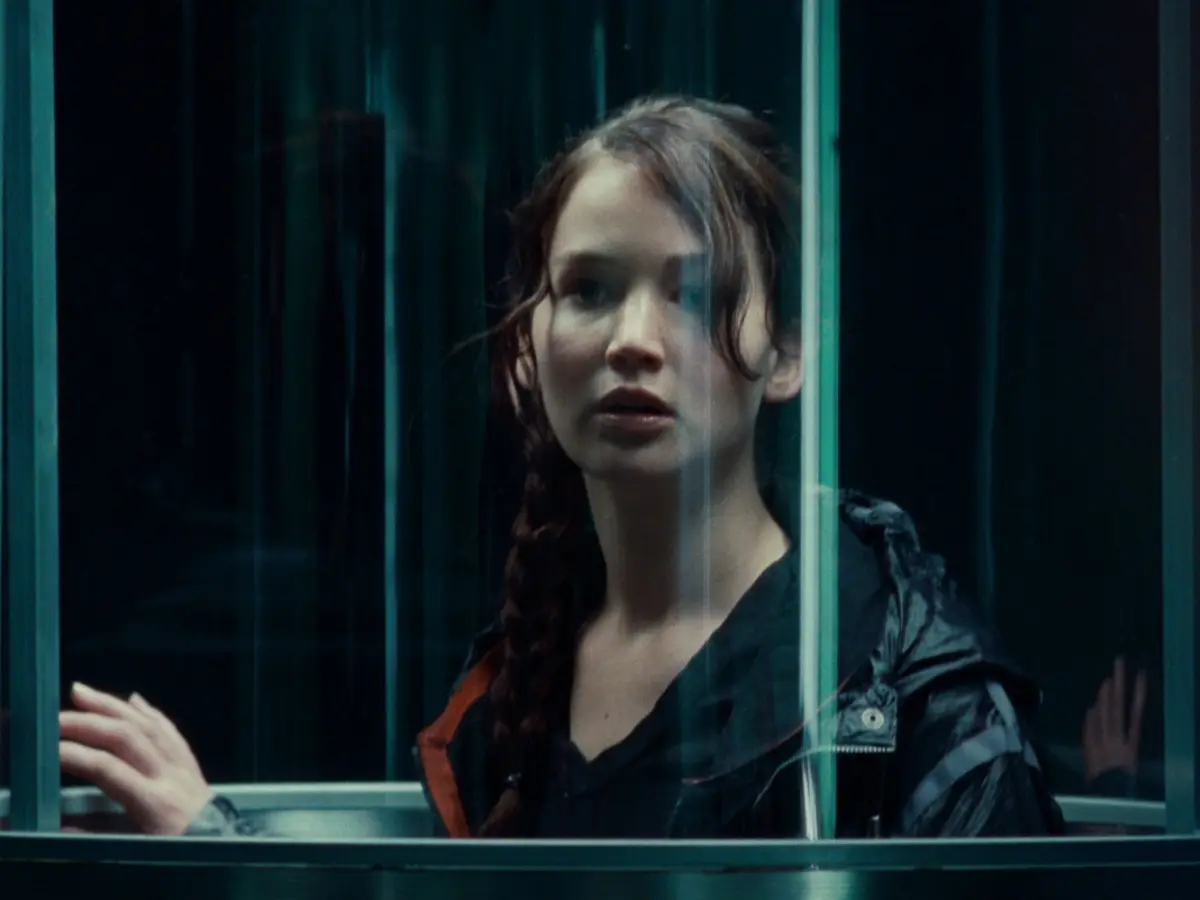
The Hunger Games (2012)
The established global blueprint for televised death. And finally, Gary Ross’ The Hunger Games stands as the most globally understood cinematic blueprint for televised death competition. While less brutal than the others, this is the mainstream cultural programming layer—the essential context for the dystopian spectacle and audience manipulation at the heart of King’s original concept.
)
)
)
)
)