'Machine Gun Systems, RAM, ESSM and.'.: The lethal arsenal protecting USS Abraham Lincoln from Iranian missile threats

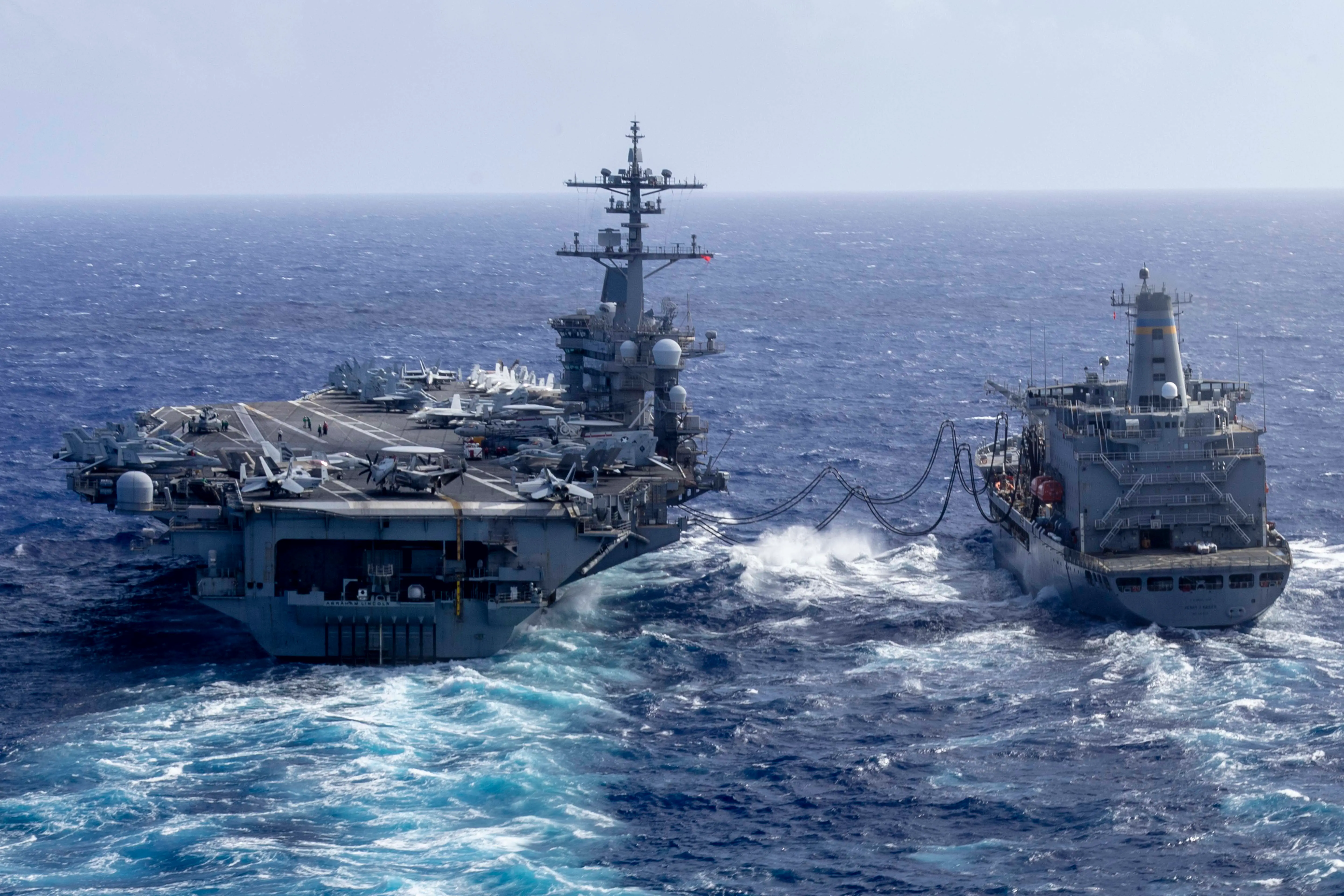
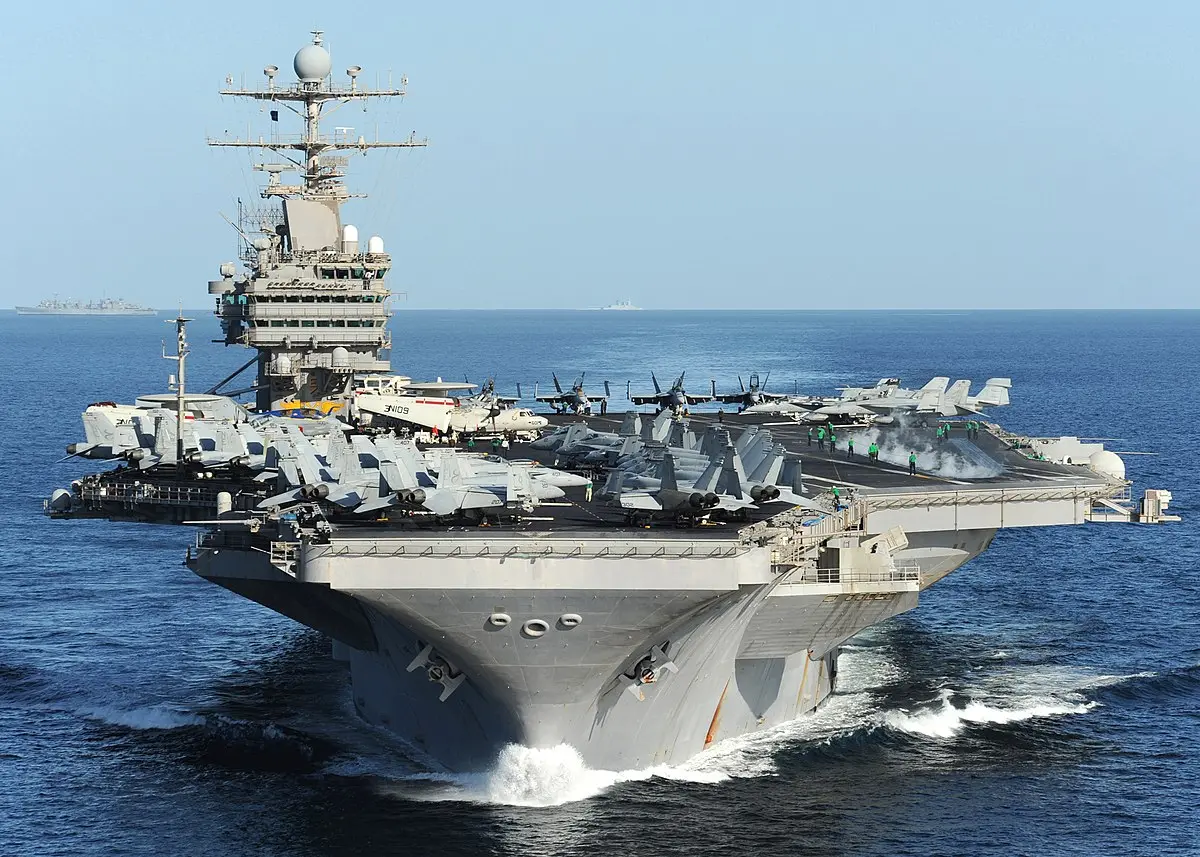
The first line of the ship’s internal defence against missile threats is the MK-29 Evolved Sea Sparrow Missile (ESSM) system. These launchers provide medium-range protection, capable of intercepting highly manoeuvrable anti-ship missiles.
Introduction
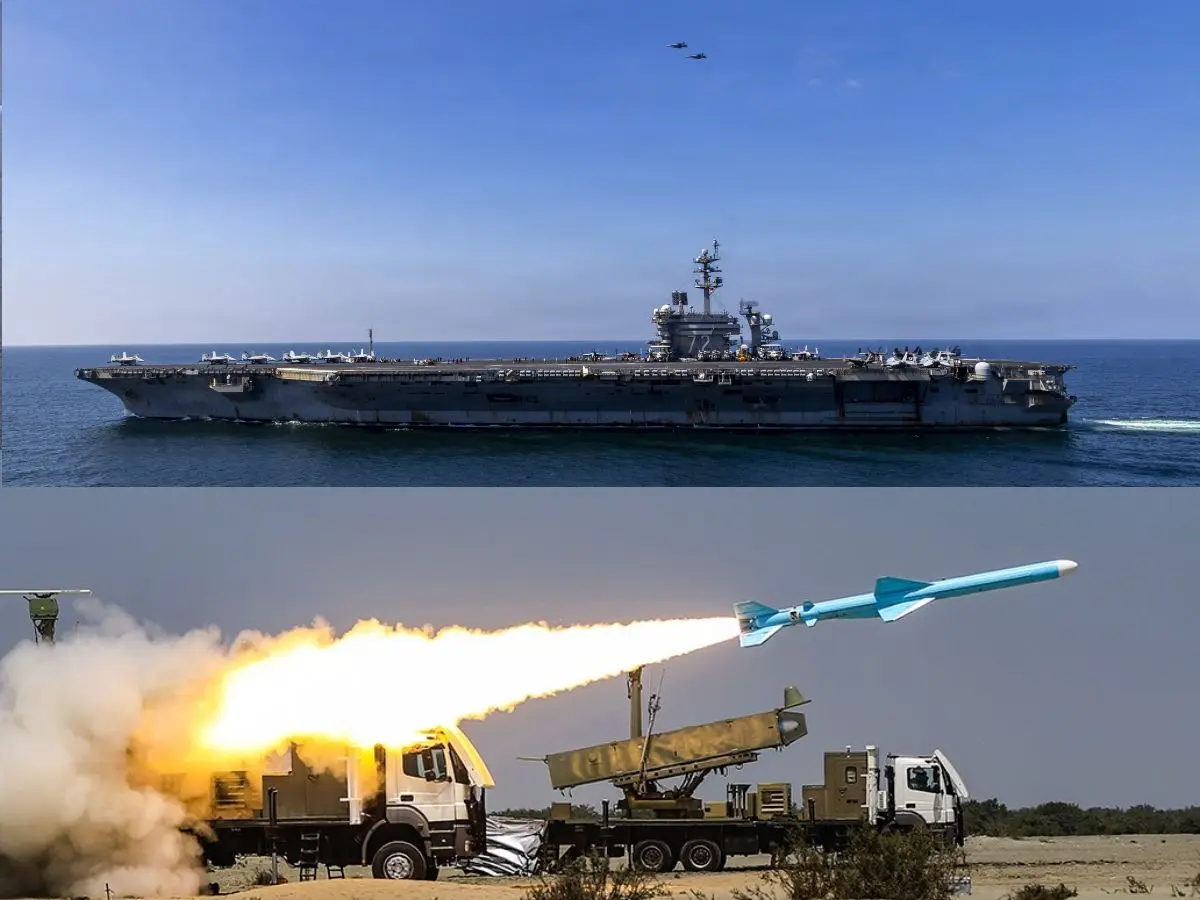
The Iranian Navy claimed to have launched shore-based cruise missiles at the USS Abraham Lincoln. According to a statement carried by Iranian state television and the Fars news agency, coast-to-sea projectiles were fired at the carrier, purportedly forcing the vessel to alter its position. Iranian Navy chief, Admiral Shahram Irani, asserted that the strike group is under constant surveillance and warned of powerful strikes whenever hostile fleets enter missile range. While these claims were not independently verified, the technical reality of the carrier’s survival rests upon its sophisticated, multi-layered defensive suite.
The Qader Threat: Iran’s Shore-Based Strategy
The primary weapon cited in the Iranian Army’s Public Relations Office report is the Qader cruise missile. Developed as a medium-range, anti-ship asset, the Qader is designed for sea-skimming trajectories to evade long-range radar detection. Admiral Irani’s warning, “as soon as this hostile fleet comes within range... it will be subjected to powerful strikes”. However, striking a Nimitz-class carrier requires bypassing a "kinetic wall" of automated weaponry specifically engineered to neutralise such incoming subsonic and supersonic threats.
Integrated Strike Group: The Lincoln’s Extended Defensive Perimeter
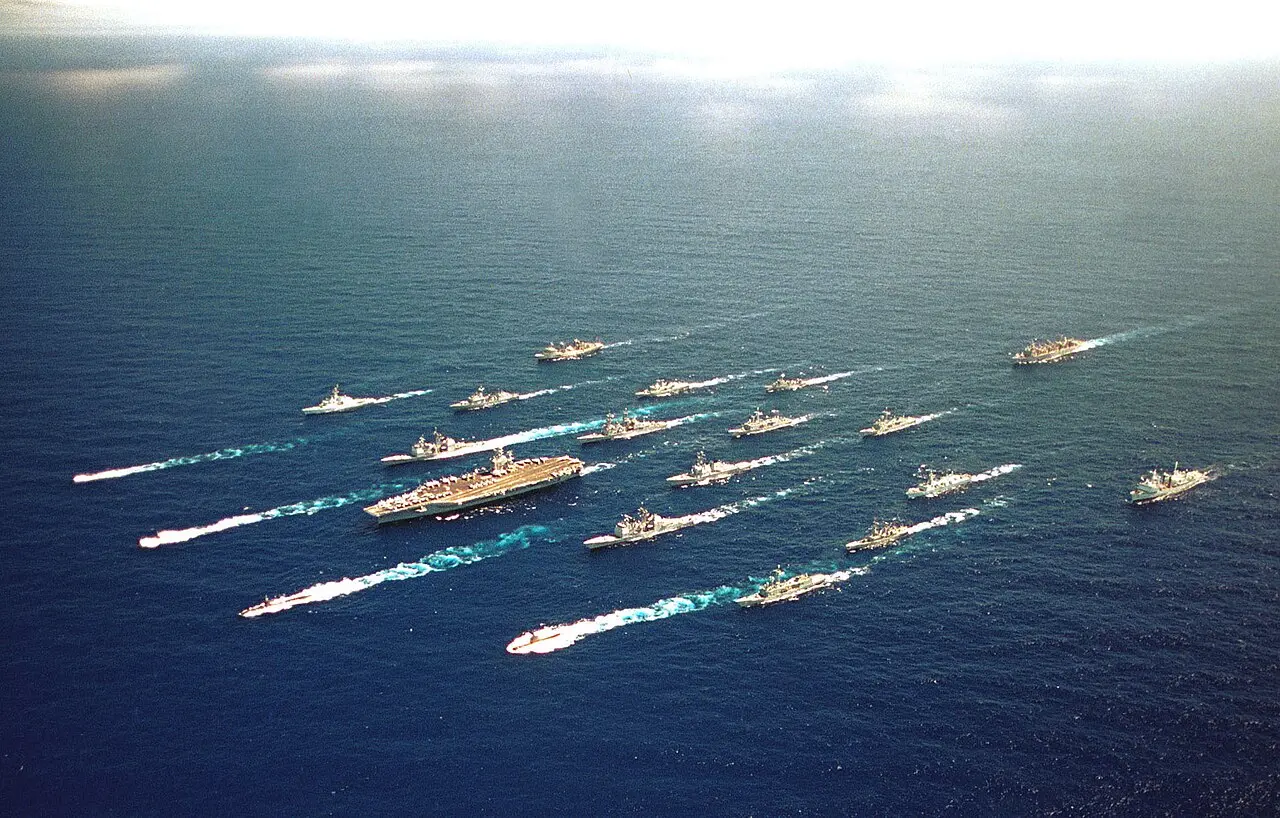
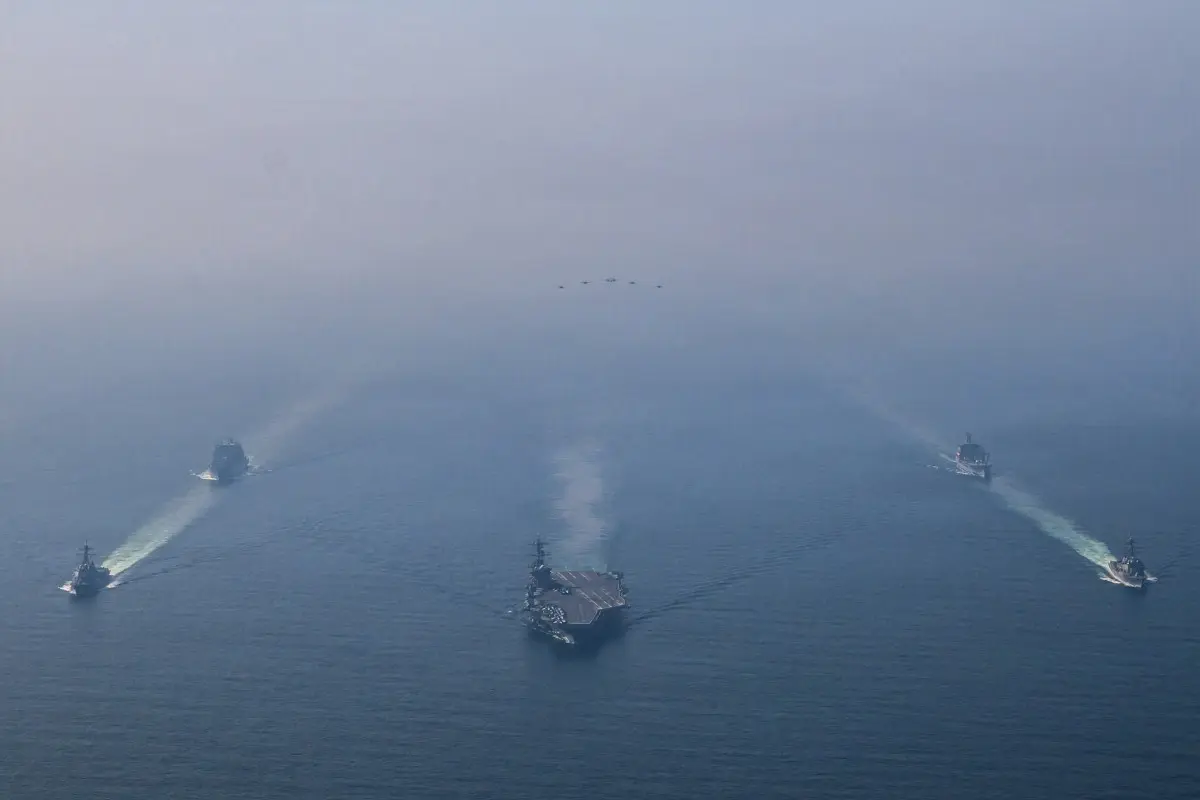
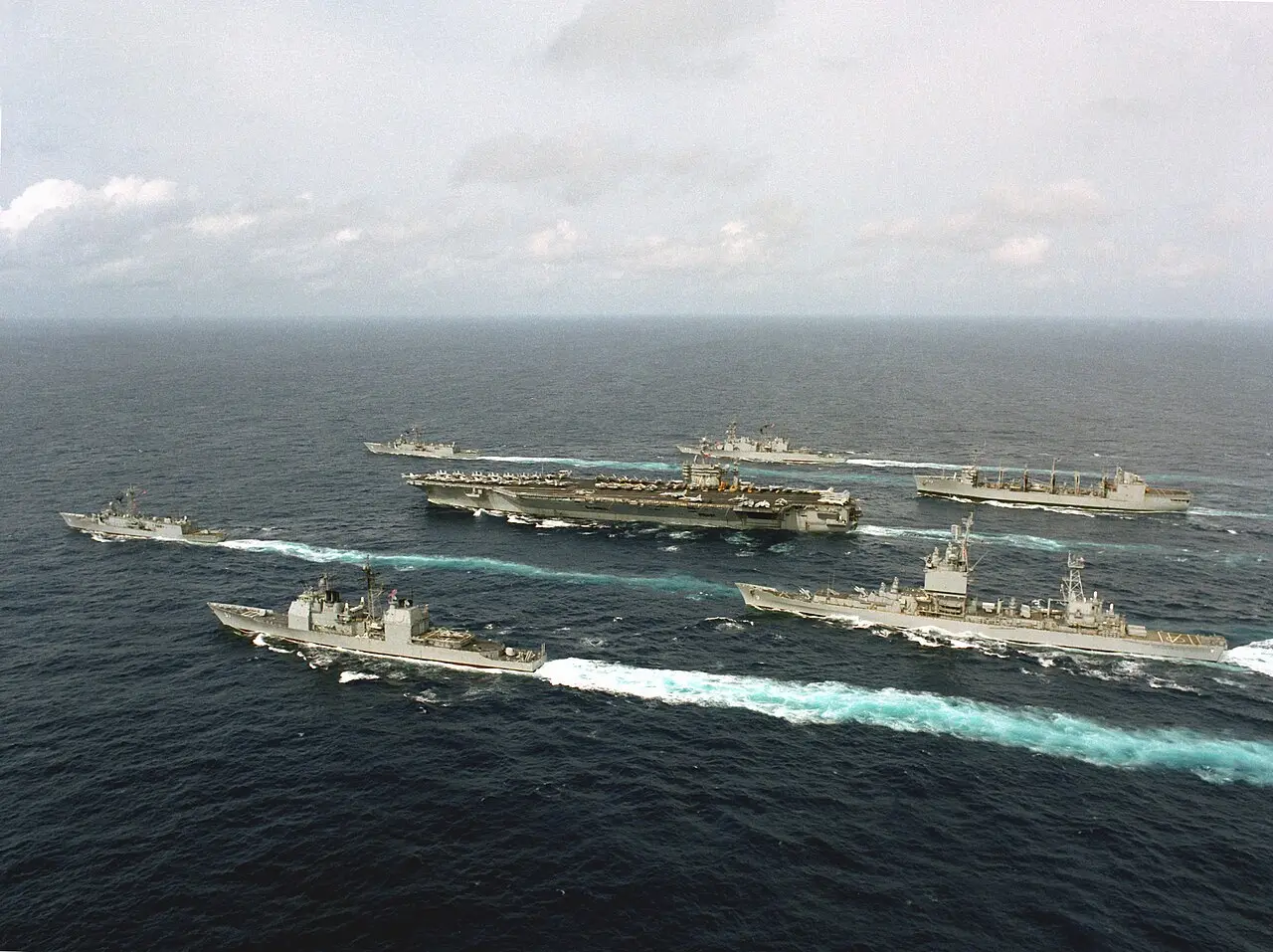
The USS Abraham Lincoln operates within a Carrier Strike Group in the Arabian Sea, protected by a network of Aegis-equipped destroyers. This integrated system tracks and intercepts multiple threats simultaneously, establishing a defensive shield that neutralises drones and missiles before they reach close range. Long-range ballistic threats are countered by SM-3 interceptors in the upper atmosphere, while F-35C Lightning II jets provide constant aerial patrols to intercept incoming projectiles early. To further degrade Iranian targeting, the US Navy deploys EA-18G Growler aircraft to jam enemy radars and communications. By disrupting the guidance systems of weapons like the Qader cruise missile, these electronic warfare assets make striking a moving carrier statistically improbable, ensuring the vessel's survival through both kinetic and non-kinetic suppression.
The MK-29 ESSM Launchers
The first line of the ship’s internal defence against missile threats is the MK-29 Evolved Sea Sparrow Missile (ESSM) system. These launchers provide medium-range protection, capable of intercepting highly manoeuvrable anti-ship missiles. The ESSM is designed to engage threats before they reach the carrier’s immediate vicinity, using semi-active radar homing to guide interceptors toward the target. By establishing this perimeter, the Lincoln can thin out incoming barrages, ensuring that only a fraction of a saturation strike reaches the inner defensive layers.
The Quick-Reaction Shield: Rolling Airframe Missiles
Should a missile penetrate the medium-range envelope, the carrier’s two Rolling Airframe Missile (RAM) launchers are activated. The carrier has two RAM Launchers. The RAM is a high-speed, "fire-and-forget" interceptor that are designed to destroy anti-ship cruise missiles and asymmetric air and surface threats. Its compact design and rapid-fire capability make it particularly effective against the sea-skimming profiles typical of the Qader and Noor missile families.
The Terminal Layer: MK-15 Phalanx CIWS
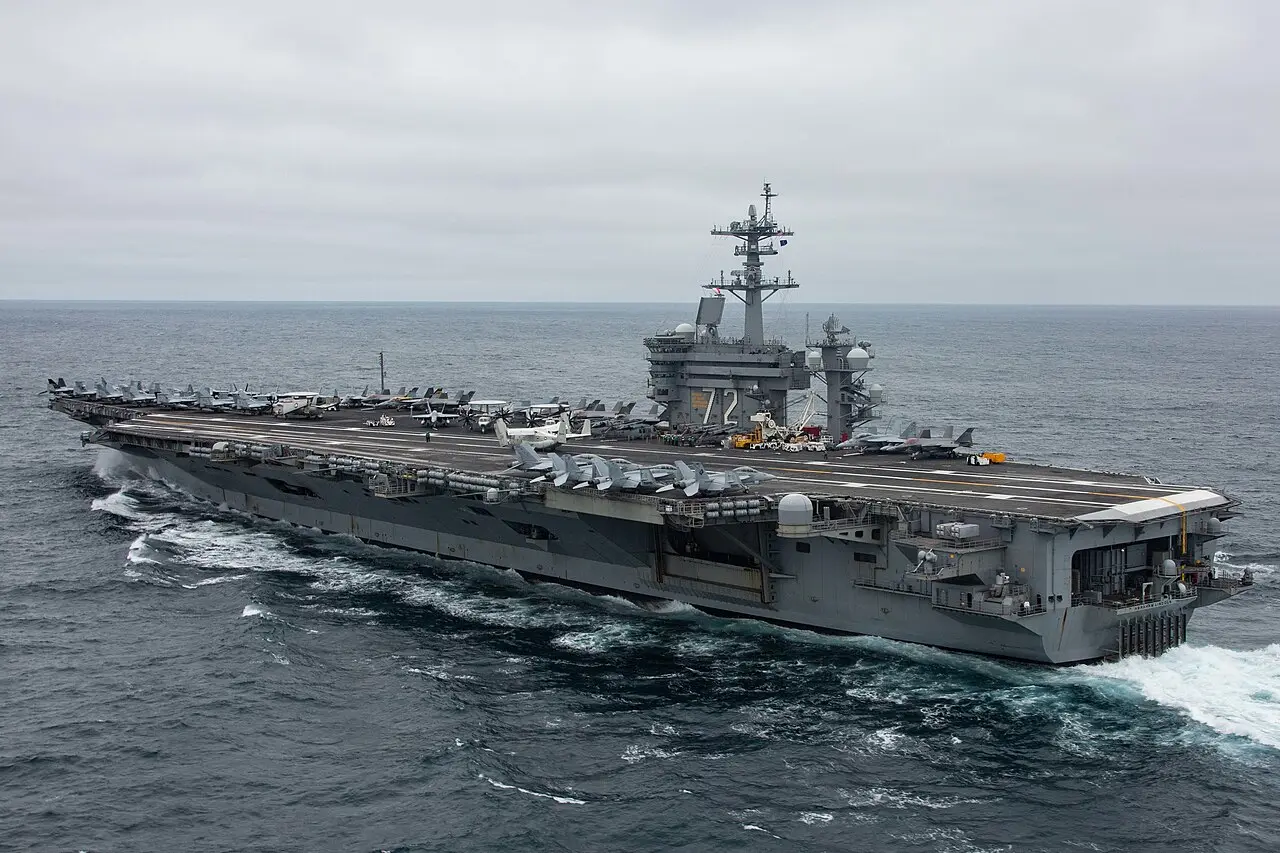
The most famous component of the Lincoln’s arsenal is the MK-15 Phalanx Close-In Weapon System (CIWS). it provides the ship with an inner layer point defense capability against anti-ship missiles (ASM), aircraft and littoral warfare threats that have penetrated other fleet defenses. This radar-guided 20mm Gatling gun serves as the ship's final line of defence, firing armour-piercing tungsten rounds at a rate of 4,500 per minute. The ship has two of these guns with a magazine capacity of 1,550 rounds each. The system is entirely autonomous, searching for, detecting, and engaging any projectile that survives the outer missile shields. Its primary function is to shred the airframe of a cruise missile in its terminal phase, detonating or diverting the warhead mere seconds before impact.
Asymmetric Defence: MK-38 Mod 2 Machine Guns
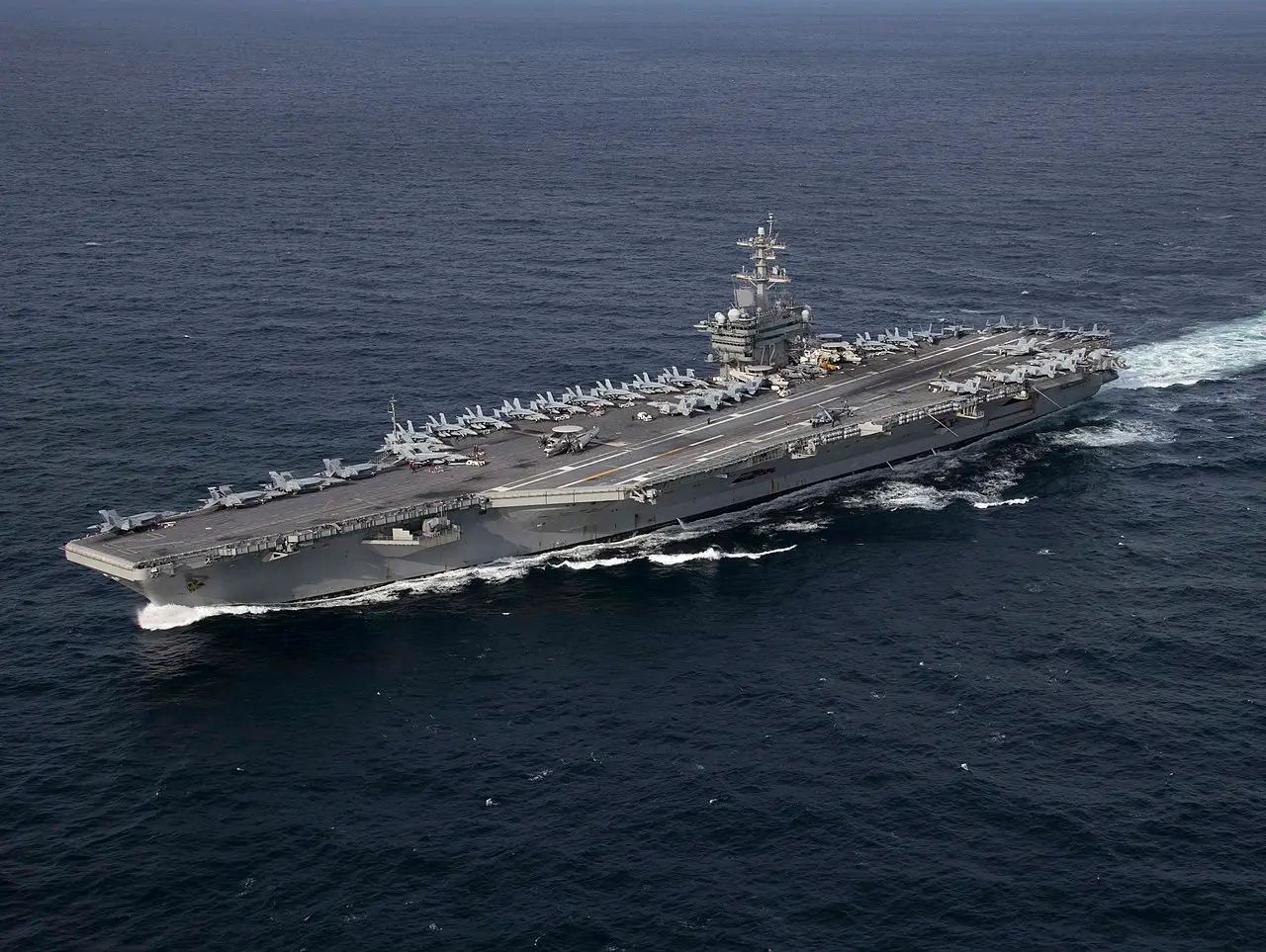
To counter the threat of fast-attack craft and low-flying drone swarms, tactics frequently employed by the Iranian Navy, the Lincoln is equipped with four MK-38 Mod 2 25mm Machine Gun Systems (MGS). These are remotely operated, stabilised guns featuring electro-optical and infrared sensors. While they are not intended for ballistic interception, they provide a vital safeguard against "swarm" tactics designed to distract the carrier's primary sensors, ensuring the ship remains focused on the larger, more lethal incoming missile threats.
Reconciling State Claims with Technical Reality
While the Fars news agency released video footage of projectiles and "loud booms," Western naval analysts remain sceptical of a direct hit. The "targeting" mentioned by Iranian state media often refers to the radar lock-on rather than physical impact. As Admiral Irani noted, the carrier group is "constantly being monitored," but the Lincoln’s defensive architecture is built specifically to operate under such electronic and physical scrutiny. The presence of AESA-guided radars and the synergy of RAM and ESSM systems suggest that any single-missile launch faces an uphill battle against modern naval automation.
)
)
)
)
)